
Meat Temperature Guide
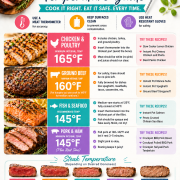
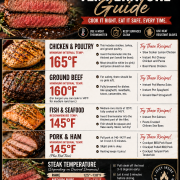
If you’ve ever served a chicken breast that looked “done” only to find it pink in the middle, or pulled a steak off the grill that turned into leather five minutes later, this guide is for you. We’ve all been there, and that’s why I’ve compiled this essential Meat Temperature Guide—the exact roadmap I use to get the best-tasting food while keeping my family safe.
Whether you’re firing up the Air Fryer or getting ready for grilling season, hitting that specific “hotness” is the only way to ensure your meat is fully cooked and free of foodborne illnesses.
Must-Have Tools for the Perfect Cook
Before you start, make sure your kitchen “gear” is ready to go:
- A Reliable Meat Thermometer: This is non-negotiable for accuracy.
- Heat-Resistant Gloves: A lifesaver for handling hot grates or heavy slow cooker inserts.
- Sanitized Cutting Boards: Use surfaces that are easy to clean to avoid cross-contamination.
Why Temperature Matters (More Than Color)
Here’s the thing most people get wrong:
Color is not a reliable indicator of doneness.
Meat can look done and still be undercooked… or look slightly pink and actually be safe.
Temperature is what tells the real story—and it’s the key to:
- Better texture
- More juicy results
- Safer meals
Now, let’s get to the MEAT of it all. Not everyone is going to like their meat done the same way, BUT this meat temperature guide (especially for chicken) is a base to go off of when cooking, so you can avoid getting sick.
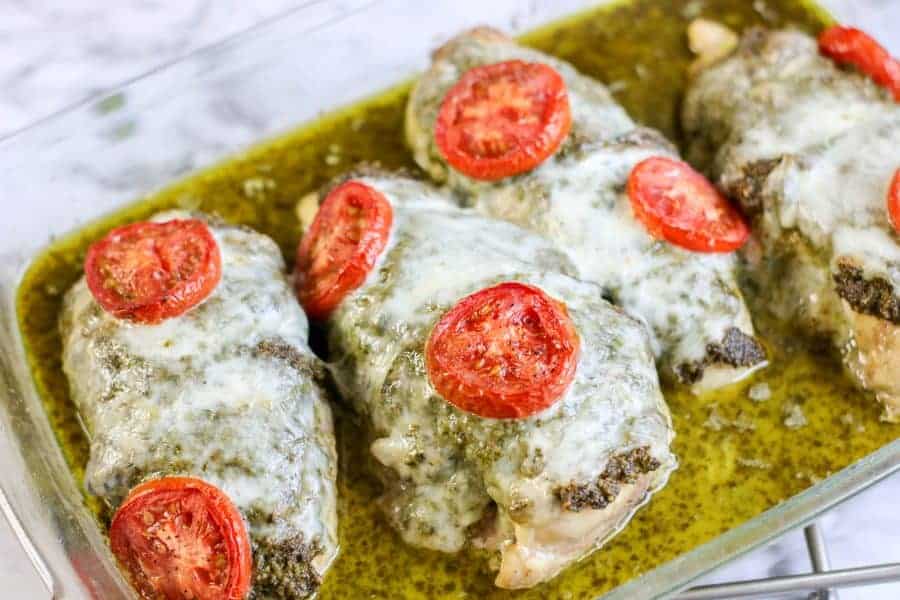
Chicken Temperature -minimum of 165°F
(This also goes for other poultry, like Turkey) The best way to get an accurate temperature on chicken will be by inserting your meat thermometer into a thick section of the chicken cut.
Why do you want to be sure to cook it to a minimum of 165F? To avoid Salmonella poisoning!
- When you cut into your chicken, it should be white (or off-white but NO PINK)
- Juices should be clear after cutting into the chicken
Try out some of these Chicken Recipes
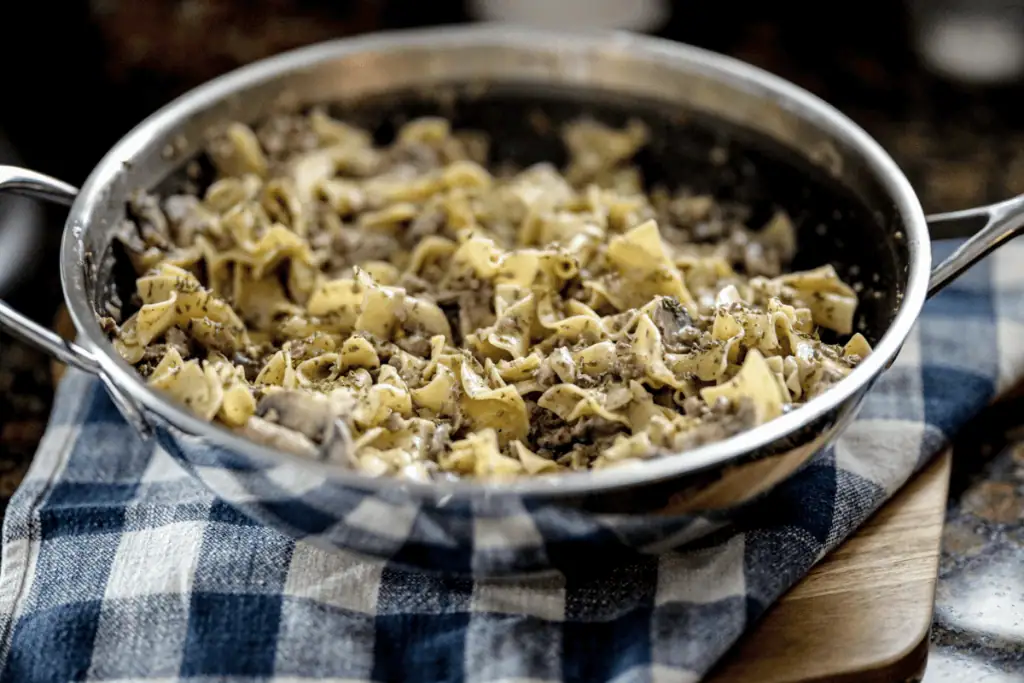
Ground Beef Temperature- minimum of 160°F
If you’re using ground beef for burgers or other meals, you will want to cook it to a minimum of 165°F BUT if you like your burgers medium rare or rare, you will want to get it to 145°F.
If making ground beef for spaghetti or meatballs, there shouldn’t be any pink left when it’s done.
Try out these awesome Beef Recipes:
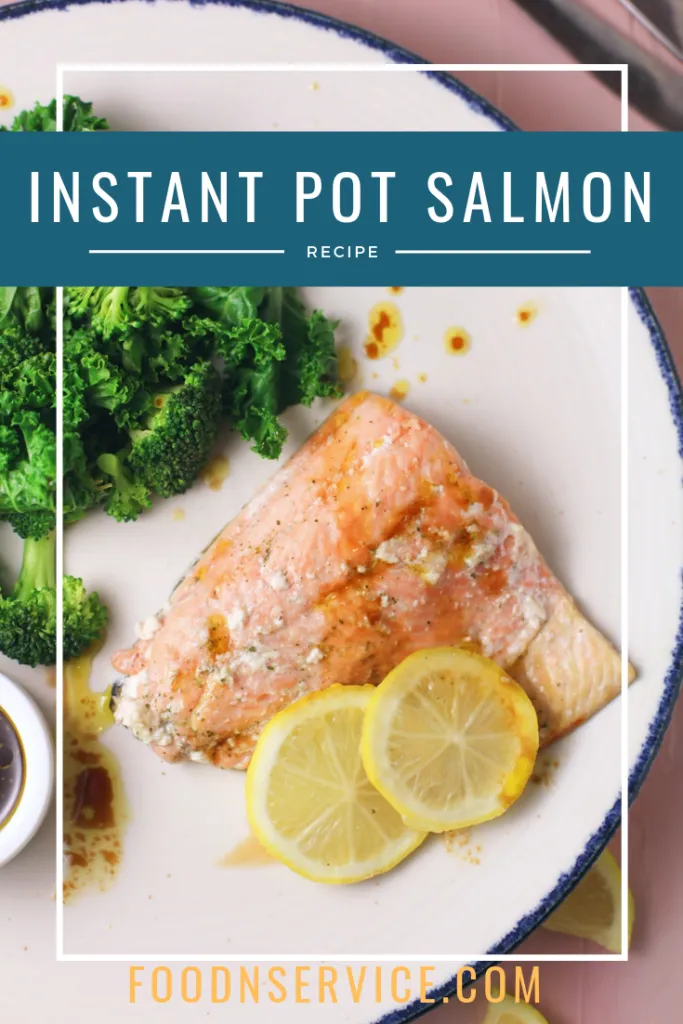
Salmon/Fish Temperature- minimum of 145°F
You may hear a range of temperatures that fish needs to be cooked at to be done, but start at a temperature of 125°F for it to be considered medium rare. You may notice that if you go above 145°F, it will start to dry out.
To get the most accurate temperature on Salmon and other fish, make sure you are inserting the thermometer into the thickest part of the fillet.
Need some fish recipes? Check these out:

Pork/Ham Temperature – minimum of 145°F
If you want to achieve the best pork meals, then pull your meat 3-5° before the 145° mark and let it continue to cook off the heat. (You do want to avoid there being pink in your pork, like in porkchops)
Here are some mouth watering pork recipes:
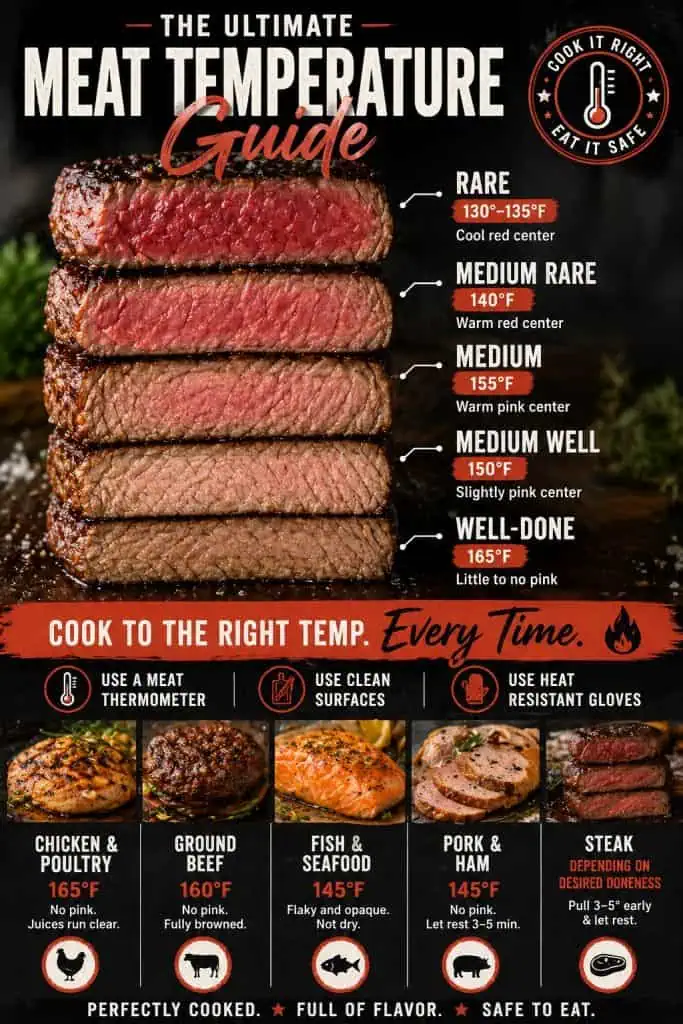
Steak Temperature – depending on the desired level of doneness
Depending on how the person prefers their steak will determine what temp the steak needs to be. Below are some estimates:
- Rare 130°-135°
- Medium Rare 140° F
- Medium 155° F
- Well-Done 165° F
The different levels of temperature will determine how much juice is left in your steak. When cooking your steak, be sure to take it off the heat 3-5 minutes before the desired temp is reached, as the meat will continue to cook. (Always check the temperature because color alone isn’t a good indicator of it being done.
