
100+ Amazing Lunch Box Ideas

These lunch box ideas came out of a very specific kind of desperation: it’s 6:40 in the morning, the bus comes at 7:15, and I’m staring into a fridge that has opinions but no plan. I’ve packed a lot of lunches. I’ve also had a lot of them come home untouched, which is its own quiet heartbreak.
So this isn’t just a list anymore. I’ve kept the 100 ideas that made this post a back-to-school staple, cleaned out everything that had gone stale, and built the actual system I use around them. Skip to the ideas if you’re in a hurry, or read the formula first if you want to stop guessing.
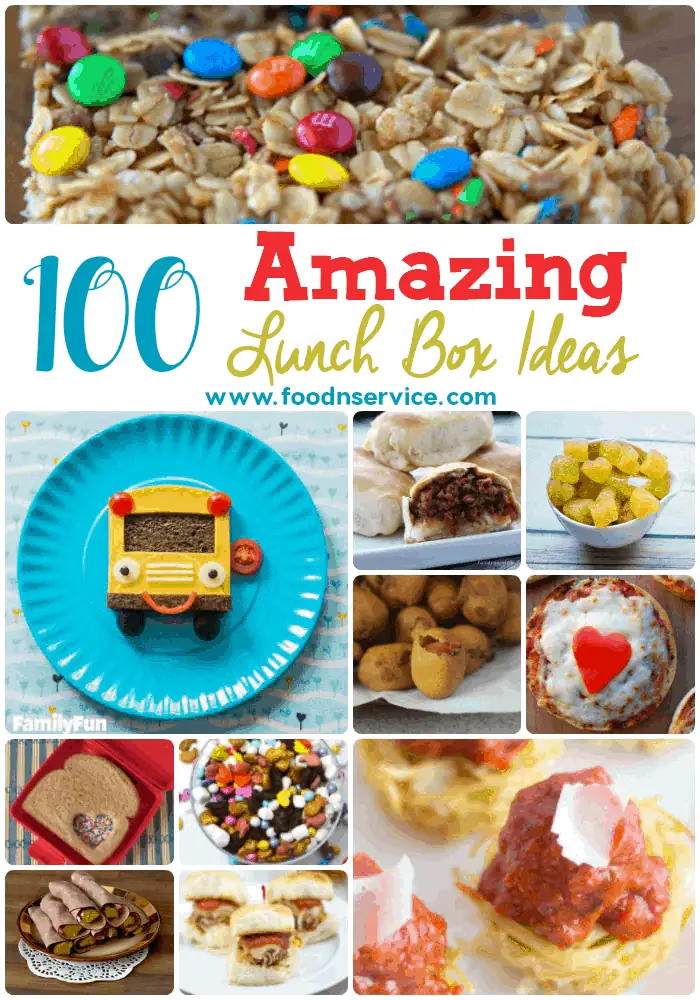
About This Roundup
This is a collection of 100 lunch box ideas organized into seven packing categories: sandwiches and wraps, bento boxes, pizzas, thermos soups, pasta, miniature classics, and snacks. It also includes a five-part packing formula, USDA-based food safety timing, and a Sunday prep method that takes about 45 minutes and covers a full school week. Every link was verified in July 2026.

Snapshot: Why These Lunch Box Ideas Work
- Built on a formula, not a list: Once you know the five slots, you can build a lunch from whatever is in the fridge without thinking hard about it.
- Solves the soggy sandwich problem for good: There is a layering order that keeps bread intact until noon, and it takes zero extra time.
- Real food safety numbers: You will know exactly how long food is safe and how many cold packs you actually need.
- Thermos meals are the sleeper win: Last night soup becomes today lunch, and hot food gets eaten far more often than cold food in my house.
- Swaps for real restrictions: Dairy-free, gluten-free, and nut-free versions are called out where they matter, not buried in a footnote.
- Best For: Back to school week, year-round school lunches, work lunches, road trips, day camp, and any morning where you have eleven minutes and no ideas.
David’s Tip: Pack the night before, but do it in two stages. Everything shelf-stable goes in the box at night. Anything cold goes in a covered container in the fridge, on the shelf right at eye level, and drops in at the last second. When I tried packing the whole thing the night before, the cold stuff sat at fridge temperature for ten hours and the bread went strange. Two stages fixed it.
SUMMARIZE AND SAVE THIS RECIPE CONTENT ON:
What Should You Put in a Lunch Box?
A good lunch box has five slots: a main, a protein, a crunchy vegetable or fruit, a filler carb, and one small thing they'll be genuinely happy to see. Fill all five and you get a lunch that holds a kid until dinner. Skip the protein and they crash at 2 p.m. Skip the happy thing and the whole box comes home full.
I landed on this after years of watching what came back. The lunches that got eaten weren't the fancy ones. They were the ones with variety in texture, something to dip, and one item that felt like a treat.
Slot 1: The Main
A wrap, a slider, a pasta salad, or a thermos of something hot. This is the anchor and it should be the thing they're actually excited about. If the main is boring, nothing else saves the box.
Slot 2: The Protein
Cheese cubes, a hard-boiled egg, rolled deli meat, hummus, or beans. Protein is what turns a snack box into a lunch. This is the slot people skip most, and it's the one that determines whether they're focused after lunch or falling apart.
Slot 3: The Crunch
Carrot sticks, cucumber rounds, apple slices, snap peas, bell pepper strips. Crunch matters more than you'd think for texture-sensitive kids. My daughter will eat almost any vegetable if it snaps and has something to dip in.
Slot 4: The Filler
Crackers, pretzels, popcorn, a roll, a biscuit. Cheap, shelf-stable, and it fills the corners of the box so nothing rattles around and gets bruised.
Slot 5: The Happy Thing
Two cookies, a couple of energy bites, a small granola bar. Not the whole bag. One small sweet at the end signals that lunch is over and it's a genuinely good moment in a long school day.
Top Tip for an Easy Lunch
Build sandwiches in this order from the bottom slice up: bread, cheese or lettuce, meat, wet stuff, meat again, bread. The cheese and the second layer of meat act as a waterproof barrier so tomato and pickle juice never touch the bread. Spread condiments onto the meat, never onto the bread. I have packed sandwiches at 6 a.m. that were still structurally sound at noon using nothing but this order.
100+ Best Lunch Box Ideas
I have sorted these into categories so you can grab what you need fast. My favorite sandwich ideas lead, then bento boxes and copycats, thermos soups, pasta, miniature classics, and finally the homemade snacks that go in the side slots.
Kid-Friendly Lunch Box Sandwiches and Wraps
Bento Boxes and Themed Lunches
Pizza and Flatbread Lunch Box Ideas

Soups for the Thermos
Pasta Lunch Box Ideas
Miniature Classics
Sides and Snacks
How Do You Pack a Lunch Box So Everything Stays Fresh?
Pack cold food with at least two cold sources in an insulated box, and keep hot food above 140°F in a preheated thermos. According to the USDA Food Safety and Inspection Service, bacteria multiply fastest between 40°F and 140°F, and perishable food should not sit in that range for more than two hours. A school day is closer to five.
Step 1: Preheat the Thermos
Fill the thermos with boiling water, cap it, and let it sit while you heat your food. Dump the water right before you fill it. Skip this and your soup is lukewarm by 11:30, which is the exact temperature that makes a kid decide they're not hungry. The outside of the thermos should feel warm to the touch when you pour the water out.
Step 2: Heat Food to 165°F
The USDA recommendation is heating food to at least 165°F before it goes into the container. It should be steaming and slightly too hot to eat. If you can comfortably take a bite, it's not hot enough to stay safe for five hours.
Step 3: Chill Cold Items Overnight
Anything perishable goes into the fridge in shallow containers the night before so it chills all the way through. A thick container of pasta salad can still be room temperature in the middle after two hours in the fridge. Shallow containers fix that.
Step 4: Use Two Cold Sources
One ice pack under the food and one on top. A frozen juice box or a frozen yogurt tube counts as a cold source and doubles as part of lunch. Don't set a sandwich container directly on an ice pack though, because the condensation goes straight into the bread.
Step 5: Assemble in the Right Order
Heaviest items on the bottom, soft items in a rigid container, and anything wet in something with a real seal. Give the box a gentle shake before it goes in the backpack. If you hear things sliding around, add a filler like crackers or popcorn to take up the space.
Pro Tips for Packing Better Lunches
- Run a Sunday assembly line: Cook one protein, one grain, and one sheet pan of vegetables. Portion everything into containers immediately while it's still on the counter. Forty-five minutes on Sunday buys back twenty minutes every weekday morning.
- Label the fridge shelf, not the containers: One shelf is lunch. Everything on it is fair game to grab at 6:40 a.m. This one change did more for my mornings than any container system I've bought.
- Dip everything: Restaurant kitchens know that sauce sells the dish. The same is true for a seven year old and a carrot stick. Ranch, hummus, marinara, honey mustard. Always send a dip.
- Let them pick one slot: Give your kid control over the snack or the sweet slot. Ownership dramatically raises the odds the whole box comes home empty.
- Freeze in portions, not batches: A quart of frozen chili is useless on a Tuesday morning. Six single-serve containers of frozen chili is a week of lunches.
- Rotate on a two-week cycle: Kids get bored faster than you think but they also get suspicious of constant novelty. Two weeks of rotation is the sweet spot in my house.
Fun Variations and Dietary Swaps
- Nut-free schools: Swap peanut butter for sunflower seed butter in any of the energy bites above. The texture is nearly identical and the flavor is slightly earthier. In trail mixes, use pumpkin seeds and sunflower seeds in place of almonds and peanuts.
- Dairy-free: Coconut yogurt works in parfait cups without changing the set. For creamy soups, swap heavy cream for full-fat coconut milk, which thickens the same way but adds a faint sweetness.
- Gluten-free: Lean on the lettuce wraps, the bento builds, and pasta salads made with chickpea or brown rice pasta. Gluten-free pasta gets gummy when chilled, so toss it with a little extra olive oil right after draining.
- Picky and texture-sensitive eaters: Use a compartment box so nothing touches, and keep sauces in separate cups. Serve deconstructed versions: the filling, the shells, and the cheese all in their own slots.
- Budget week: Build around beans, rice, eggs, and seasonal produce. The homemade crackers and granola bars in the snack section cost a fraction of the boxed versions and freeze perfectly.
Storage and Make-Ahead
Make-ahead: Sunday prep covers Monday through Thursday comfortably. Friday I keep loose so we can use up whatever's left, which also cuts food waste to almost nothing.
Room temperature: Only shelf-stable items belong here, meaning crackers, popcorn, whole fruit, and hard cheese. Everything else needs cold. Perishable food should not sit unrefrigerated for more than two hours.
Refrigerator: Cooked proteins and grain salads hold three to four days. Cut vegetables hold four to five days in a container with a paper towel to absorb moisture. Sandwiches should be assembled the night before at the earliest.
Freezer: Soups, chilis, casseroles, and meatballs freeze for three months in single-serve portions. Sandwiches freeze for one month, but leave out mayonnaise, lettuce, and tomato and add those the morning of.
More Recipes You'll Love
If you're building out a lunch rotation, these are the ones I'd start with. Dill Pickle Pasta Salad is the single most requested thing I make, and it holds beautifully for four days. When you need something hot in the thermos, Instant Pot Broccoli Cheddar Soup is the one that gets vegetables into a kid without a negotiation.
For a protein you can shred into wraps all week, 3 Ingredient Creamy Salsa Chicken takes almost no effort and stretches across four lunches. And when you want a treat that won't melt or crumble in a backpack, Easy Brownie Balls are the ones I keep in the freezer on purpose.
Lunch Box Gear Worth Having
- A real insulated bag: Not a novelty box. Insulation is what keeps two ice packs working for five hours instead of two.
- A wide-mouth thermos: Wide mouth matters because a kid needs to get a spoon in and out easily. Narrow ones come home full. Many of the best lunch box items are just last night's leftovers, and a thermos is what makes that work.
- Silicone dividers or muffin liners: Cheap, reusable, and they turn any container into a bento box.
- Small sealed dip cups: Two or three ounce cups with real lids. This is the single highest-impact item on the list.
FAQs: Lunch Box Real Talk
How do I keep sandwiches from getting soggy in a lunch box?
Build a barrier layer between the wet ingredients and the bread. Put cheese or lettuce directly against each slice, then meat, then anything wet in the middle. Spread condiments onto the meat instead of the bread. Toasting the bread lightly also helps, and a wrap or tortilla resists moisture better than sliced bread.
What temperature keeps lunch box food cold enough to be safe?
Food needs to stay below 40°F. The USDA calls 40°F to 140°F the danger zone because bacteria multiply fastest in that range, and perishable food shouldn't sit there longer than two hours. Use an insulated bag with at least two cold sources, one above the food and one below.
How can I prepare lunch boxes in advance on the weekend?
Cook one protein, one grain, and one tray of roasted vegetables on Sunday, then portion everything into containers right away. Store them all on one dedicated fridge shelf. In the morning you're assembling, not cooking. Budget about 45 minutes and it covers Monday through Thursday.
Why does my kid's lunch keep coming home uneaten?
Usually one of three things: the portion is too big, there's nothing to dip, or there's no item they were excited about. Kids get roughly twenty minutes to eat and half of that is socializing. Cut portions down, add a dip, and let them choose one slot themselves.
What are the best protein-packed lunch box options?
Hard-boiled eggs, cheese cubes, hummus, beans, shredded chicken, deli meat roll-ups, and Greek yogurt. Aim for 15 to 20 grams of protein in the box for an elementary schooler. Protein is what carries them from noon to dinner without a crash, and it's the slot most people accidentally skip.
What can I pack for a nut-free school?
Sunflower seed butter is the closest swap for peanut butter, with nearly the same texture and a slightly earthier taste. Use pumpkin and sunflower seeds in trail mix. Always check labels on granola bars and crackers for “processed in a facility” warnings, since many schools count those too.
Do lunch box ideas work for adults too?
Yes, and the same five-slot formula applies. Adults just need bigger portions and can handle stronger flavors. The pasta salads, thermos soups, and bento builds in this list all scale up easily, and the Sunday prep method works the same whether you're packing one lunch or four.
Go Pack a Great Lunch
The best lunch box isn't the prettiest one. It's the one that comes home empty. Once you've got the five slots in your head and a shelf of prepped containers in the fridge, the whole thing stops being a morning crisis and turns into about six minutes of assembly.
Try a few of these this week and tell me how it goes. If your kid has a lunch they'll eat every single day without fail, drop it in the comments below. I'm always looking for a new one, and so is everybody else reading this.
