
Toxic or Therapeutic? 6 Foods to Watch & 3 That Help
Eating healthy can feel like a minefield. One day, sugar is the enemy. The next, it’s salt. Then trans fats, additives, artificial sweeteners, and high-fructose corn syrup get dragged into the spotlight. It’s exhausting trying to keep up. But here’s the thing: not all foods are created equal. Some are actively harmful—like hidden sugars, excessive sodium, trans fats, and questionable additives that sneak into processed foods. Others are genuinely healing—like turmeric, ginger, leafy greens, and other nutrient-rich ingredients that have been used as natural medicine for centuries. The key isn’t fear. It’s awareness. And once you know what to look for, you can make smarter choices without feeling deprived.
So if you’re tired of the confusion and just want to eat better, you’re in the right place. In this article, we’re breaking down 6 foods with hidden risks—sugar, salt, trans fats, additives, artificial sweeteners, and high-fructose corn syrup—and 3 foods that can actually heal and nourish your body. You’ll learn simple tips like how to read labels for hidden sugars, why herbs and citrus are better than salt, and how to use turmeric and ginger to boost both flavor and health. No fear-mongering. Just real, practical advice to help you eat smarter and feel better. Let’s get started.
The Sweet Deception: Sugar’s Dark Side

Sugar’s pervasive presence in many foods makes it easy to underestimate its impact. Excessive consumption can lead to energy spikes, weight gain, and increased risk of chronic diseases such as diabetes. Prioritizing natural sweeteners, like honey or maple syrup in moderation, and being vigilant about checking food labels can help reduce unnecessary sugar intake, supporting overall health.
Salt: Essential but Risky

While salt is crucial for flavor and bodily functions, its excessive intake is a known contributor to hypertension and cardiovascular problems. Many processed and restaurant foods contain more salt than you might expect. Seasoning with herbs, spices, and citrus can enhance flavor without the added sodium, allowing for nutrient-rich and health-conscious cooking.
Beware the Feared Trans Fats

Trans fats, often found in hydrogenated oils and packaged snacks, can raise bad cholesterol and lower good cholesterol levels, posing significant harm to heart health. Checking ingredient lists for partially hydrogenated oils and choosing products with healthier fats like olive or avocado oil can help steer your diet towards heart-friendly choices.
Additives: What’s Really in Your Food?

Food additives are widely used to enhance flavor, appearance, and shelf life. Commonly found in processed foods, additives like MSG, artificial colors, and preservatives can raise health concerns. Understanding these ingredients helps make informed choices. While some are benign, others may cause reactions in sensitive individuals. Check labels carefully for terms like “nitrates,” “sulfites,” or “aspartame.” Reducing processed food intake and cooking from scratch with whole ingredients can decrease exposure to potentially harmful additives.
Artificial Sweeteners: Not So Sweet

Artificial sweeteners replace sugar in various “diet” or “sugar-free” products. While they promise fewer calories, concerns about metabolic effects and gut health persist. Ingredients like sucralose, saccharin, and aspartame have undergone scrutiny and mixed reviews from health experts. Choose natural sweeteners like honey or maple syrup when possible, using moderation. Reading labels closely and opting for products with minimal artificial ingredients supports a balanced approach to sweetening foods without compromising health.
High-Fructose Corn Syrup: Enemy of Health?
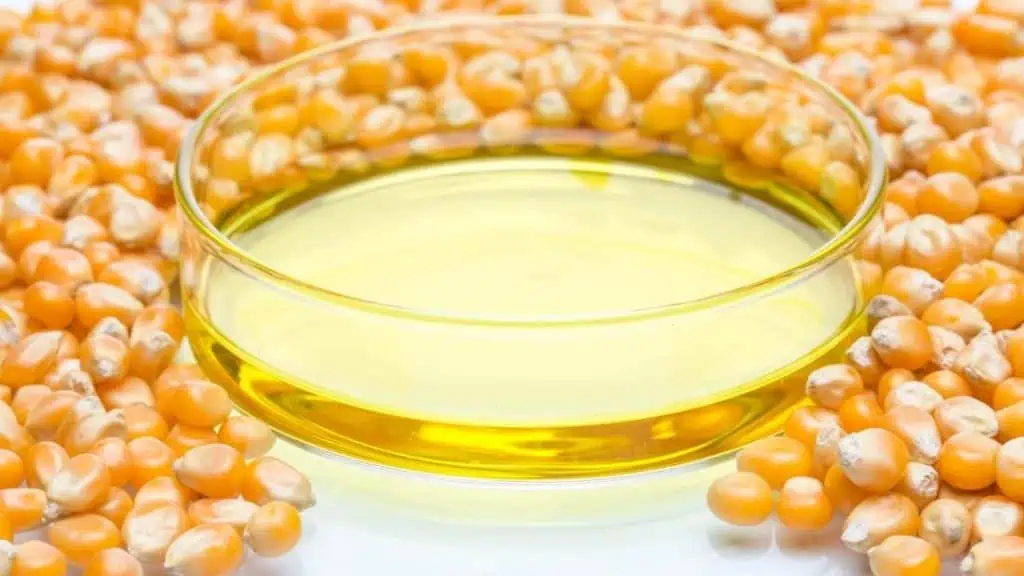
High-fructose corn syrup (HFCS) is prevalent in sodas, snacks, and condiments. It’s linked to obesity and metabolic disorders due to its impact on insulin and appetite regulation. Unlike natural sugars found in fruits, HFCS breaks down differently, often leading to increased fat storage. Choosing whole foods and preparing sauces or dressings at home allows control over sweetening agents. Gradually reducing products with HFCS could benefit overall health, supporting efforts to maintain balanced glucose levels and weight control.
Foods That Heal: Nature’s Medicine
Certain foods offer therapeutic benefits, thanks to their rich nutrient profiles. Turmeric, with its anti-inflammatory properties, can be a powerful addition to your diet. Ginger aids digestion while garlic boosts immune function. Incorporating these ingredients into meals enhances flavor while supporting health. Opt for whole, fresh versions to maximize benefits. Consider making herbal teas or smoothies with them for easy consumption. Emphasizing foods that heal can naturally bolster your well-being without the need for supplements.
The Benefits of Leafy Greens

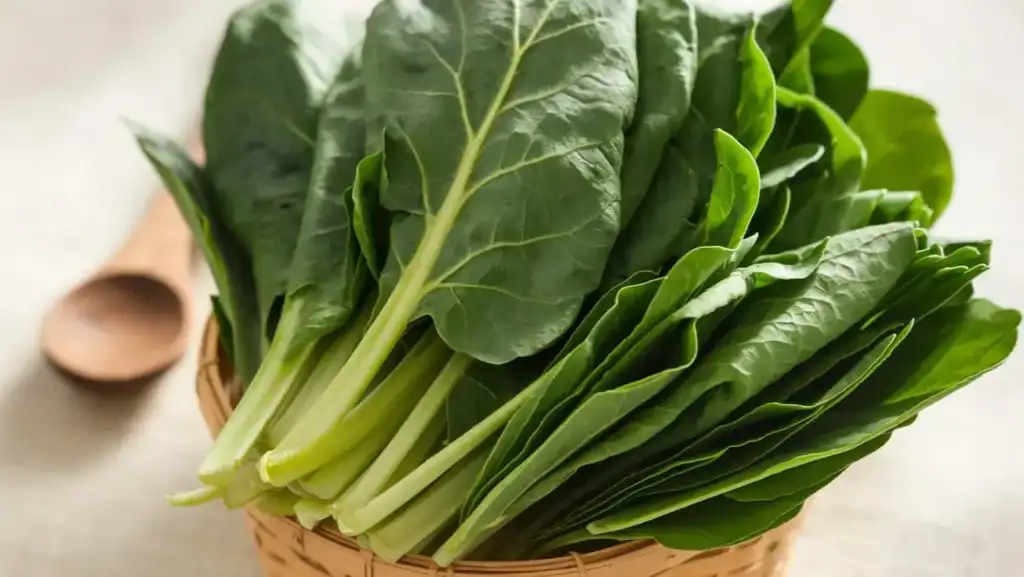
Leafy greens are nutritional powerhouses, offering vitamins, minerals, and antioxidants. Spinach, kale, and chard deliver high levels of iron, calcium, and fiber. These versatile vegetables can be consumed raw in salads, sautéed as side dishes, or blended into smoothies. Try massaging kale with olive oil and lemon for a tender, flavorful salad base. Regular consumption supports heart health, aids digestion, and boosts overall energy levels. Embracing leafy greens in daily meals ensures a foundation for a balanced, nutrient-rich diet.
Healing Powers of Turmeric

Turmeric, with its vibrant golden hue, is not just a visual delight. Known for its anti-inflammatory properties, this spice can transform simple dishes into therapeutic meals. To unlock its full potential, pair it with black pepper, which enhances curcumin absorption. Use fresh or dried turmeric in curries, soups, or even smoothies. Its earthy, slightly bitter taste complements roasted vegetables and rice dishes. When working with fresh turmeric, use gloves to avoid staining. Incorporate it consciously to harness its health benefits without overpowering delicate flavors.
Ginger: Small Root, Big Benefits

Ginger’s warm, zesty flavor and myriad health benefits make it a culinary powerhouse. Chop or grate fresh ginger for stir-fries and marinades to help aid digestion and soothe nausea. Ginger also enhances sauces and baked goods with its subtle heat. For tea, steep thin slices in hot water with lemon for a soothing drink. Balance its peppery notes in sweet and savory dishes alike by adjusting quantities to your preference. Remember, fresh ginger packs a more potent punch than dried, making it a versatile addition for both flavor and health.
