
10 Cooking Oils That Fuel Inflammation: What Experts Warn Against
Understanding the impact of cooking oils on health is crucial, as some can quietly contribute to inflammation. With many options on the market, choosing the right one for your kitchen requires insight into their properties and effects on your body. Here, we explore ten oils that experts caution against due to their inflammatory potential, allowing you to make informed decisions that align with health-conscious cooking practices.
Vegetable Oil: The Hidden Culprit

Widely used for its affordability and neutral flavor, vegetable oil typically contains a blend of oils like soybean, corn, and others. This mix often results in high levels of omega-6 fatty acids. Although omega-6s are essential in moderation, an excess is known to promote inflammation. For those aiming to reduce inflammation, consider replacing vegetable oil with healthier options like olive oil or avocado oil, which offer beneficial monounsaturated fats.
Corn Oil: More Harm Than Good?

Corn oil is frequently found in processed foods and as a staple in many kitchens. Its high omega-6 fatty acid content can disrupt the balance of omega-6 to omega-3 fatty acids, tipping it toward an inflammatory state. If corn oil is a primary choice in your cooking, it might be wise to switch to alternatives that boast a better fatty acid profile, such as walnut or flaxseed oil, which provide anti-inflammatory omega-3s.
Soybean Oil: A Silent Inflammatory

Soybean oil, prevalent due to its low cost and availability, is another contributor to inflammation, thanks to its significant omega-6 fatty acid content. Its widespread usage in margarine, baked goods, and packaged foods makes it challenging to avoid. Moderation is key, and a move toward oils with a healthier ratio of omega fatty acids, such as extra virgin olive oil or macadamia nut oil, can support a more balanced inflammatory response.
Canola Oil: Heart-Healthy or Hype?

Often marketed as a heart-healthy option due to its low saturated fat content and modest ratio of omega-6 to omega-3 fatty acids, canola oil still raises some concerns. The refining process can sometimes involve harsh chemicals, and much of the canola oil is sourced from genetically modified crops. Opting for cold-pressed, organic canola oil can mitigate some issues, but exploring oils rich in polyphenols, like extra virgin olive oil, may offer more comprehensive benefits.
Peanut Oil: Frying Trouble?

Peanut oil is a common choice for frying due to its high smoke point, making it stable under heat. However, it’s rich in omega-6 fatty acids, which can contribute to inflammation when consumed excessively. Balancing omega-6 with omega-3 in your diet is crucial, as an imbalance may fuel inflammatory pathways. Consider using oils with a more balanced fatty acid profile and ensure a varied nutrient intake to mitigate potential health concerns.
Sunflower Oil: The Omega Imbalance

Abundant in many kitchens for its neutral flavor and affordability, sunflower oil contains a high level of omega-6 fatty acids. While essential, omega-6s should not overshadow omega-3s in your diet. A disproportionate intake can promote inflammation, especially if other sources of omega-3s are lacking. Opt for oils with a balanced omega ratio, such as olive or flaxseed oil, to maintain a healthier lipid profile and minimize inflammatory risks.
Safflower Oil: An Inflammatory Issue

Safflower oil, prized for its mild taste and high smoke point, is often used in salad dressings and sautéing. Like many seed oils, it’s rich in omega-6 fatty acids, potentially leading to chronic inflammation if consumed excessively. Consider moderating its use and diversify your oil repertoire to include versions with anti-inflammatory benefits, such as extra virgin olive oil, which provides a more balanced contribution to your health.
Grapeseed Oil: The Health Paradox

Grapeseed oil is widely promoted for its light flavor and versatility, but it is high in polyunsaturated fats, primarily omega-6 fatty acids. Despite its antioxidant content, the excessive omega-6s can lead to an inflammatory response when not balanced with omega-3s. Use grapeseed oil sparingly and focus on integrating oils such as avocado or hemp seed oil, which offer healthier fat compositions to support wellbeing.
Palm Oil: Environmental and Health Costs
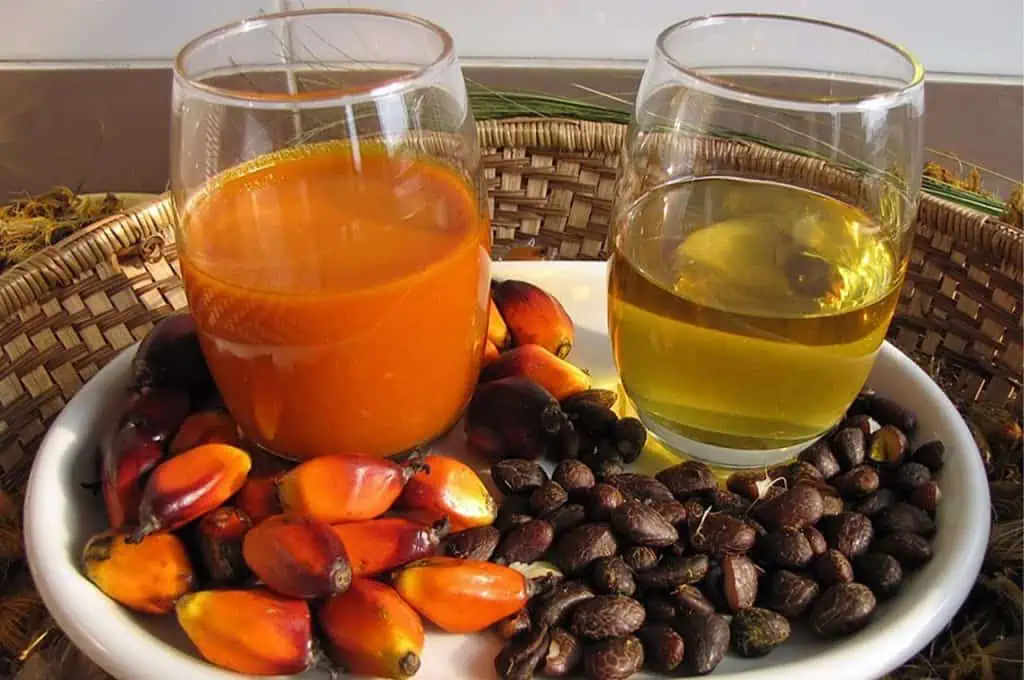
Palm oil is frequently criticized not just for environmental concerns but also for its health impacts. High in saturated fat, palm oil can contribute to inflammation when consumed in large amounts. Additionally, the environmental degradation associated with its production poses ethical dilemmas. Choosing sustainably sourced alternatives or oils with anti-inflammatory properties, like coconut or canola oil, can help reduce both health risks and environmental impact.
Cottonseed Oil: The GMO Concern

Cottonseed oil, often found in processed foods, raises flags due to its GMO status. As cotton is primarily a non-food crop, its oil can contain pesticide residues. This increases inflammation risk, impacting overall health. In the kitchen, replace cottonseed oil with options like olive or avocado oil. These alternatives offer healthier fats and rich flavors for cooking or dressing salads. Always check labels to ensure you’re avoiding cottonseed oil in packaged goods, and prioritize oils that support well-being over mass-produced varieties.
