
Not as Clean as They Seem: Grocery Picks to Rethink
When selecting grocery items, the allure of convenience and health claims can often overshadow the true nature of the products. It’s crucial to look beyond the packaging and understand what you’re really purchasing. Exploring common grocery picks, we uncover some surprising ingredients and nutritional traps that might not align with your health goals.
Veggie Chips: Not Always Veggie

Veggie chips are often marketed as a healthier alternative to traditional potato chips, yet it’s essential to scrutinize their ingredients. These snacks frequently contain more potato starch and flour than actual vegetables. Understanding that vibrant colors in chips often come from powders and extracts, not whole vegetables, ensures informed choices. Opt for brands that list vegetables as the first ingredient, or better yet, make your own to maintain control over what goes into your snack.
Protein Bars: Sweet or Savory Surprise?

Protein bars are a convenient on-the-go snack, often portrayed as balanced nutrition. However, their sugar content can rival that of a candy bar. Investigate the label closely—a surprising number of these bars employ sweeteners and ambiguous additives for flavor. Seeking options with recognizable, whole food ingredients like nuts and seeds ensures a more nutritious option. Alternatively, making your own at home allows you to curate the perfect balance of protein and sweetness.
Smoothies: Sugar Hidden in a Blend

Pre-packaged smoothies can be deceptive, masking a high sugar content with healthy-sounding ingredients like fruits and vegetables. While they promise a nutritious blend, many contain added sweeteners or fruit concentrates. Prioritize drinks with no added sugars and a higher proportion of green vegetables to balance the natural sugars from fruit. Creating your own allows full control over ingredients, offering a fresh, less sugary alternative tailored to your taste preferences.
Pre-Packaged Salads: Greens and Gripes
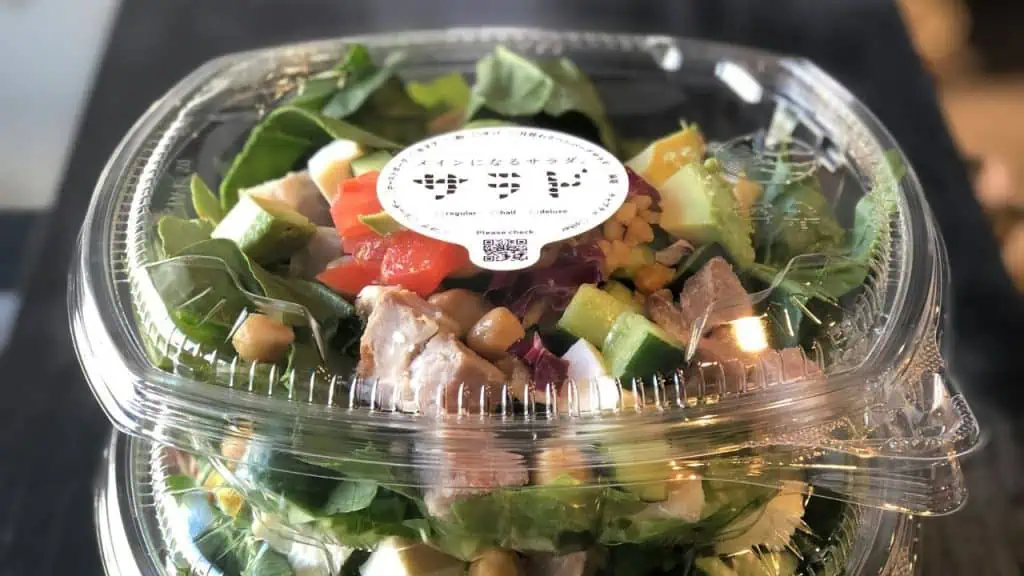
Pre-packaged salads offer convenience but often come with hidden pitfalls. Dressing packets are typically high in calories and sugar, overshadowing the health benefits of the greens. Additionally, toppings like croutons and bacon bits can add unwanted sodium and preservatives. Choose salads with a variety of fresh vegetables and minimal added garnishes, and consider pairing them with homemade dressings to enhance flavor without overloading on unwanted extras.
Granola: Crumbling Healthy Myths

Granola often parades as a health food icon, yet many commercial brands are laden with sugars and unhealthy fats. When selecting or preparing granola, focus on the ingredient list. Look for whole oats as the primary component and minimize added sugars by opting for natural sweeteners like honey or maple syrup. Boost nutritional value with unsweetened dried fruits, nuts, and seeds. Toasting these ingredients at low temperatures ensures a crisp texture without excessive oil. This mindful approach shifts granola from a sugar trap to a wholesome choice.
Frozen Yogurt: Cold and Misleading

Frozen yogurt might promise a lower-calorie alternative to ice cream, but it often contains hidden pitfalls. Commercial versions can be high in sugar and low in the beneficial probiotics advertise. When making or selecting frozen yogurt, prioritize versions with live cultures and minimal added sugars. Consider blending Greek yogurt with fresh fruits for natural sweetness and enhanced texture. Freeze and churn to achieve a creamy consistency. This way, you enjoy richer flavors and gut-friendly benefits without compromising on taste.
Gluten-Free Snacks: Free from What?

Gluten-free snacks can sometimes disguise themselves as healthier options, yet that’s not always the case. Many substitutes are heavily processed and lack nutritional depth, compensating with excess starches and sugars. In your kitchen, aim for whole food ingredients like nuts, seeds, and minimally processed grains such as quinoa or buckwheat. These choices provide fiber and protein. Experiment with baking using almond flour or coconut flour, which offers better texture and flavor while ensuring your snack remains health-conscious and satisfying.
Bottled Teas: Brewed Deception

Bottled teas enjoy a reputation for being a healthy choice, but often they’re more akin to sugar-laden drinks than a true tea experience. Evaluating the ingredients is crucial; select brewed teas with no added sugars or artificial flavors. Alternatively, brew iced tea at home, using quality loose leaves and adding citrus slices or herbs for flavor. This approach allows you to control sweetness and maximize antioxidants. By enjoying authentic tea, you embrace purity and genuine flavors over commercial guise.
