
How to Cook with Beer: Tips to Unlock Bold Flavor
When most people think of beer, they think of a cold one on a hot day. But here’s the secret: beer is also a killer ingredient in the kitchen. It adds depth, complexity, and a rich, bold flavor that you just can’t get from wine, broth, or water. The carbonation tenderizes meat, the malt adds sweetness, and the hops bring a subtle bitterness that balances rich dishes. Whether you’re marinating a flank steak, braising a roast, frying up fish and chips, or even baking a chocolate cake, beer can elevate your cooking in surprising ways. The key is knowing which beer to use and how to work with it.
So if you’re ready to level up your cooking with something a little different, you’re in the right place. In this article, we’re breaking down everything you need to know about cooking with beer—from choosing the right style (lager, ale, stout, wheat) to using it in marinades, batters, braises, reductions, sauces, and even desserts. You’ll learn simple tips like why you should avoid bitter IPAs unless they complement the dish, how to use beer to deglaze a pan, and why you should always cook with a beer you’d actually drink. No complicated techniques. Just real, flavorful cooking that makes your meals shine. Let’s raise a glass—and a spatula.
Why Beer Belongs in Your Kitchen

Beer adds complexity and character to food, transforming simple recipes into gourmet experiences. Its natural carbonation tenderizes meats, while the malt and hops contribute both sweetness and bitterness. Beer can also deglaze pans, making it an excellent base for sauces that demand layered flavors. Incorporate beer into your kitchen to experiment with contrasts of taste and texture.
How Different Beers Affect Flavor

Each beer style imparts distinct qualities to dishes. Lighter beers like lagers and pilsners offer a subtle sweetness, perfect for batter frying fish. Wheat beers add citrusy notes, complementing salads and seafood. Dark ales and stouts deliver robust, earthy flavors ideal for stews and braises. Understanding these differences allows you to pair beer with the right dish, ensuring balanced results.
Choosing the Right Beer for Your Dish
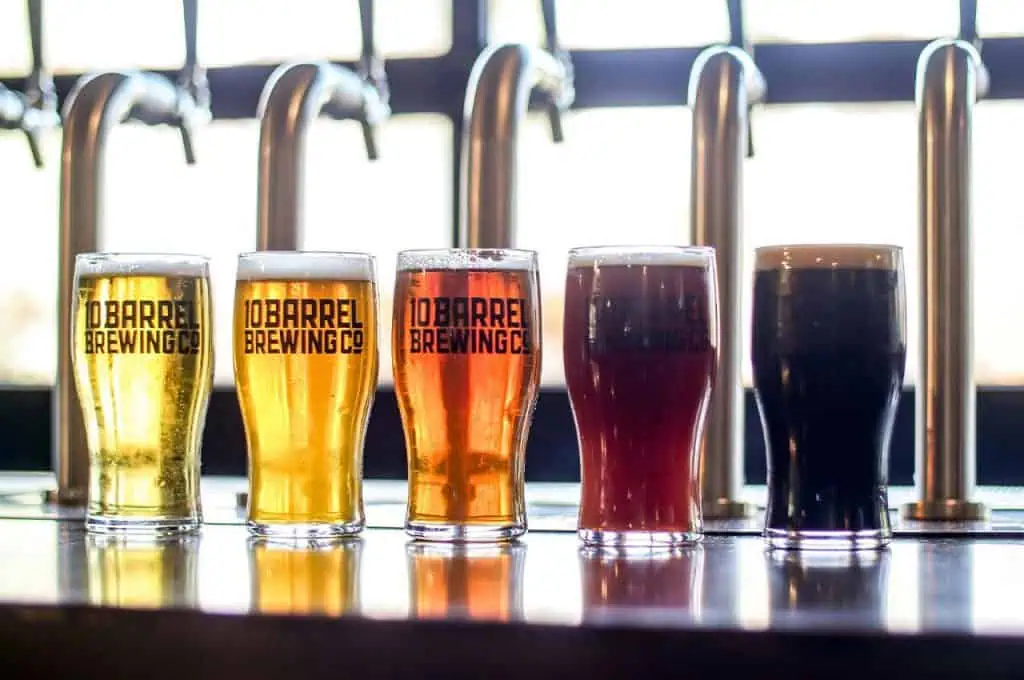
Selecting the appropriate beer involves considering the dish’s main ingredients and desired flavor profile. For example, match a spicy dish with a crisp, refreshing lager to cut through the heat. For richer meals, a malty ale enhances savory components. A key tip is to use a beer you enjoy drinking, ensuring its flavors are palatable and complement the food naturally.
Beer in Marinades: Tenderize and Enhance
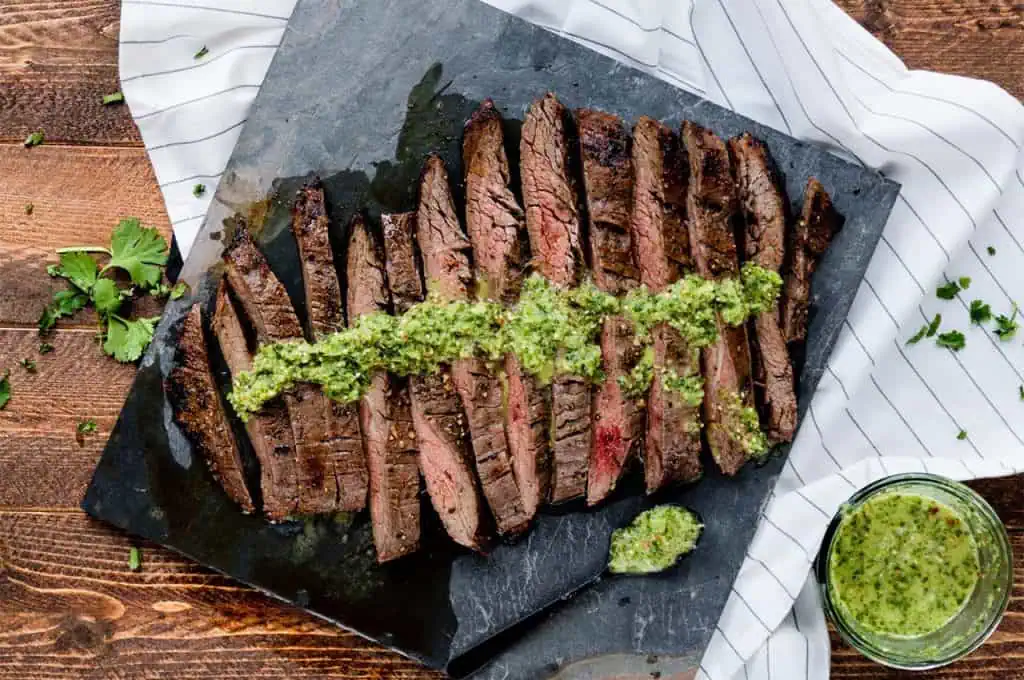
Marinating meat in beer not only infuses it with flavor but also helps in tenderizing due to its acidity and enzymes. A balanced marinade might include a dark beer, olive oil, herbs, and spices, matching the beer’s notes with the dish. Allow meats to rest in this mixture for several hours, allowing the beer to break down fibers and enhance juiciness and taste, leading to an enriched dining experience.
Get the recipe: Beer Marinated Flank Steak
Braising with Beer: Elevate Comfort Food
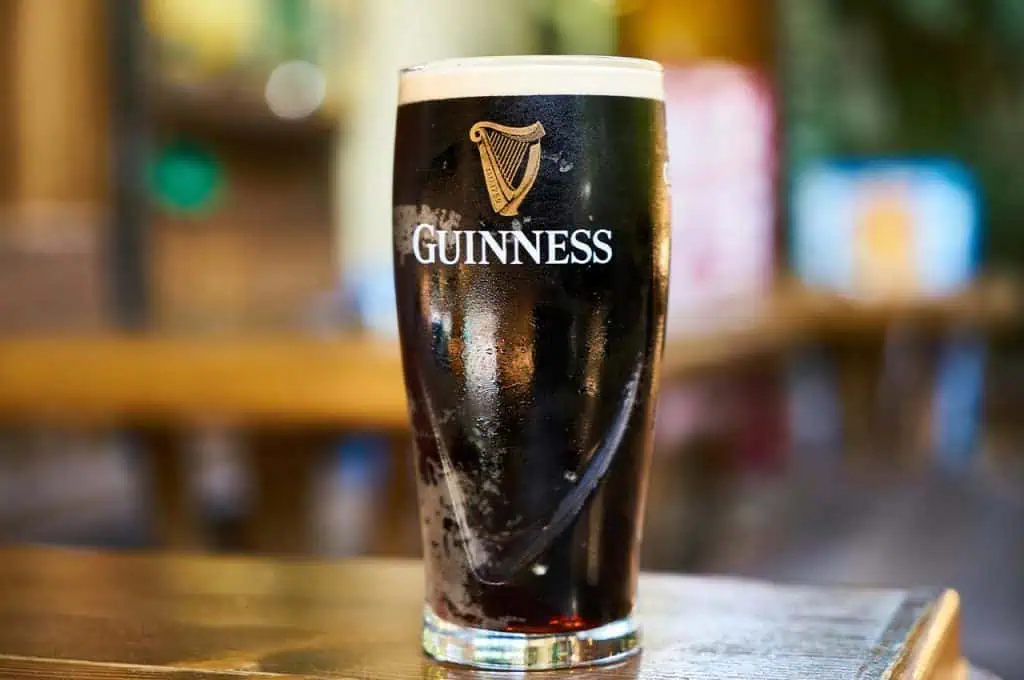
Braising meats in beer creates a rich depth of flavor, enhancing traditional comfort foods. Choose a dark beer, such as a stout or porter, for robust taste or a pale ale for a lighter touch. Begin by searing your meat in a hot pan to develop a deep caramelization. Add aromatics like garlic, onions, and herbs before pouring in the beer to deglaze the pan, scraping up any flavorful bits. Cover and simmer low and slow until the meat becomes tender, allowing the beer to meld with the natural juices for a succulent finish.
Beer-Battered Perfection

Achieve an airy, crisp texture by using beer in your batter for frying. Select a light, effervescent beer like a lager or pilsner for its carbonation that contributes to the batter’s fluffiness. Mix the beer with flour, baking powder, and a pinch of salt until just combined—over-mixing can toughen the batter. Dip seafood, vegetables, or chicken into the batter and fry in hot oil until golden. The beer’s bubbles create a light, crispy coating, while its maltiness subtly enhances the flavor profile of your ingredients.
Baking with Beer
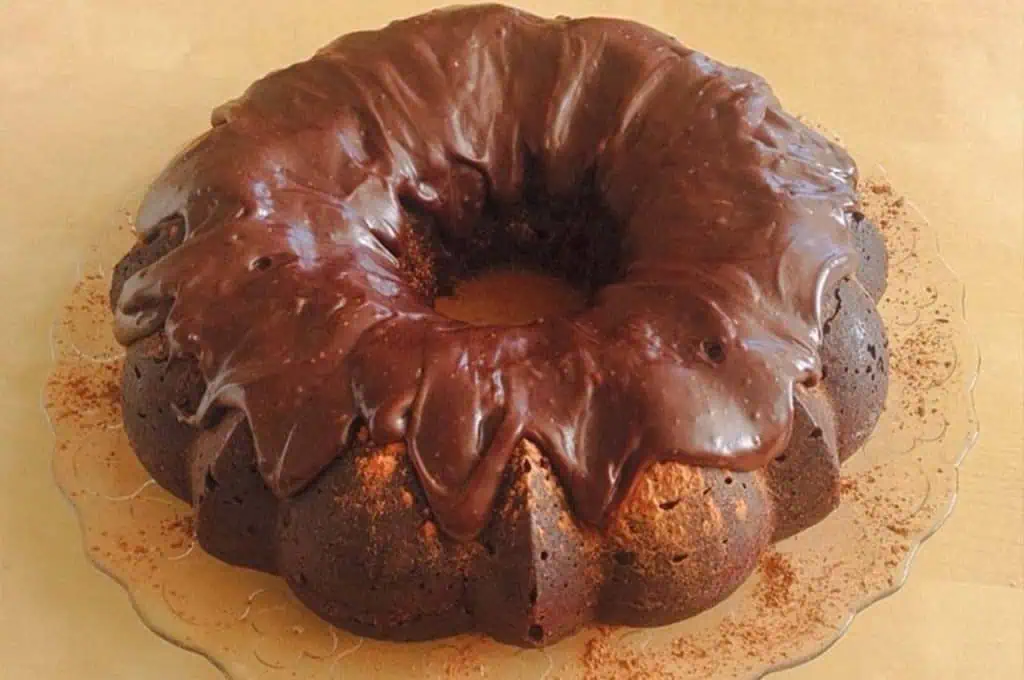
Incorporate beer into baking for unique flavors and textures in breads and desserts. Use a hearty ale or wheat beer in bread dough to add complexity and aid leavening. The yeast in beer can complement your bread’s rise, while hoppy flavors enrich the taste. For desserts, try incorporating a spiced beer into chocolate cakes or brownies, emphasizing warm notes and moist textures. Always balance the beer’s bitterness with sugars or syrups, ensuring the final product is well-rounded and harmonious.
Sauces and Stews with Beer Boost
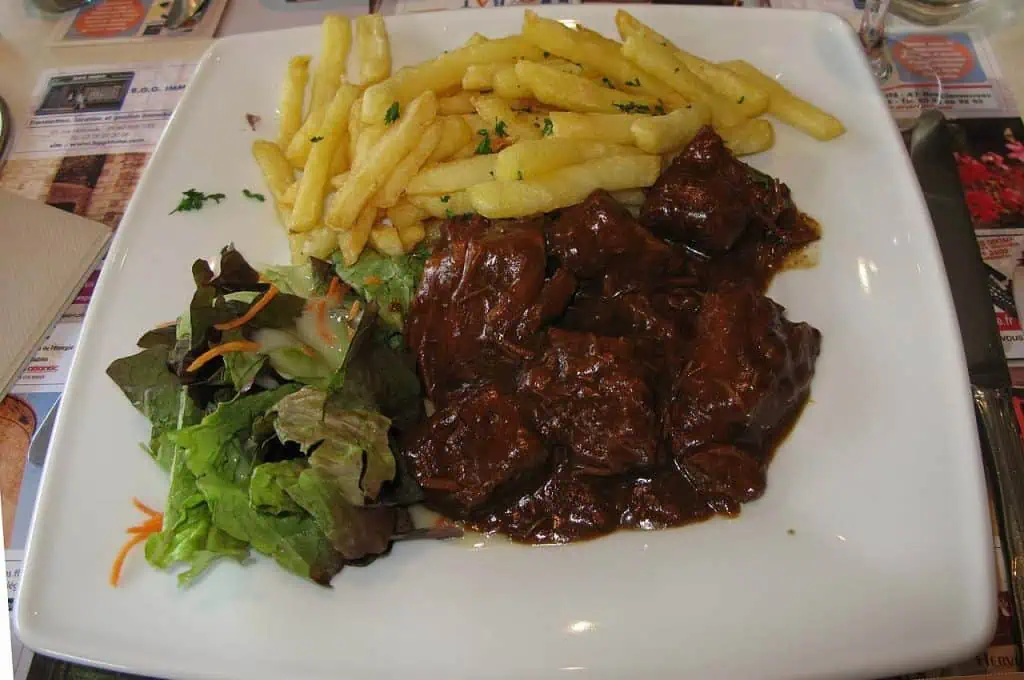
Enhance sauces and stews by incorporating beer, lending an intricate depth to classic dishes. Choose a beer whose profile complements your sauce; a brown ale for its nuttiness in beef stews or a wheat beer for its citrusy undertones in poultry dishes. Use the beer to deglaze the pan, then reduce it slightly to concentrate its flavors. Combine with stock and seasonings, simmer until thickened. This infusion of beer not only intensifies the flavors but also introduces new aromatic layers, elevating the dish.
Beer Reductions: Glazes That Shine
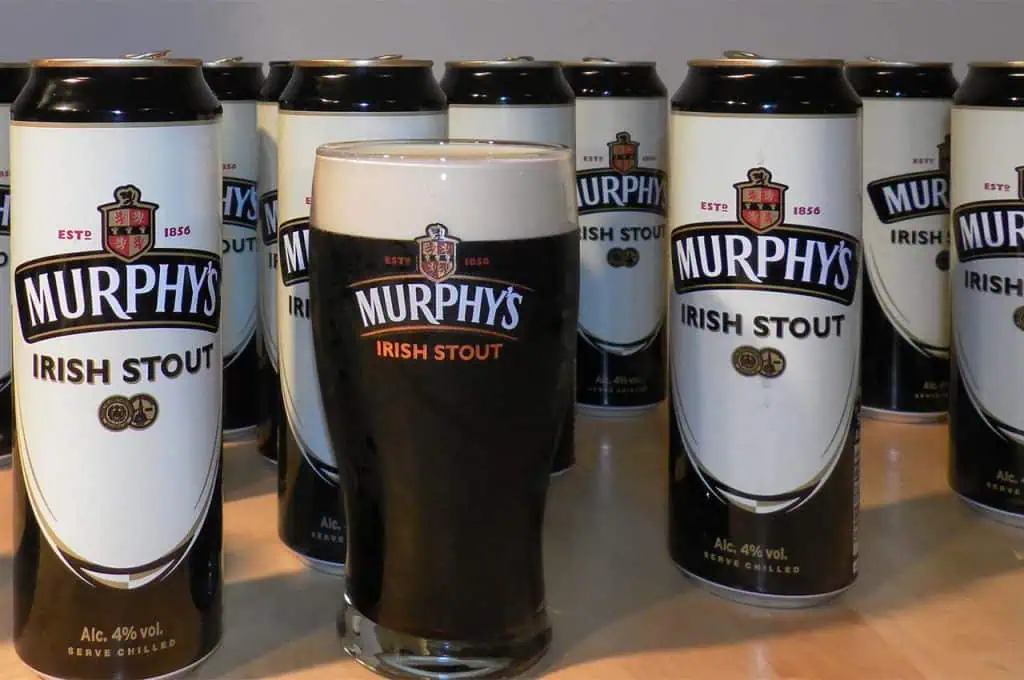
Crafting a beer reduction can transform standard glazes into extraordinary accompaniments for meats and vegetables. Use a rich stout or fruity ale, simmer down with sugar, and add aromatics like shallots or rosemary for complexity. As the liquid reduces, the flavors concentrate, yielding a thick, glossy glaze. Brush over roasted meats or vegetables just before serving for a savory finish. The reduction’s sweetness and beer’s natural bitterness balance perfectly, offering a refined detail to any dish.
Avoid These Common Beer Cooking Mistakes

Selecting the right beer type is crucial. Avoid beers with overpowering flavors like IPAs unless they specifically complement the dish. Start with milder beers like lagers or pale ales to avoid overt bitterness. Remember to cook with beer you enjoy drinking, as its taste intensifies during cooking. Steer clear of adding beer too early in recipes. This can lead to volatile flavors evaporating completely, leaving a bitter residue. Instead, introduce it partway through cooking for balanced infusion. Lastly, don’t rely on beer solely for moisture; ensure you’re complementing it with broth or stock to develop depth and richness.
