
14 Foods Banned Around the World That Americans Still Eat Every Day
Across the globe, food regulations vary widely, leading to some surprising disparities in what’s allowed on dinner plates. While certain foods are standard fare in the United States, they face bans in other countries due to health or environmental concerns. Examining these differences sheds light on global food safety practices and prompts questions about the ingredients in our own kitchens.
Farm-Raised Salmon: A Fishy Business
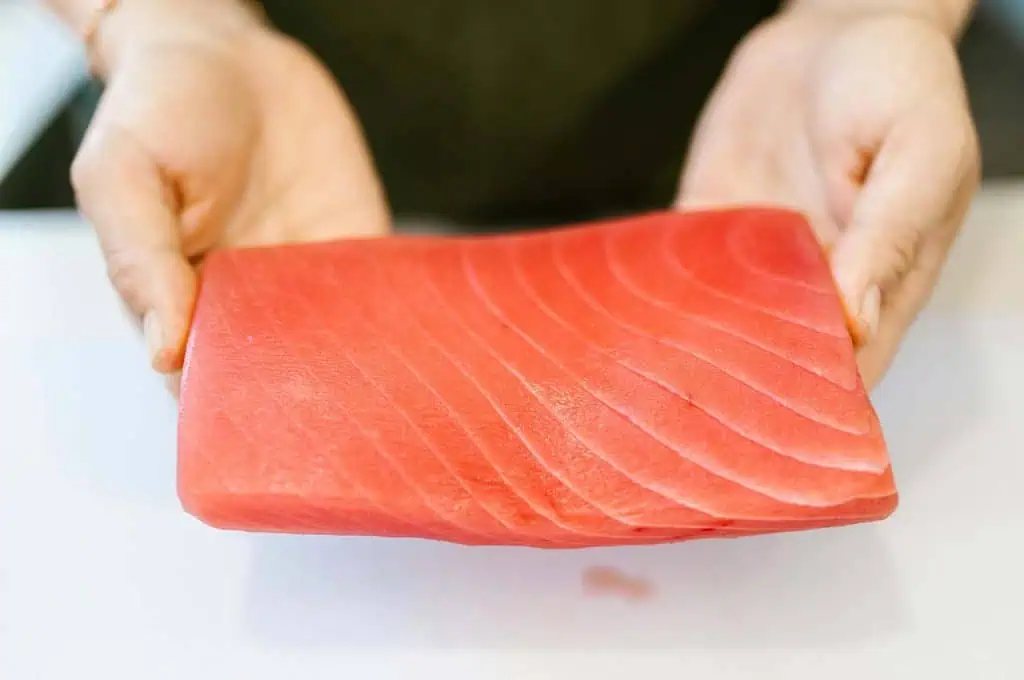
Farm-raised salmon is a convenient and widely-consumed choice in the U.S., but it’s banned in countries like Australia and New Zealand due to concerns over artificial coloring and high levels of contaminants. To boost production, these fish are often kept in crowded conditions and fed diets high in antibiotics. For cooks, exploring wild-caught alternatives can provide a richer flavor profile and improved nutritional quality. Opt for grilling to enhance the natural oils and ensure a crisp texture.
Chlorine-Washed Chicken: Clean or Concerning?

Chlorine-washed chicken, a staple in American grocery stores, is restricted in the European Union where it’s viewed as a substitute for stringent hygiene standards. The washing process aims to kill pathogens but raises questions about masking broader hygiene issues in poultry production. Achieving crisp, juicy results at home starts with sourcing high-quality, local poultry if possible, and properly handling and seasoning the bird before cooking. Roasting and brining are techniques that enhance flavor and texture.
Ractopamine Pork: The Additive Debate

Widely used in U.S. pork production, ractopamine is banned in multiple countries, including China and the EU, over animal welfare and health concerns. This feed additive promotes leanness but introduces safety debates. Opting for pork free of ractopamine can enhance taste and ethical appeal. When preparing pork, use methods like slow-roasting or sous vide to retain moisture and enhance tenderness, pairing with spices like rosemary or thyme for depth.
GMO Corn: Engineering Controversy

Genetically modified corn is prevalent in America, designed to resist pests and herbicides. However, it faces restrictions in nations like France and Germany due to environmental and health concerns. For home cooks, seeking out non-GMO or organic corn can offer peace of mind and often a sweeter kernel. Techniques such as grilling or sautéing emphasize its natural sugars, providing a delectable, smoky flavor perfect for salads or salsas.
Artificial Dyes: Colors of Concern
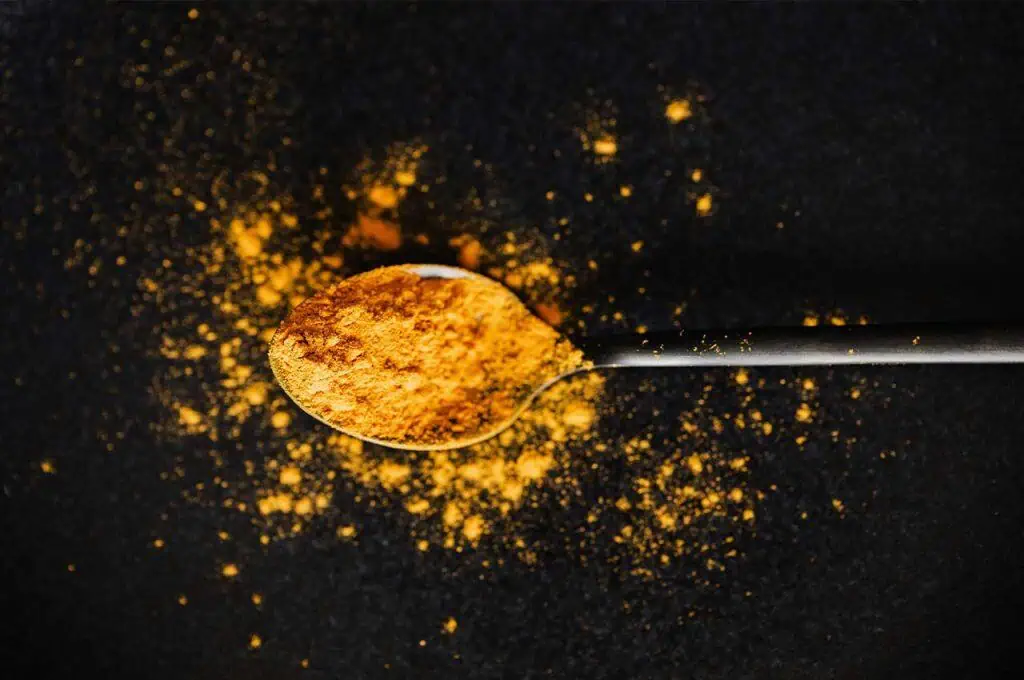
Artificial dyes are found in many processed foods to enhance visual appeal, yet certain colors raise health concerns. For home cooks, opting for naturally sourced alternatives like beet juice for reds or turmeric for yellows can maintain vibrancy without synthetic risks. Many artificial dyes, such as Yellow No. 5 and Red No. 40, are banned in countries like Norway and Austria due to potential links to allergies and hyperactivity. Understanding labels and using whole, unprocessed ingredients where possible not only promotes health but can encourage creativity in cooking.
Brominated Vegetable Oil: A Fizzy Problem

Brominated vegetable oil (BVO) is often used in citrus-flavored sodas to keep ingredients from separating, but its safety is debated. Banned in countries like Japan and the European Union, BVO can accumulate in fatty tissue, potentially causing health issues. Home chefs looking to avoid BVO can craft their own beverages using fresh fruits and herbs, allowing flavors to meld naturally. This not only reduces chemical intake but elevates the beverage-making experience to a more artisanal level, offering richer, more authentic taste profiles.
Potassium Bromate: The Bread Dilemma
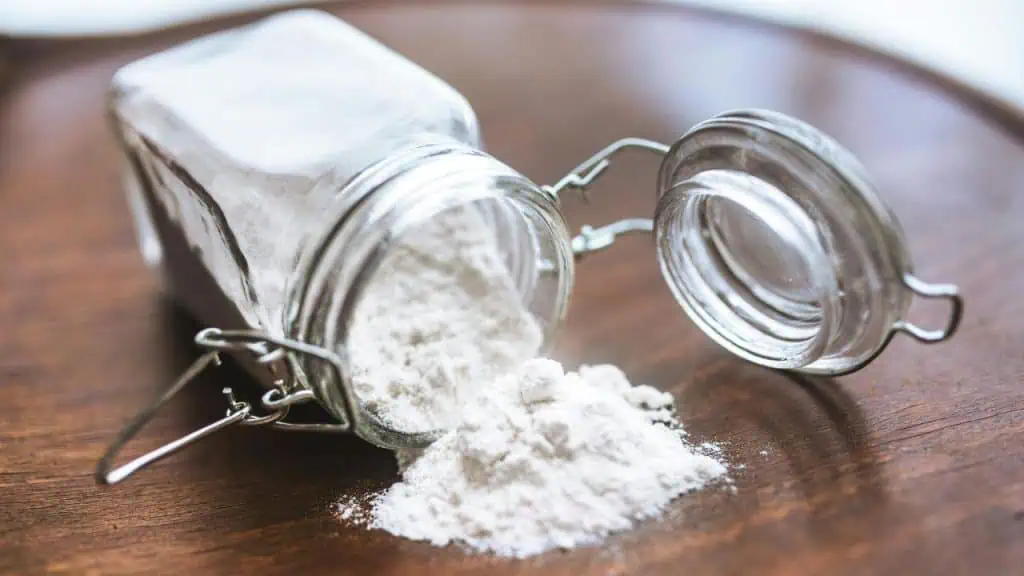
Potassium bromate is a flour additive used to improve dough elasticity and volume, but it’s recognized as a potential carcinogen and is banned in countries including the UK and Canada. By choosing bromate-free flour or exploring unbromated organic flours, bakers can make safer bread without sacrificing quality. Mastering techniques like delayed fermentation or sourdough starter not only enhances flavor and texture but provides a chemical-free path to superior homemade breadmanship, emphasizing the joys of artisanal baking.
rBGH-Treated Milk: Growth Hormone Controversy

Recombinant bovine growth hormone (rBGH) is used to increase milk production in cows, but its use is banned in the EU and Canada due to animal welfare and possible health concerns. Consumers can opt for organic or rBGH-free milk, ensuring a natural product with no added hormones. This choice supports small-scale dairy farms and results in milk with a richer, cleaner taste. When using milk in recipes, selecting high-quality, hormone-free options enhances the final dish, reflecting care in ingredient selection.
Azodicarbonamide: The Bleached Flour Debate

Azodicarbonamide is employed in bread baking to bleach flour and condition dough but is banned in Australia and the EU due to health concerns. It’s linked to respiratory issues when inhaled in an industrial setting. Opting for unbleached flour in baking can mitigate these risks and lead to better-tasting bread with a natural look. Delve into age-old techniques like long fermentation to develop gluten naturally, resulting in a more complex, flavorful loaf. This approach values traditional methods, offering healthful and safe baking solutions.
Food Preservatives: BHA and BHT Risks

BHA and BHT are common preservatives used in cereals and snack foods, prized for their ability to extend shelf life. However, these additives raise health concerns due to potential links with cancer and their impact on the endocrine system. When checking ingredient labels, look for these names or their full designations: butylated hydroxyanisole (BHA) and butylated hydroxytoluene (BHT). Opt for natural alternatives like rosemary extract, which offers similar antioxidant properties without the associated risks.
Olestra: The No-Fat Substitute Saga

Olestra once promised guilt-free indulgence by allowing for fat-free chips and snacks without compromising taste. However, it can cause digestive issues, including cramps and diarrhea, by inhibiting the absorption of essential vitamins. Health professionals advise monitoring its intake or looking for snacks utilizing healthier oils high in mono- and polyunsaturated fats. Check labels for Olestra or its brand name, Olean, to avoid unexpected side effects.
Mountain Dew: More Than Just Caffeine
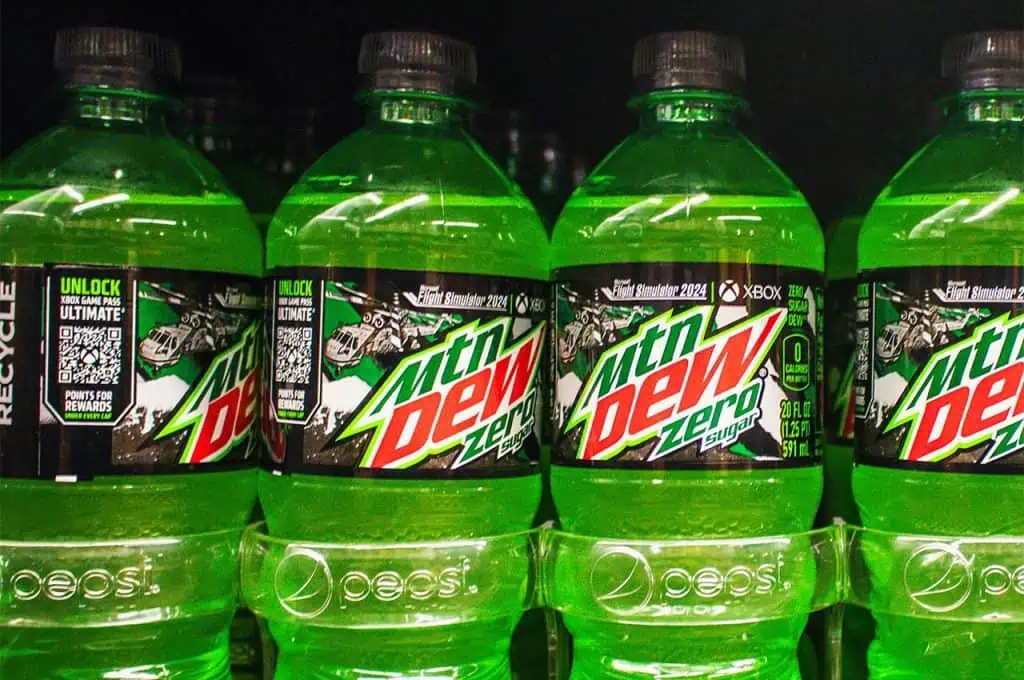
Mountain Dew’s bright allure comes with questionable ingredients like brominated vegetable oil (BVO), which helps keep its flavor consistent. BVO can lead to an accumulation of bromine, affecting the nervous system and potentially disrupting normal thyroid function. Instead of fueling your day with this infamous soda, switch to beverages using natural flavors and caffeine sources, such as teas or infused waters, for a refreshing energy boost.
Skittles & Titanium Dioxide: A Sweetened Concern

Titanium dioxide, an additive used for its whitening properties, is a staple in colorful candies like Skittles. Its inclusion raises health alarms due to its potential role in DNA damage and inflammatory bowel disease. To mitigate risks, select treats from brands that prioritize natural colorants derived from fruits and vegetables. These alternatives can offer the same vibrant appeal while maintaining consumer safety.
Instant Mashed Potatoes: Preservative Problems

Instant mashed potatoes provide quick convenience but often contain preservatives like sodium bisulfite, which may provoke allergic reactions and respiratory issues. For a healthier approach, consider simple scratch-made mashed potatoes using fresh, boiled potatoes, butter, and milk. By doing so, you control not only flavor and texture but also any added ingredients, ensuring a clean, wholesome dish devoid of unnecessary additives.
