
The Taste of Time: How Our Cravings Change with Every Decade
Culinary preferences evolve with time, reflecting shifts in culture, technology, and lifestyle. Each decade brings its unique flavor profiles and trends that define and transform our palates. Understanding these changes helps us appreciate how diverse and dynamic food culture is. In “The Taste of Time,” we explore how each era shaped the way we eat, uncovering why certain dishes gained popularity and how they influenced the way we cook today. Dive into this exploration to discover the milestones in culinary history that led to what we enjoy now.
The 1950s: Comfort and Casserole Culture

The 1950s saw the rise of casseroles as staples of comfort food, seamlessly blending convenience and taste. With the post-war boom, home cooks embraced pre-packaged and canned ingredients, simplifying meal preparation. Casseroles like tuna noodle and green bean became family favorites, merging flavors in delicious layers. Baking these dishes brought out textures that were hearty and filling, perfect for family gatherings. Emphasizing ease without sacrificing flavor set the stage for inventive yet comforting meals that home cooks could replicate with minimal fuss.
The 1960s: TV Dinners’ Convenient Rise

The 1960s introduced the practicality of TV dinners, a revolution in quick dining. Designed for busy families, these meals offered a full plate of food with none of the preparation mess. The innovation highlighted the importance of time-saving solutions in the kitchen. Each compartment held portions that retained distinct flavors, from savory meat to sweet dessert. Oven-baking preserved the textures while freeing homemakers for other tasks. This era underscored the appeal of convenience in meal planning, paving the way for future advancements in food technology.
The 1970s: Fondue, Jell-O, and Experimentation

In the 1970s, culinary curiosity flourished with fondues and creative gelatin dishes. Fondue parties became a social staple, immersing bread and meats in rich, melted cheeses that encouraged communal dining. Jell-O mold creations, vibrant and customizable, allowed home cooks to experiment with flavors and presentations. This era embraced playfulness in cooking, encouraging both interaction and personalization. Whether dipping, molding, or mixing, the emphasis was on creating memorable eating experiences that celebrated gathering and creativity.
The 1980s: Fast Food and Microwave Magic

The 1980s marked a shift towards speed and convenience, led by the popularity of fast food and microwave cooking. The microwave oven emerged as a household essential, revolutionizing meal prep with quick reheating and cooking. Fast food chains expanded, presenting meals that were not only fast but reliable in taste and quality. This decade celebrated bold flavors and the marriage of technology with food, offering shortcuts that resonated with fast-paced lifestyles. It was a transformative time that welcomed both efficiency and indulgence, reshaping everyday dining habits.
The 1990s: Snack Packs and Super-Sizing
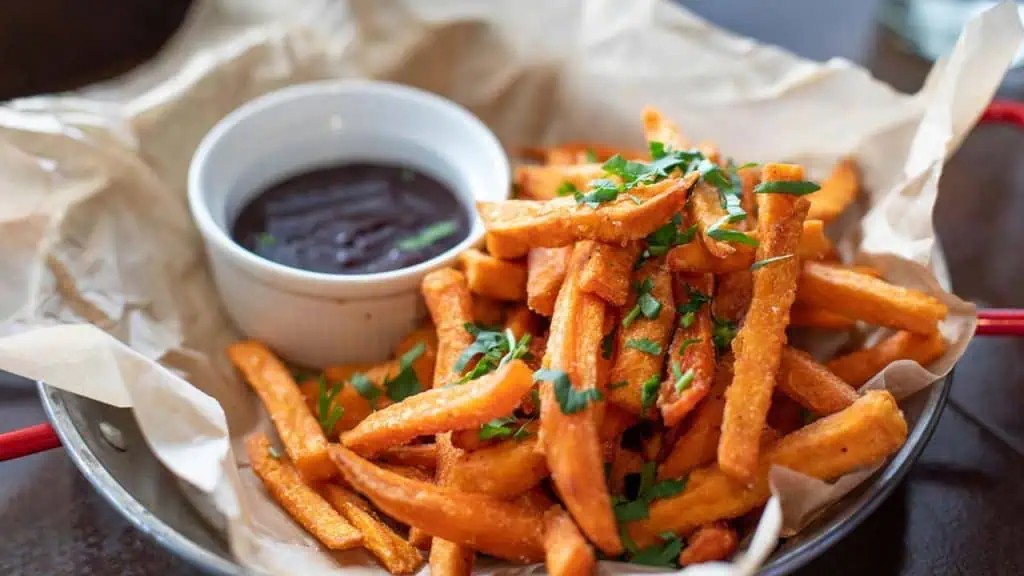
In the 1990s, snack packs became ubiquitous, offering convenient options that tantalized taste buds. The era was defined by super-sized portions and an emphasis on fast food as a lifestyle. Focus on creating your version of popular 90s snacks with a balanced twist. For instance, replicate oven-baked fries seasoned with a garlic and herb mix to add depth. Consider fresh salsa with diced tomatoes and cilantro for a healthier twist on nacho cheese dips. Embrace the era’s love for bold flavors while emphasizing homemade, portion-controlled delights.
The 2000s: Low-Carb and Organic Trends

The early 2000s ushered in a wave of low-carb diets and the rise of organic ingredients. To mirror this period’s focus on healthier living, explore a zucchini noodle salad with pesto and cherry tomatoes, highlighting fresh, organic produce. Consider incorporating almond flour in baking for grain-free options, such as a low-carb loaf with sunflower seeds for texture. Adapting recipes to include low-carb alternatives while using organic ingredients not only reflects the decade’s trends but enhances the nutritional value of meals.
The 2010s: Avocado Toast and Instagram

The 2010s marked a culinary shift towards simplicity elevated by visual appeal, epitomized by the ubiquity of avocado toast. Mastering this begins with perfectly ripe avocados spread on rustic sourdough. Top with poached eggs, chili flakes, and a sprinkle of freshly cracked pepper for contrast. The focus is on fresh, quality ingredients, beautifully presented. Embrace experimentation by adding elements like roasted cherry tomatoes or a drizzle of balsamic glaze. This approach delivers both flavor and the Instagram-ready aesthetic that defined the decade.
The 2020s: Health, Sustainability, and Tech
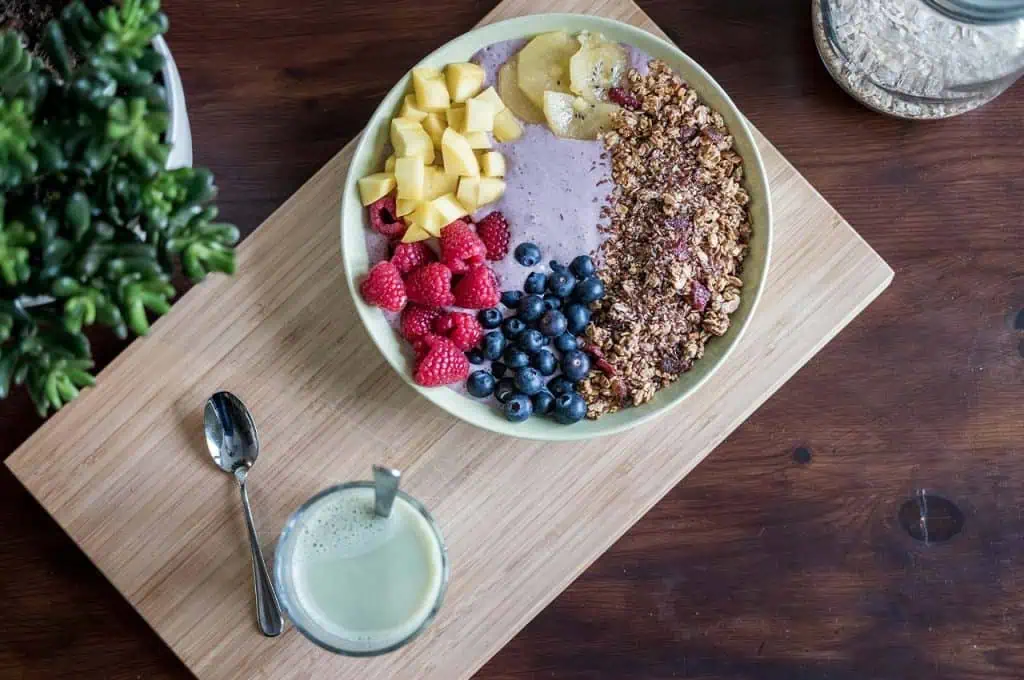
In the 2020s, culinary focus shifted towards health, sustainability, and tech innovations. Create a plant-based Buddha bowl with quinoa, roasted chickpeas, and seasonal vegetables, showcasing commitment to nutritious and environmentally friendly choices. Consider integrating tech-driven kitchen gadgets like air fryers, which maintain flavor while reducing oil. Fermentation techniques, like making kombucha or kimchi, connect traditional practices with modern health trends. Enhance your cooking repertoire by prioritizing dishes that reflect sustainability and technological advancements.
