
Americans Are Finally Discovering These 8 Middle Eastern Pantry Staples (And They’re Not Going Back)
Americans are increasingly embracing Middle Eastern pantry staples, enhancing their cooking repertoire with bold, nuanced flavors. These ingredients, celebrated for their versatility and depth, offer home cooks exciting ways to reinvent everyday dishes. As these ingredients become more mainstream, they pave the way for a richer culinary experience, encouraging cooks to experiment and innovate in their kitchens.
Unlock Flavor with Za’atar

Za’atar is a rich blend of herbs, often including thyme, sumac, and sesame seeds, delivering a savory, earthy aroma that elevates dishes. Sprinkle it over roasted vegetables or flatbreads to impart a herby complexity, or mix with olive oil for a fragrant dip. It complements meats beautifully, especially when used as a rub for grilled chicken or lamb, adding a distinctive flavor that resonates with any dish.
Tahini: Beyond Hummus
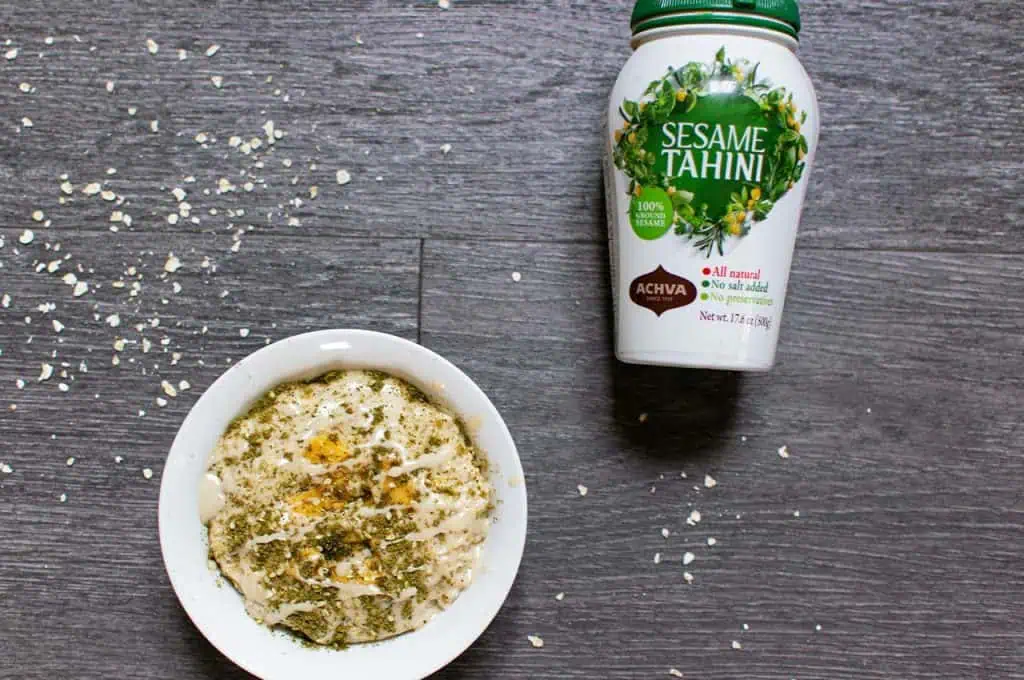
Tahini, a paste made from ground sesame seeds, is wonderfully creamy with a nutty undertone, extending well beyond its role in hummus. It serves as a luscious base for dressings and sauces, offering a depth of flavor that pairs well with lemon and garlic. Incorporate it into baked goods for a rich consistency or blend it into smoothies for added creaminess. Its adaptability makes tahini a must-have for culinary explorers.
Pomegranate Molasses: Sweet & Tangy Delight
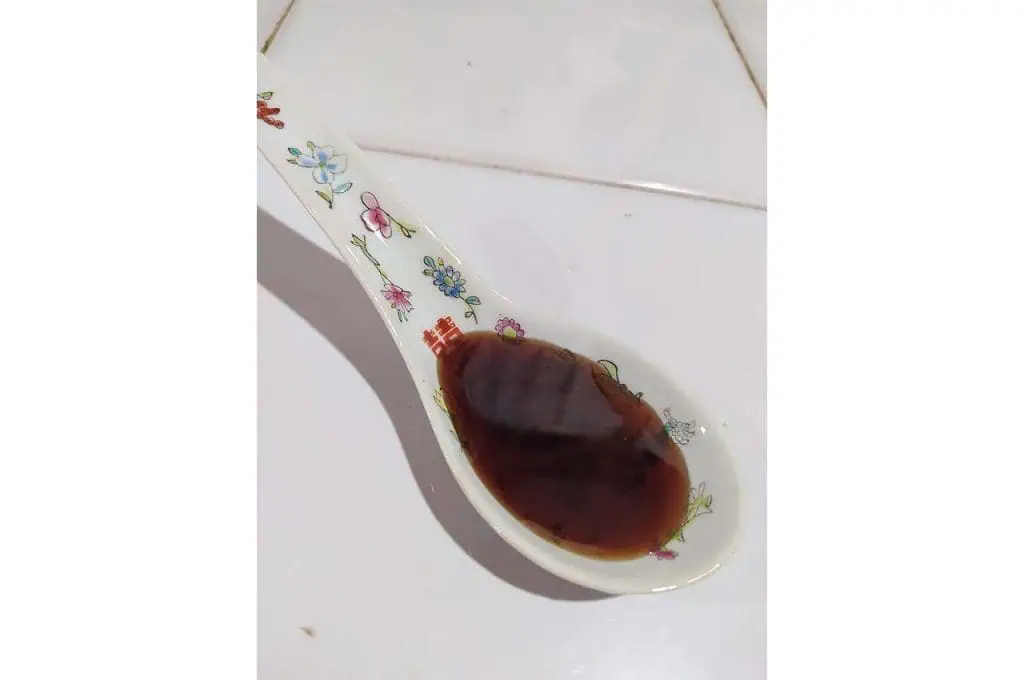
Pomegranate molasses is a syrupy reduction that captures the tart essence of pomegranates. This potent elixir enriches salad dressings and marinades with its sweet-tart flavor. A drizzle can enliven grilled meats or roasted vegetables, providing a subtle, fruity complexity. Balance its tanginess with olive oil or hone in on its sweetness through desserts, showcasing its unique duality in taste.
Sumac: The Citrus Spice Twist
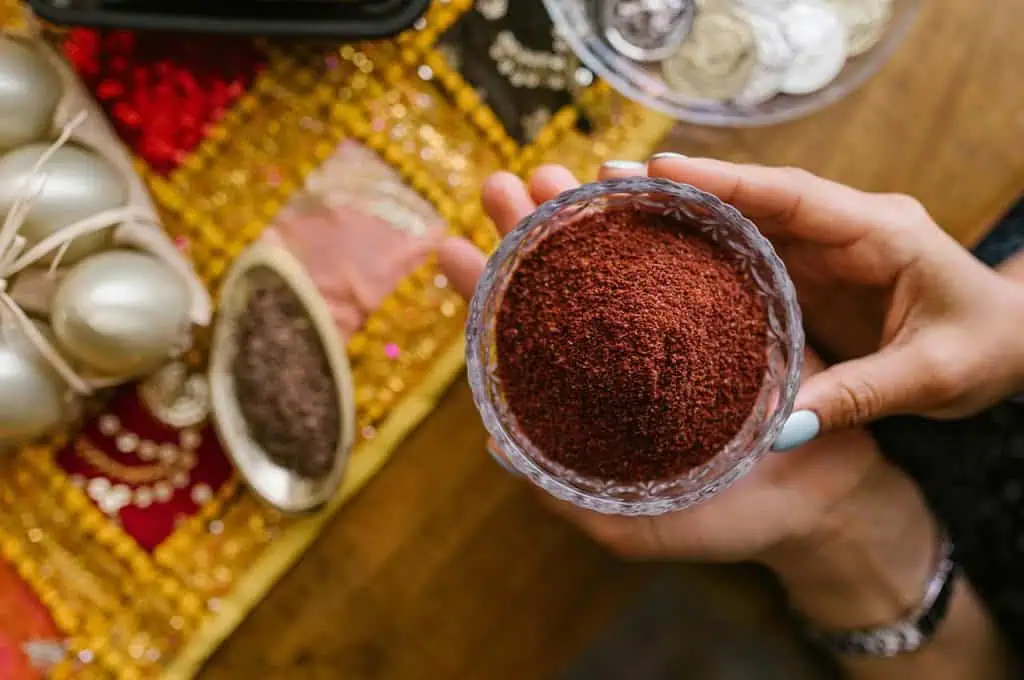
Sumac, a spice ground from dried berries, imparts a vibrant, lemony flavor without the acidity. Its deep red hue brightens dishes visually while its flavor profile enhances salads, grilled meats, and dips. Use sumac as a final flourish over roasted potatoes or as a fundamental seasoning in spice rubs. Its fresh, citrus-like taste complements a variety of foods, making it an essential addition to spice racks.
Harissa: Spice Up Your Life

Harissa is a fiery blend of chilies, garlic, and spices, offering a complex heat to dishes. To unlock its full potential, toast whole spices like coriander and caraway seeds gently before grinding. This enhances their aroma, creating a robust paste when mixed with olive oil. Adding harissa to marinades introduces bold flavors to meats or vegetables. For a balanced dish, combine with soothing ingredients like yogurt or lemon juice. Harissa’s versatility makes it a staple for those craving depth and warmth in their cooking.
Freekeh: The Ancient Grain Rising

Freekeh is a roasted young wheat, offering a nutty flavor and chewy texture. Rinse thoroughly before cooking to remove any dust. Simmer in a measured amount of salted water or broth until tender. This grain absorbs flavors well, making it ideal as a base for salads or pilafs. Combine with roasted vegetables and a citrusy vinaigrette for a refreshing side. Packed with fiber and protein, freekeh not only enhances your dish nutritionally but also adds a satisfying bite.
Labneh: The Creamy Indulgence
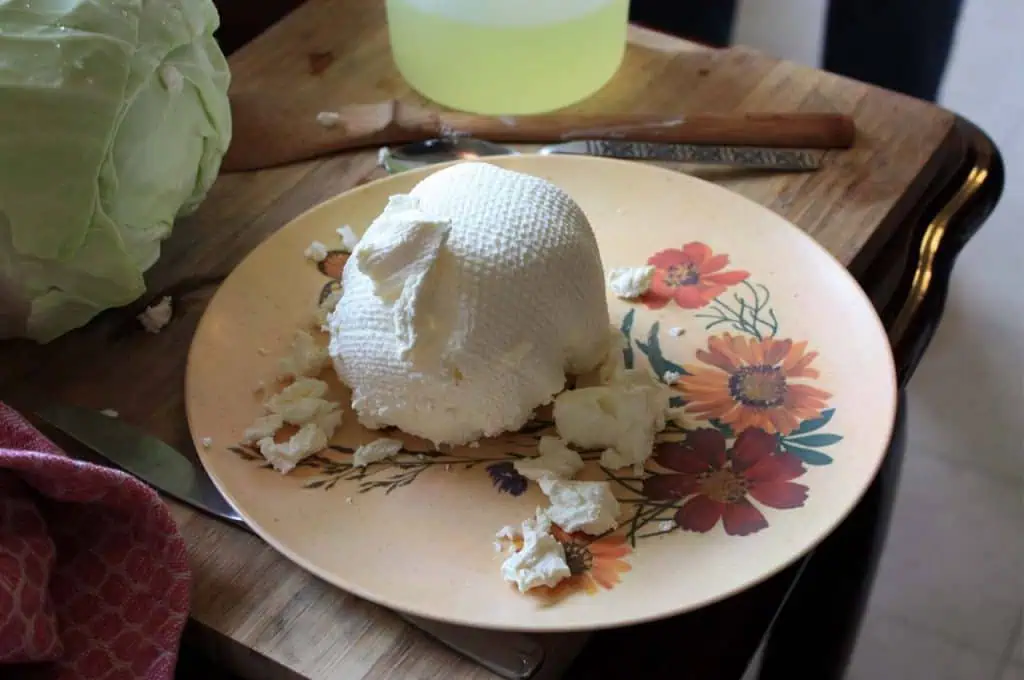
Labneh is a strained yogurt cheese, prized for its smooth texture and tangy taste. To make it at home, use high-quality whole milk yogurt. Drain through a cheesecloth overnight with a pinch of salt to achieve a creamy consistency. This thick spread is perfect drizzled with olive oil and sprinkled with za’atar or sumac. Serve with warm bread or as part of a mezze platter. Labneh’s richness pairs beautifully with sweet or savory toppings, making it versatile across meals.
Aleppo Pepper: Mild Heat, Rich Flavor

Aleppo pepper flakes offer a balanced, fruity warmth suited for delicate palates. Less intense than traditional chili flakes, they bring a mild heat with underlying fruity notes. Use them to elevate dressings, sauces, or rubs. Toast gently to heighten their unique flavor before incorporating into dishes. Aleppo pepper’s vibrant red hue and consistent heat level make it ideal for those new to spicy foods, providing subtlety and complexity in every pinch.
