
10 Foods That Should Never Go in the Freezer (and Why)
Freezing foods can be a great way to preserve their freshness, but not all ingredients respond well to icy temperatures. Understanding which items don’t freeze well can save your culinary endeavors from unwanted textures and flavors. Here, we explore ten foods that should never go in the freezer and explain why keeping them out ensures the best taste and quality.
Say No to Freezing Eggs
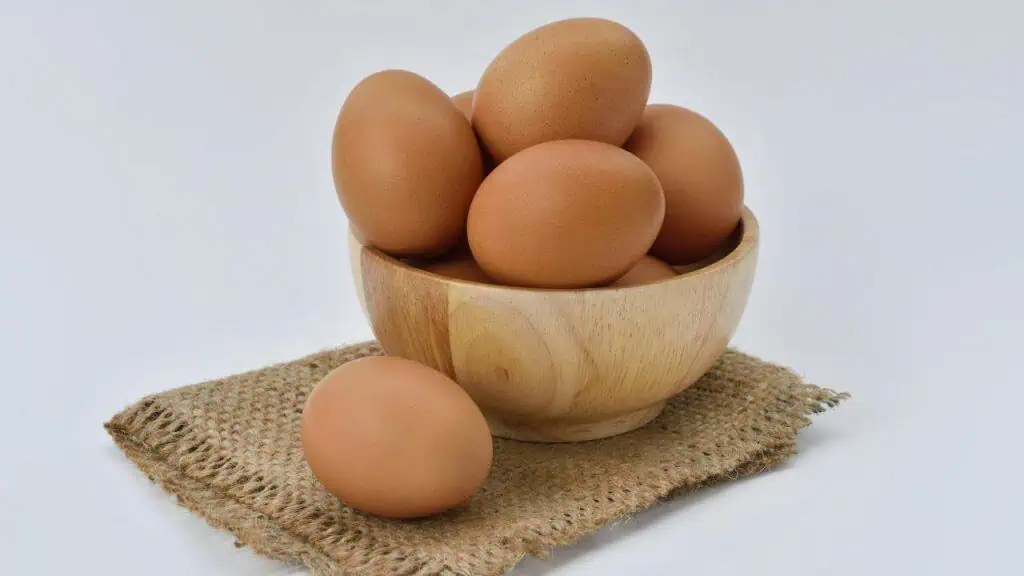
When raw eggs are frozen in their shells, they expand, causing the shell to crack and creating a mess. Even eggs removed from their shells suffer; the yolks thicken, and their ability to emulsify diminishes, leading to a gritty texture once thawed. For preserving eggs, consider other methods, like dehydrating or using them in cooked dishes.
The Dairy Dilemma: Milk & Cream

Milk and cream change significantly when frozen due to fat separation. Upon thawing, they often become grainy, with fat clumps that refuse to reincorporate smoothly. This texture is far from the silky consistency you expect in coffee or sauces. Instead, plan to use fresh milk and cream, or purchase products meant for long-term refrigeration if needed.
Leafy Greens: No Frost, Please
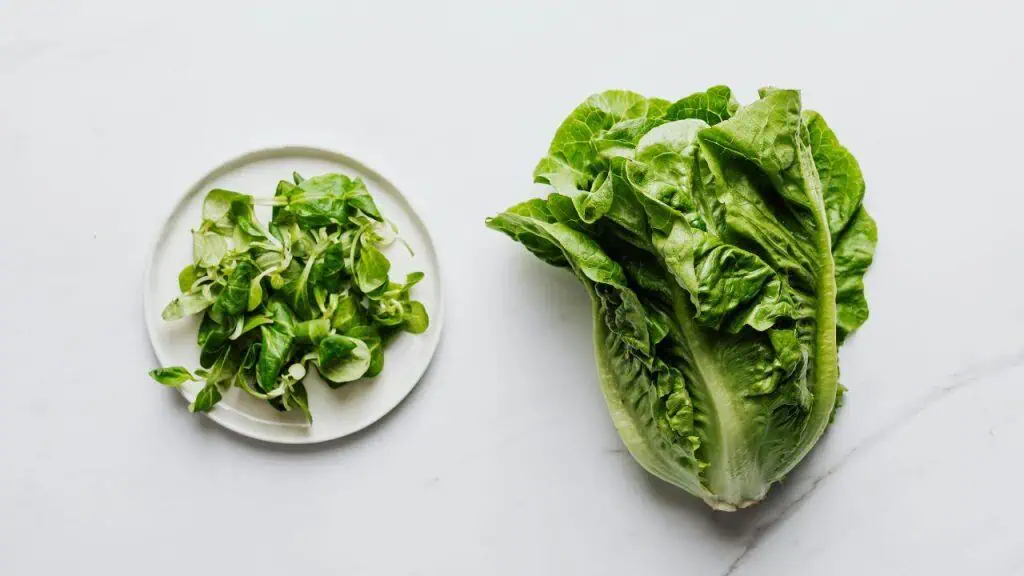
Leafy greens like lettuce and spinach suffer from cellular damage when frozen, leading to a mushy consistency once thawed. Their delicate structure doesn’t hold up to freezing well, resulting in a texture that’s far from appetizing. Use these greens fresh in salads and sandwiches to maintain their crispness and vibrant flavor.
Herbs Lose Their Flavor

Fresh herbs are best enjoyed when their oils are fully intact, but freezing causes flavor compounds to break down. What remains is often dull and muted, with a lack of the aromatic punch you expect. To preserve them, consider drying or using them in compound butters, which safeguards the fragrant oils better than freezing ever could.
Fried Foods Get Soggy

Freezing fried foods can wreak havoc on their texture. The crisp exterior you relish turns limp as ice crystals form during freezing and melting. When reheated, instead of regaining their inviting crunch, fried items absorb moisture, resulting in a soggy, unappetizing bite. To maintain the crispness, cook them fresh and consume promptly. If you must store leftovers, a better option is to refrigerate and reheat in an oven or air fryer, which helps revive some of the original texture while minimizing moisture.
Cucumbers and Their Watery Woes

Cucumbers lose their appealing crunch and fresh flavor in the freezer due to their high water content. Freezing causes the water inside them to expand, rupturing cell walls and leaving behind a mushy, watery mess upon thawing. These veggies are best enjoyed fresh in salads or sandwiches, where their crisp texture and refreshing flavor shine. To preserve cucumbers, consider quick pickling instead, enhancing their longevity and providing a delightful tang without compromising texture.
Canned Goods: Unfreezing Guilt
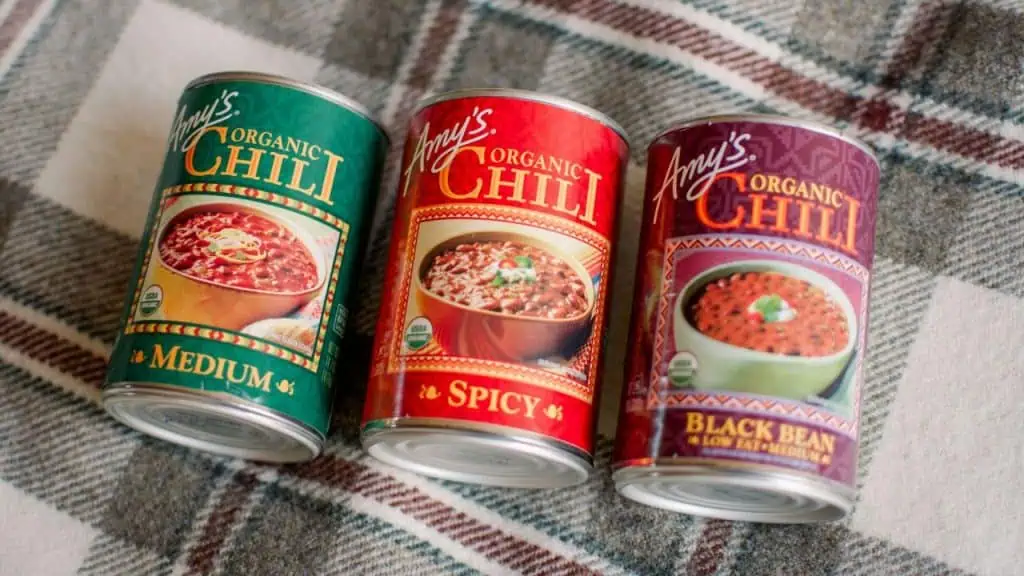
Canned foods have a long shelf life and should not be stored in the freezer. The liquid inside cans expands when frozen, potentially causing the cans to crack or burst, thus compromising food safety. This risk applies to unopened cans, which are already designed for extended storage. Instead, keep canned goods in a cool, dry pantry. If you have leftovers from opened cans, transfer them to airtight containers before refrigerating to avoid spoilage and retain quality.
Yogurt Isn’t a Freezer Fan
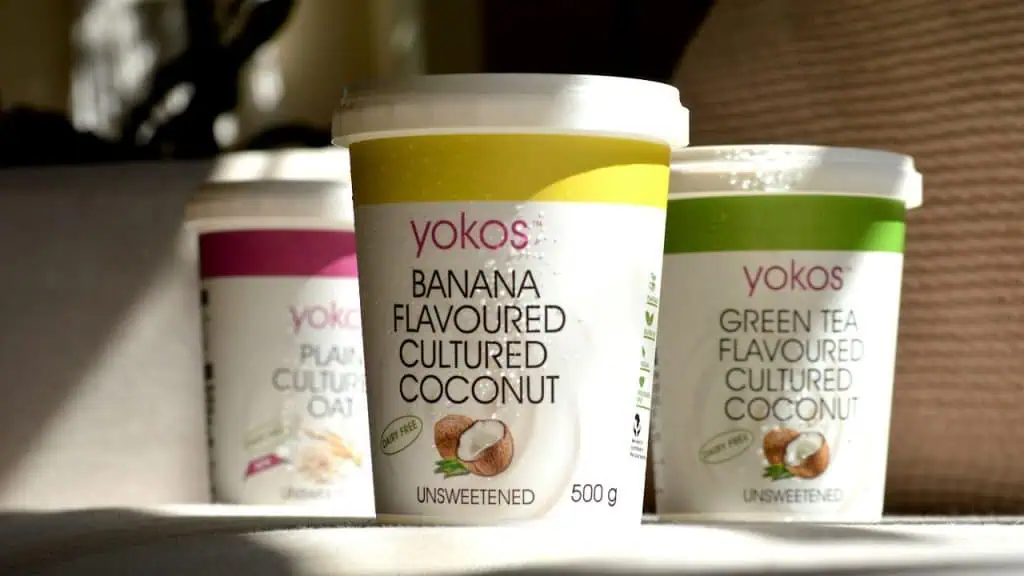
Yogurt changes detrimentally in the freezer, as its creamy, smooth texture gives way to a grainy, separated mixture after thawing. Freezing destabilizes the proteins and emulsifiers, leading to an unpalatable texture split and loss of its pleasant mouthfeel. For a chilled treat, consider making frozen yogurt, which is formulated to withstand freezing. Otherwise, store yogurt in the refrigerator and consume before the expiration date to enjoy its intended creamy consistency and tangy flavor.
Pasta and the Texture Trap

Cooked pasta tends to lose its desired texture when thawed after being frozen. The starchy structure breaks down, resulting in a mushy, unappealing outcome. To maintain pasta’s firmness, cook it al dente and serve fresh. If you have leftover pasta, refrigerate it and add a splash of olive oil to prevent clumping. Reheat gently on the stove with a bit of sauce to restore warmth without sacrificing texture. Only freeze pasta if it’s part of a casserole or soup where texture changes are less noticeable.
Saucy Stir Fry: A Freezer Foe

Freezing stir-fried dishes may seem convenient, but the process can drastically alter their texture and taste. The high moisture content in the vegetables and sauce becomes a problem; ice crystals form and break down the cell structure, leading to mushy, waterlogged results upon thawing. Additionally, sauces often separate and lose their intended flavor balance. To preserve the vibrant texture and freshness integral to stir fry, it’s best prepared fresh. If you need to store leftovers, refrigerate them for short-term use, reheating gently over a skillet to revive flavor and finish.
