
7 Global Food Trends Quietly Redefining the American Plate
The American culinary landscape is evolving, embracing diverse global influences that subtly shape our dining experiences. These trends offer fresh ingredients and techniques that enhance traditional dishes. Exploring popular elements like gochujang, olive oil, umami, and matcha can redefine your culinary repertoire with vibrant, authentic flavors. Here, we delve into these seven global influences, providing insights and practical tips to seamlessly integrate them into everyday cooking.
Korean Heat: Gochujang and Fermented Spice

Gochujang, a staple in Korean cooking, is a fermented red chili paste that balances heat with sweetness and umami. Incorporate it into marinades for a spicy kick on grilled meats, or blend it into sauces for an intricate depth of flavor. When using gochujang, note that a little goes a long way. Enhance this with other fermented elements like kimchi or doenjang for layered complexity in stews and soups. Experiment with fermentation times to adjust intensity, adding a robust twist to familiar dishes.
Mediterranean Revival: Olive Oil and Grains

Olive oil continues to be a cornerstone of Mediterranean cuisine, celebrated for its rich flavor and health benefits. Select high-quality, cold-pressed varieties for a pronounced, fruity aroma that enhances salads and pasta dishes. Pair with grains like farro or bulgur, cooking them to a tender chewiness to complement roasted vegetables or lean proteins. Emphasize freshness by garnishing with herbs such as basil or oregano, drawing out the oil’s natural vibrancy and the grains’ earthy notes.
Japanese Minimalism: Umami and Matcha

Embodying simplicity, Japanese cuisine focuses on umami, the savory essence found in miso, soy sauce, and bonito flakes. To highlight this, create broths or glazes that emphasize these ingredients’ natural depth. Matcha, with its earthy bitterness, pairs well with sweet desserts or even marinades for poultry. Blend matcha with creamy bases to balance its potency, ensuring a smooth, nuanced finish. The harmony of these ingredients invites authenticity into light, elegant dishes.
Latin Fusion: Birria Tacos and Ceviche
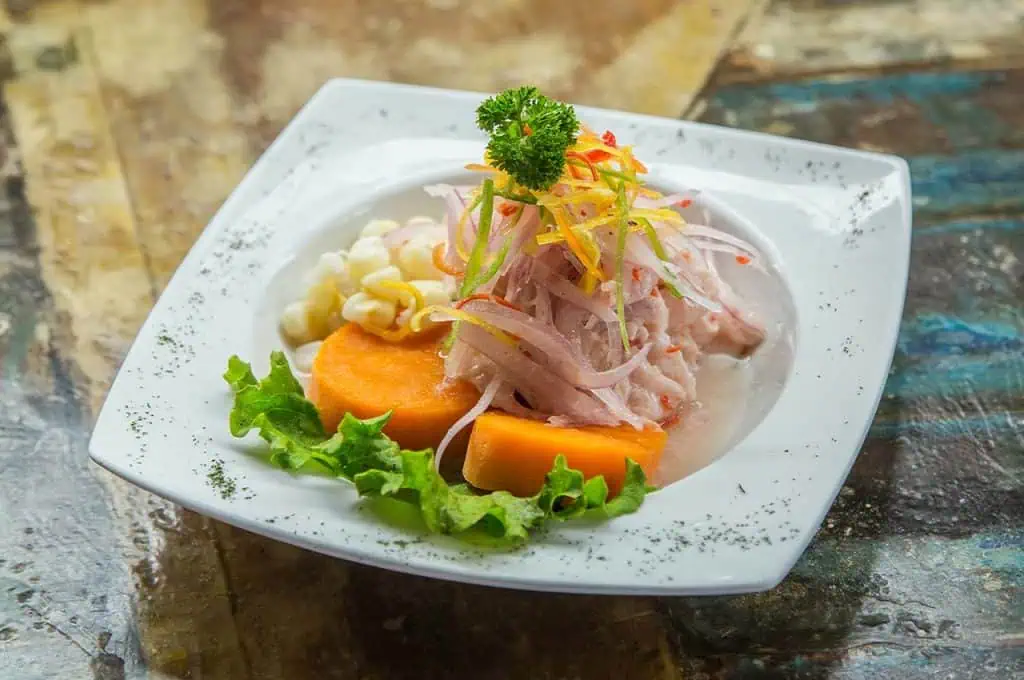
Latin flavors bring excitement through bold spices and vibrant presentations. Birria tacos, with tender, slow-cooked meat steeped in a richly spiced broth, deliver intense satisfaction. Perfect the process by lightly crisping the tortillas in the meat’s own fat, creating a delightful textural contrast. For ceviche, precision with lime juice and fresh fish is key. Allow ample marination time for the citrus to gently “cook” the fish, enhancing it with cilantro and a hint of chili for freshness and mild heat.
Middle Eastern Influence: Tahini and Za’atar
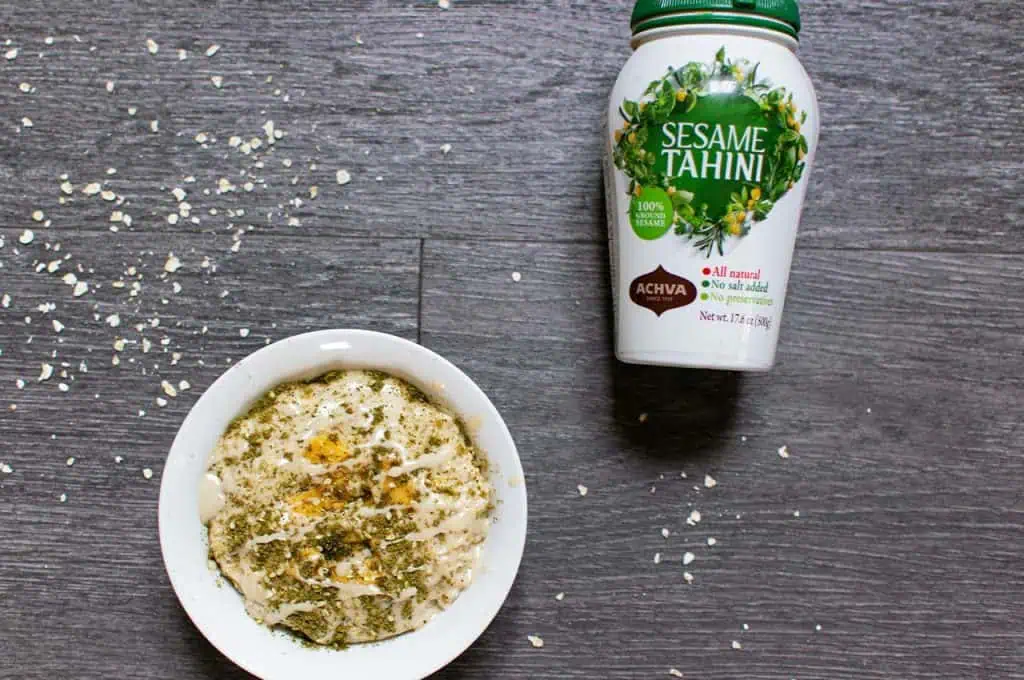
Tahini, a creamy paste made from ground sesame seeds, has found its place beyond hummus into dressings and marinades, adding a rich nutty undertone to dishes. Combine a spoonful with lemon juice and garlic for an exceptional salad dressing that complements roasted vegetables. Za’atar, a blend of herbs like thyme, sumac, and sesame seeds, lends a fragrant, earthy taste to roasted chicken or flatbreads. Use these ingredients to infuse authentic Middle Eastern flair into your cooking with minimal effort.
Indian Comfort: Curry and Warm Spice
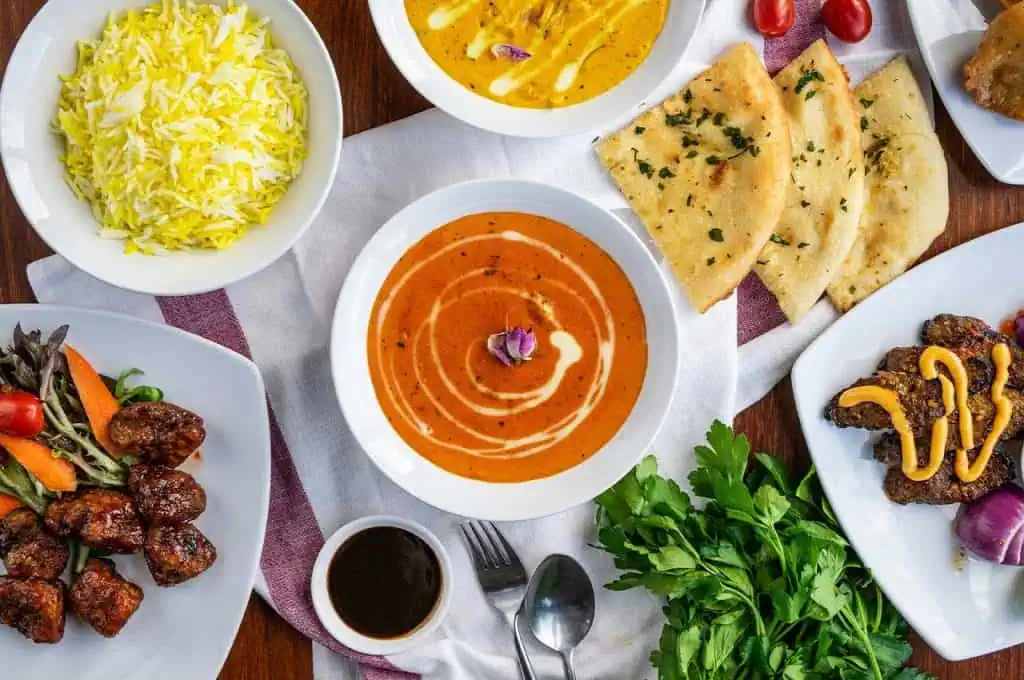
Indian cuisine offers a palette of warm, aromatic spices that enrich comfort cooking. Curry, whether in powder or paste form, introduces layers of flavor. Sauté it with onions and garlic to start a base for stews or soups. Embrace spices like cumin, coriander, and turmeric to transform simple ingredients into a tapestry of taste. For a soothing blend, try a mild butter chicken or a vibrant dal, allowing the spices to gently soak into the dish, creating depth and inviting warmth to your meals.
Nordic Simplicity: Clean Eating with Rye

The Nordic emphasis on simplicity and purity is encapsulated in rye bread, known for its dense, slightly sour profile. High in fiber and flavor, it’s ideal for open-faced sandwiches topped with smoked fish or tangy pickles. Enhance your meals with other traditional elements like fermented vegetables, providing probiotics and a tangy crunch. Embrace this clean eating ethos by focusing on fresh, quality ingredients that highlight natural flavors without unnecessary embellishments.
