
6 Kitchen Habits that Seem Polite but Quietly Annoy Everyone
Certain kitchen habits, often intended as polite gestures, can disrupt the cooking flow or dining experience. Understanding these nuances can lead to a more harmonious time in the kitchen for everyone involved. Let’s explore these well-meaning habits and how to approach them more effectively.
Hovering: “Can I Help?” or Just Annoying?

Offering help in the kitchen should be timed thoughtfully. While the intention is noble, hovering can distract the cook, especially during critical preparation moments. A better approach is to ask once if assistance is needed, then step back if the answer is negative. Respect the chef’s workspace, allowing them to focus on the task at hand unless assistance is specifically requested.
Clearing the Table Prematurely

Taking dishes away too soon disrupts the meal’s flow and may signal that dining should hasten. It’s courteous to wait until everyone has finished before clearing plates. This allows guests to feel relaxed and not rushed. When it’s time, clear the table calmly, stacking plates quietly to maintain a pleasant atmosphere, showing attentiveness and respect for the dining experience.
Mid-Cook Dishwashing Dilemma

Washing dishes while cooking might seem efficient, but it can impede the process by taking away essential utensils and countertop space. Instead, create a designated dishwashing time once the active cooking is done. This tactic keeps the area organized without prematurely removing items still in use, streamlining kitchen operations and minimizing unnecessary stress for the cook.
Reaching Over: Breaking Personal Space
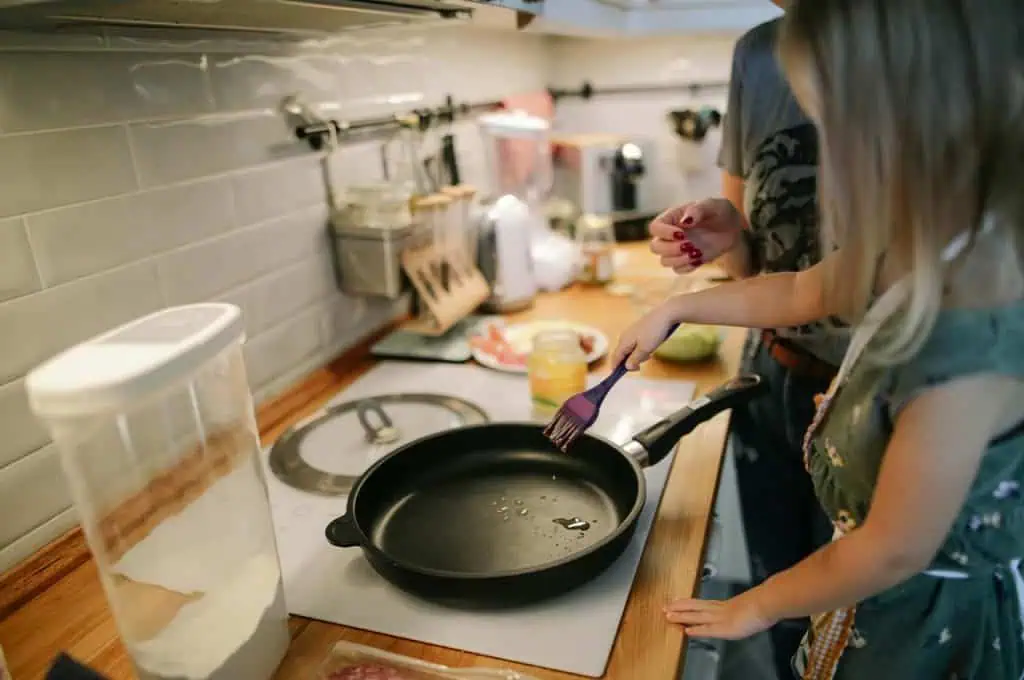
Reaching over someone in the kitchen breaks personal boundaries and can cause spills or accidents. To avoid this, kindly ask the person to pass the needed item. This ensures a safer and more comfortable environment. Preparing a mise en place beforehand can also help, as it organizes all necessary ingredients within easy reach, reducing the need to stretch across others in tight spaces.
Chatty Chefs: Phone Calls During Prep

Multitasking with phone calls during food preparation might seem efficient, but it disrupts focus and timing—key elements in cooking. Dice onions with precise uniformity, ensuring even caramelization, or whisk vinaigrette until perfectly emulsified without missing a beat. Prioritize undivided attention to achieve consistent textures and flavors. Engage fully with your ingredients and tools, optimizing your kitchen rhythm and mitigating the risk of errors or accidents.
Assuming Cleanup Duty Unsolicited

Jumping in to clean dishes while others cook might seem thoughtful but can disrupt the kitchen’s workflow. Instead, observe how tools are utilized. A chef juggling sauté pans and whisks might prefer to focus on flavors and not accessibility. Wait until they naturally pause or ask for assistance to coordinate an efficient cleanup. Recognize the need for uninterrupted space and flow, preserving the syncopation of meal preparation, and enabling the cook to execute their culinary vision efficiently.
