
How the Iran Conflict Is Pushing Produce Prices Higher
That tomato, cucumber, or bag of oranges may seem far removed from headlines about Iran, but global conflict has a way of showing up in the produce aisle. When energy markets jump, shipping gets riskier, and supply chains tighten, fresh food often gets more expensive fast. This gallery breaks down the real-world links between geopolitics and the price tags shoppers see at the store.
Oil prices ripple into food costs

One of the fastest ways conflict affects produce is through oil. When tensions involving Iran raise fears about supply disruptions, energy prices can climb almost immediately, and that pushes up the cost of diesel, gasoline, and fertilizer production.
Fresh produce depends on fuel at nearly every step. Tractors run on it, refrigerated trucks need it, and distribution centers burn through energy to keep fruits and vegetables cold and moving.
Unlike shelf-stable foods, produce has a short life span, so sellers can’t wait out higher costs for long. Those increases tend to show up quickly in wholesale prices and then on grocery store shelves.
Shipping routes become more expensive
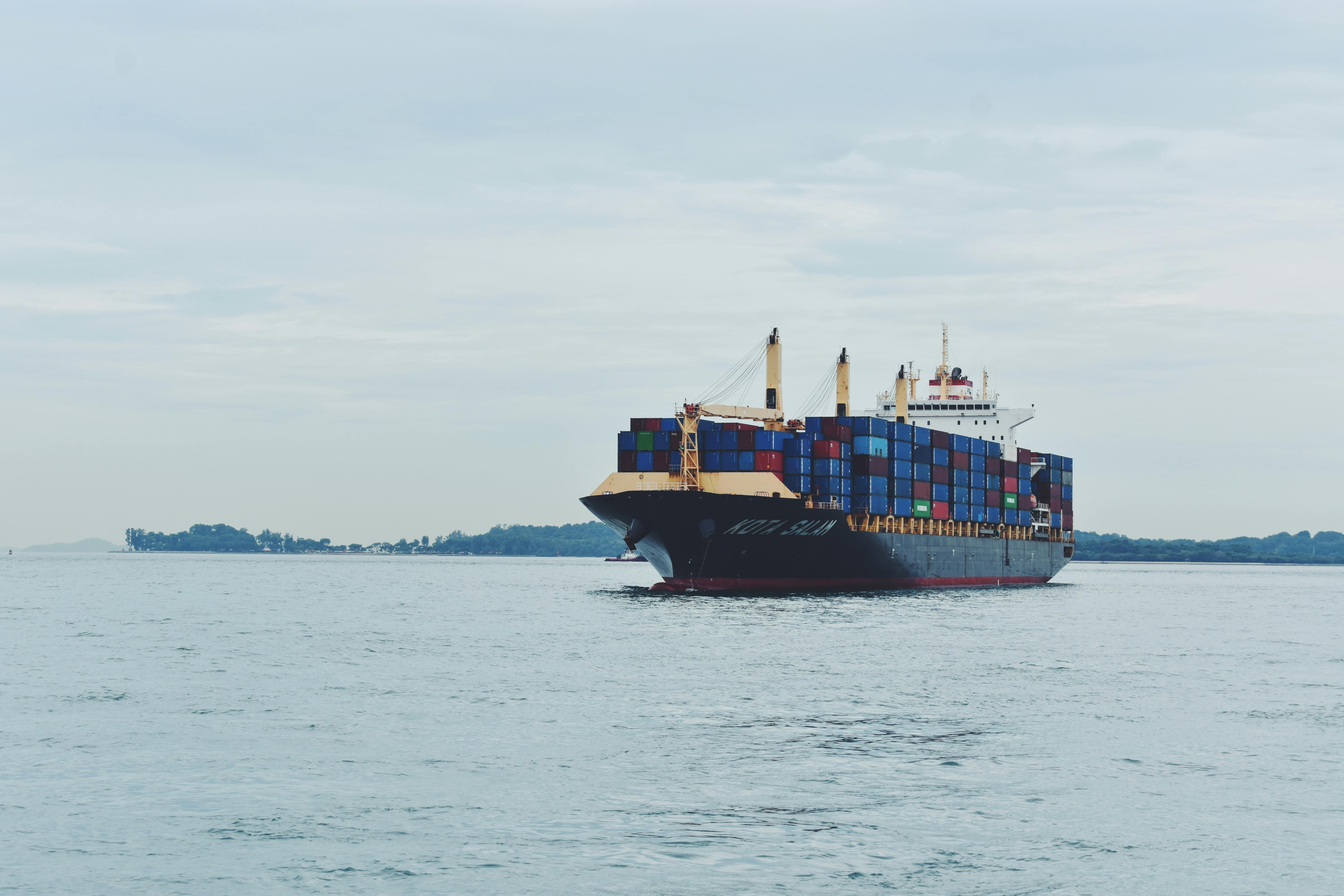
Conflict in and around the Middle East can make major shipping lanes feel more uncertain, especially when traders worry about the Strait of Hormuz and nearby routes. Even if produce doesn’t come directly from Iran, global shipping costs can still rise when insurers, carriers, and importers price in more risk.
That matters because the produce business is deeply international. Grapes, citrus, melons, onions, and other items often travel long distances before reaching U.S. and European stores.
When freight gets pricier or slower, importers pay more to bring in perishable goods. And with fresh food, delays can mean spoilage, lower quality, and even less available supply, all of which nudge prices higher.
Farm inputs get squeezed
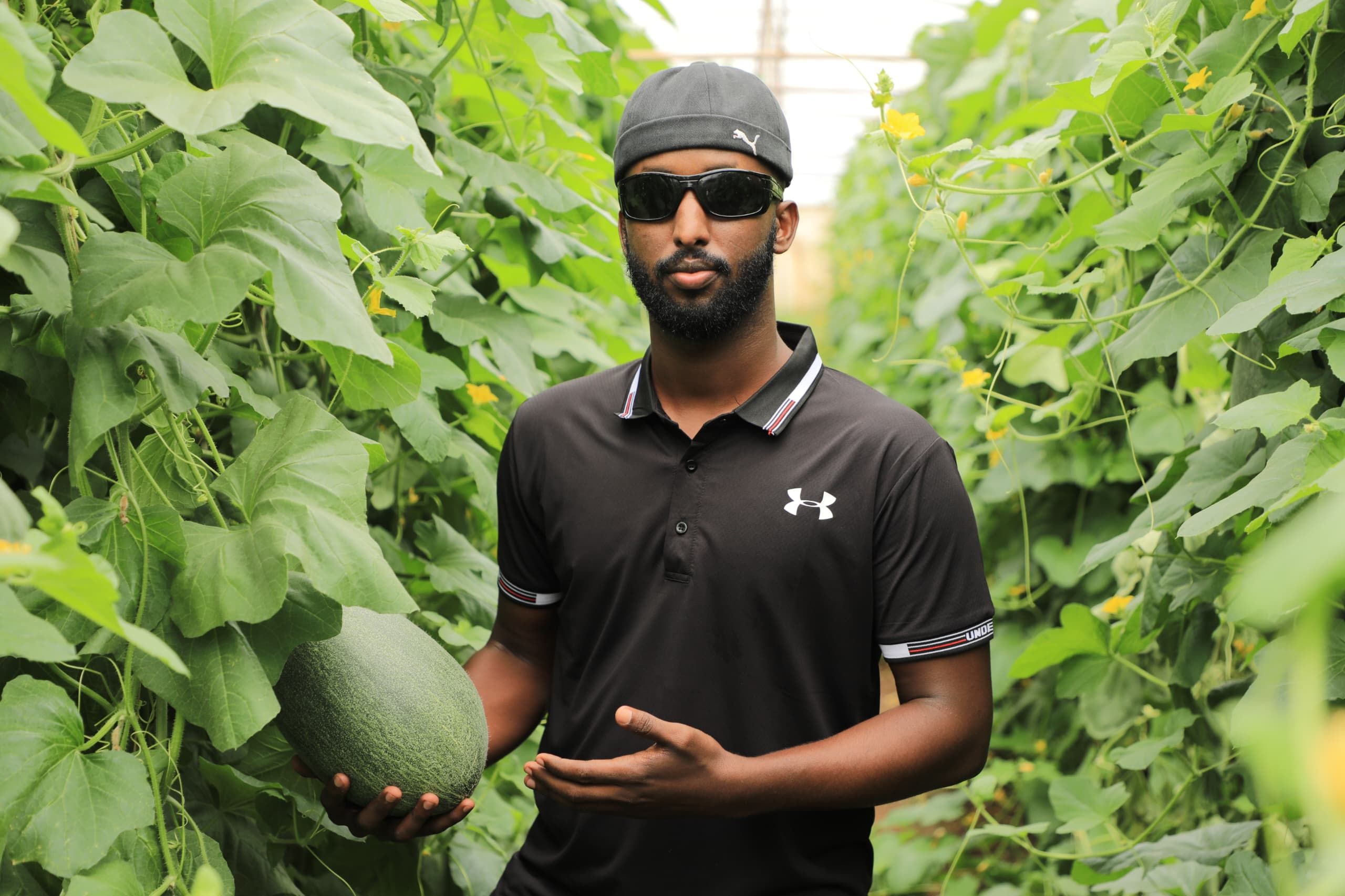
The pressure doesn’t stop with transportation. Farmers also feel the impact through more expensive inputs, including fertilizer, chemicals, packaging, and electricity, all of which can be tied directly or indirectly to energy markets.
Produce growers already operate on thin margins, especially with labor and weather risks constantly in play. So when costs rise suddenly, many have little room to absorb the hit without charging more for peppers, lettuce, berries, or tomatoes.
Greenhouse operations can feel this especially hard. Heating, cooling, irrigation, and plastic materials all become more expensive when broader energy and petrochemical costs jump, making even locally grown produce costlier than shoppers might expect.
Shoppers notice it first in fragile items
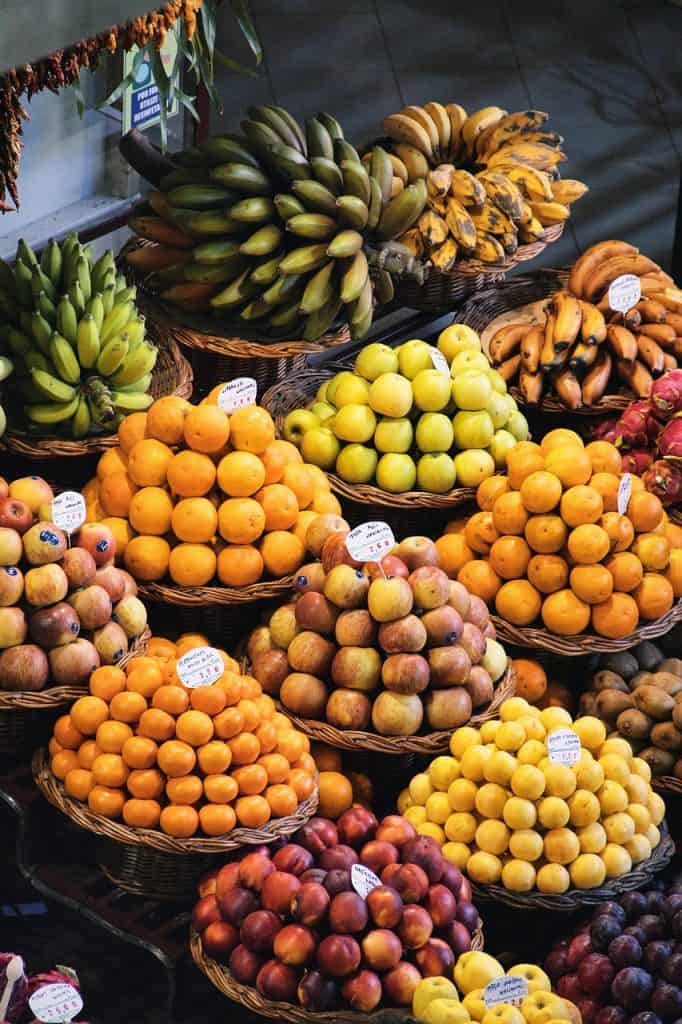
Not every fruit and vegetable reacts the same way. The first place shoppers often notice price jumps is in fragile, highly perishable produce that needs careful refrigeration and fast transport, like berries, leafy greens, herbs, and soft fruit.
These items are expensive to move even in calmer times. Add higher fuel prices, longer shipping times, or tighter supply, and retailers may raise prices quickly to cover losses and protect margins.
By contrast, sturdier staples like potatoes, onions, or carrots may be a bit less sensitive in the short term, though they’re hardly immune. Over time, if the broader cost pressure sticks around, almost every part of the produce department can feel it.
Why price spikes can linger
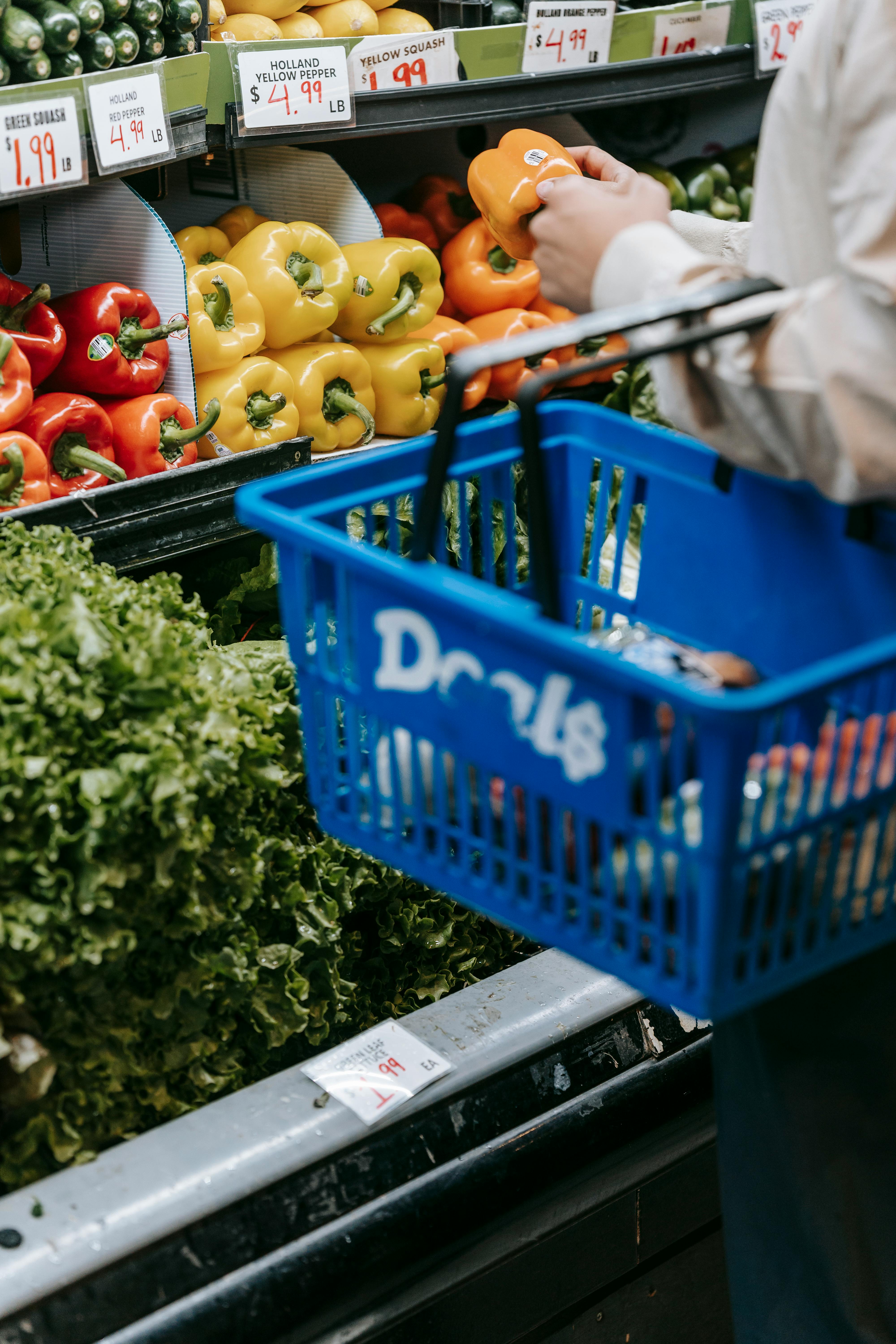
Even when the news cycle moves on, produce prices don’t always snap back right away. Grocery pricing reflects contracts, transportation schedules, seasonal harvests, and retailer inventories, so the effects of a geopolitical shock can last well beyond the initial headlines.
There’s also a psychological layer. When markets expect more volatility, companies may buy more cautiously, stock less aggressively, or pay extra to secure dependable supply, keeping prices elevated.
For shoppers, that can mean a produce aisle where deals feel scarcer for weeks or months. The conflict itself may be far away, but the aftershocks travel through fuel, freight, farming, and food retail with surprising speed.
