
Beyond pasta: 16 Italian dishes that Deserve more Attention
Italy’s food reputation may begin with pasta, but it definitely doesn’t end there. Across the country, every region brings its own unforgettable specialties, from rustic comfort food to seafood feasts and street snacks worth planning a trip around. If you’re ready to eat your way deeper into Italian cuisine, these are the dishes that deserve a spot on your lifetime list.
Risotto alla Milanese
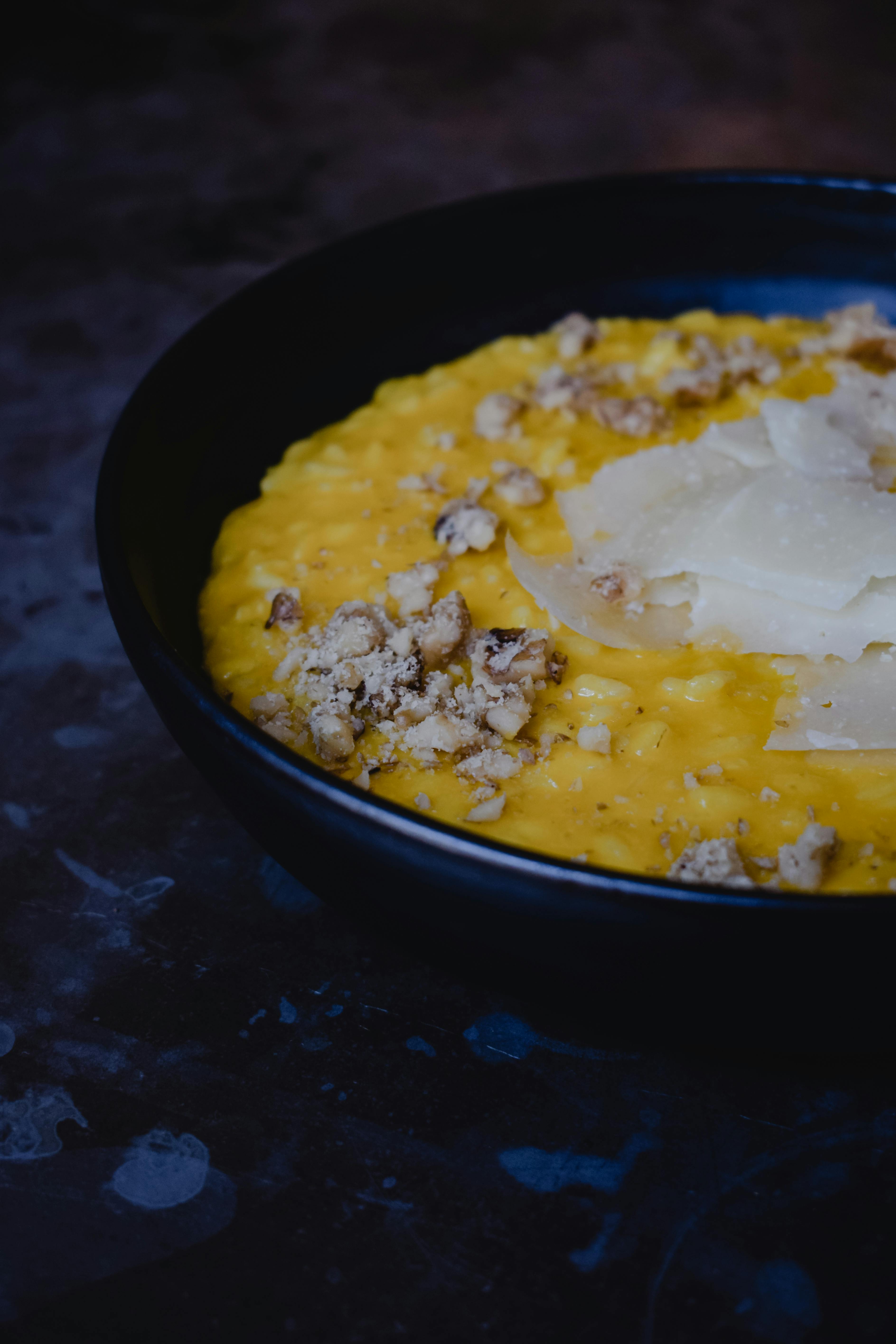
This northern Italian classic proves rice can be every bit as luxurious as pasta. Made with Arborio or Carnaroli rice, broth, butter, cheese, and a vivid hit of saffron, risotto alla Milanese is creamy without being heavy and rich without trying too hard.
What makes it unforgettable is the texture. It should flow gently across the plate, not sit in a stiff mound, and every spoonful should taste deeply savory with that faint floral note from the saffron. It’s often served alongside osso buco, but honestly, it’s worthy of the spotlight all on its own.
Osso Buco
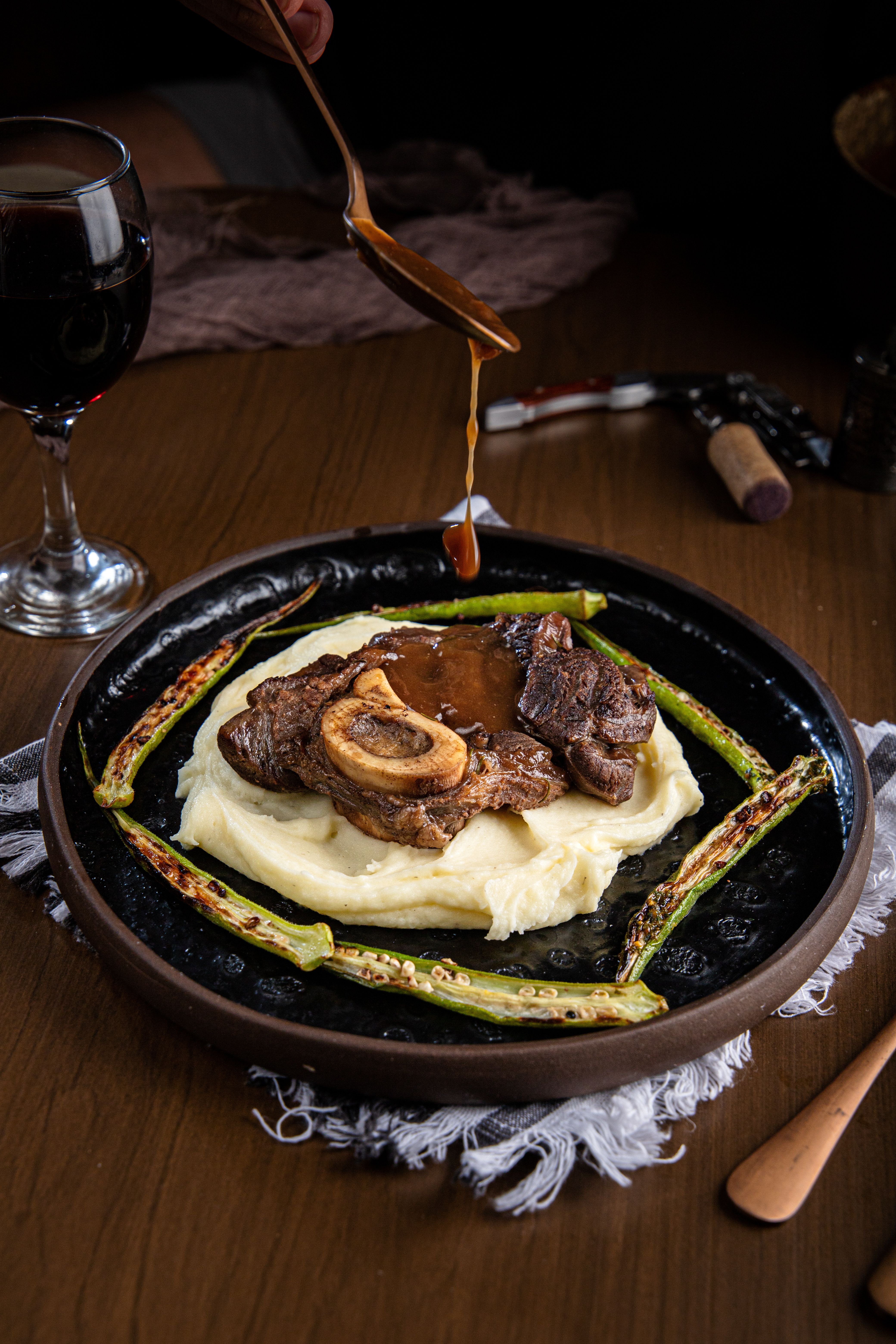
Osso buco is the kind of dish that makes you slow down after the first bite. This Milanese specialty features cross-cut veal shanks braised until the meat turns meltingly tender, with the marrow in the bone adding a buttery richness that feels almost decadent.
The sauce, usually built from wine, stock, vegetables, and tomatoes, becomes intensely flavorful as everything cooks together. A finishing touch of gremolata, that bright mix of lemon zest, parsley, and garlic, cuts through the richness and wakes the whole plate up. It’s hearty, elegant, and exactly the sort of dish you remember long after dinner ends.
Polenta
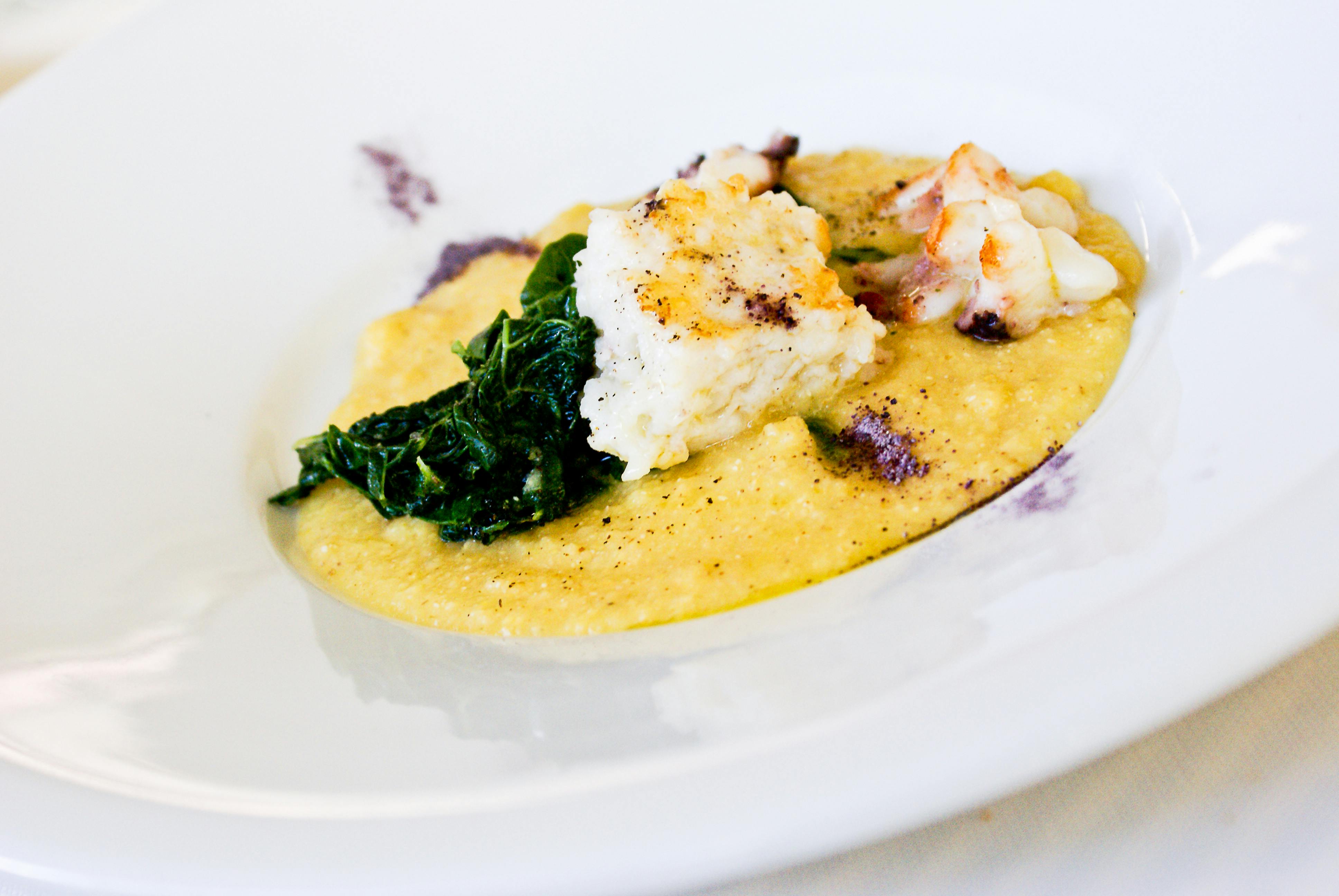
Polenta might sound simple, and that’s part of its charm. Made from ground cornmeal cooked slowly into a soft porridge or cooled and sliced for grilling or frying, it’s a staple in northern Italy that can swing from humble to incredibly refined.
When it’s fresh and creamy, polenta is the perfect partner for rich stews, mushrooms, sausage, or braised meats. Crisped on the outside, it turns into a whole different pleasure, with a golden crust and tender center. It’s comfort food in the best sense: unfussy, deeply satisfying, and proof that Italian cooking often shines brightest when it keeps things straightforward.
Arancini
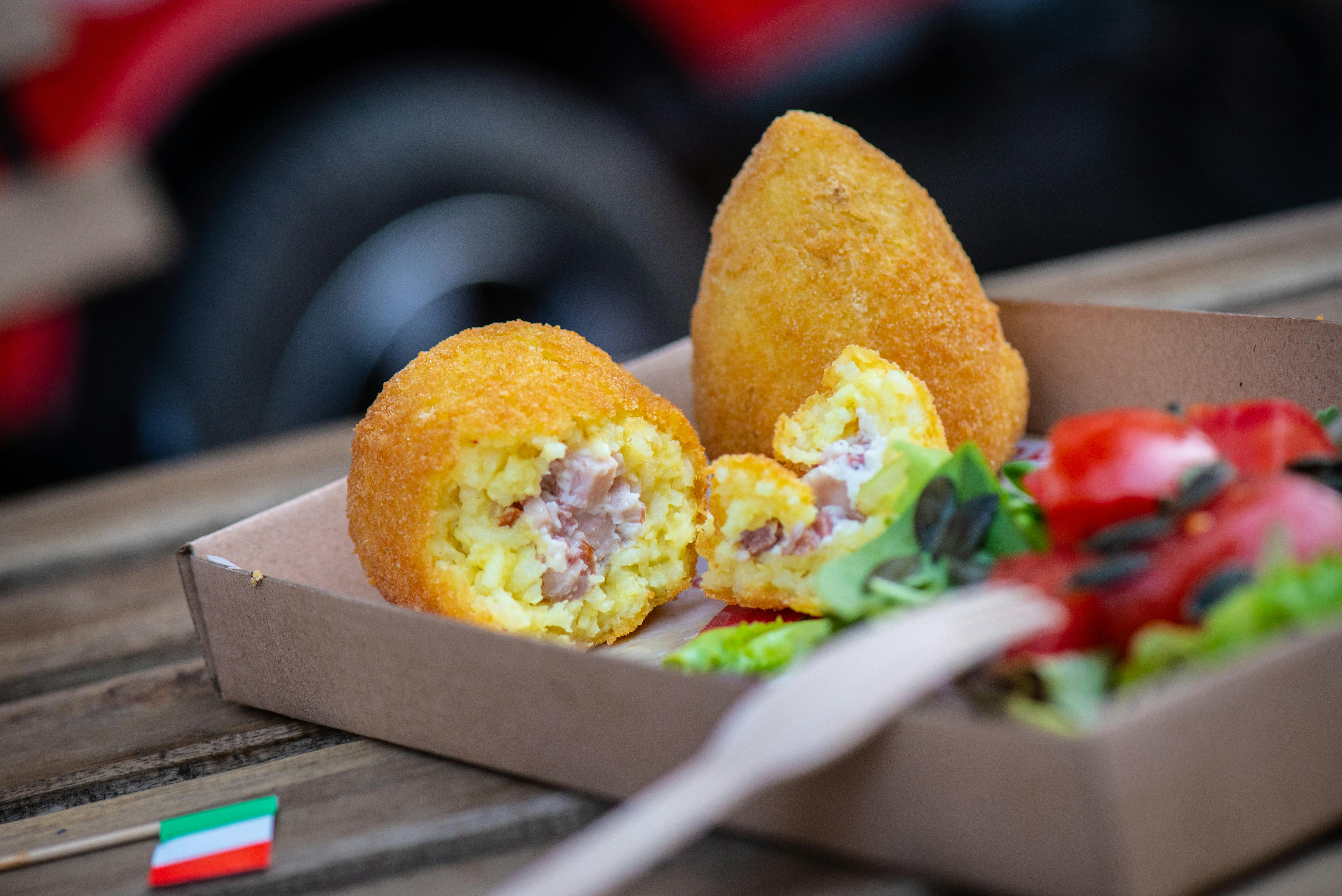
If you love the idea of street food that feels like a little gift, arancini are for you. These golden Sicilian rice balls are typically stuffed with ragù, mozzarella, peas, or other fillings, then breaded and fried until the outside turns audibly crisp.
The magic is in the contrast. You crack through that crunchy shell and meet warm rice and a savory center that can range from meaty to creamy and molten with cheese. They’re ideal as a snack, starter, or lunch on the go, and once you’ve had a really good one, you start understanding why Sicily takes them so seriously.
Supplì
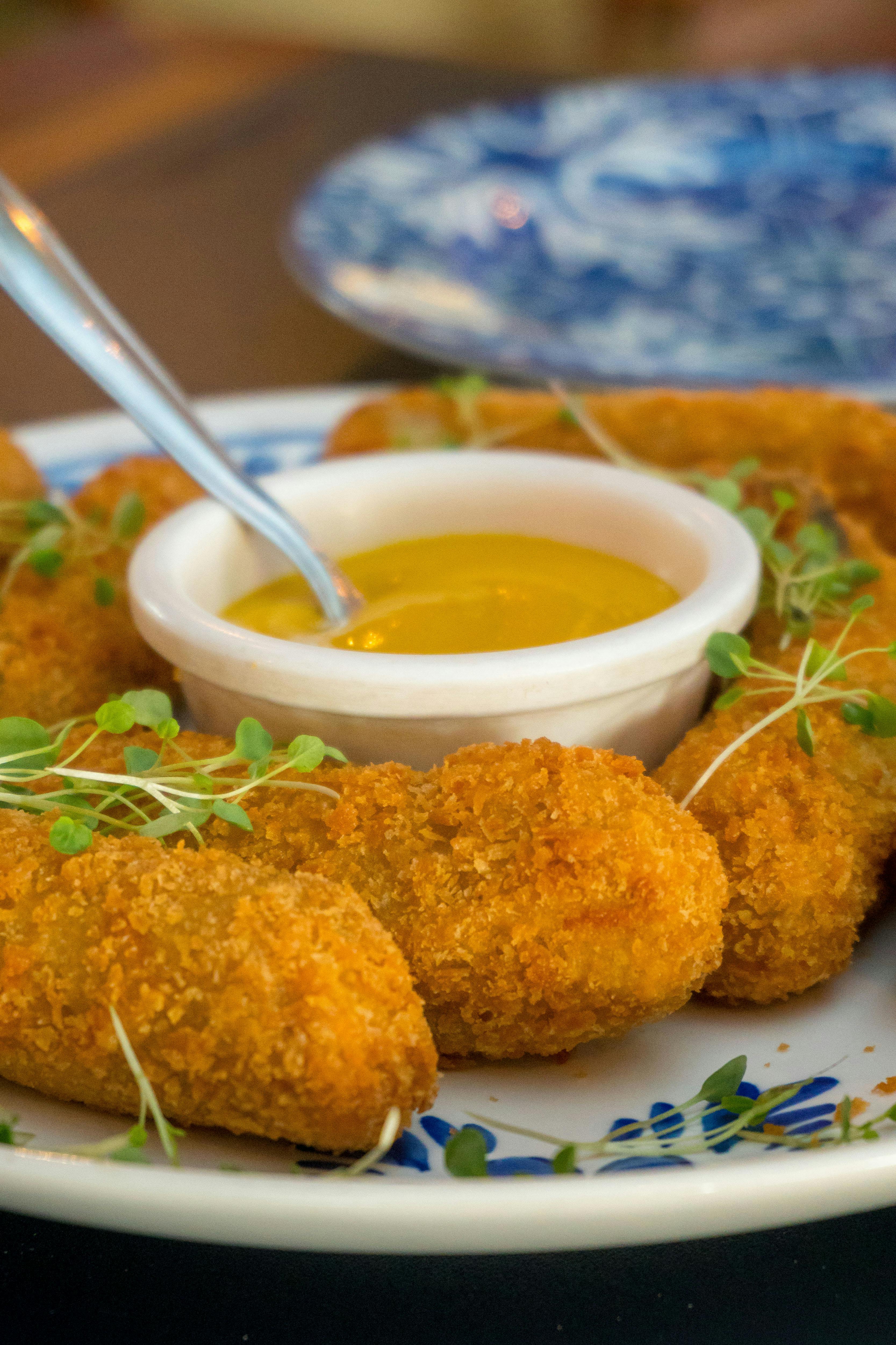
Rome’s answer to stuffed fried rice is supplì, and locals will happily tell you it deserves its own spotlight. Similar to arancini but usually smaller and more streamlined, supplì are filled with rice, tomato sauce, and mozzarella, then fried until gloriously crisp.
The dream version creates that famous cheese pull when you break one open. It’s messy, hot, and exactly what great snack food should be. Supplì often show up in pizzerias and casual spots as the thing you order while deciding on the rest of your meal, but they’re so satisfying they could easily steal the whole show.
Parmigiana di Melanzane
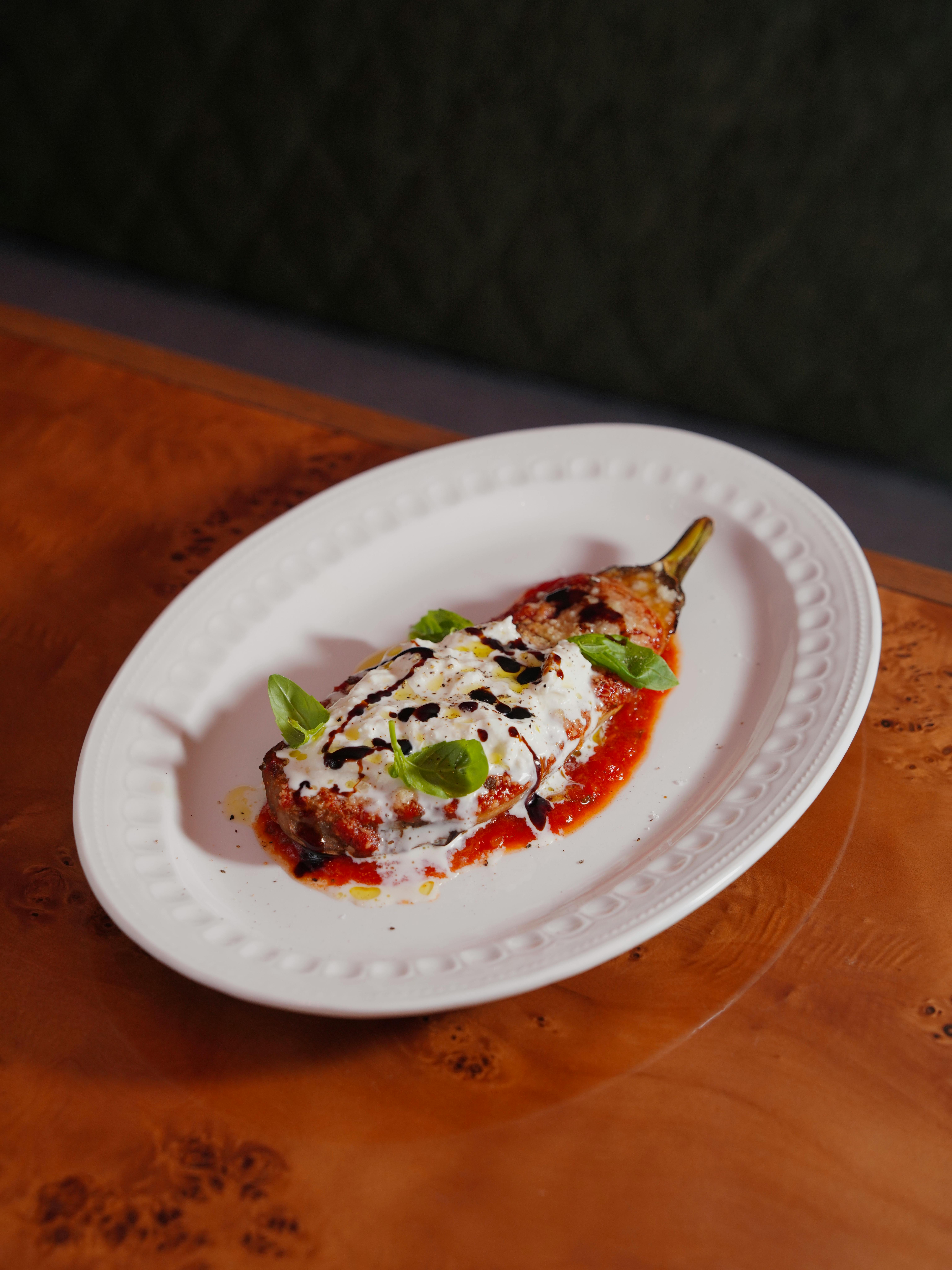
Parmigiana di melanzane is one of those dishes that makes eggplant skeptics change their minds fast. Layers of fried or baked eggplant, tomato sauce, basil, and cheese come together in a bubbling casserole that feels both homey and a little indulgent.
Despite the richness, it never eats as heavy as you might expect. The tomato keeps it bright, the eggplant turns silky, and the cheese ties everything together into something deeply comforting. Depending on where you are in Italy, the details may vary, but the result is always the same: a dish that tastes like someone’s grandmother absolutely knew what she was doing.
Saltimbocca
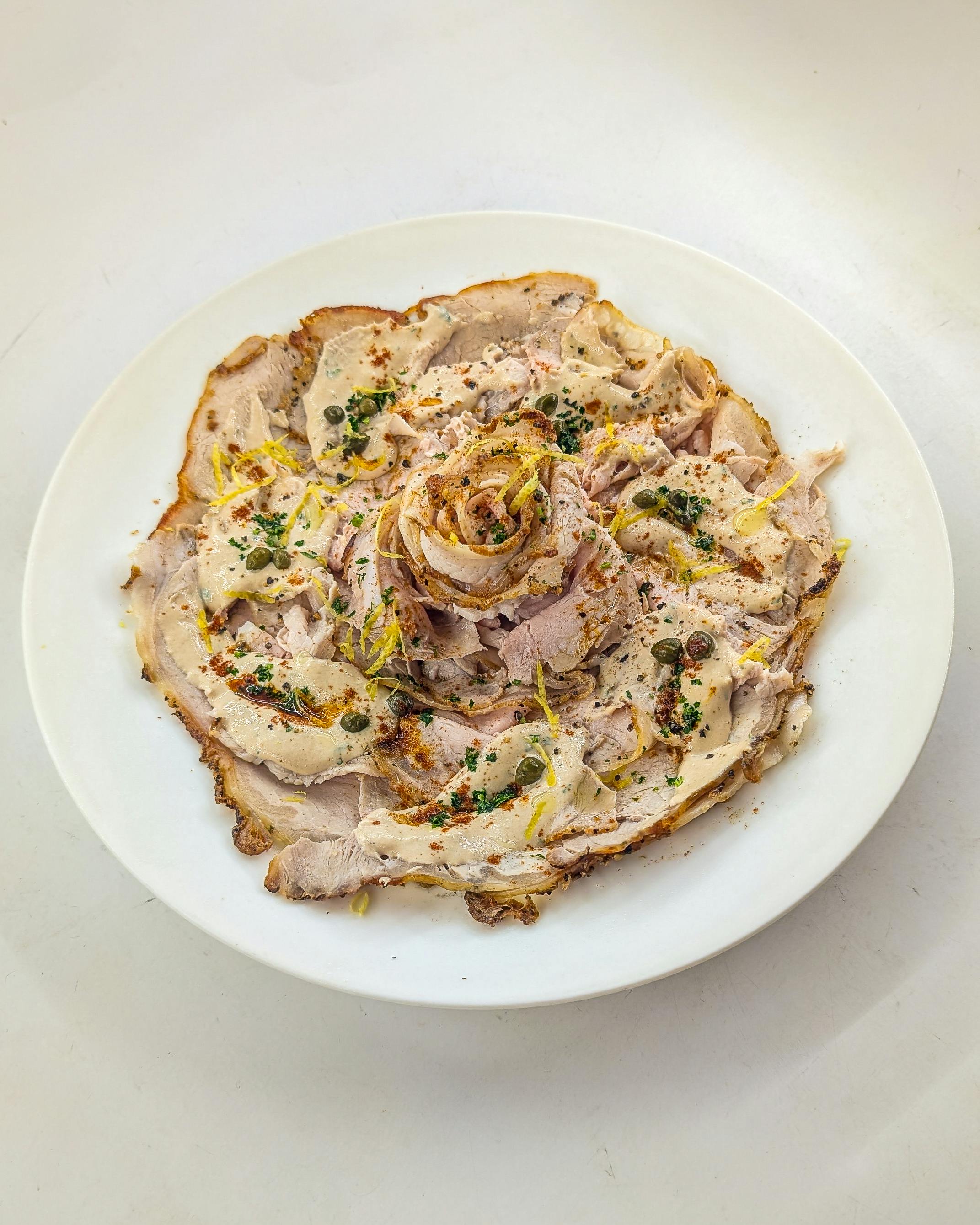
Saltimbocca is proof that a few ingredients can create a seriously memorable dish. Traditionally made with veal, prosciutto, and sage, then cooked quickly in butter or wine, it’s salty, aromatic, and surprisingly delicate for something with such bold flavor.
The name loosely suggests it “jumps in the mouth,” which honestly feels fair. You get the tenderness of the meat, the savory edge of prosciutto, and that unmistakable herbal lift from sage in every bite. It’s a Roman favorite that feels elegant without being fussy, the kind of plate that makes classic Italian cooking look effortless even when it’s hitting every note perfectly.
Bistecca alla Fiorentina
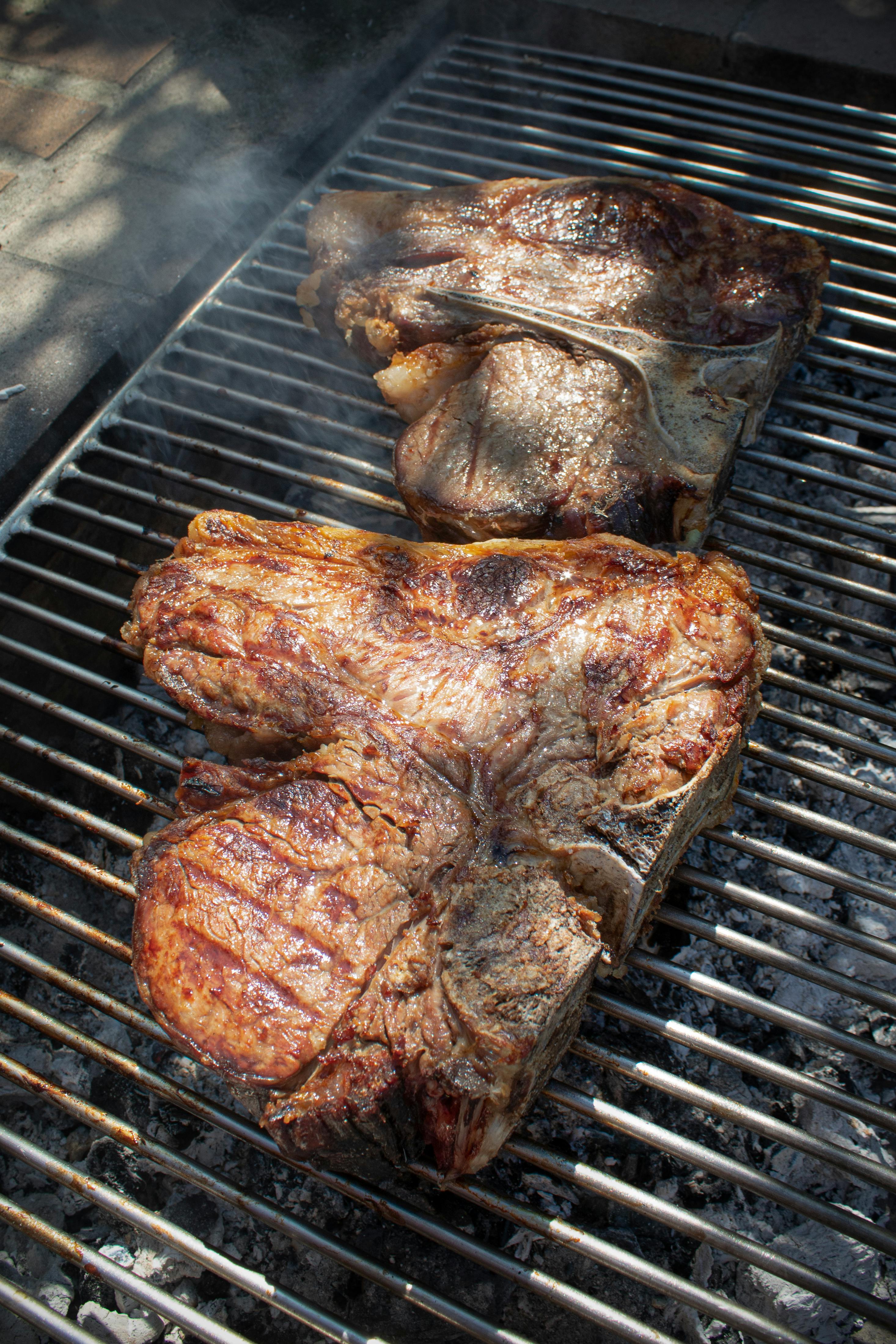
This Tuscan steak is not for the timid, and that’s exactly the point. Cut thick from the loin, usually from Chianina cattle, bistecca alla Fiorentina is grilled over high heat, charred on the outside, and left beautifully rare inside.
There’s very little decoration involved because there doesn’t need to be. A little salt, maybe some olive oil, perhaps a squeeze of lemon, and the focus stays where it belongs: on the quality of the meat and that dramatic, primal satisfaction of carving into a serious steak. Shared at the table with good wine, it becomes less of a meal and more of an event.
Focaccia di Recco
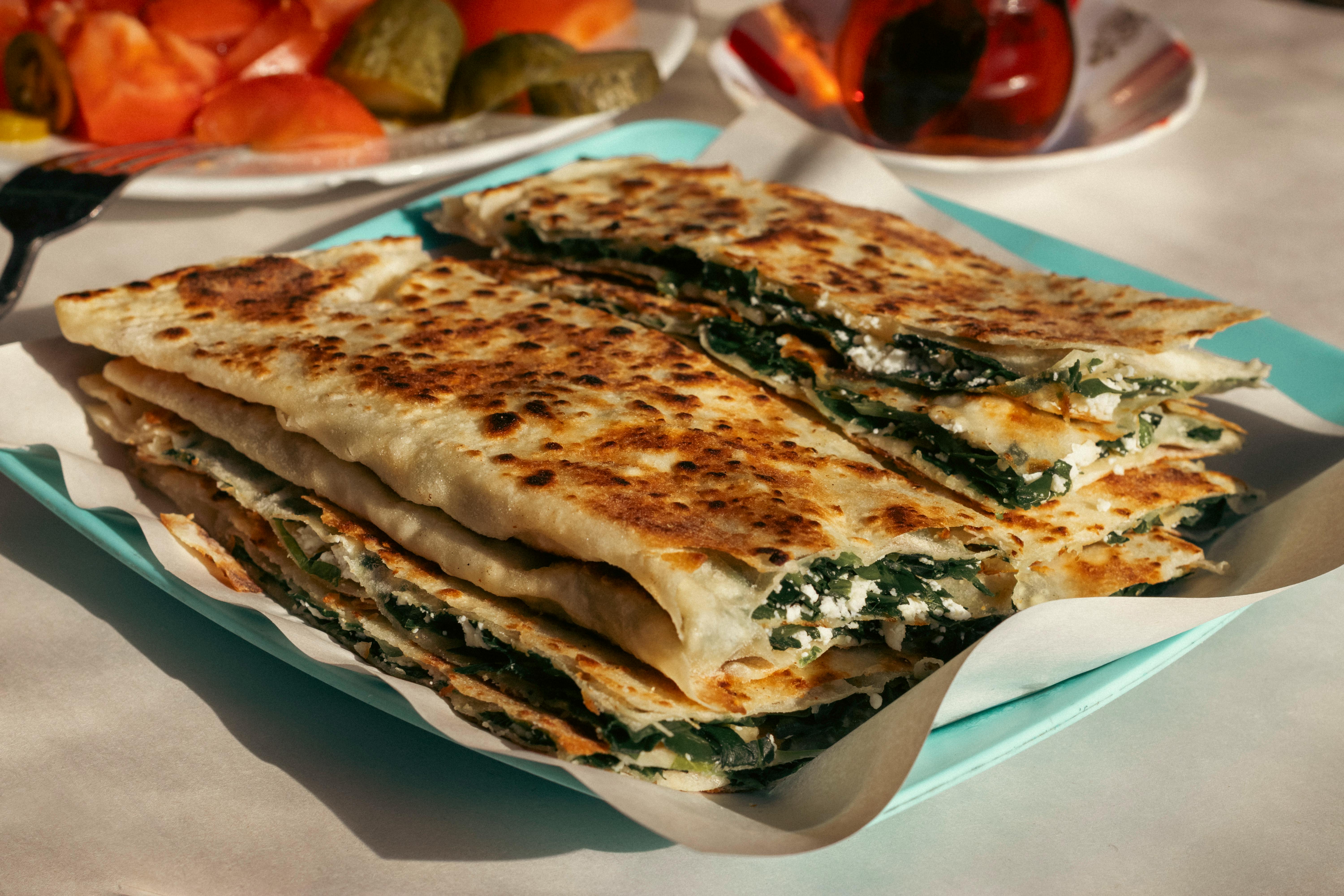
Forget the fluffy focaccia you may already know for a moment. Focaccia di Recco, from Liguria, is an entirely different experience: paper-thin layers of dough stretched almost translucently, filled with soft stracchino cheese, and baked until blistered and golden.
The result is crisp, creamy, and wildly addictive. The cheese melts into a tangy, luscious center while the top shatters just enough to keep every bite interesting. It feels both rustic and incredibly refined, which is a very Italian trick. Served hot, it’s the kind of dish that disappears from the table in minutes and has everyone plotting how to get another order in fast.
Panzanella
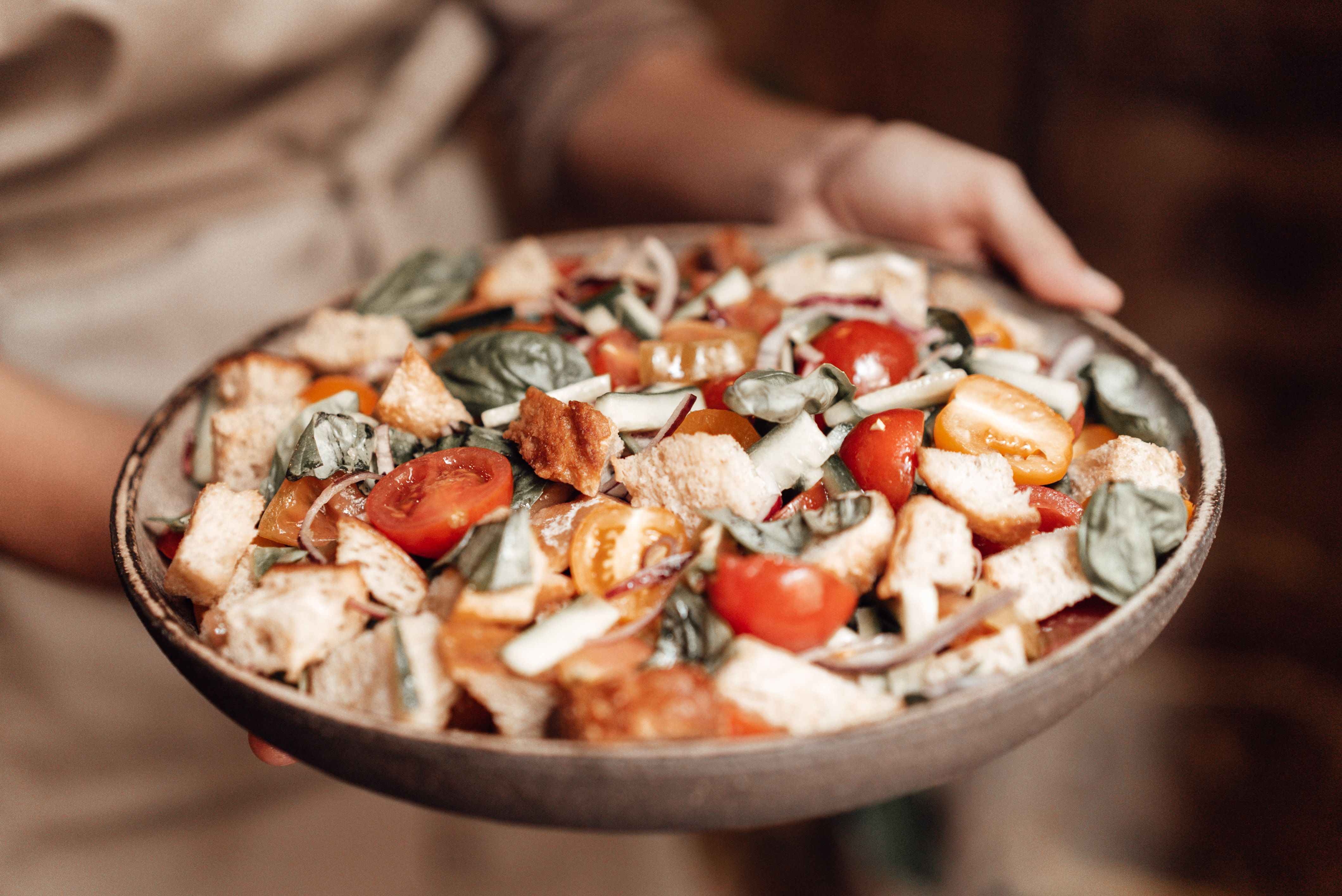
Panzanella is summer in a bowl, especially if you like your salads with actual personality. This Tuscan favorite transforms stale bread, ripe tomatoes, onions, cucumber, and basil into something far more exciting than the ingredient list suggests.
The bread soaks up juices and olive oil without becoming mushy, turning every forkful into a mix of freshness and satisfying chew. It’s bright, rustic, and wonderfully practical, which is part of its appeal. Good panzanella tastes like sunshine, market produce, and smart home cooking all at once. It’s also a reminder that some of Italy’s best dishes started with the simple goal of wasting absolutely nothing.
Vitello Tonnato

At first glance, veal with tuna sauce sounds like one of those combinations you have to politely think about before trying. Then you taste vitello tonnato and realize Italy has been onto something all along. This Piedmont dish pairs chilled sliced veal with a silky sauce made from tuna, capers, anchovies, and mayonnaise or olive oil.
It’s savory, creamy, tangy, and much more harmonious than it sounds on paper. Served cold, it’s especially welcome in warm weather, when heavy meals lose some of their charm. Elegant but unfussy, vitello tonnato is the sort of dish that rewards curiosity and instantly expands your idea of what Italian food can be.
Cacciucco
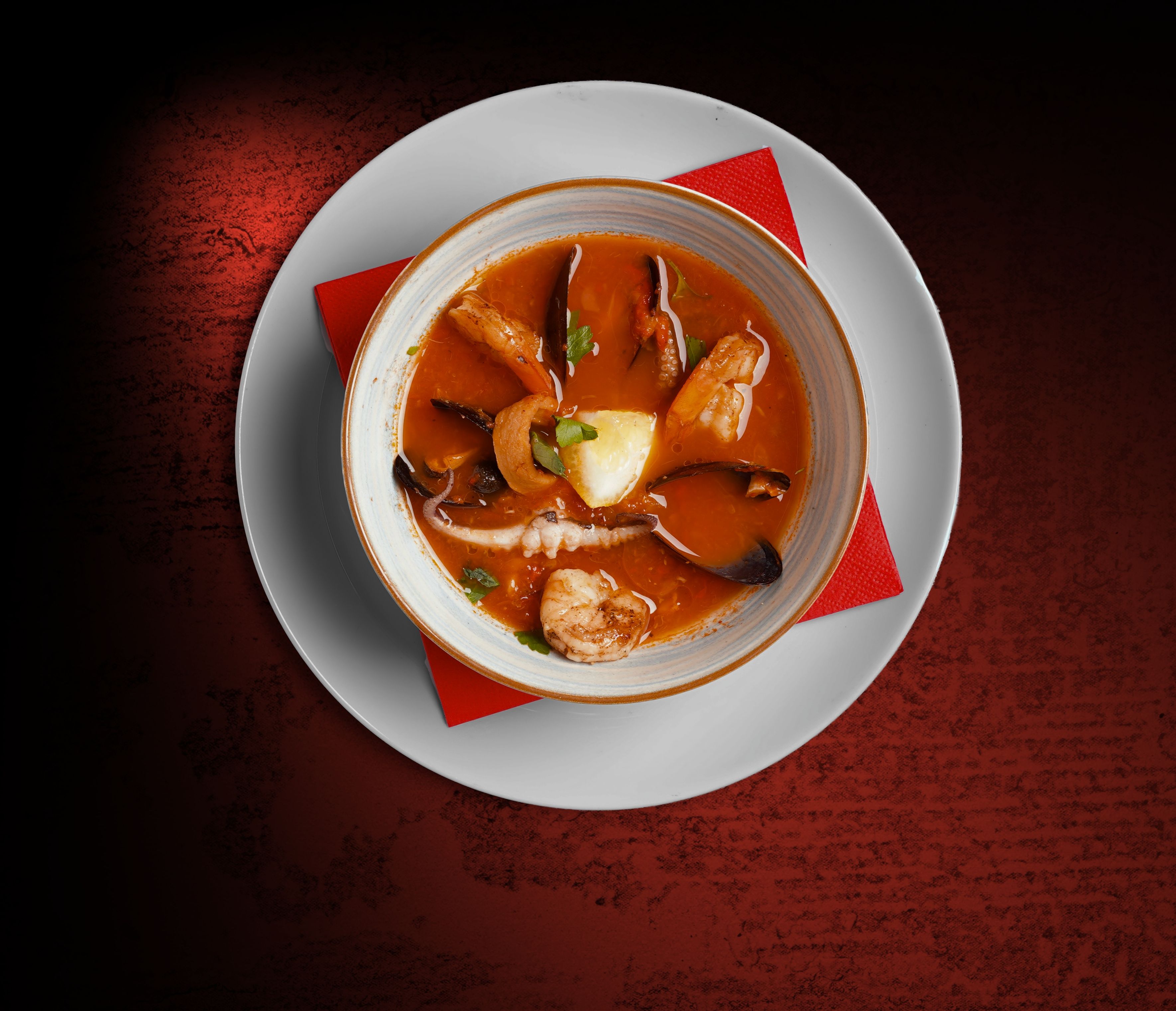
If you’re a seafood lover, cacciucco deserves a place high on your list. This hearty Tuscan fish stew, especially associated with Livorno, gathers a mix of fish and shellfish into a tomato-rich broth with garlic, wine, and chili for depth and warmth.
It’s usually served over toasted bread, which is exactly the right move because that broth is far too good to waste. Every bowl feels a little different depending on the day’s catch, and that flexibility is part of its character. Cacciucco tastes like the coast, the harbor, and generations of cooks who knew how to turn assorted seafood into something bold, comforting, and unforgettable.
Fritto Misto
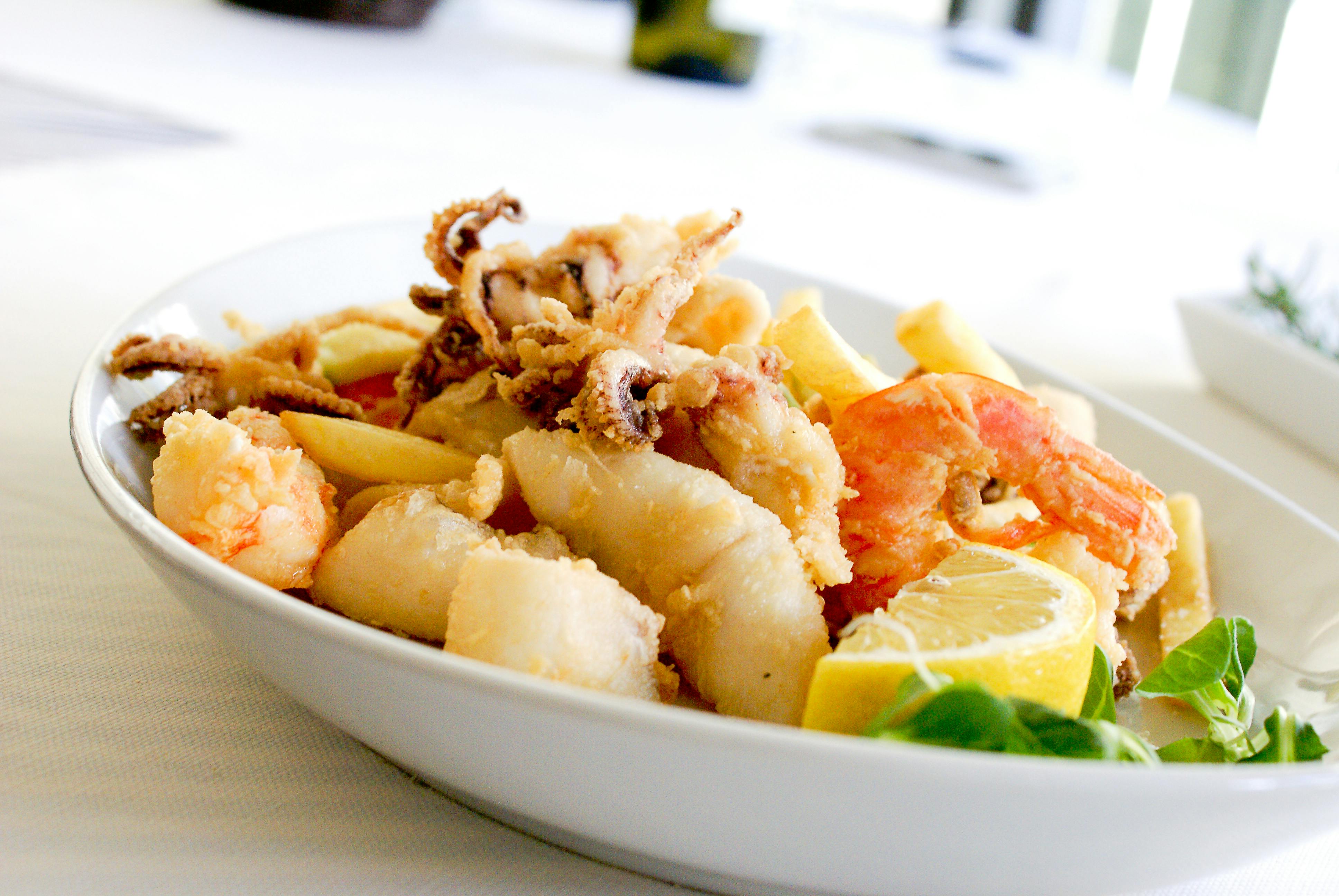
Fritto misto is one of Italy’s best examples of how frying, when done right, can feel almost elegant. Depending on the region, it might include seafood, vegetables, or even sweet elements, all lightly battered or floured and fried until crisp and delicate.
The key is that it should never feel greasy or heavy. Good fritto misto is airy, crunchy, and dangerously easy to keep eating, especially with a squeeze of lemon or a simple dipping sauce on the side. It’s the kind of platter that brings instant table-wide enthusiasm, because everyone understands the joy of perfectly fried bites that still let the ingredients shine through.
Ribollita

Ribollita is rustic Tuscan cooking at its coziest. This thick soup, traditionally made with bread, cannellini beans, kale or black cabbage, and vegetables, was built from leftovers and pantry staples, yet it delivers the kind of flavor many elaborate dishes would envy.
Its name refers to being reheated, and that’s part of the magic. Like many stews and soups, it often tastes even better the next day, when everything has had more time to settle into itself. Ribollita is hearty without being flashy, deeply comforting without feeling overworked, and exactly the dish you want when the weather cools and your appetite turns toward something soulful.
Bagna Càuda

Bagna càuda is less a dish than a whole social experience, and that’s a big part of its appeal. This warm Piedmontese dip blends garlic, anchovies, and olive oil or butter into something intensely savory, then invites everyone at the table to dip vegetables, bread, or other accompaniments right into it.
It’s bold, unapologetic, and definitely not for people who fear garlic. But if that sounds like your idea of a good time, it’s incredibly rewarding. The communal style makes it feel festive, and the flavors are far more nuanced than the ingredient list might suggest. It’s old-school, cozy, and best enjoyed with people who appreciate food that makes a statement.
Pizza al Taglio
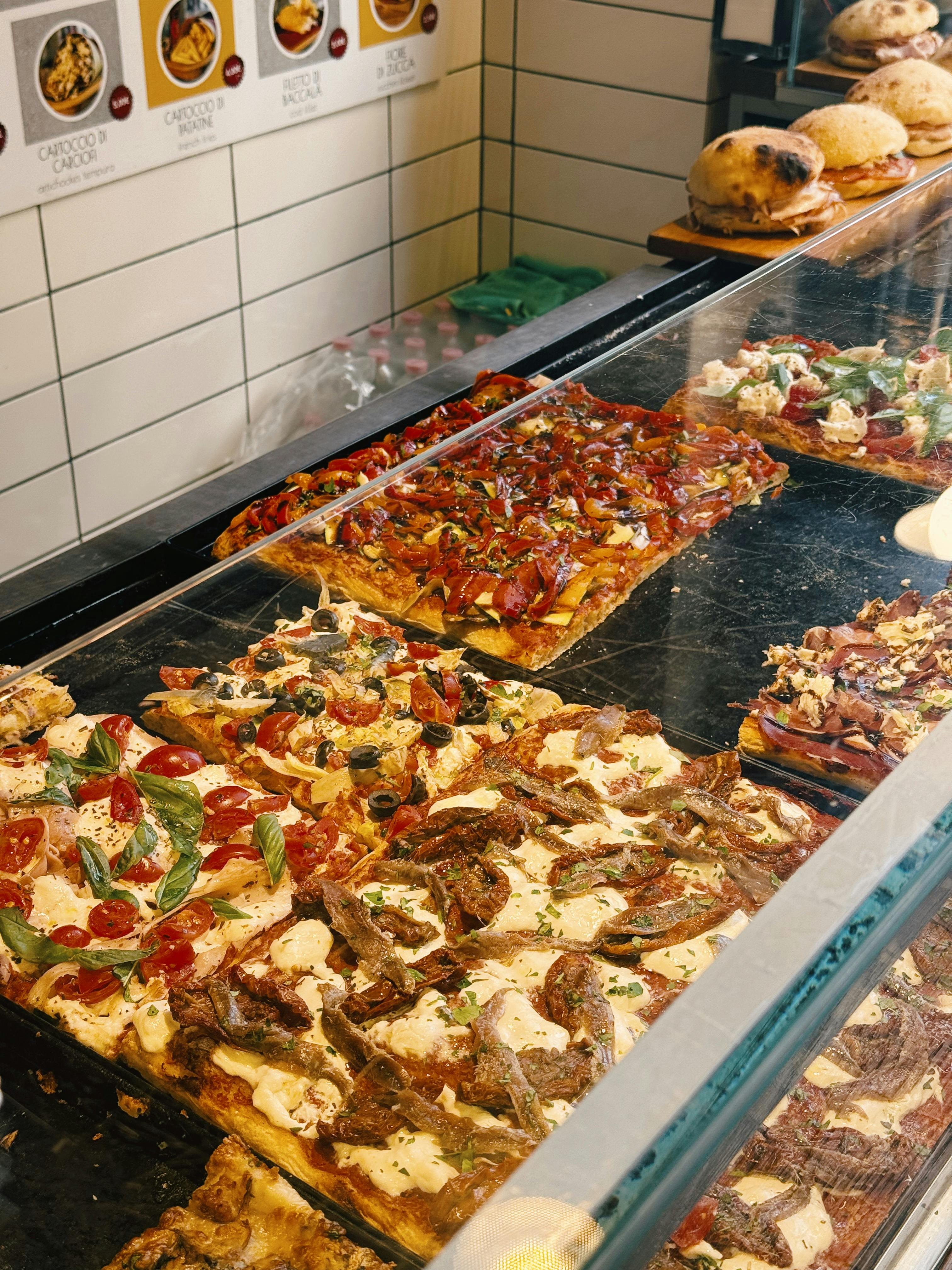
Yes, pizza is famous, but pizza al taglio deserves a special nod because it’s a category all its own. Sold by the slice and often baked in rectangular trays, this Roman style lets you sample multiple toppings in one sitting, which is always a smart move.
The crust is usually airy inside with a crisp bottom, sturdy enough to hold everything from simple tomato sauce to potatoes, zucchini flowers, or mortadella. It’s casual, convenient, and endlessly appealing whether you’re grabbing lunch on the run or making a meal of several slices. In Italy, it’s a reminder that everyday food can still be seriously memorable.
Tiramisù
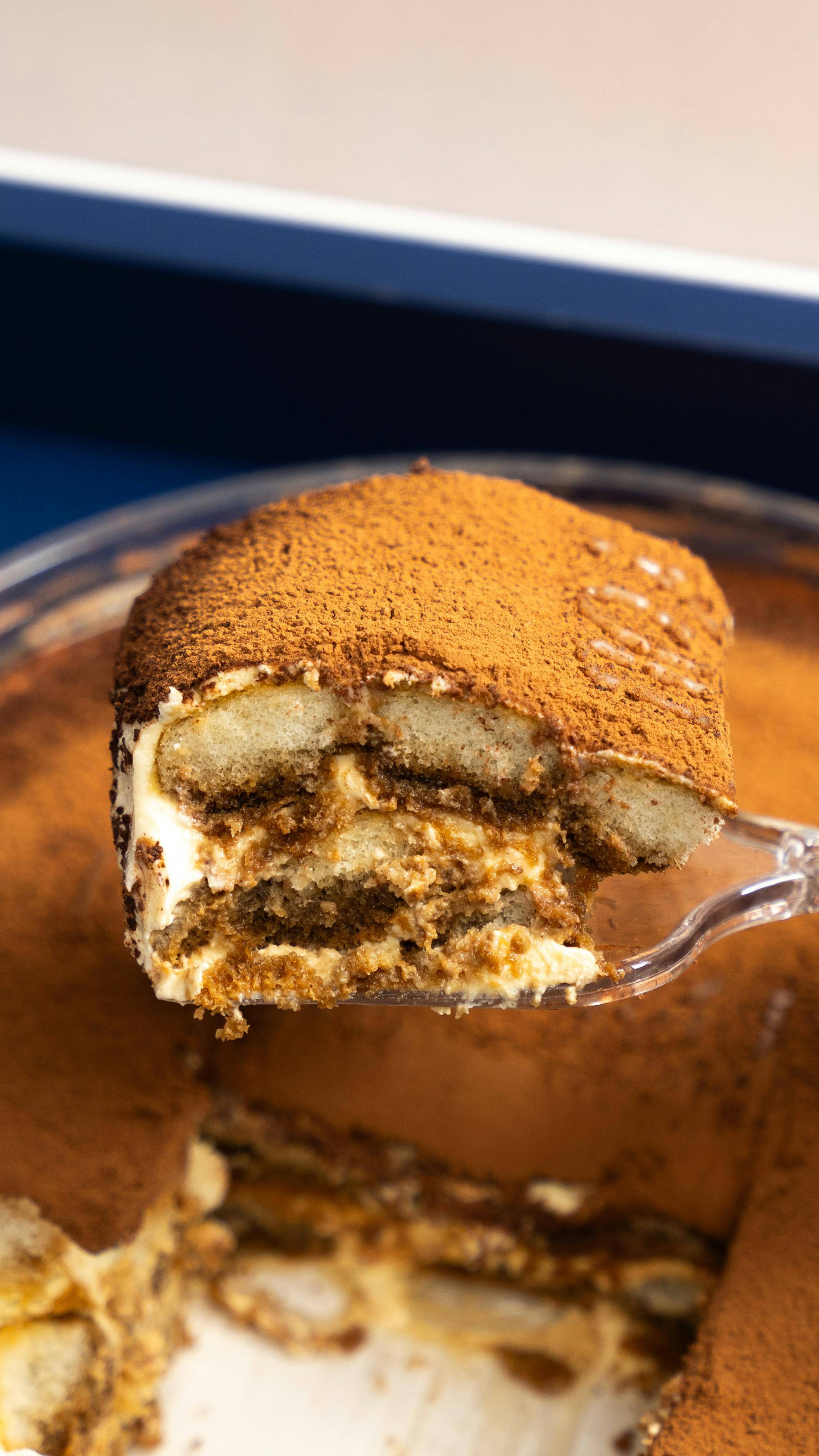
Tiramisù may be famous around the world, but a really good version still feels revelatory. Layers of coffee-soaked ladyfingers, mascarpone cream, cocoa, and often a touch of Marsala or other liqueur create a dessert that somehow manages to be rich, airy, and not too sweet all at once.
That balance is what makes it irresistible. The coffee gives it depth, the mascarpone brings luxurious softness, and the cocoa keeps the finish slightly bitter in the best possible way. It’s the dessert people think they know until they have one made with care. Then suddenly it feels less like a cliché and more like a classic that earned its status.
Cannoli
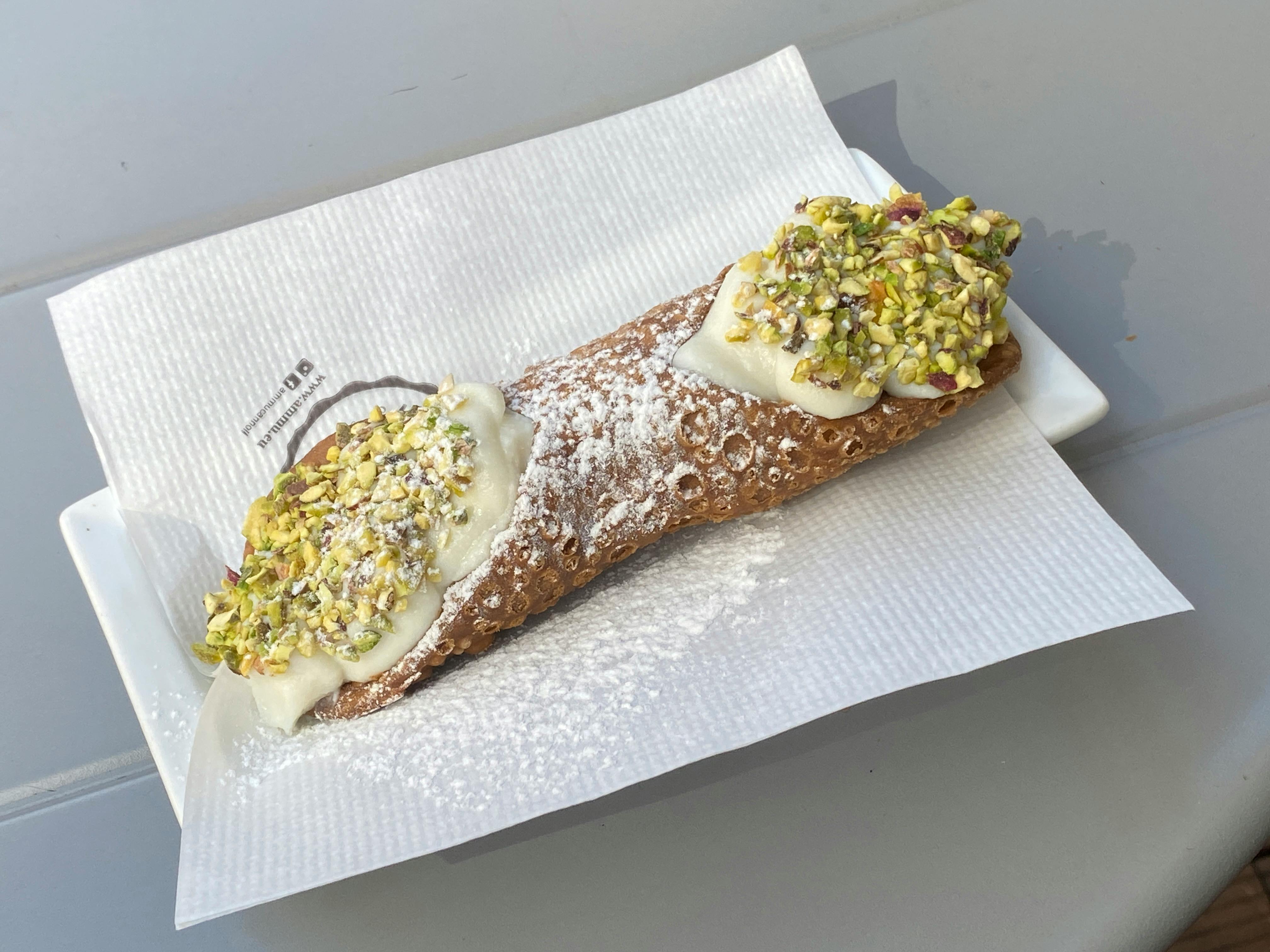
Cannoli are one of Sicily’s greatest gifts to dessert lovers. A properly made cannolo has a shell that stays crisp and blistered, with a ricotta-based filling that’s creamy, lightly sweet, and often studded with chocolate chips, candied fruit, or pistachios.
The best ones are filled to order so the shell doesn’t lose its crunch, and that textural contrast is everything. One bite gives you crisp pastry, cool filling, and just enough sweetness to keep you going back for another. Cannoli feel celebratory, a little theatrical, and impossible to eat without smiling at least a little, especially when they’re made the old-fashioned way.
Gelato

No list of Italian dishes to try in a lifetime feels complete without gelato. Denser and typically lower in fat than standard ice cream, it delivers flavor with remarkable clarity, whether you go for pistachio, hazelnut, stracciatella, lemon, or dark chocolate.
The real pleasure is in the intensity and silkiness. Good gelato tastes fresh, clean, and deeply true to its ingredients, which is why a fruit flavor can be shockingly vibrant and a nut flavor can seem almost toasted right on the tongue. It’s a daily ritual in Italy, not just an occasional treat, and once you’ve had an excellent scoop, that attitude makes perfect sense.
