
12 Simple Groceries That Quietly Got Way More Expensive
The soaring costs of everyday groceries are impacting household budgets more than ever. What once seemed stable in price has seen unexpected increases, leaving many to rethink their shopping lists. Let’s explore some staple items that have silently become pricier, starting with the ever-essential egg.
Eggs: The Breakfast Staple Surge
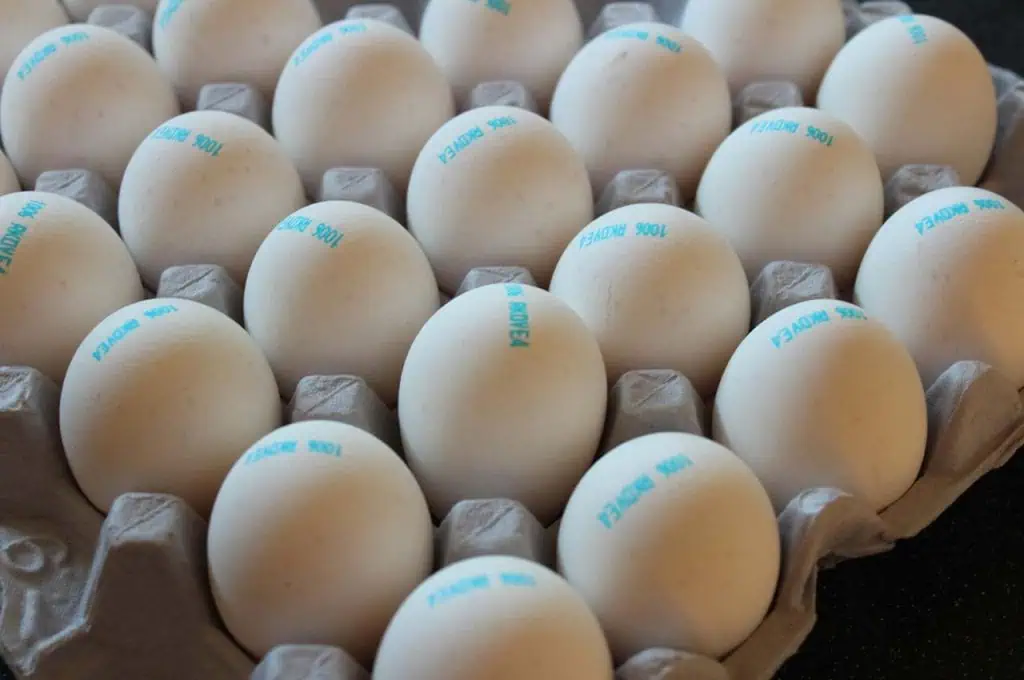
Eggs, a simple yet versatile ingredient, have seen a noticeable price hike. With their myriad uses, from fluffy omelets to rich, creamy custards, their affordability was once taken for granted. Supply chain issues and increased feed costs for hens are partly to blame. To make the most of your purchase, store eggs in their original carton to maintain freshness. Consider using them in dishes where they shine, like a classic frittata, maximizing their value without compromising on nutrition.
Butter: The Rich Spread Inflation

Butter’s creamy richness is essential for many culinary applications, yet its price has risen significantly. A key factor is the increased cost of milk fat, coupled with demand from both consumers and food industries. When using butter, allow it to soften naturally for baking, or try clarified butter for high-heat cooking. This not only enhances flavor but ensures more even distribution in recipes like flaky pastries or savory sauces, allowing every bit to count.
Bread: Daily Loaf Price Climb

The humble loaf, a staple in many households, hasn’t escaped rising costs. Wheat shortages and increased transportation fees contribute to this trend. Investing in quality bread can make for a satisfying centerpiece in meals. Opt for artisanal varieties when possible, which often offer better texture and flavor. For home bakers, experimenting with sourdough can turn simple ingredients into a rewarding project, stretching your investment further while honing a valuable skill.
Cheese: Dairy Delight Dilemma

Cheese, beloved for its decadent texture and variety, faces price inflation due to a combination of dairy production challenges and import tariffs. When selecting cheese, focus on quality over quantity. Use stronger-flavored varieties sparingly, such as a sharp cheddar or rich parmesan, to maximize impact in dishes like pasta or salads. Grate or crumble finely to distribute flavor evenly, making less go further while adding depth and richness to your culinary creations.
Milk: From Cows to Costly

Milk is a staple that has seen notable price increases. As a versatile ingredient, milk’s role extends beyond drinking; it enriches soups, sauces, and baked goods. To maximize value, consider buying in bulk and freezing your milk in measured portions. This helps avoid waste and ensures you always have some on hand for recipes. With price hikes in feed and transportation, each drop feels heavier on the wallet, urging us to be more mindful of its uses in daily cooking.
Coffee: Brewing Price Hikes

The cost of your morning brew has climbed steadily. Factors like supply chain disruptions and increased demand have played a role. Investing in high-quality whole beans and grinding them fresh enhances flavor, allowing fewer beans to go further and potentially offsetting cost increases. Experiment with brewing methods, such as the French press or pour-over, to extract maximum flavor. This way, you can enjoy a rich coffee experience, even as prices rise.
Pasta: Noodles with a Price Tag

Pasta prices are rising, driven by wheat shortages and production costs. As a pantry staple, pasta is loved for its versatility and ease. To make the most of your purchase, cook pasta to al dente, retaining a firm bite that stands up well to sauces. Reserve some pasta water to emulsify your sauce, lending it a creamy texture without additional ingredients. These small techniques stretch your pasta further, ensuring satisfaction despite growing prices.
Cereal: Morning Crunch, Higher Cost

Cereal has become both a breakfast classic and a convenient snack, now impacting budgets with its increased cost. Fluctuations in grain prices contribute to this uptick. For smarter shopping, opt for generic brands that often match or surpass the quality of name brands. Consider making a homemade granola mix to control costs and ingredients, combining oats, nuts, and a touch of honey for sweetness. This alternative can be more economical over time.
Chicken: The Pricey Protein

Chicken is a favored protein that’s seen noticeable price rises due to feed costs and processing expenses. To stretch your budget, buy whole chickens and break them down yourself. This not only teaches valuable butchery skills but also provides bones for homemade stock, maximizing usage. Marinating or brining chicken ensures a juicy outcome, enhancing even the leanest cuts. With these strategies, you can maintain chicken’s place in your dishes without overextending your wallet.
Potatoes: Spuds with a Steep Rise

Potatoes have long been a staple for their versatility, but their rising cost demands careful handling to maximize value. Choose firm, blemish-free potatoes, as these preserve better, reducing waste. When baking, scrub thoroughly, prick with a fork, and coat lightly in oil and sea salt to enhance flavor and texture. For mashed potatoes, use Yukon Golds for their buttery finish; boil until tender, then mash with warm milk and butter. Their escalating price makes it crucial to store them in a cool, dark place to prevent sprouting and extend shelf life.
Cooking Oil: Slick but Expensive

Cooking oil prices are climbing, pushing home cooks to be strategic. Invest in quality oils, olive for sautéing and salads, canola for frying. Measure carefully to avoid waste: a tablespoon often suffices for most stovetop dishes. For deeper flavor, try infusing oil with herbs or garlic; gently heat and let steep. Store oils in a cool, dark place to maintain freshness. Consider using non-stick cookware to reduce the amount of oil required. These small adjustments can stretch your supply, offsetting the expense without compromising on taste.
Frozen Vegetables: Icy and Inflated

Despite their increased cost, frozen vegetables remain a convenient choice with minimal prep time. Opt for plain, additive-free varieties to maintain control over seasoning and nutritional content. Blanch fresh vegetables and freeze them yourself as an economical alternative. When cooking, avoid overcooking to preserve texture and nutrients, steam or quickly sauté directly from frozen. Use frozen vegetables in stews, stir-fries, and as additions to pasta dishes, ensuring your meals remain hearty and diverse despite price hikes. Proper storage in airtight containers prevents freezer burn and extends usability.
