
10 Modern Kitchen Hacks Every Boomer Should Know in 2026
The kitchen has quietly transformed over the past decade, shifting away from rigid routines toward flexibility, efficiency, and smarter tools. Many baby boomers still rely on habits that worked well for years, but modern cooking now prioritizes simplicity, safety, and time-saving techniques. These updates aren’t about chasing trends they’re about reducing effort, minimizing waste, and making everyday meals easier. As 2026 approaches, these kitchen hacks help bridge the gap between traditional know-how and modern convenience.
Meal Planning Around Flexible Proteins
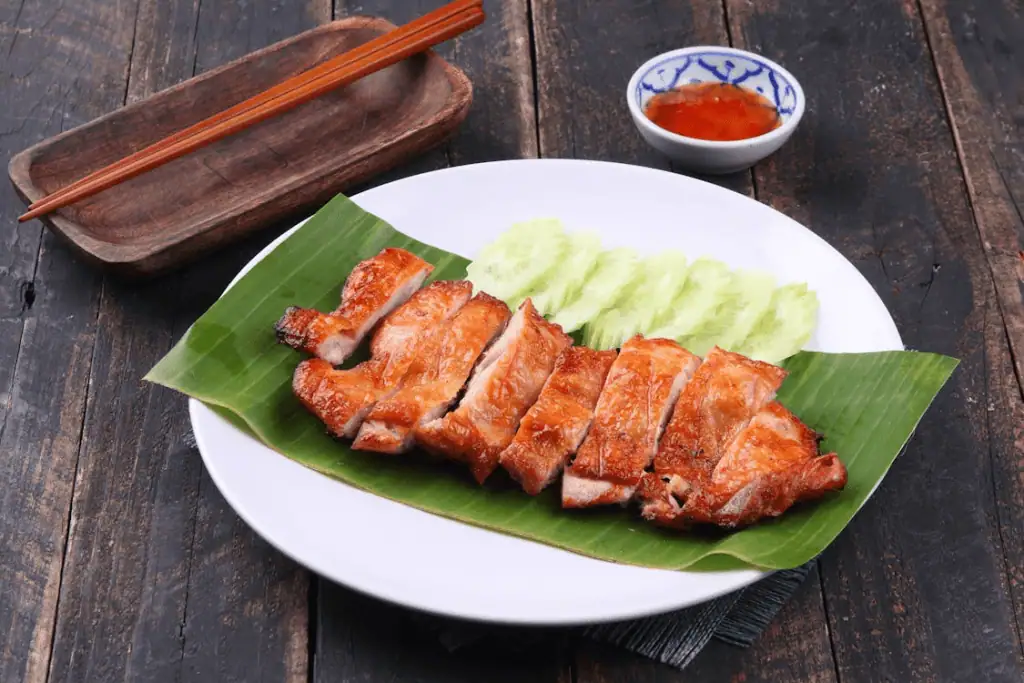
Instead of assigning one protein to one meal, modern meal planning builds flexibility by cooking proteins once and repurposing them throughout the week. A roasted chicken can become soup, sandwiches, salads, or stir-fries without extra prep. This approach reduces cooking fatigue and food waste while keeping meals interesting. For boomers used to cooking a full meal each night, this hack simplifies routines without sacrificing variety or nutrition.
Using Digital Timers for Everything
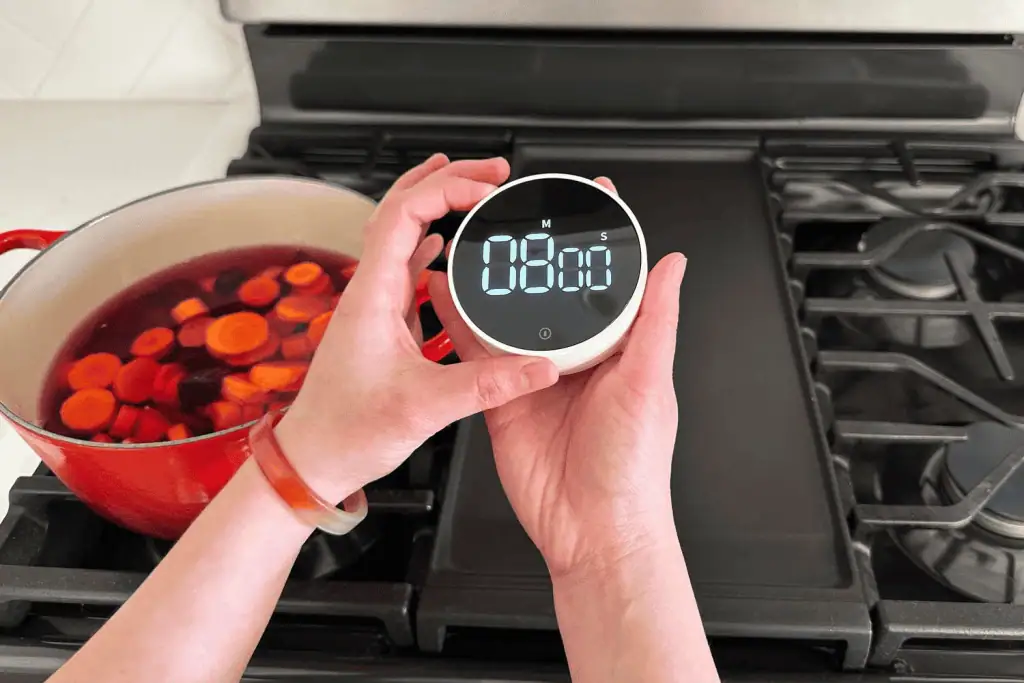
Modern kitchens rely heavily on digital timers not just for baking, but for stovetop cooking, steeping tea, resting meat, and even reheating leftovers. Using phone or smart-speaker timers prevents overcooking and eliminates guesswork. This habit replaces “watching the clock” with precision and peace of mind. For anyone juggling multiple dishes, timers reduce stress and improve consistency instantly.
Storing Produce for Longevity, Not Tradition
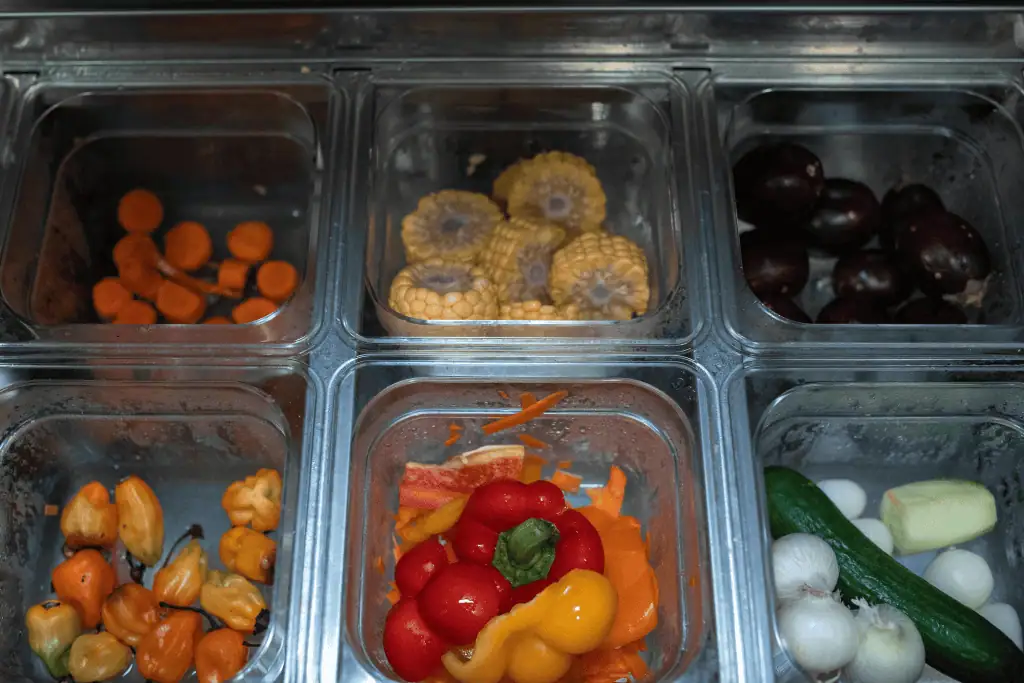
Many fruits and vegetables now last significantly longer when stored differently than older habits suggest. Herbs stored upright in water, leafy greens wrapped in breathable cloth, and berries kept dry extend freshness by days. Learning modern storage methods prevents premature spoilage and saves money. This hack is especially useful for smaller households where food often sits longer than it used to.
Embracing One-Pan and Sheet-Pan Cooking
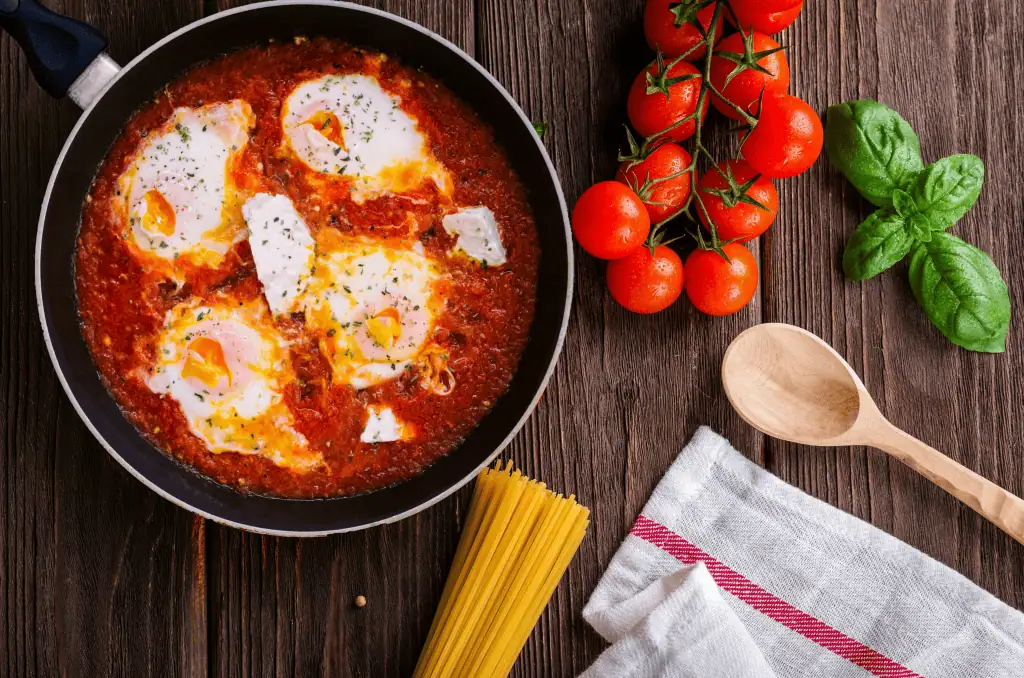
One-pan meals have become a cornerstone of modern cooking because they reduce cleanup while delivering balanced meals. Proteins and vegetables cook together at high heat, developing flavor without multiple pots. For boomers accustomed to multi-dish cooking, this method saves time, energy, and dishes. The results are reliable, customizable, and perfect for weeknight dinners without compromise.
Using Kitchen Scissors Instead of Knives
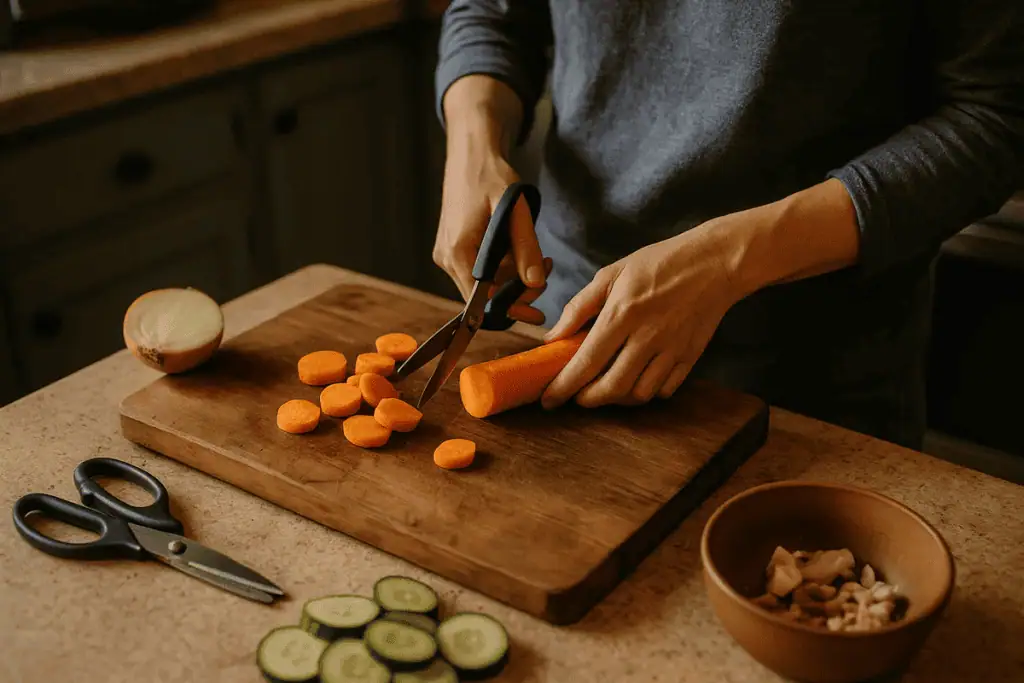
Kitchen shears have quietly become one of the most efficient modern tools. They cut herbs, trim meats, slice pizza, portion greens, and even open packaging faster than knives. This hack reduces strain and improves safety while speeding up prep. Many cooks who adopt scissors find themselves reaching for them more often than traditional cutting boards.
Freezing Ingredients Before They Go Bad
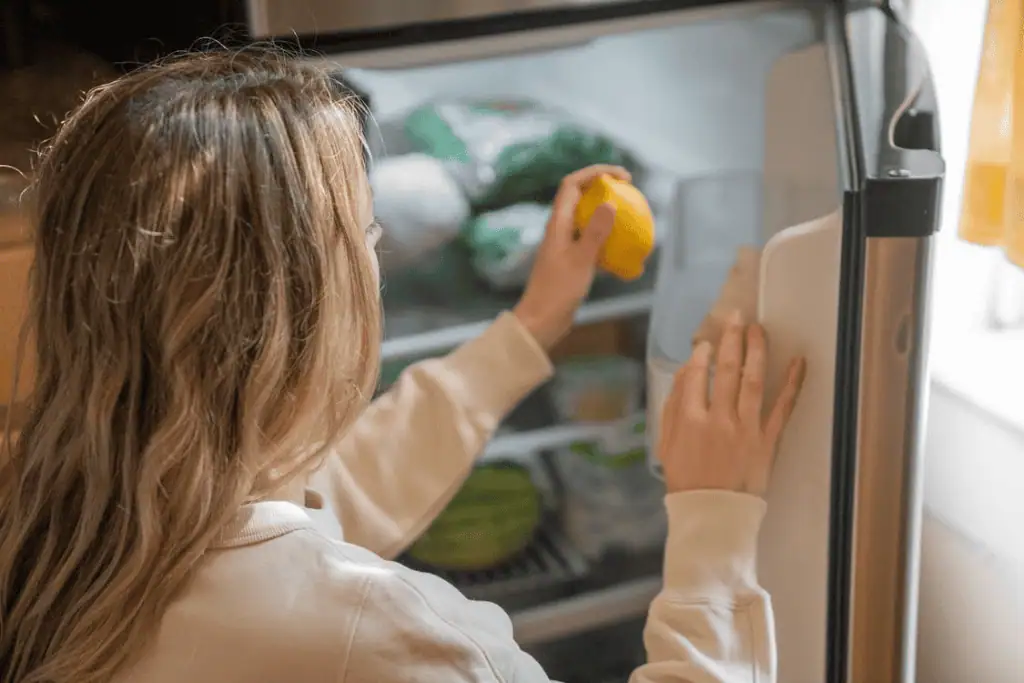
Modern home cooks freeze ingredients proactively rather than reactively. Chopped onions, peppers, bread slices, herbs in oil, and even cooked grains freeze beautifully and save time later. This habit turns leftovers into future shortcuts instead of waste. For boomers cooking smaller portions, freezing prevents throwing food away while supporting easier meals down the line.
Using Glass Containers for Leftovers
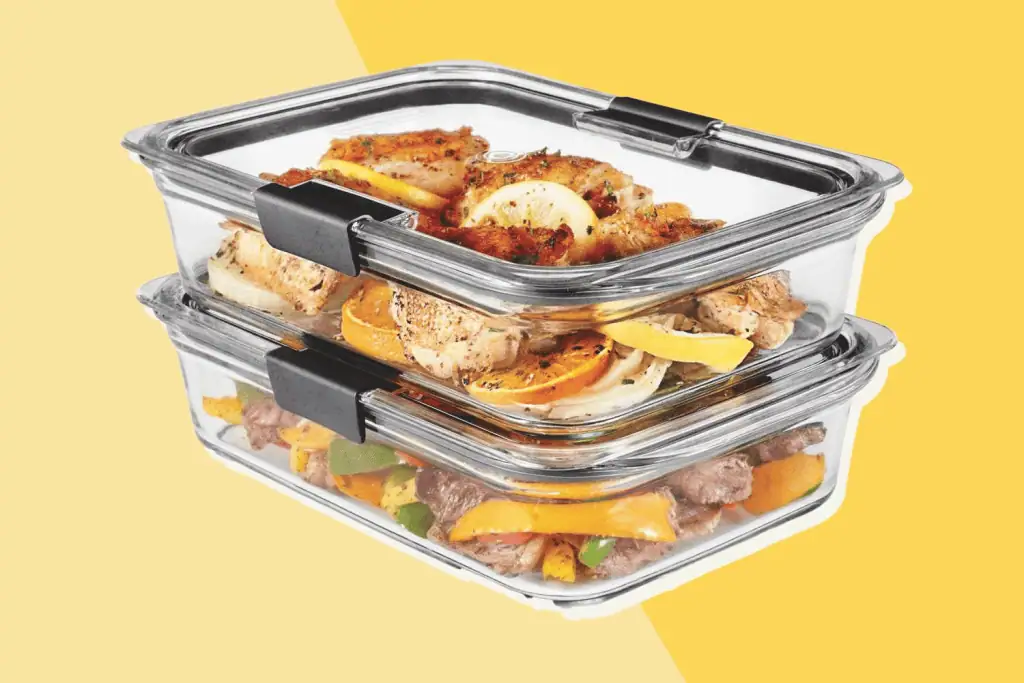
Glass storage has replaced plastic in many kitchens because it doesn’t stain, warp, or absorb odors. It also makes leftovers more visible, reducing forgotten food. Modern glass containers go straight from fridge to microwave or oven safely. This simple switch encourages better organization and makes reheating feel cleaner and more reliable.
Letting Appliances Do the Work
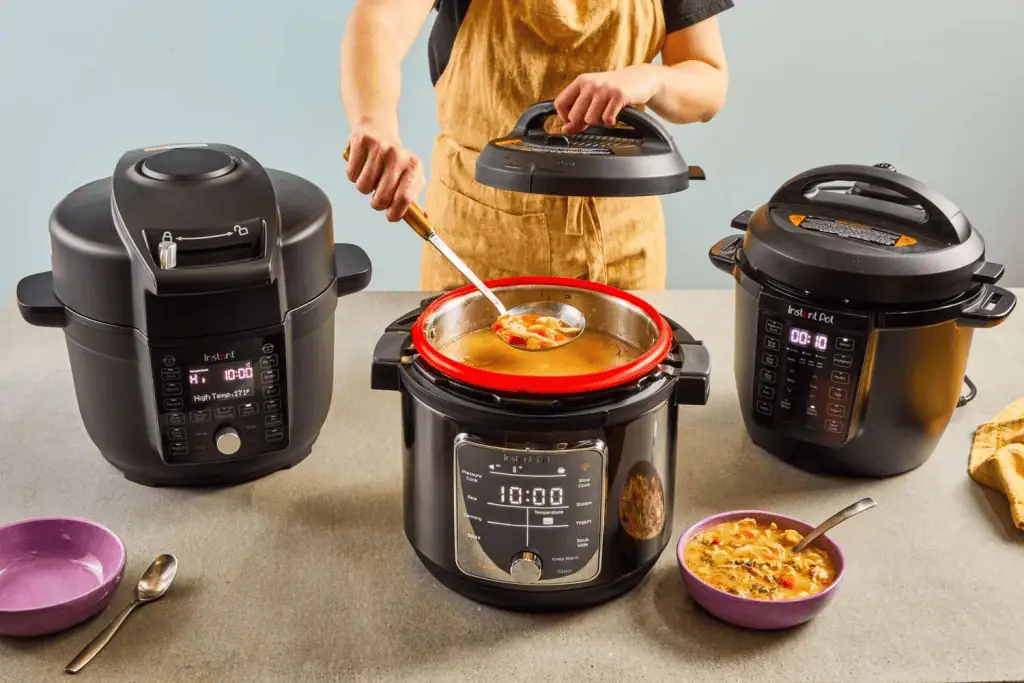
allrecipes, and electric pressure cookers now handle tasks that once required hours of attention. Using these appliances isn’t about laziness; it’s about efficiency and consistency. Toss-and-go cooking frees time while delivering dependable results. Boomers who adopt appliance-assisted cooking often find themselves enjoying cooking again rather than feeling tied to the stove.
Cooking by Temperature, Not Guesswork
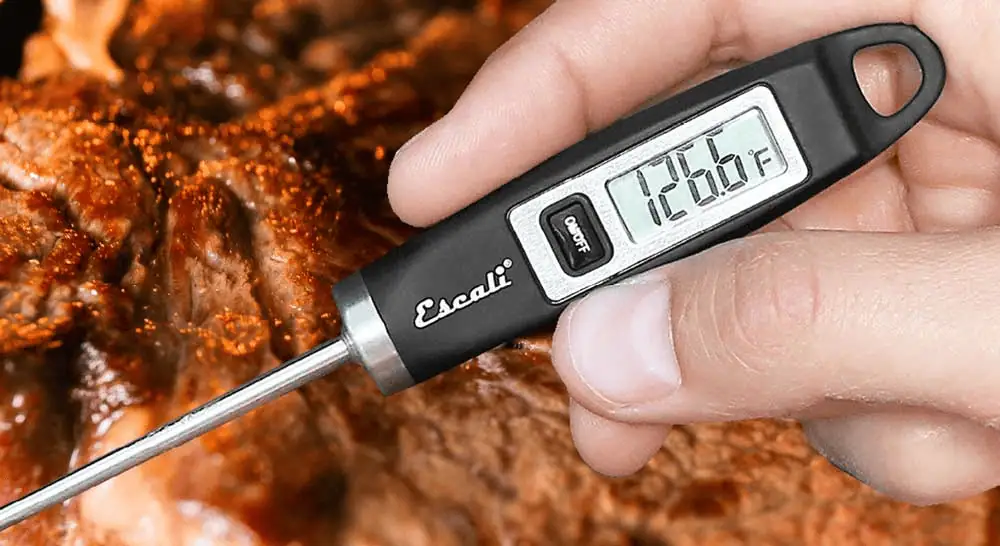
Modern kitchens increasingly rely on instant-read thermometers to ensure perfect doneness. Instead of cutting into meat or guessing, temperature tells the truth instantly. This improves safety and eliminates overcooking. Once adopted, this hack removes anxiety from cooking proteins and delivers more reliable meals every time.
Treating the Kitchen as a Flexible Space
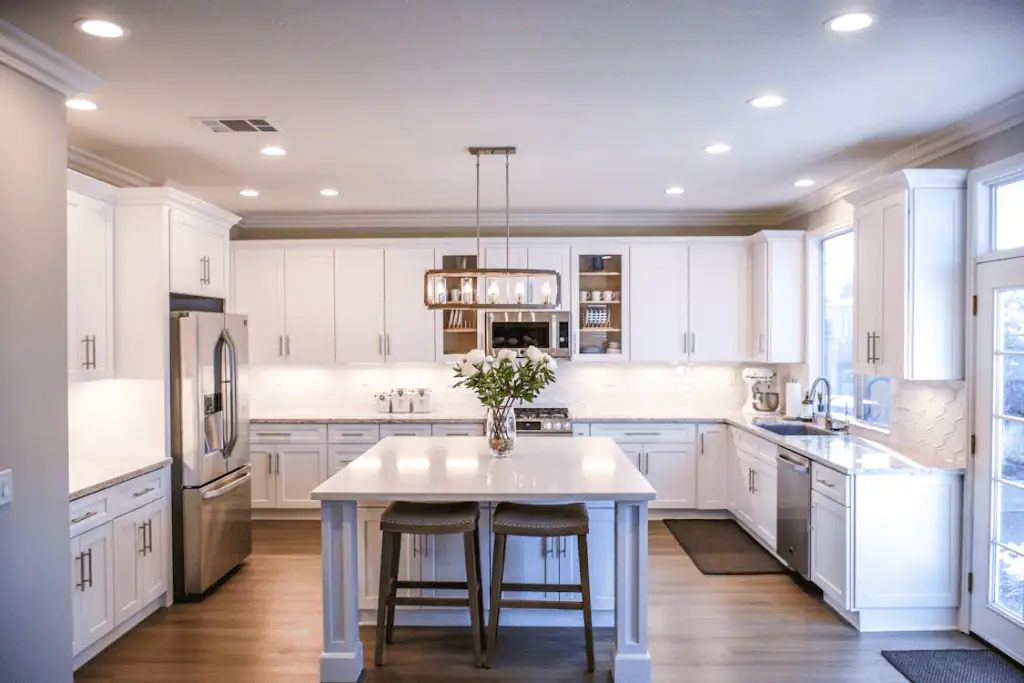
Modern cooking isn’t rigid; it adapts. Meals no longer need strict courses or fixed schedules. Breakfast foods become dinners, leftovers become lunches, and simple plates replace formal spreads. This mindset reduces pressure and keeps cooking enjoyable. For boomers raised on structured meals, embracing flexibility brings freedom without losing quality or tradition.
