
5 popular nut butters, Ranked from worst to best
Nut butter has quietly become a pantry personality test. Some jars are rich and roasty, some are ultra-creamy, and some seem healthier than they are exciting. We ranked five popular nut butters from worst to best based on flavor, texture, versatility, and how likely you are to keep reaching for another spoonful.
Walnut Butter

Walnut butter lands in last place not because it is bad, but because it is the most polarizing of the bunch. It has a distinctly earthy, slightly bitter finish that can taste sophisticated in theory and a little stubborn in practice. If you love walnuts, that deep flavor may be the whole point. For everyone else, it can feel like an acquired taste.
Texture is another hurdle. Walnut butter is often looser and oilier than people expect, which makes it fine for drizzling but less satisfying for a classic toast swipe. It also tends to disappear behind stronger ingredients in smoothies.
Still, in baking or paired with honey, it can be unexpectedly elegant. It just asks more from the eater than the others do.
Pistachio Butter
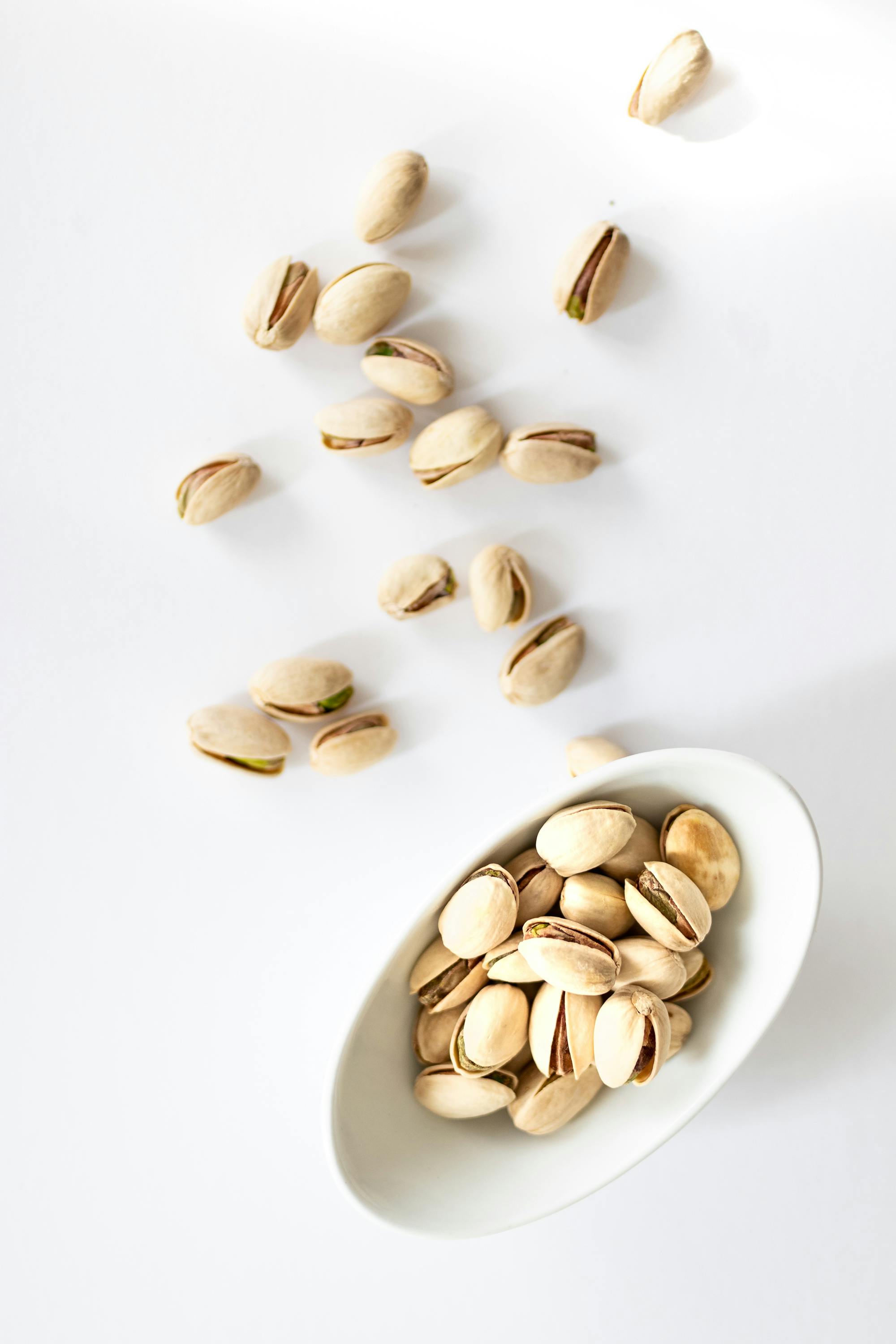
Pistachio butter feels fancy the moment you open the jar. The color is beautiful, the flavor is lightly sweet and buttery, and it has a dessert-adjacent charm that makes breakfast feel a little more glamorous. It is the kind of spread that impresses guests even if all you did was put it next to sliced fruit.
So why is it this low? Mostly because it is more niche than essential. The flavor can be delicate, and the price is often high enough to make every spoonful feel like a financial decision.
It also is not as universally useful as the top contenders. Delicious, yes. Everyday staple for most kitchens, not quite.
Cashew Butter
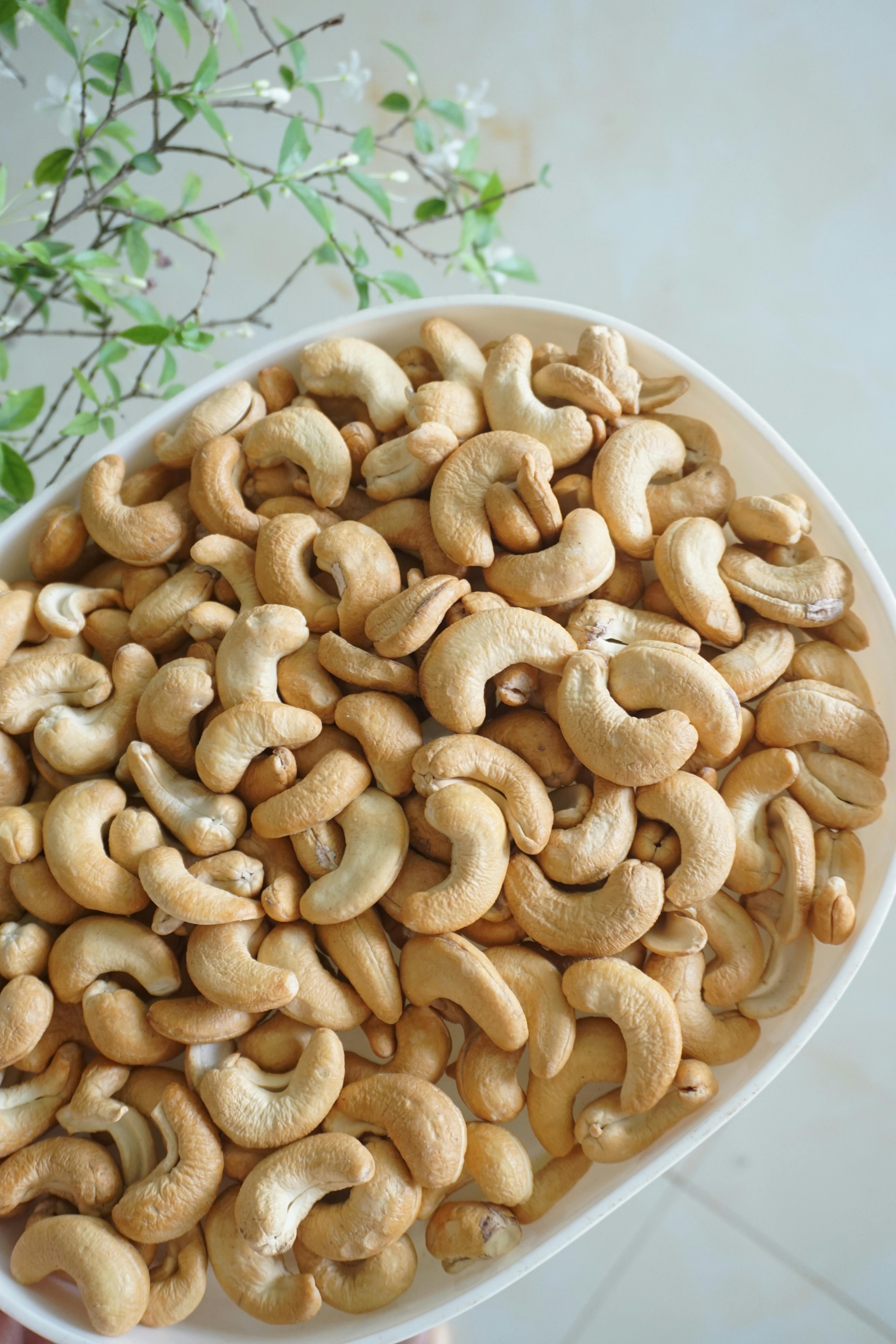
Cashew butter is the smooth operator of the nut butter world. It is mellow, creamy, and easy to like, with a naturally sweet flavor that makes it feel softer and more subtle than stronger nut spreads. If peanut butter is loud and proud, cashew butter is the friend who never raises their voice and still gets invited everywhere.
Its biggest strength is versatility. It blends beautifully into sauces, oatmeal, smoothies, and desserts without taking over the whole dish. That makes it a secret weapon in both sweet and savory cooking.
The only reason it does not rank higher is personality. It is lovely, but it can read a little too gentle when you want something bold and craveable.
Almond Butter
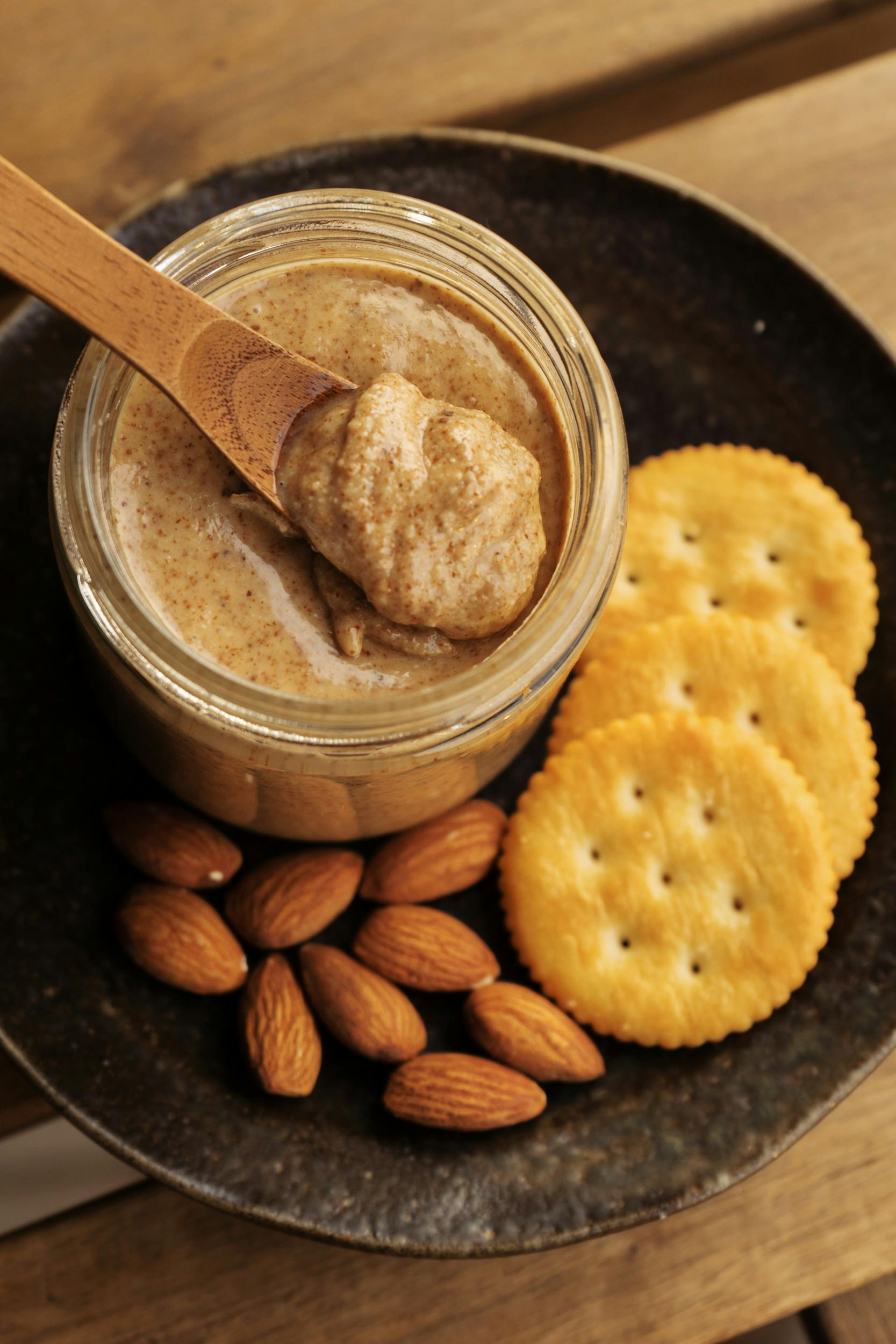
Almond butter earns the runner-up spot because it manages to feel both wholesome and genuinely delicious. It has a roasted depth that is more interesting than cashew butter, but it still plays nicely with fruit, toast, oatmeal, and baked goods. It also has that slightly gritty, hearty texture many fans swear makes it feel more substantial.
This is the jar people buy when they want something a little more grown-up than peanut butter. It tastes nutty in a focused, clean way and can make even a basic apple slice snack feel upgraded.
Its only drawback is that some versions lean dry or overly oily. When the texture is right, though, almond butter is very hard to beat.
Peanut Butter
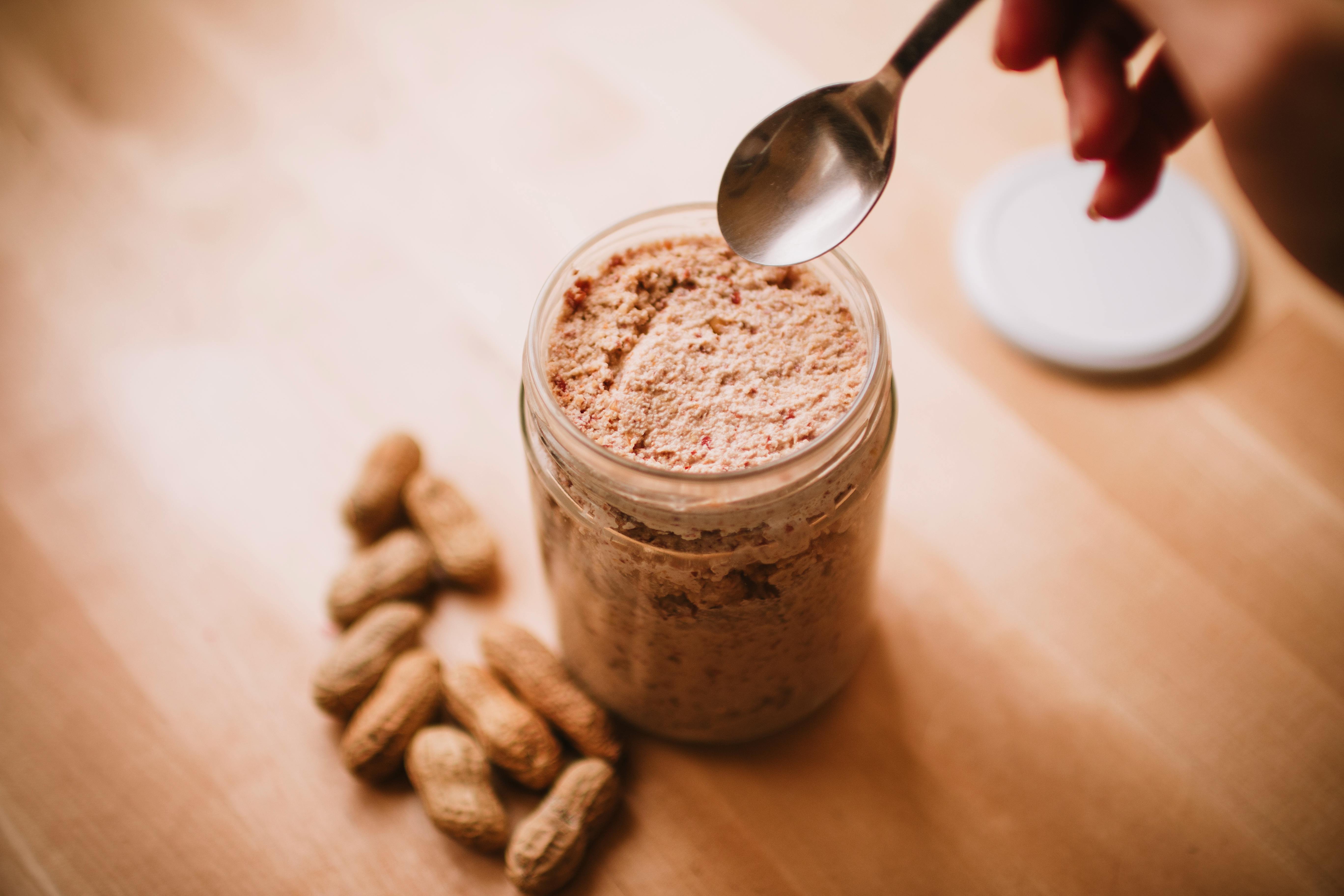
Peanut butter takes the top spot because it does everything and still feels comforting every single time. It is rich, salty, a little sweet, and instantly recognizable, which gives it a home-field advantage no other nut butter can match. Whether you prefer smooth or crunchy, it delivers a satisfying texture and a flavor that stands up beautifully on its own.
It also wins on versatility. Peanut butter belongs in sandwiches, cookies, sauces, smoothies, breakfast bowls, and late-night spoon raids. Few foods move so easily between nostalgic and practical.
Most importantly, it is the jar people actually finish. In a crowded field of trendy spreads, peanut butter remains the classic for a reason.
How We Judged the Jars

Ranking nut butters is not just about nutrition labels or which one sounds the most upscale. The real test is how they taste on a plain spoon, how they spread on toast, and whether they still seem appealing after the novelty wears off. A great nut butter should be craveable first and virtuous second.
Texture mattered a lot here. Some butters are silky and spoonable, while others split, clump, or feel oddly dry. The best jars strike that sweet spot between rich and spreadable without turning every snack into a wrist workout.
Versatility also tipped the scale. If a nut butter only shines in one very specific setting, it loses ground fast.
What Makes a Nut Butter Worth Buying
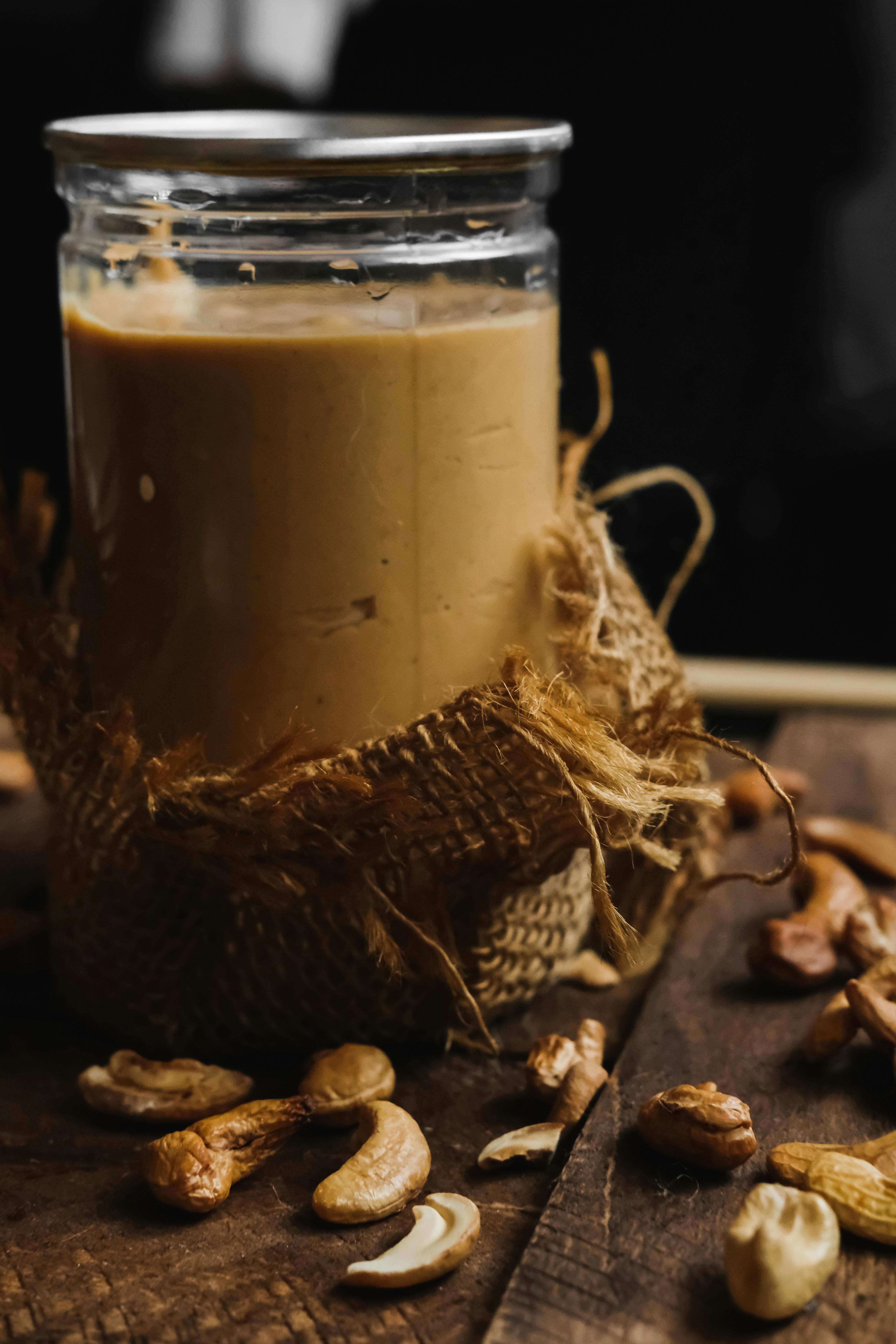
The best nut butter is not always the one with the flashiest branding or the longest wellness résumé. It is the one that makes ordinary food taste better with very little effort. Spreadability, balance, and a flavor that feels complete without extra sugar all matter more than marketing language.
Price plays a role too, especially for something people use regularly. A premium jar can be wonderful, but if it feels too precious to open, it stops being useful. Everyday foods need a little generosity.
That is why the higher-ranked picks feel easy to live with. They are not just good in a tasting moment. They fit naturally into actual routines.
The Best Nut Butter for You
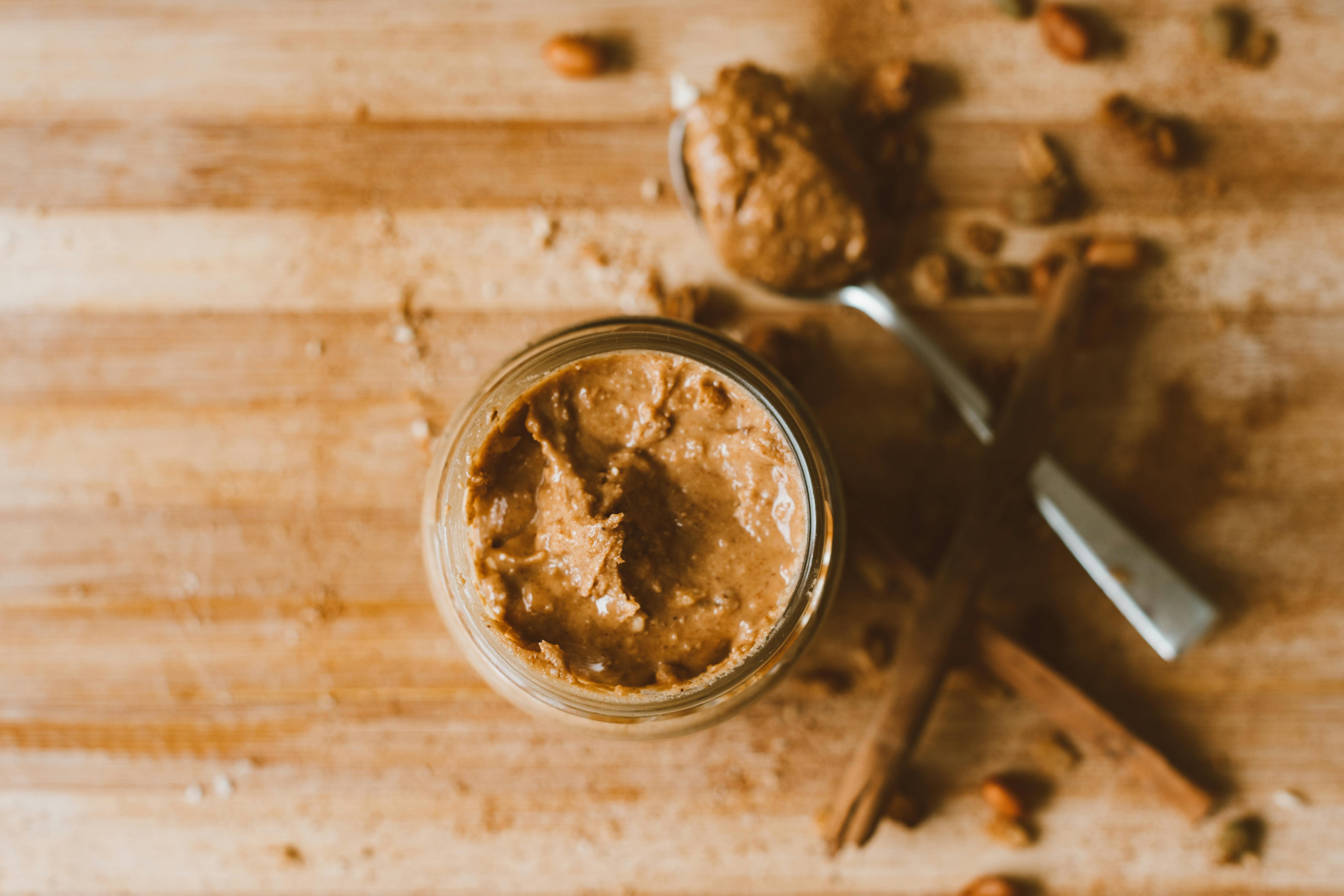
Even with a clear winner, this is still a personal category. If you love delicate sweetness, cashew or pistachio butter may be your dream jar. If you want a deeper roasted profile, almond butter has serious appeal. And if you are loyal to classic comfort, peanut butter probably never left your top spot anyway.
The good news is that there is no bad way to enjoy a nut butter you genuinely like. Stir it into oats, swipe it onto apples, or eat it straight from the spoon and call it quality control.
Our ranking is the conversation starter. Your pantry habits are the real final vote.
