
Crisis in the Corn Belt: What’s Threatening America’s Heartland?
The Corn Belt has long been the backbone of American agriculture, playing a crucial role in food production and economic stability. Recently, a series of challenges has begun to threaten this vital region. This guide breaks down critical issues impacting the Corn Belt, focusing on ecological threats and economic factors affecting farmers. By understanding these challenges, we can appreciate the intricate balance needed to sustain this essential area.
Vanishing Heartland: A Closer Look

The heartland’s expansive cornfields are facing unprecedented pressures. Population decline and urban expansion contribute to the loss of valuable farmland. As younger generations migrate to cities for better opportunities, the rural workforce decays. Each of these shifts compounds to reduce the land available for cultivation, threatening the very core of the Corn Belt’s identity and productivity.
Economic Shifts Impacting Farmers

Farmers in the Corn Belt are grappling with volatile market conditions, often driven by global trade tensions and fluctuating commodity prices. These economic shifts leave their livelihoods uncertain. For many, operational costs continue to rise, from equipment to seed prices, while profit margins shrink. Understanding these dynamics is crucial for anyone examining the future challenges in sustaining this traditional farming region.
Climate Change: A Growing Threat
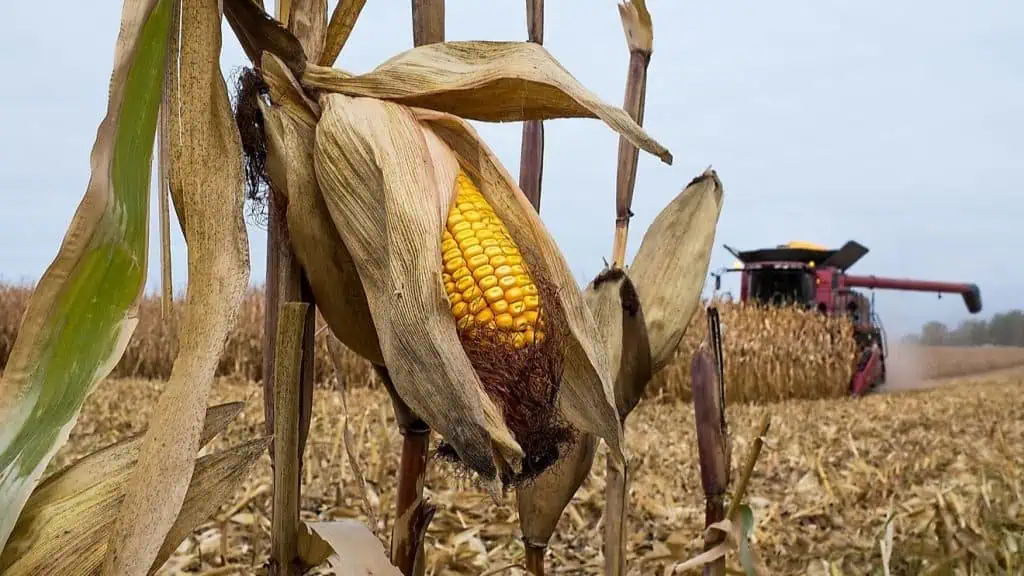
Climate change introduces unpredictable weather patterns that disrupt planting and harvest cycles. Droughts, excessive rainfall, and storms are more frequent, impacting crop yields and quality. Adapting to these conditions requires new farming techniques and technologies, yet implementing such changes can be costly and complex, leaving farmers in a difficult position as they try to balance immediate needs with long-term sustainability.
Soil Degradation and Sustainability
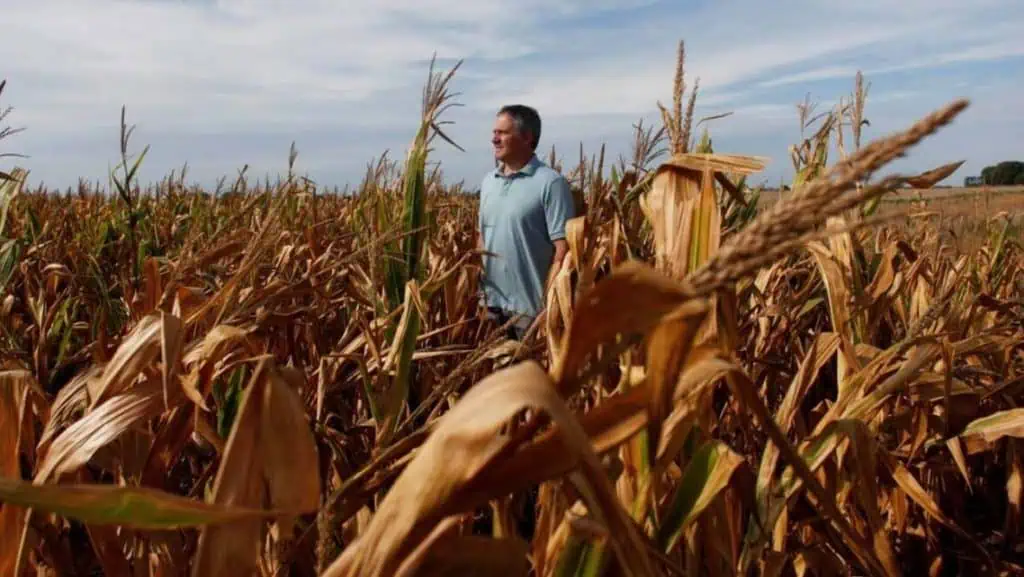
Soil health is fundamental to crop production, yet intensive farming practices have led to significant degradation. Erosion, loss of organic matter, and nutrient depletion challenge the land’s ability to support future harvests. Implementing sustainable farming methods, such as crop rotation and conservation tillage, can improve soil quality, but adoption is slow due to cost and traditional farming mindsets. Addressing these issues is vital for securing the Corn Belt’s agricultural future.
Technological Advancements: Help or Hindrance?

Technological advancements in agriculture have transformed farming practices, offering tools that increase efficiency and yield. Precision farming allows farmers to apply resources like water and fertilizer with pinpoint accuracy, maximizing growth while minimizing waste. However, these technologies carry high costs and require specialized knowledge, potentially putting smaller farms at a disadvantage. There is a balance needed between embracing innovation and maintaining equitable access, ensuring every farmer benefits without the risk of financial strain.
