
Chai 101: What It Is, What’s in It, and Whether It’s Good for You
Chai, a robust and aromatic beverage, holds a cherished place in many cultures, particularly in South Asia. Blending spices with tea, milk, and sweeteners, chai offers a complex flavor profile that’s both soothing and invigorating. This guide delves into its components and nutritional aspects, providing valuable insights for those eager to explore its culinary potential. Whether you’re a seasoned enthusiast or new to chai, understanding its essence enhances both appreciation and preparation.
Understanding Chai’s Origins
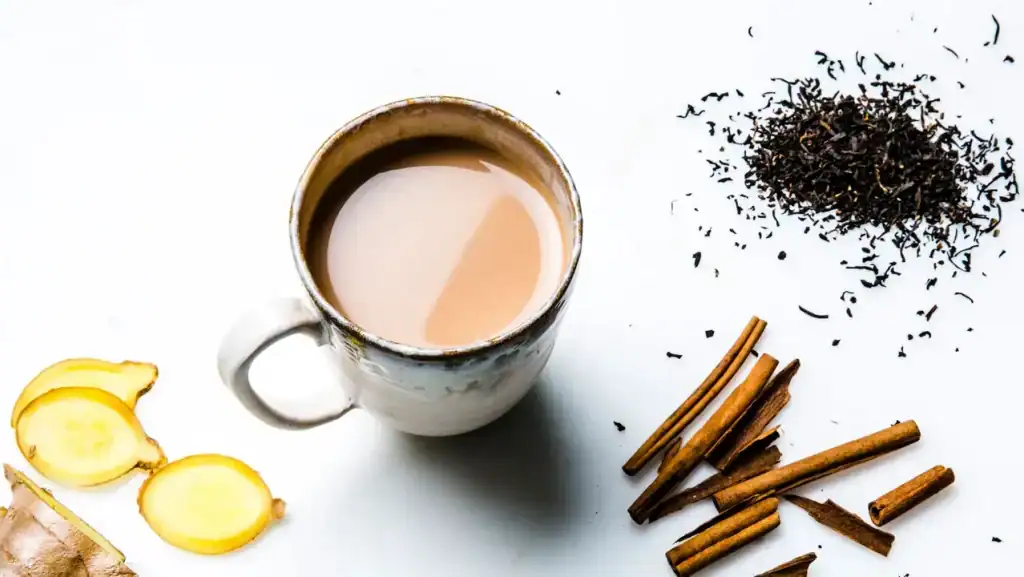
Chai’s origins trace back to ancient India, where it was consumed for both its restorative and antioxidant properties. Traditionally, chai masala—masala meaning a mixture of spices—was brewed with black tea, often Assam, and regional spices. These spices vary but typically include cardamom, ginger, and cloves. Driven by cultural and geographical variations, chai has adapted over the centuries to suit local palates, creating an array of interpretations. Its historical significance and evolving nature make it a captivating subject for culinary exploration.
Key Ingredients in Chai
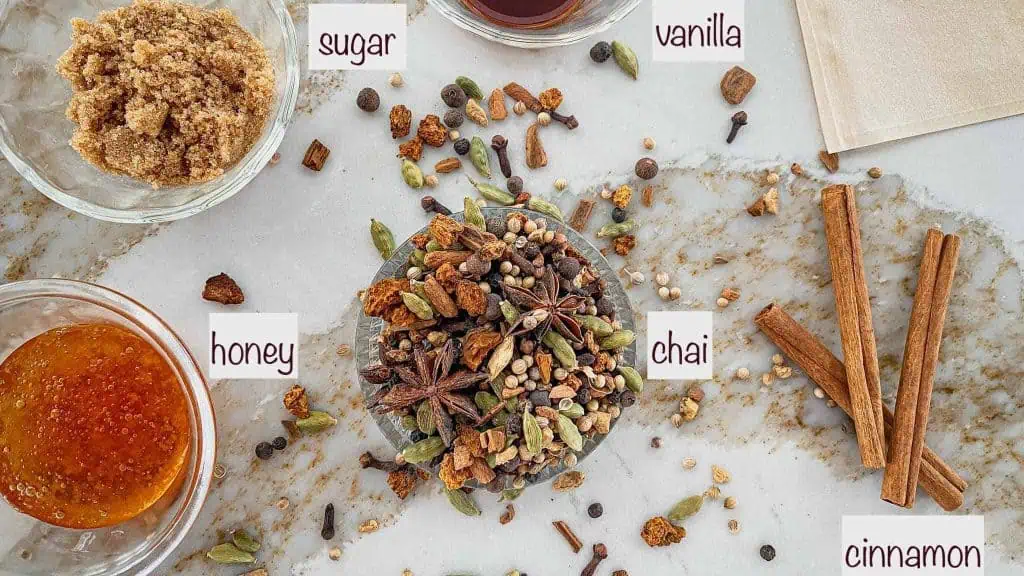
The flavor base of chai typically consists of black tea, imparting rich tannins, and a medley of spices such as cardamom, ginger, cinnamon, cloves, and peppercorns. These spices contribute warmth and depth, transforming each sip into an aromatic experience. Milk—often whole or plant-based—adds creaminess, while sugar or honey provides balancing sweetness. The interplay of these elements produces a beverage nuanced in taste and texture, inviting endless customization based on personal preference. Understanding each ingredient’s role is key to mastering chai.
Health Benefits of Chai

Chai offers several health advantages, primarily from its spices, which possess anti-inflammatory and antioxidant properties. Ginger and cinnamon aid digestion and support metabolic function, while cardamom is known for its detoxifying abilities. Black tea, rich in polyphenols, supports heart health. Additionally, chai’s comforting nature can reduce stress, enhancing overall well-being. For those integrating it into their diet, chai provides not only an uplift in spirits but also a boost to health, crafted thoughtfully through its diverse ingredients.
Potential Downsides to Chai
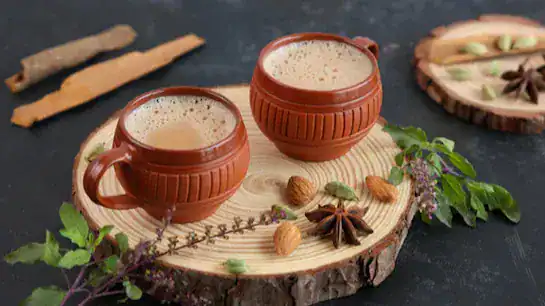
While chai offers numerous benefits, it’s essential to consider certain drawbacks. The addition of sugar can contribute to excessive calorie intake, potentially affecting weight management. Some may experience digestive issues due to lactose if traditional milk is used, making dairy alternatives a practical substitute. Additionally, the caffeine content in black tea may not suit everyone, particularly those sensitive to stimulants. Moderation and mindful ingredient choices can mitigate these concerns, allowing chai to be enjoyed as a balanced part of a healthy lifestyle.
Making the Perfect Chai at Home

To make a well-balanced chai at home, start by gently boiling water and adding black tea leaves for a robust base. Integrate warming spices like cinnamon, cardamom, and ginger, letting their aromas meld together. For sweetness, choose sugar or honey, adjusting to taste. Creaminess comes from adding milk; simmer to develop a rich, layered flavor. Strain into cups, savoring the blend of spices and smoothness in every sip. This method highlights texture and depth, giving home cooks a reliable way to craft authentic chai.
Exploring Chai Variations
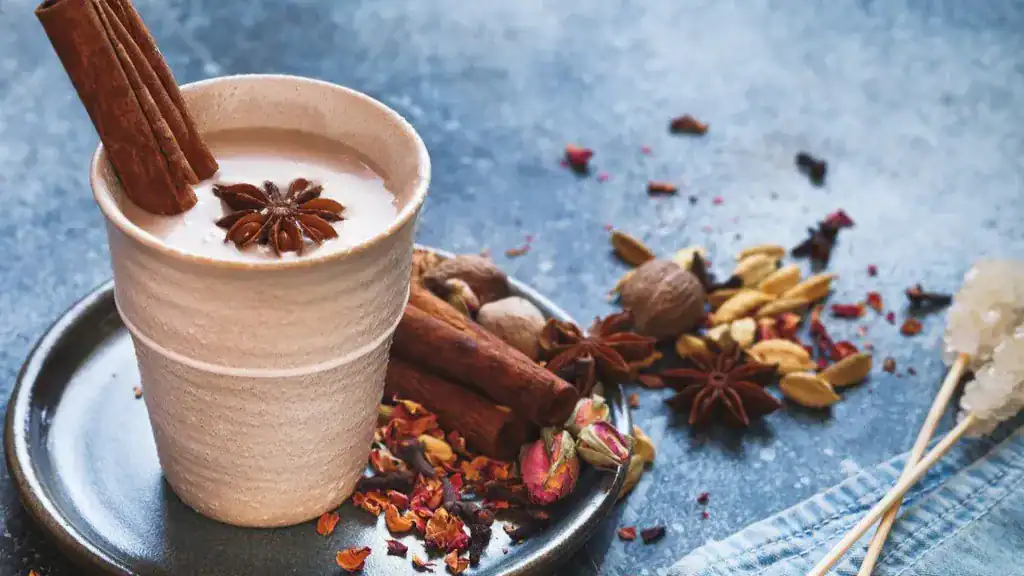
Chai adapts effortlessly, inviting creativity in your kitchen. Explore masala chai by intensifying spices such as cloves and star anise for an aromatic touch. Or, add a vanilla pod for subtle sweetness and a velvety texture. Try different milk options, like almond or oat milk, to cater to dietary preferences. Adjust sweetness with brown sugar or stevia for variation. Each change enriches the drinking experience, allowing you to discover multiple layers of flavor and aroma, encouraging versatile explorations of this beloved beverage.
Chai in Different Cultures

Chai’s global journey showcases diverse cultural influences. In India, chai wallahs craft potent street-side brews with bolder spices. In the Middle East, tea often includes cardamom and saffron, bringing warmth and opulence. Meanwhile, East African chai blends incorporate clove and black pepper for a spicier profile. Western versions might lean towards sweeter, dessert-like interpretations. Each variant reflects regional palates and traditions, celebrating chai as a unifying yet versatile drink, embraced and adapted across continents.
