
Madonna Inn’s Pink Cake Moment: How a Cake Sparked Viral Craze
In an era dominated by fast-moving food trends, it wasn’t a celebrity chef or a flashy pop-up that grabbed national attention; it was a slice of pink cake. The moment unfolded quietly at Madonna Inn, a landmark long known for its unapologetically maximalist identity. There was no campaign, no influencer strategy, and no attempt to modernize the product. Instead, the cake’s sudden popularity revealed something deeper about how food goes viral today: familiarity, nostalgia, and visual consistency can still cut through the noise and capture attention without forcing relevance.
A Cake That Was Already Famous: Just Not Online

The Madonna Inn’s pink champagne cake has been served for decades, often marking birthdays, anniversaries, and celebratory dinners for guests visiting the property. Locals recognized it instantly, and repeat visitors expected it as part of the experience. Yet outside central California, the cake existed mostly out of view. That shifted when photos and short videos began circulating online, highlighting its pale pink frosting, soft layers, and unmistakable presentation. Nothing about the cake had changed. Its appeal came precisely from the fact that it looked the same as it always had.
Why the Pink Cake Translated So Well Online

The cake’s visual clarity played a major role in its viral moment. It’s immediately recognizable, even without context, and its color alone can stop a scroll. But the appeal went deeper than aesthetics. The cake communicated permanence in a digital space obsessed with novelty. Viewers weren’t watching a trend being launched; they were discovering something that had quietly existed for years. That sense of authenticity made the moment feel organic rather than engineered. The cake didn’t chase relevance; it simply revealed itself at the right cultural moment.
Nostalgia as a Growth Engine
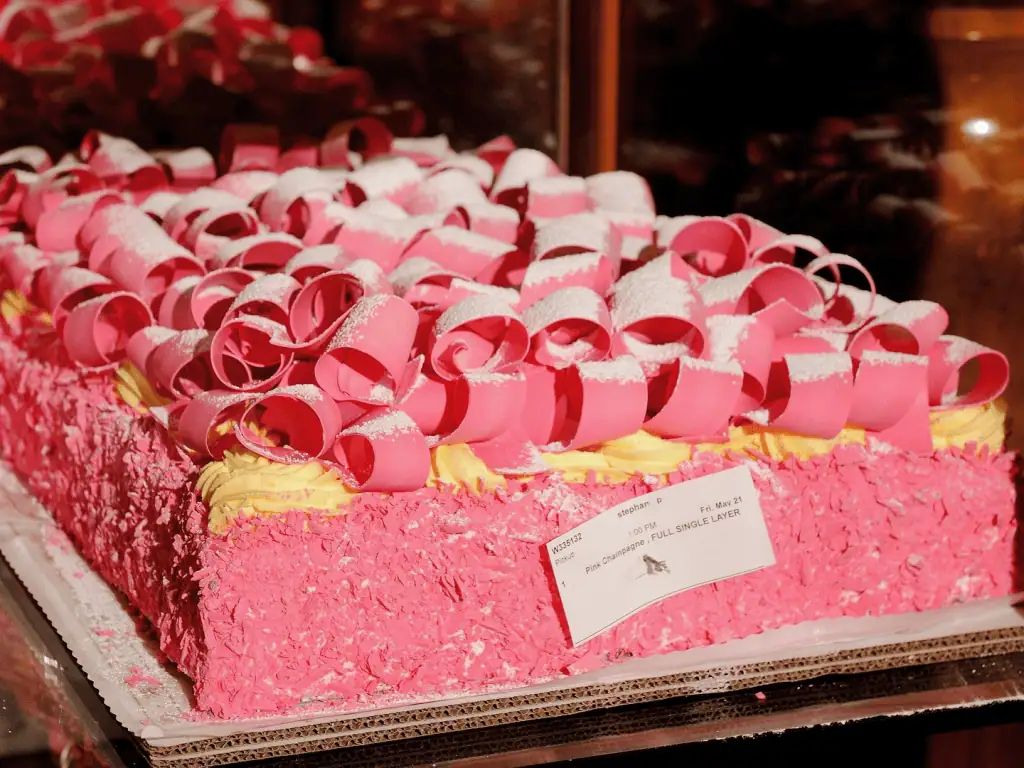
Much of the pink cake’s appeal comes from what it represents emotionally rather than how it tastes. For many longtime guests, it’s tied to birthdays, anniversaries, family trips, or childhood memories of visiting the Madonna Inn. Online audiences responded to that emotional weight, even if they had never experienced it firsthand. In a food culture saturated with novelty and constant reinvention, the idea of a dessert that never changed felt grounding. The cake didn’t just go viral; it activated a shared longing for traditions, rituals, and experiences people either remembered fondly or wished they’d had.
From Destination Dessert to Nationwide Curiosity

As attention grew, curiosity extended far beyond the cake itself. Viewers weren’t only asking about ingredients or recipes; they wanted the full Madonna Inn experience. Videos lingered on the dining room, the pink decor, and the ritual of ordering dessert at the end of a meal. The cake became shorthand for the place, symbolizing a destination rather than a standalone product. This moment proved that food deeply tied to a physical location can capture national interest without scaling production, franchising, or adapting to trends. The draw was immersion, not accessibility.
What the Pink Cake Moment Reveals About Food Virality
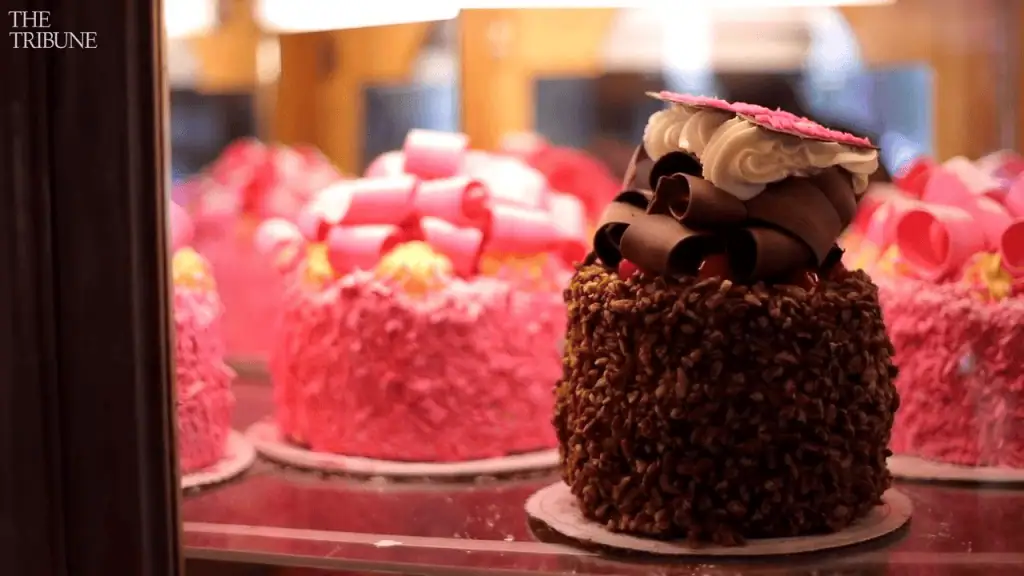
The rise of Madonna Inn’s pink cake highlights a subtle shift in how food goes viral online. It wasn’t engineered for algorithms, optimized for clicks, or built around novelty. It spread because it was specific, consistent, and emotionally anchored. In contrast to trend-driven food content that burns out quickly, this moment showed the power of longevity. Familiarity became the hook. Instead of innovation, the appeal came from refusal to change, proving that cultural resonance and emotional clarity can sometimes outperform reinvention in the attention economy.
