
14 Everyday Items People Are Leaving Behind as Prices Rise
Have you noticed your grocery bill creeping higher and higher lately? You are not alone. As prices climb, shoppers across the country are rethinking what goes into their carts, and some longtime favorites are quietly disappearing from kitchens everywhere. The rotisserie chicken that used to save dinner night, the orange juice that brightened breakfast, and the bag of nuts that made a perfect snack are all feeling the squeeze. But here is the encouraging news. With a little creativity and planning, you can still enjoy delicious, satisfying meals without stretching your budget to the breaking point.
In this guide, we will look at fifteen grocery staples that rising prices are pushing aside, from pre-packaged salads and frozen dinners to bacon, olive oil, and fresh berries. More importantly, we will explore smart, practical alternatives for each one, like roasting a whole chicken at home, building casseroles ahead of time, or turning to frozen produce and homemade treats. As your guide, I want to help you shop smarter and cook with confidence, so your family eats well even when the economy feels uncertain. So grab your list and let’s make the most of every dollar together.
Rotisserie Chickens Fly the Coop

Rotisserie chickens, once a convenient option for quick meals, are becoming less popular due to climbing costs. These ready-to-eat dinners offer juicy, flavorful meat and crispy skin but now often exceed budget limits. Instead, home cooks are turning to whole raw chickens, which can be roasted at home using simple seasonings like salt, pepper, and herbs. This not only lowers the price per meal but also allows greater control over flavors and portions, making home cooking a more viable and delicious solution.
Orange Juice: A Squeezed Budget

Rising costs of orange juice are pushing consumers to reconsider their breakfast choices. Fresh-squeezed juice offers vibrant acidity and sweetness that pairs perfectly with morning meals, but its price is prompting many to explore alternatives. Some choose to buy whole oranges for juicing at home, reducing waste and expenditure. Others are opting for seasonal fruits, which can offer a similar freshness and nutritional value, enabling a refreshing start to the day without breaking the bank.
Pre-Packaged Salads: No Longer Fresh

Convenience often comes at a premium, and pre-packaged salads are no exception, with rising prices leading to a decline in their popularity. While these offer a quick solution for meal preparation, assembling salads from scratch can be more economical and fresher. Purchasing whole vegetables, washing, and chopping them yourself not only preserves crispness and nutrients but also allows creative freedom in mixing flavors and textures, making homemade salads a satisfying and budget-friendly choice.
Bacon: A Pricey Breakfast Treat

Bacon’s smoky aroma and crispy texture make it a beloved breakfast staple, but escalating prices are causing many to leave it behind. As an alternative, cooks are exploring other breakfast proteins such as sausages or turkey bacon, which often come at a lower cost. Alternatively, using bacon as a flavor accent in dishes rather than the main ingredient can stretch its impact. Crumbling a smaller amount over salads or pastas is an effective way to enjoy its robust taste without a steep financial impact.
Sliced Deli Meats: Off the Menu

As prices increase, home cooks are substituting deli meats with more economical protein options. Consider using roasted chicken thighs or pork tenderloin. These cuts offer robust flavors and can be prepared in bulk, making them versatile for salads, sandwiches, or pasta dishes. Rotate seasonings like smoked paprika or fresh herbs to keep meals interesting. Store cooked meats in airtight containers to retain moisture and extend freshness, ensuring delightful meals without compromising on quality.
Yogurt Cups: No Longer in Culture

With yogurt cups becoming less budget-friendly, opt for large tubs of plain yogurt, which provide more servings per dollar. Customize your yogurt with fresh fruits, honey, or granola for texture and flavor. Homemade fruit compotes using seasonal fruits are cost-effective and elevate simple yogurt into a satisfying treat. Moreover, plain yogurt serves well in savory applications, like marinades or dips, proving its versatility and value in everyday meal prep.
Frozen Dinners: Meals on Ice
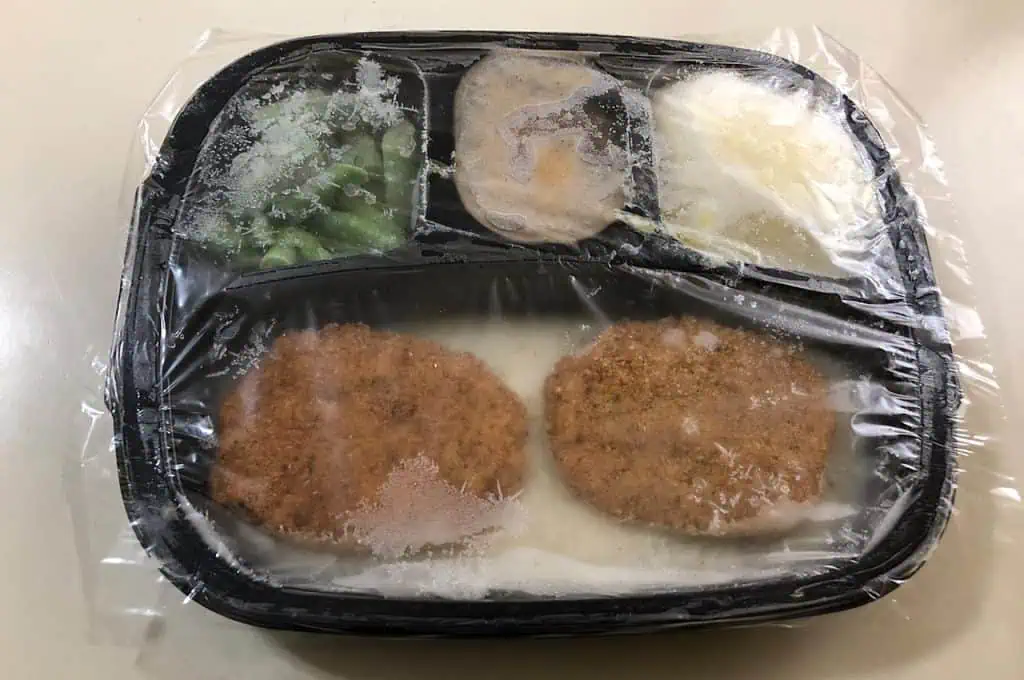
Frozen dinners are being swapped out for make-ahead casseroles that offer control over ingredients and cost. Utilize seasonal vegetables and grains like rice or quinoa, layering them with proteins such as beans or shredded chicken. Baking a casserole on the weekend sets up meals for the week, ensuring both convenience and nutrition. Freeze portions individually to have homemade, ready-to-eat meals that rival any store-bought option, keeping both your budget and taste buds satisfied.
Ice Cream: Melted from Lists

As ice cream loses its place in shopping carts, try homemade versions using basic ingredients like cream, sugar, and vanilla. Even without an ice cream maker, a simple technique of whipping cream and folding in condensed milk provides a creamy base. Enhance flavors with fruit purees or chocolate shavings for a variety of indulgences. Experiment with textures, incorporating nuts or swirls, allowing for personalized, affordable treats that can compete with gourmet options.
Olive Oil: Slipping Away

With olive oil prices on the rise, explore alternatives like vegetable or canola oil for everyday cooking. Reserve higher-quality olive oil for drizzling over finished dishes to maximize its flavor impact. Infuse less expensive oils with herbs or garlic for added taste without extra cost. Employ oil-substituting techniques like broth or water sautéing in some dishes, which not only stretches the pantry but also offers a lighter cooking method, maintaining health and flavor balance.
Canned Soup: Out of Stock
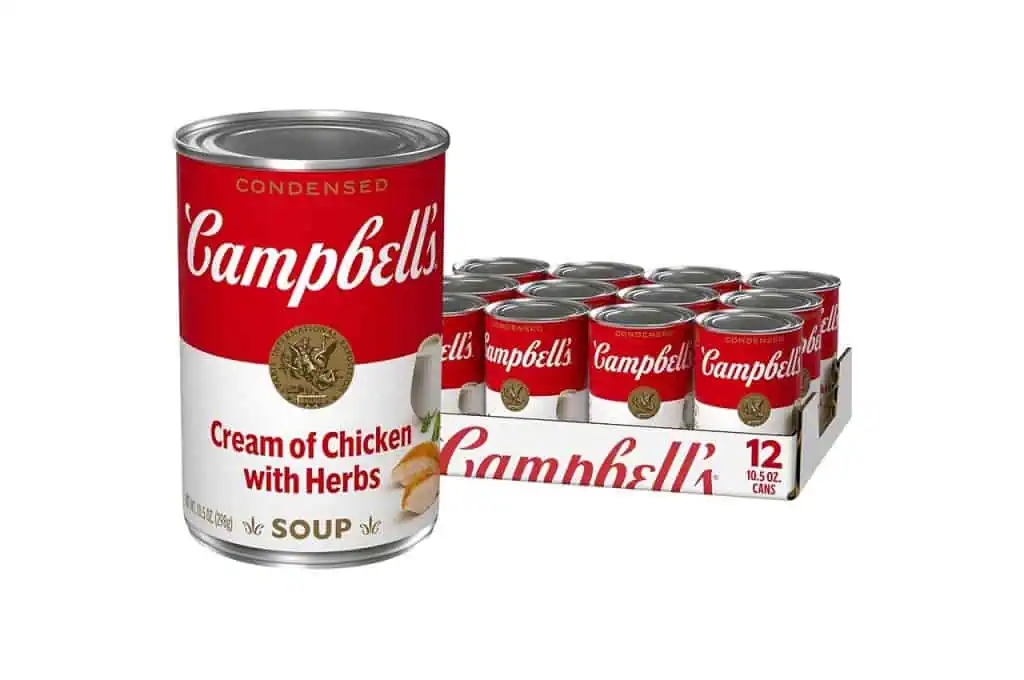
Canned soup, once a pantry staple for quick meals, is becoming scarce as prices soar. The convenience of opening a can and serving a piping hot meal in minutes is undeniable. However, exploring alternatives like homemade soup can be both cost-effective and rewarding. Utilize seasonal vegetables and create a flavorful stock using leftover chicken bones or vegetable scraps. This not only adds depth but also allows you to control the salt and spice levels, making it a healthier choice. A batch of homemade soup can be easily frozen, maintaining the convenience without the rising cost.
Energy Drinks: Fizzling Out

Energy drinks, known for their promise of a quick vitality boost, are seeing diminished popularity as prices climb. For a homemade alternative, consider natural energy boosters like smoothies. Use fresh fruits, spinach, and chia seeds to create a nutrient-dense drink. Add a touch of honey or a splash of citrus for balanced sweetness and zing. The natural sugars and fibers provide sustained energy, unlike the quick spike from packaged drinks. Preparing these at home not only cuts costs but also allows you to tailor flavors and nutritional content to your preference.
Nuts: Cracked Budgets

Nuts, though nutritious and versatile, are increasingly being left off shopping lists due to their rising cost. Seek alternatives such as seeds, which provide similar nutritional benefits. Sunflower or pumpkin seeds can be toasted lightly with a sprinkle of salt or your favorite spice blend for a satisfying crunch. Using seeds in salads, yogurts, or homemade granola bars adds texture and nutrition without the hefty price tag. Embrace bulk buying when feasible, storing them in airtight containers to maintain freshness and maximize savings.
Frozen Pizza: Not a Slice Left

Frozen pizza, a convenient dinner option, is becoming less accessible due to price hikes. Crafting your own pizza at home is both economical and enjoyable. Start by preparing a simple dough with flour, yeast, and water. A basic tomato sauce can be made from canned tomatoes seasoned to your liking. Toppings can be customized to suit taste and budget, using vegetables and leftover meats. Baking in a hot oven ensures a crispy crust and melty cheese, replicating the store-bought experience while leaving room for creative customization.
Fresh Berries: Berry Expensive

Fresh berries, once a common topping or snack, are now a luxury for many households. To enjoy these flavors without the cost, frozen berries offer a practical solution. They maintain much of their nutritional value and can be used in smoothies, baked goods, or thawed as a topping for yogurt and cereals. Consider preserving fresh berries during peak season by making a simple jam, extending their usability and flavor. By selecting frozen or preserved options, you can savor the vibrant taste of berries year-round without the strain on your wallet.
