
16 Once-Popular American Vegetables That Have Disappeared
For those passionate about reintroducing forgotten flavors, “16 Once-Popular American Vegetables That Have Disappeared” offers a fascinating exploration of culinary history. Delve into the textures and tastes of these intriguing past staples, each offering unique qualities and surprising versatility. Whether for culinary experimentation or deepening your repertoire, these vegetables provide fertile ground for creativity in the kitchen.
Rediscovering Salsify

Salsify, often dubbed the “oyster plant,” provides a delicate taste reminiscent of shellfish. It’s best utilized in creamy soups or roasted to enhance its nutty undertones. Peel the thin skin gently with a vegetable peeler after boiling; this simplifies the process. Consider pairing with butter, lemon, and fresh herbs to elevate its subtlety. This once-popular root deserves a place on modern tables for its unique flavor profile.
The Sweetness of Skirret
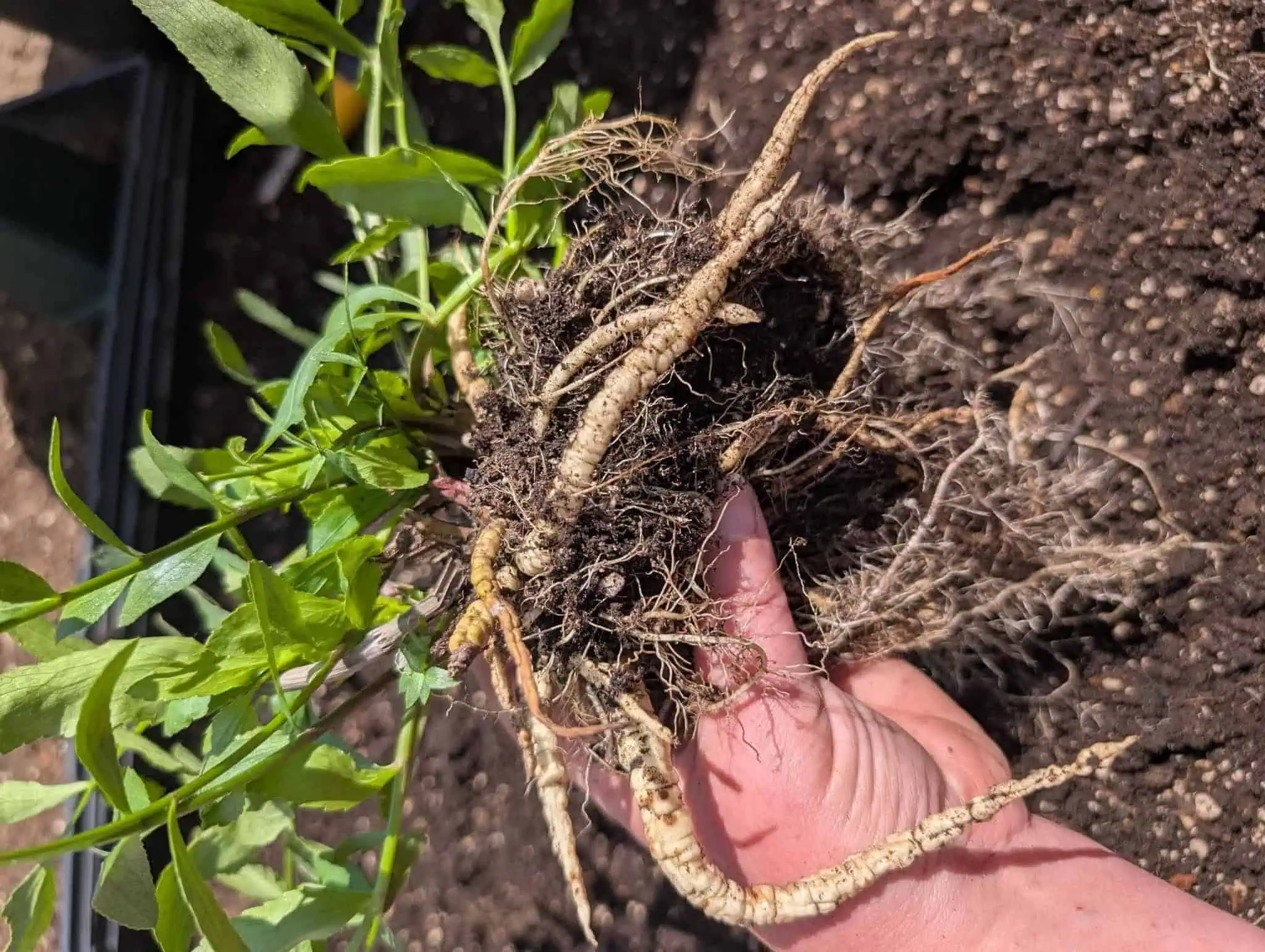
Skirret, a root vegetable once favored for its sweetness, can transform simple dishes. With a texture similar to parsnips, it excels when roasted or puréed. Begin by removing the fibrous core; this improves tenderness. A light steam followed by a quick sauté with olive oil and thyme highlights its natural sugar content, providing caramelized notes. Introduce skirret into vegetable medleys for a delightful contrast in flavors.
Jerusalem Artichoke’s Hidden Charm
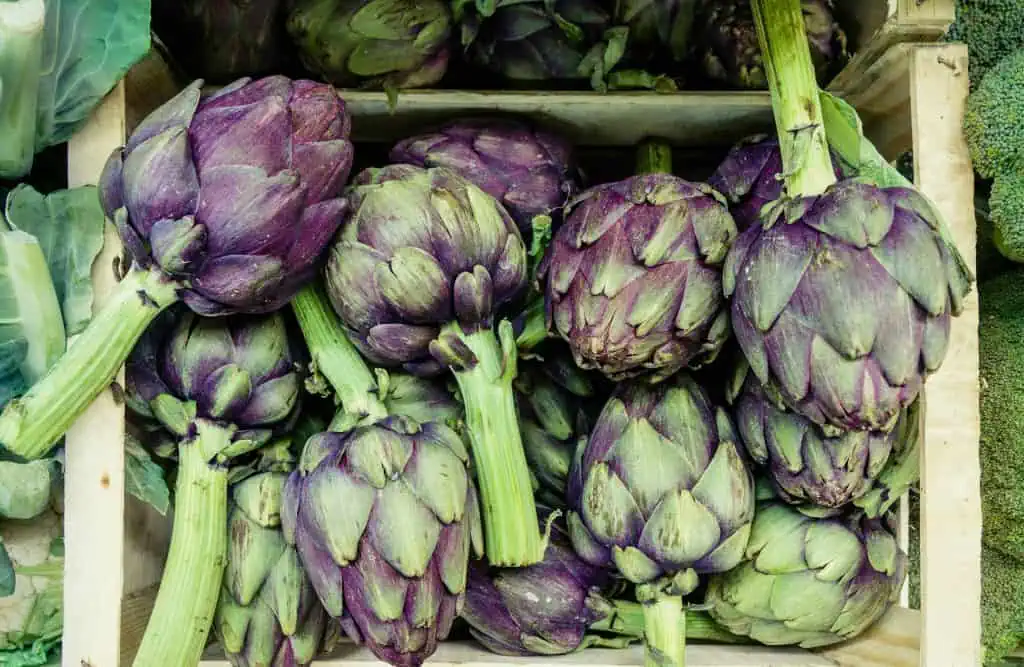
Jerusalem artichokes, or sunchokes, offer a nutty flavor and crisp texture, versatile in varied preparations. Their knobby appearance belies a subtle richness. Thinly slice for a fresh salad addition, or roast to deepen flavors akin to potato or chestnut. Pair with rosemary and garlic for a savory complement. Proper handling ensures minimal oxidation—immerse in water and lemon juice post-slicing to maintain color.
Cardoon: The Artichoke’s Cousin
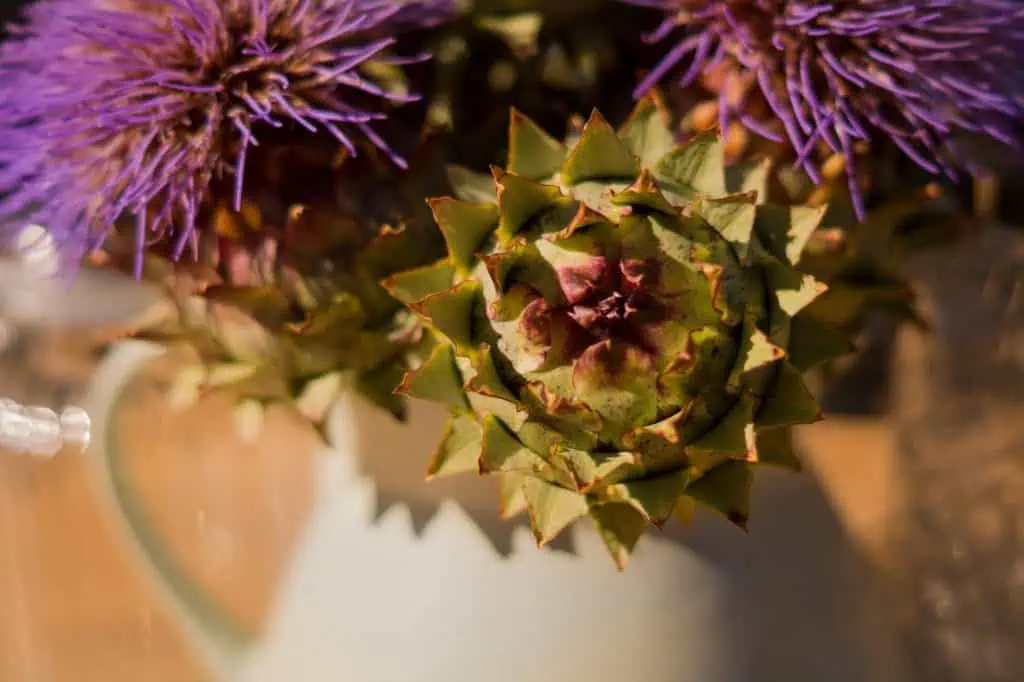
Cardoon, resembling celery with the essence of artichoke, requires attentive preparation. Trim and remove tough strings, then blanch to reduce bitterness. It shines in hearty stews or gratins, where its complex flavors marry beautifully with cheese. A simple extra virgin olive oil finish accentuates its earthy tones. Mastering cardoon enhances not just skill, but also appreciation for this deserving heirloom vegetable.
Exploring Sea Kale
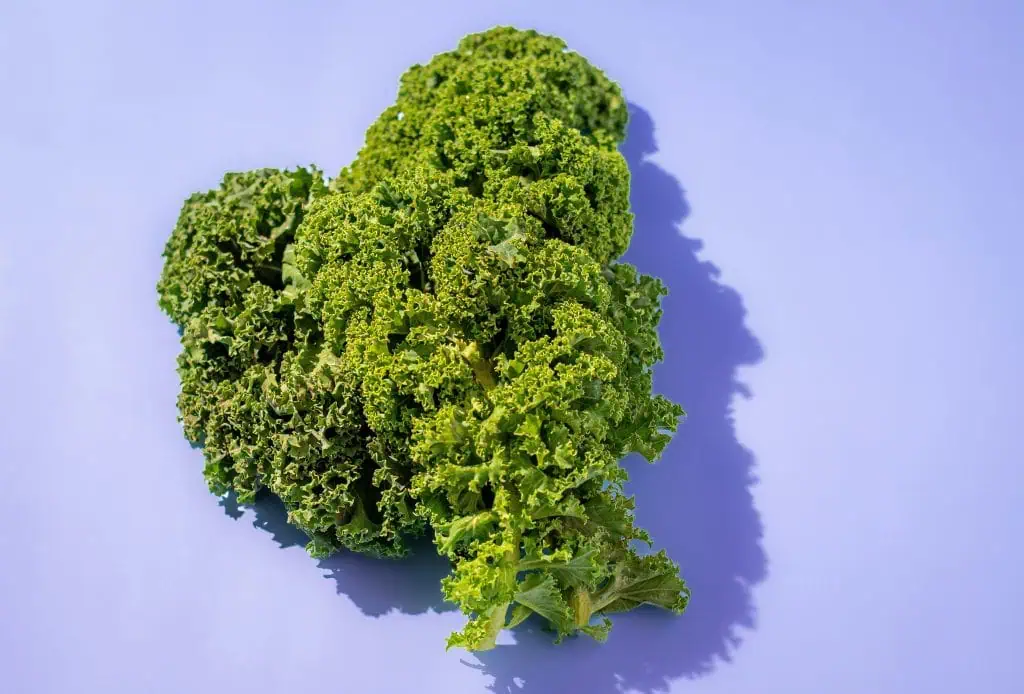
Sea kale, a forgotten seaside gem, thrives in coastal regions. Its thick, succulent leaves resemble those of traditional kale but with a milder, slightly salty flavor that can elevate any dish. To prepare, blanch the leaves briefly to maintain their bright green color and tender bite, then sauté them with garlic and lemon to accentuate their natural taste. For the stalks, consider steaming—or roasting when slightly matured—for a nutty derivative. Sea kale pairs well with seafood, thanks to its subtle marine undertones, making it perfect for seaside-inspired recipes.
Ground Cherry’s Golden Glow
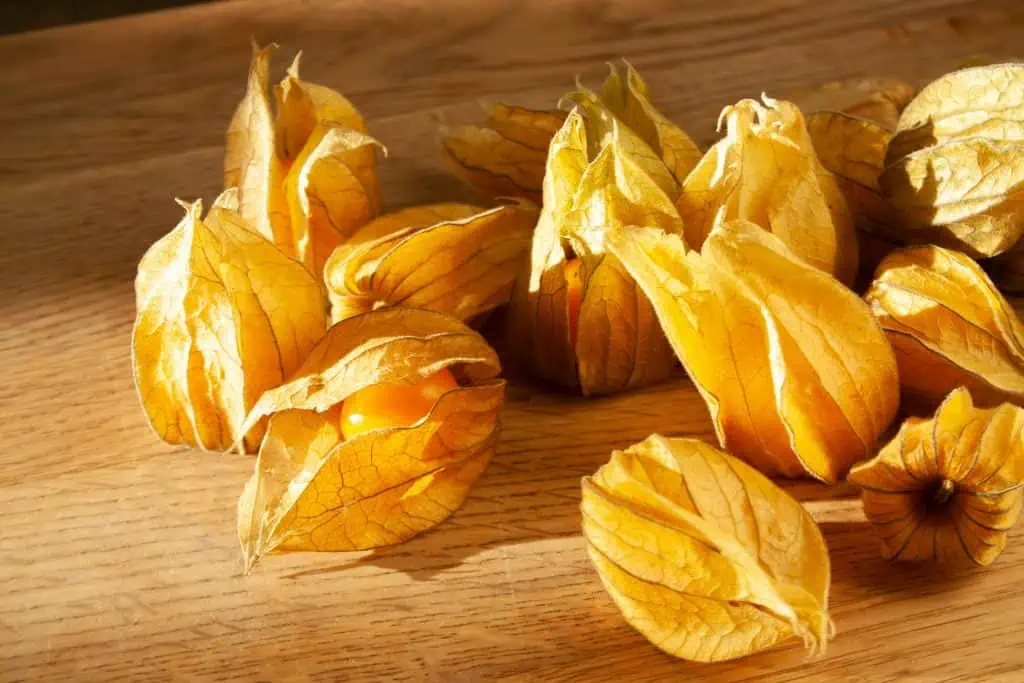
Ground cherries, in their papery husks, bring a hint of pineapple and tomato to the kitchen. This versatile ingredient can be a fresh addition to salads or transformed into chutneys and jams. To unleash their full potential, roast ground cherries with a little olive oil and salt to develop their sugary depth, or pair with vanilla for desserts. When ripe, their striking golden hue becomes a visual treat, ready to enhance any preparation. Consider blending them into salsas or using them to create a tangy pie filling reminiscent of tropical sunshine.
Malabar Spinach: A Climbing Green

Malabar spinach, unlike traditional spinach, is a vine with thick, glossy leaves that thrive in summer heat. Ideal for vertical gardeners, its leaves are crisp with a subtle, earthy flavor perfect for stir-fries and soups. To prepare, pluck the youngest leaves for their tenderness. When cooking, the mucilaginous texture resembles okra, thickening soups and stews. Enhance its taste by sautéing with ginger and soy sauce, or pairing with coconut milk for a delicate, creamy side dish. Malabar spinach offers a refreshing twist to conventional leafy greens.
Chayote: The Climbing Gourd
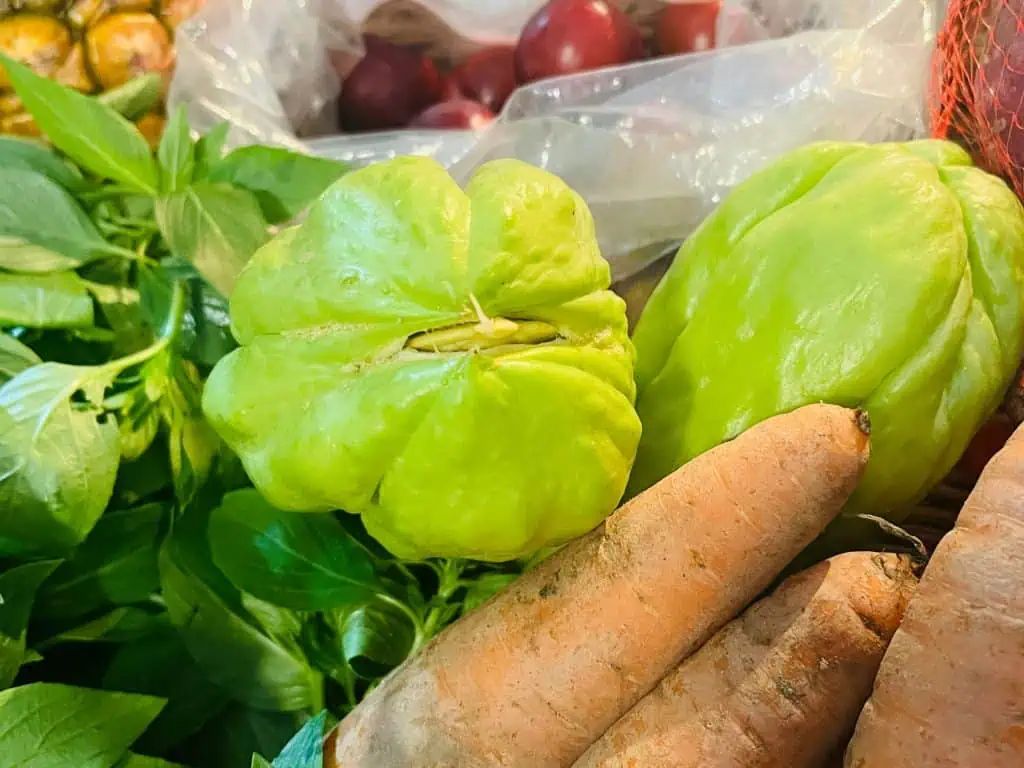
Chayote’s subtle flavor profile is its greatest asset, blending effortlessly into both savory and sweet dishes. The pear-shaped gourd is a staple in Latin American cuisine, often cooked in soups or braised for its tender flesh. To enjoy chayote, peel and remove the seed, using a mandoline for uniform slices. For a light meal, try grilling chayote with olive oil and herbs. Its crisp texture complements robust spices, and when pickled, it adds a tangy crunch to salads. Its versatility extends to desserts, seamlessly incorporating into compotes and pies.
Hamburg Parsley: Dual-Purpose Root
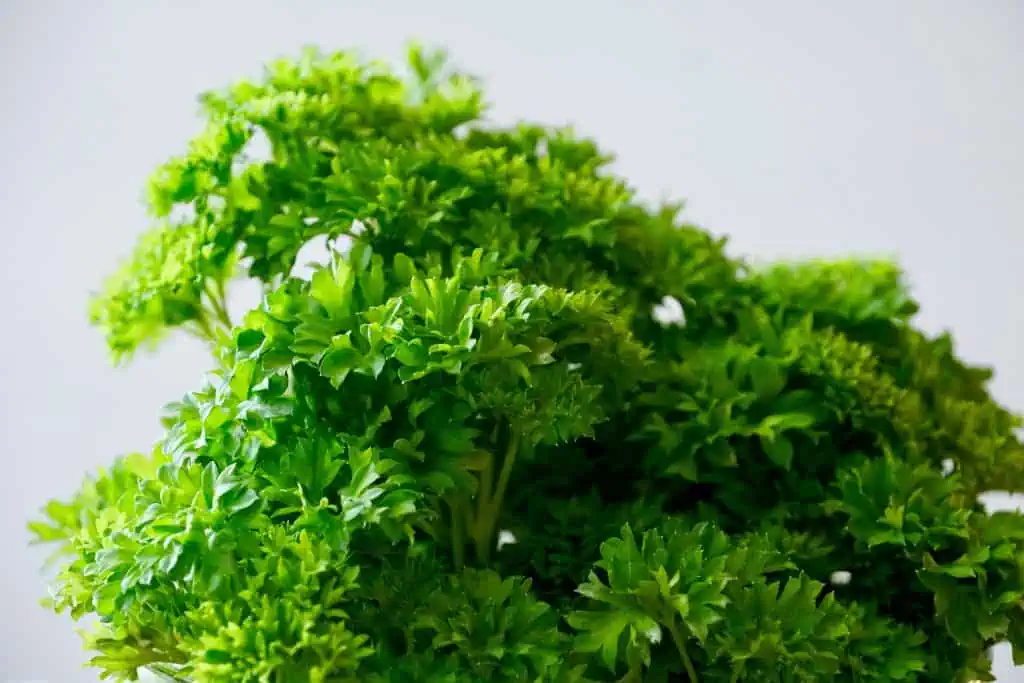
Hamburg parsley offers a two-for-one appeal with both edible roots and greens. Resembling parsnips, the root’s flavor bridges the earthiness of parsley and the nuttiness of a carrot. Roast it to bring out its sweetness, or cube it for a hearty addition to soups and stews. Meanwhile, the greens provide a flavorful garnish or aromatic base for stocks and sauces. When used raw, the leaves add a vibrant, parsley-like note to salads. Embrace this versatile ingredient’s full spectrum by integrating both elements into your culinary repertoire.
Crosne: Spiral Tubers
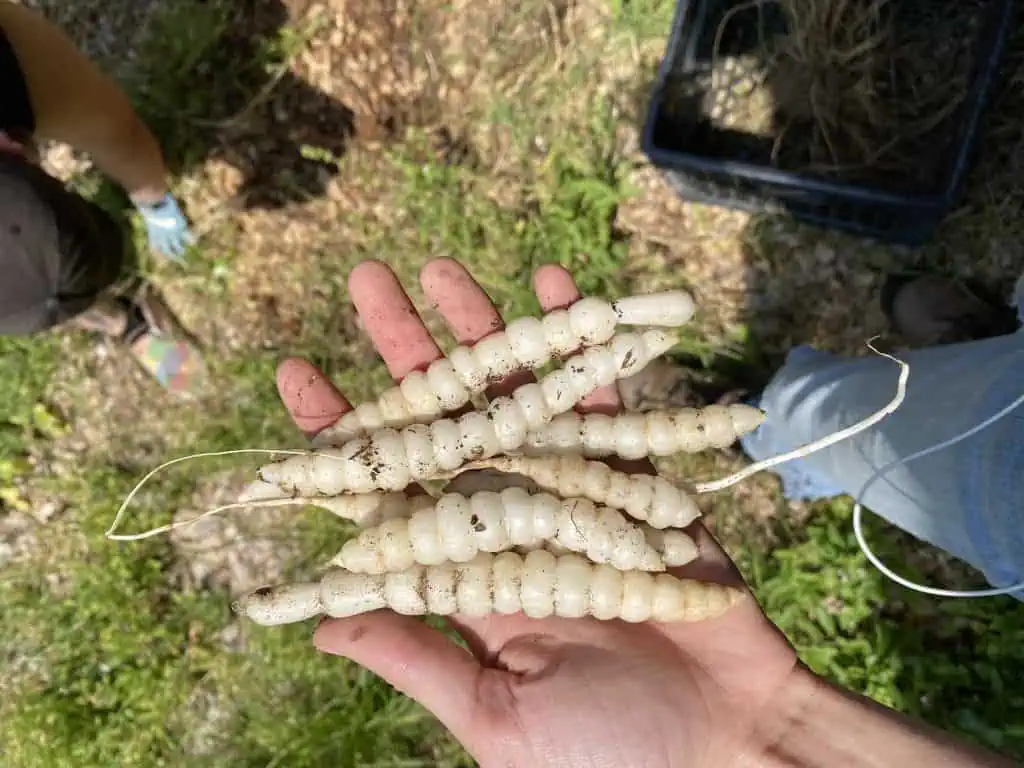
Crosne, with its distinctive corkscrew shape, offers a crunchy texture reminiscent of water chestnuts. Although not commonly found today, these tubers were once prized for their nutty flavor. To prepare, gently scrub the tubers with a soft brush to remove any dirt. Sauté them in butter with a pinch of salt and a sprinkle of thyme to highlight their natural sweetness. Cook until they achieve a golden-brown hue, which enhances their flavor and adds a delightful crisp. Serve as a side dish or toss into a salad for an intriguing twist.
Corn Salad (Mâche): The Delicate Green
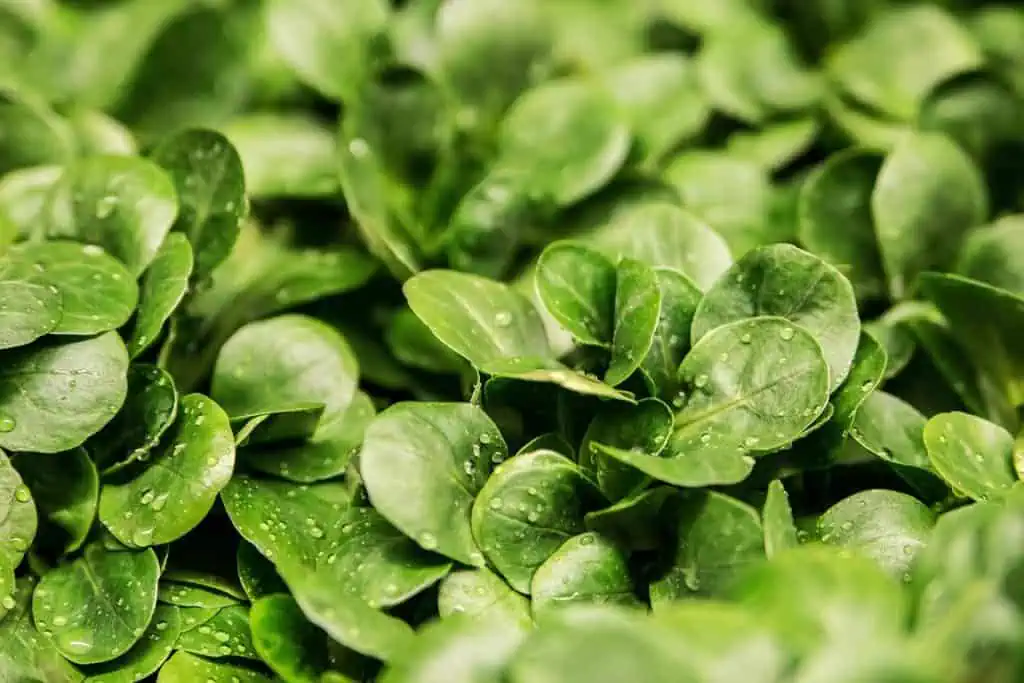
Mâche, also known as corn salad, is valued for its tender leaves and mild, nutty flavor. This green was a staple in American gardens, lending a subtle richness to salads. To enjoy its delicate texture, rinse mâche leaves thoroughly and spin dry. Toss them gently with a light vinaigrette made from olive oil, lemon juice, and a touch of Dijon mustard. This dressing complements the leaves without overwhelming them. Mâche can also serve as a bed for poached eggs or roasted vegetables, adding both elegance and flavor to your presentation.
New Zealand Spinach: Robust Flavor
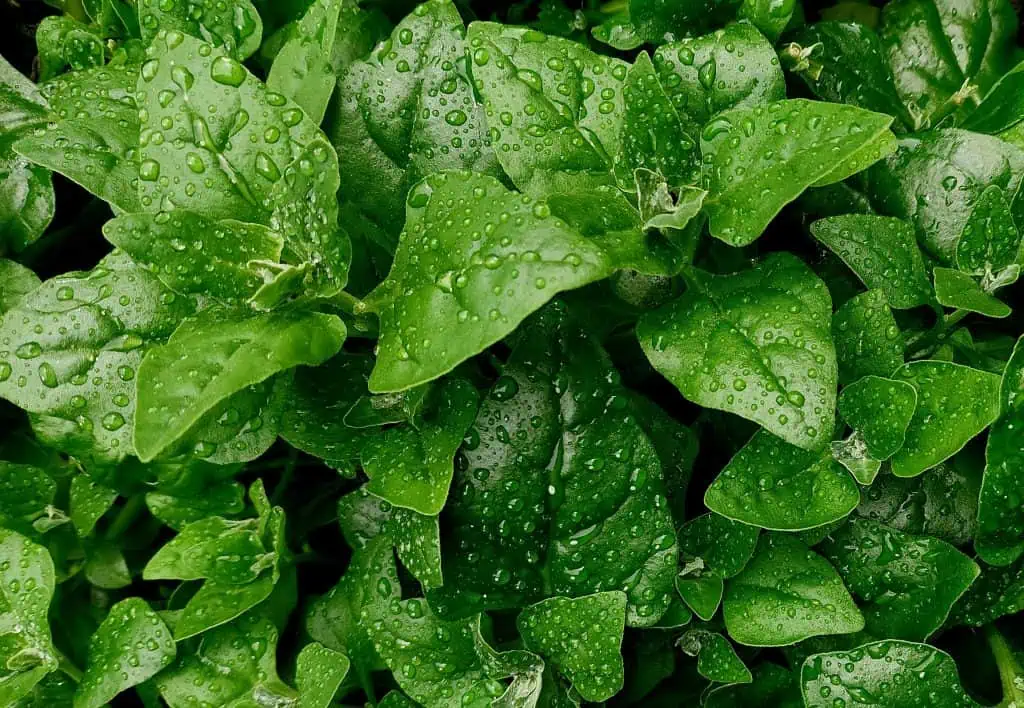
New Zealand spinach stands out with its thick, succulent leaves that remain vibrant even after cooking. Unlike traditional spinach, it thrives in warmer climates and resists bolting. To prepare, remove the leaves from their thick stems, and wash thoroughly. Sauté them quickly in olive oil with garlic until just wilted to preserve their robust, slightly salty taste. A squeeze of lemon enhances their flavor, making them an excellent base for pasta dishes or as a hearty side. Use New Zealand spinach where you’d like a more substantial texture than common spinach offers.
Scorzonera’s Black Skin Secret
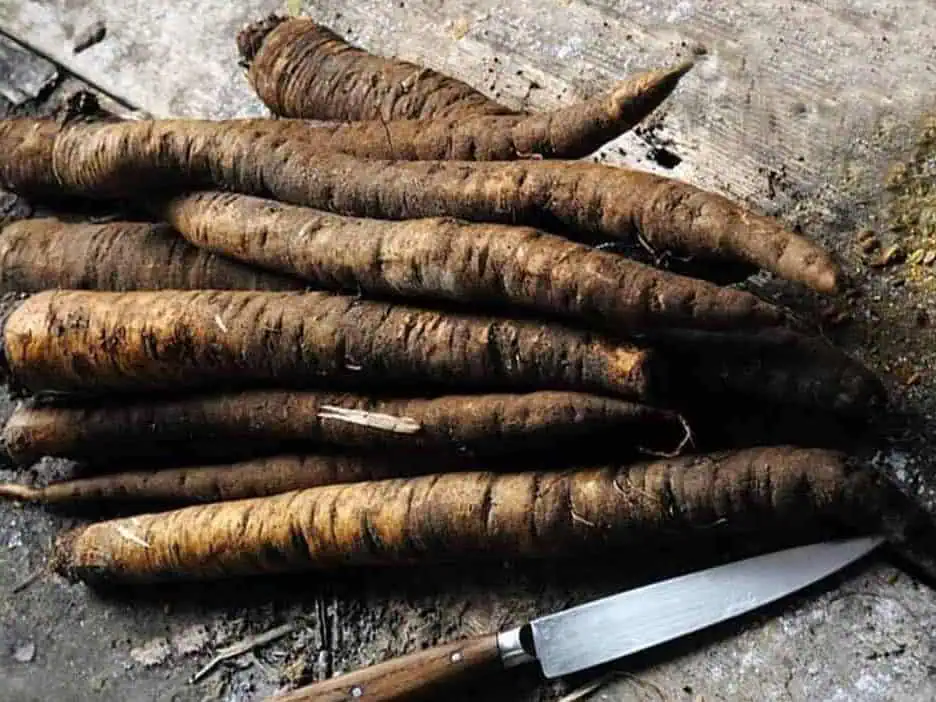
Scorzonera, often overlooked due to its black exterior, conceals a creamy, white interior with a subtle, oyster-like flavor. Peel the tubers carefully under running water to avoid staining. Boil until tender, then sauté in butter to caramelize their natural sugars. Their unique taste pairs beautifully with delicate herbs like chervil or dill. Enhance a simple dish by pureeing scorzonera with cream for a luscious, velvety soup. This vegetable’s ability to elevate dishes makes it worth seeking out, offering a taste experience both rare and refined.
Butterpea: Southern Delight
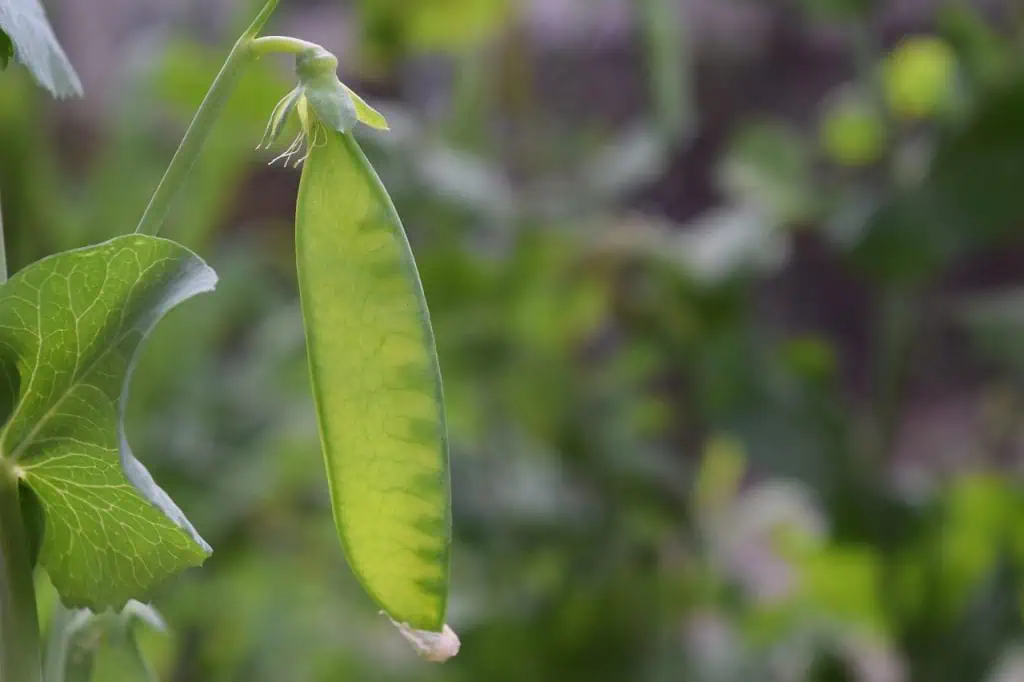
Butterpea, once a southern favorite, boasts a creamy texture and a slightly sweet taste reminiscent of both peas and beans. To bring out their best qualities, soak dried butterpeas overnight. Cook them slowly with garlic, onion, and smoked bacon for depth of flavor. Finish with fresh parsley and a touch of black pepper. The resulting dish is hearty yet elegant, ideal as a main course with cornbread or as a luxurious side. The butterpea’s gentle, comforting flavor captures the essence of traditional Southern cuisine with every bite.
The Curiosity of Chinese Artichoke
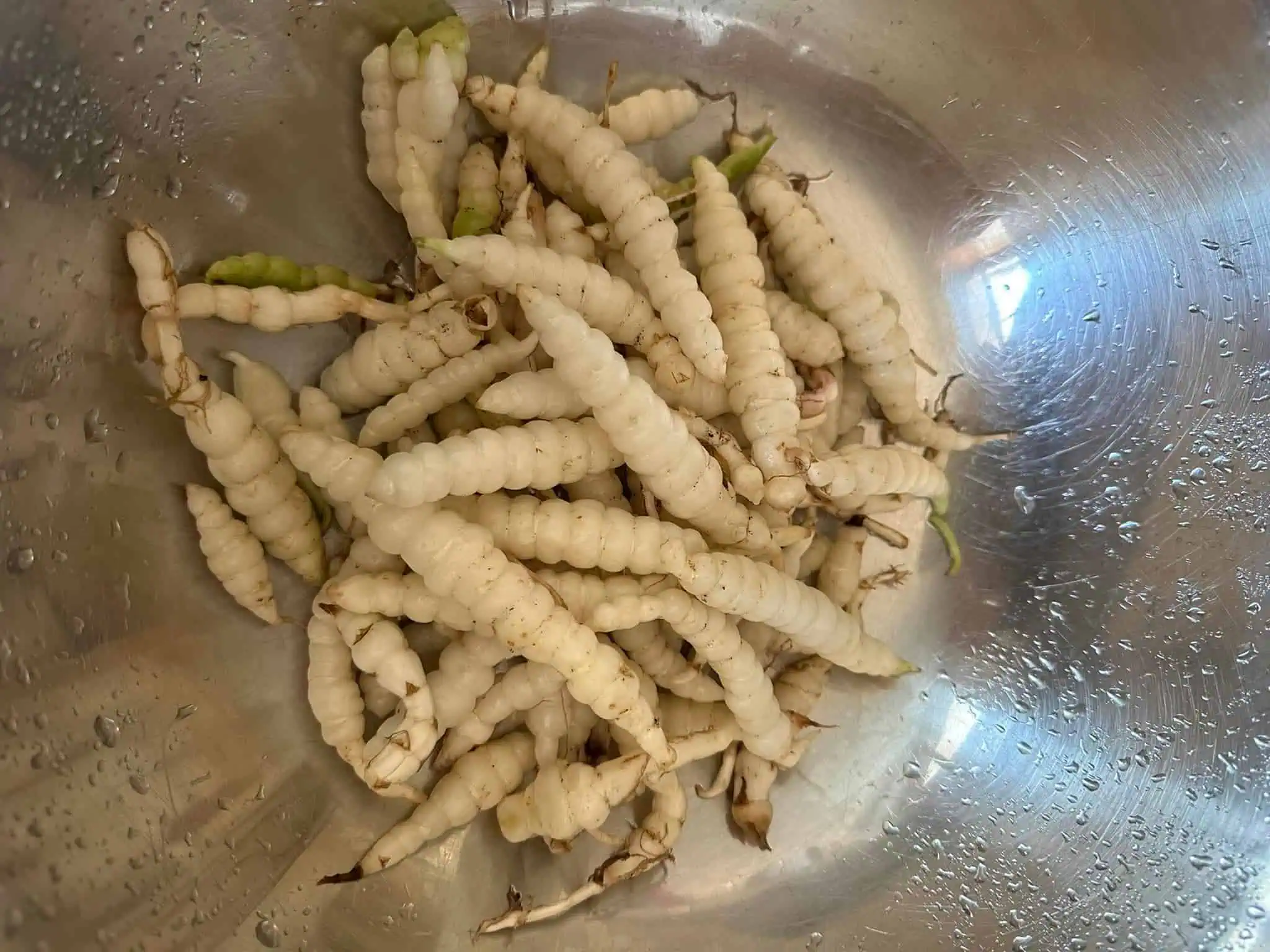
The Chinese artichoke, once cherished in American gardens, is distinguished by its delicate, intricately spiraled tubers. These are prepared by thoroughly washing to remove any residual soil lodged in the crevices. Boiling them briefly or sautéing provides a satisfying crunch akin to water chestnuts with a faintly nutty flavor. Pair with fresh herbs like thyme or dill to enhance their subtle taste. Perfectly suited for salads and stir-fries, they offer a unique texture that elevates simple dishes, yet remain easy to prepare.
Garden Huckleberry’s Berry Charm
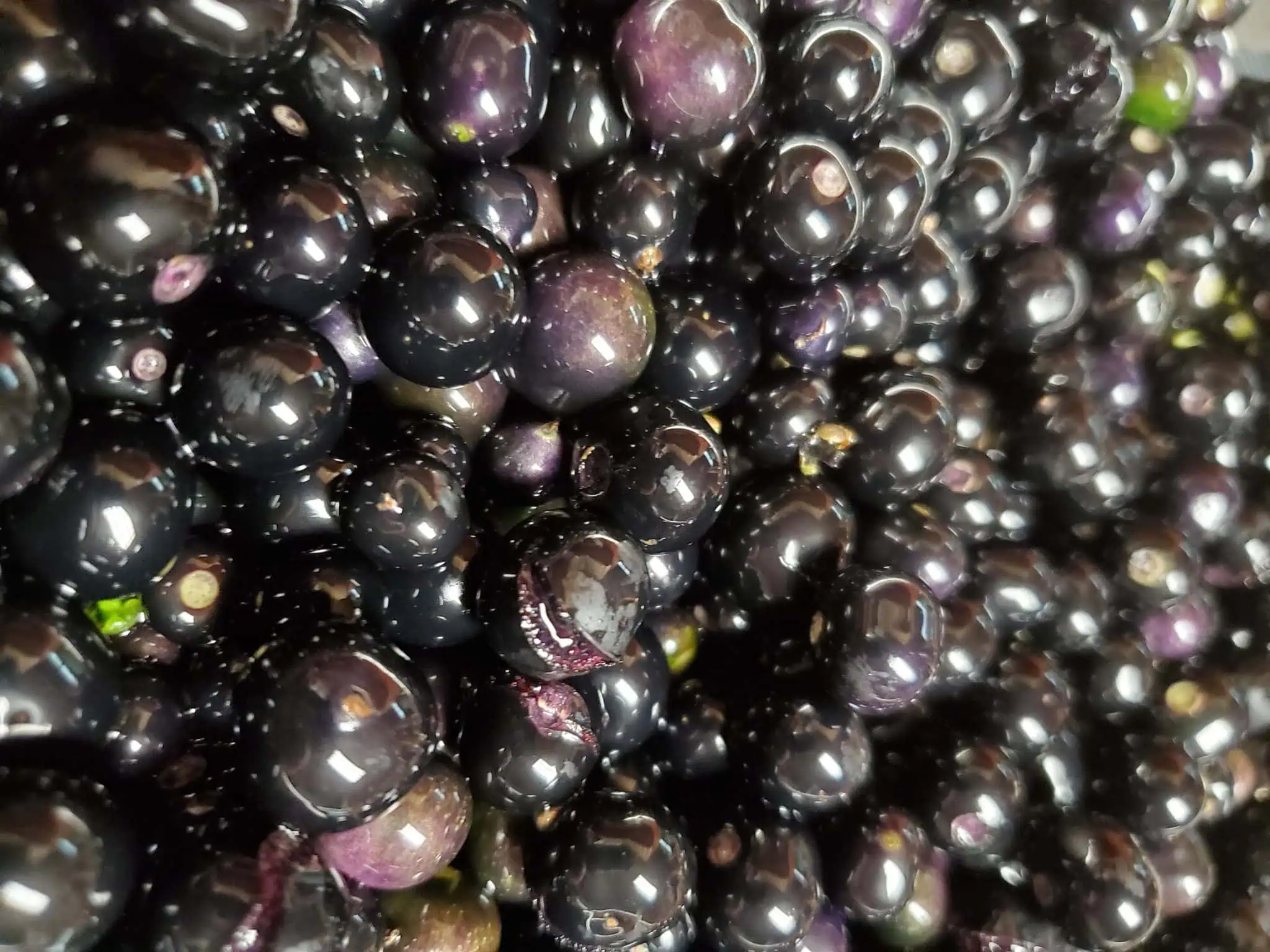
Garden huckleberries once graced American tables with their tangy, slightly sweet allure. They resemble small, dark blueberries and are ideal for jams or desserts. To reduce bitterness, these berries should be simmered with sugar, gaining a depth that enhances pies and sauces. Combine with lemon zest for brightness or cinnamon for warmth, adding complexity to their taste. Test their ripeness by color—fully black ones bring the most flavor. Integrate them into baked goods or preserves for a nostalgic nod to traditional American cuisine.
