
14 supermarket staples quietly shrinking in size again this year
Shrinkflation has become one of the most frustrating shopping trends in recent years, and it’s showing no signs of slowing down. Across supermarkets, familiar products look unchanged on shelves but hold slightly less than they did before, from snacks to pantry staples to frozen favorites. Prices rarely drop to match these reductions, leaving shoppers to pay more for less without immediately realizing it. These are the everyday items quietly shrinking again this year.
Cereal Boxes
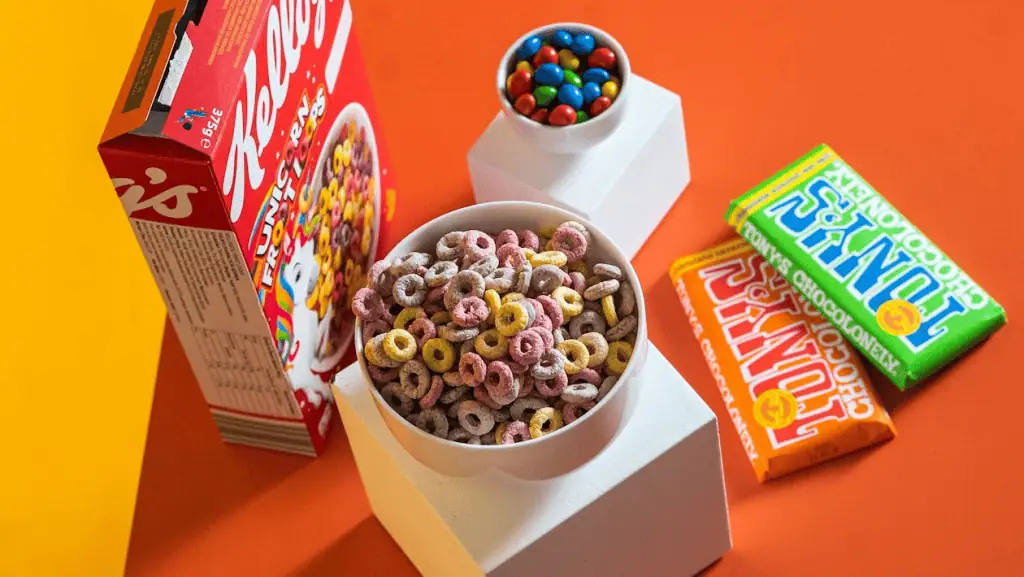
Many popular cereal brands have reduced the net weight of their boxes while keeping the packaging nearly identical. Shoppers often don’t notice the change until the cereal seems to disappear faster at home. Manufacturers blame rising ingredient costs, but the shrinkage has become a consistent trend. Consumers now pay the same price or more for several fewer ounces.
Yogurt Cups
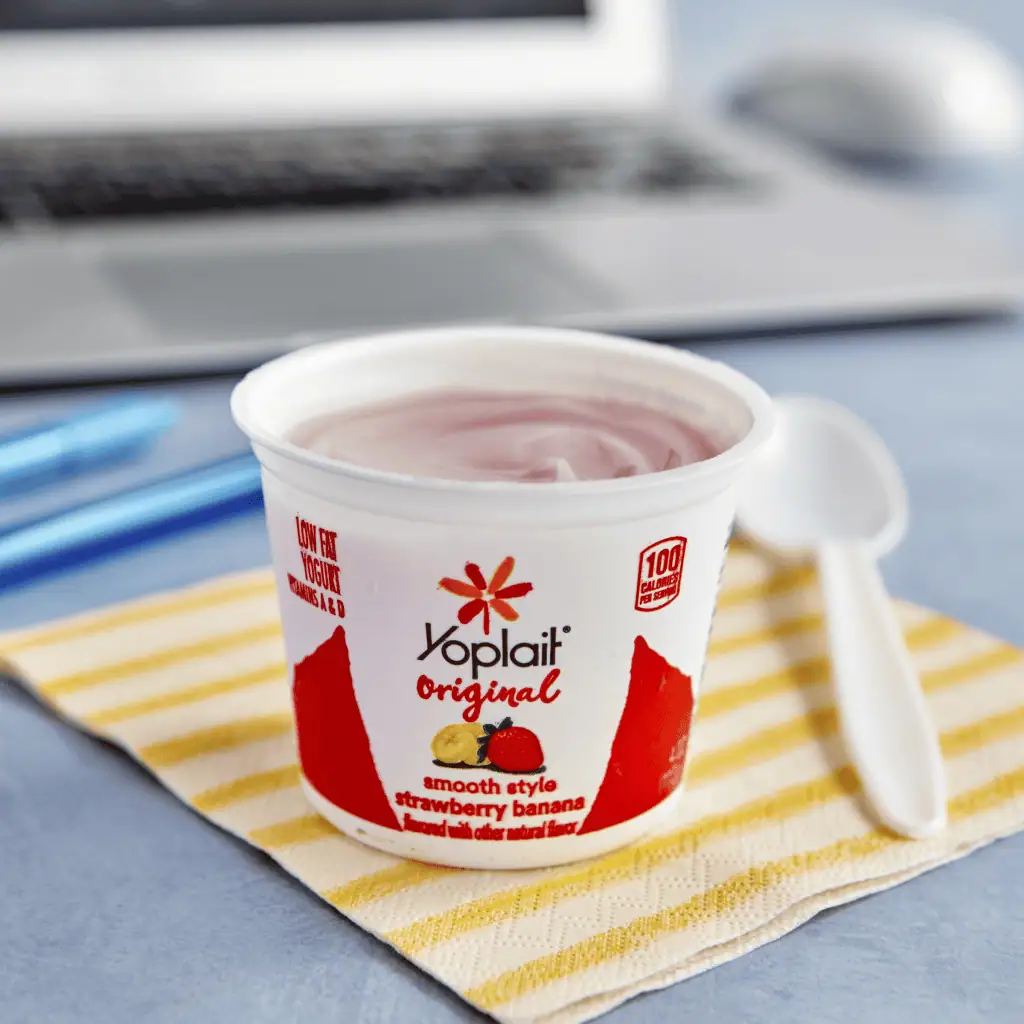
Single-serve yogurt cups have shrunk by a few grams across multiple brands, even though the containers look unchanged. The adjustment is subtle enough that most shoppers miss it unless they compare old labels. This reduction allows companies to stretch ingredients while maintaining price points. The smaller portions leave many consumers feeling short-changed.
Chips and Snack Bags
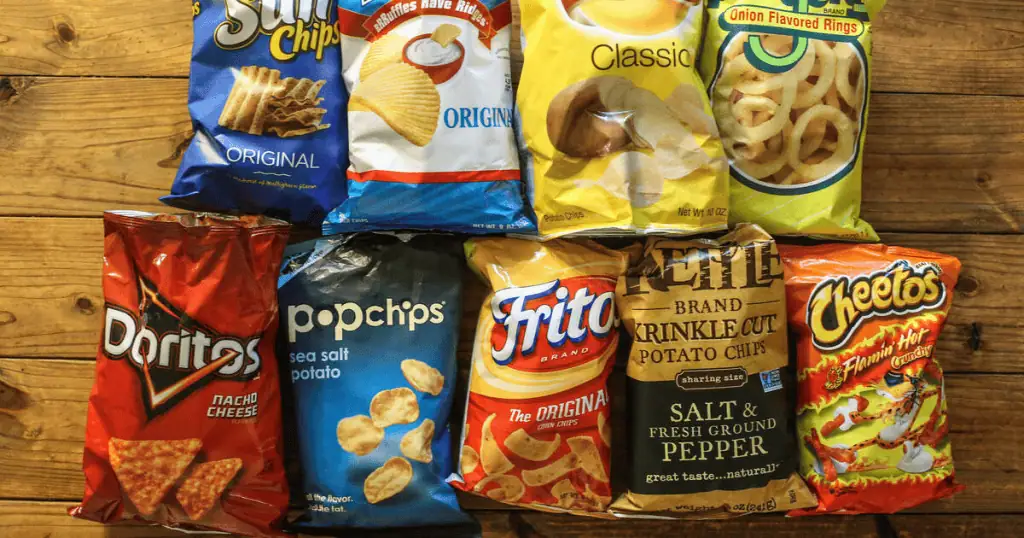
Chip bags continue shrinking while keeping the same puffy appearance, thanks to added air that fills the space. The actual snack content inside often drops by an ounce or more. This trend affects everything from potato chips to cheese puffs and pretzels. Many shoppers notice the difference only when the bags feel lighter than expected.
Ice Cream Containers
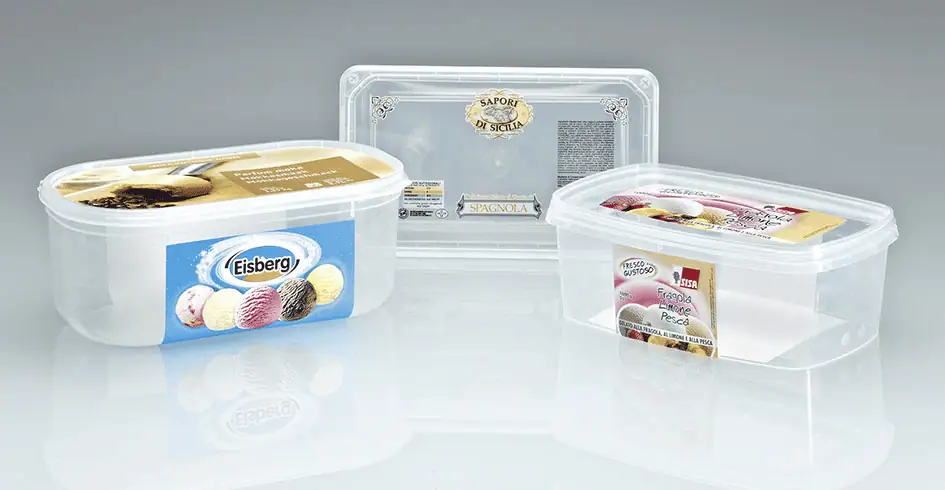
Ice cream tubs have quietly reduced their volume over the last few years, with many moving from full half-gallons to smaller cartons. The packaging remains the same shape, making the change easy to miss. Brands cite rising dairy costs, but customers often feel disappointed at how quickly the product runs out. The shift has become one of shrinkflation’s most talked-about examples.
Coffee Grounds
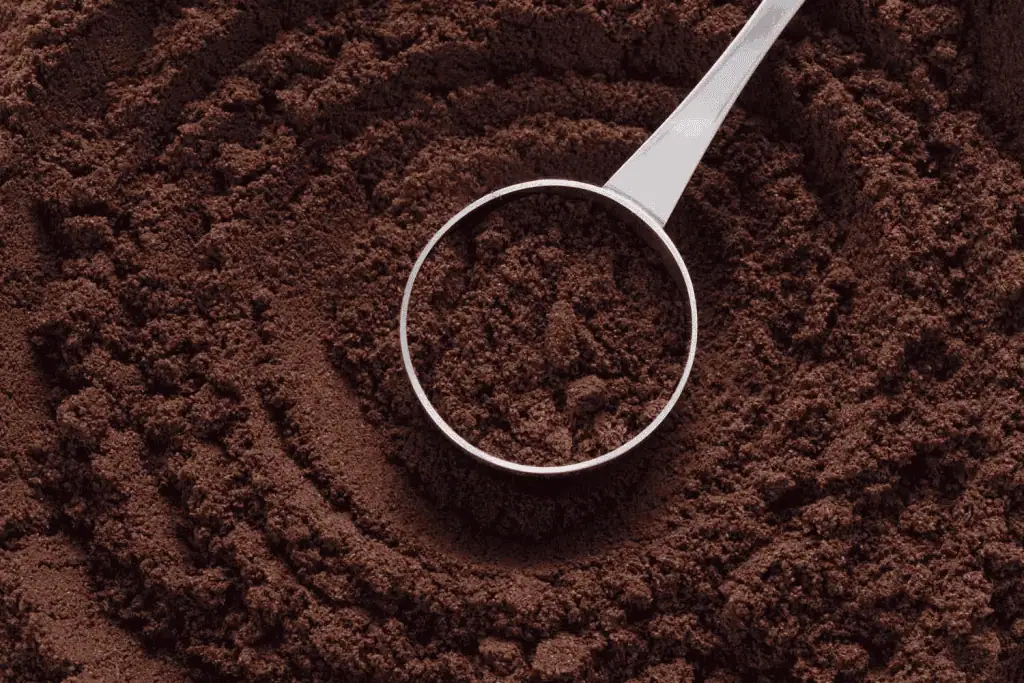
Ground coffee cans and bags are now holding a few ounces less than they once did, yet pricing rarely reflects the reduction. While the bags appear unchanged, the servings per container have dropped noticeably. Coffee drinkers find themselves buying replacements sooner than before. This adjustment has become especially frustrating for households that brew daily.
Butter Sticks
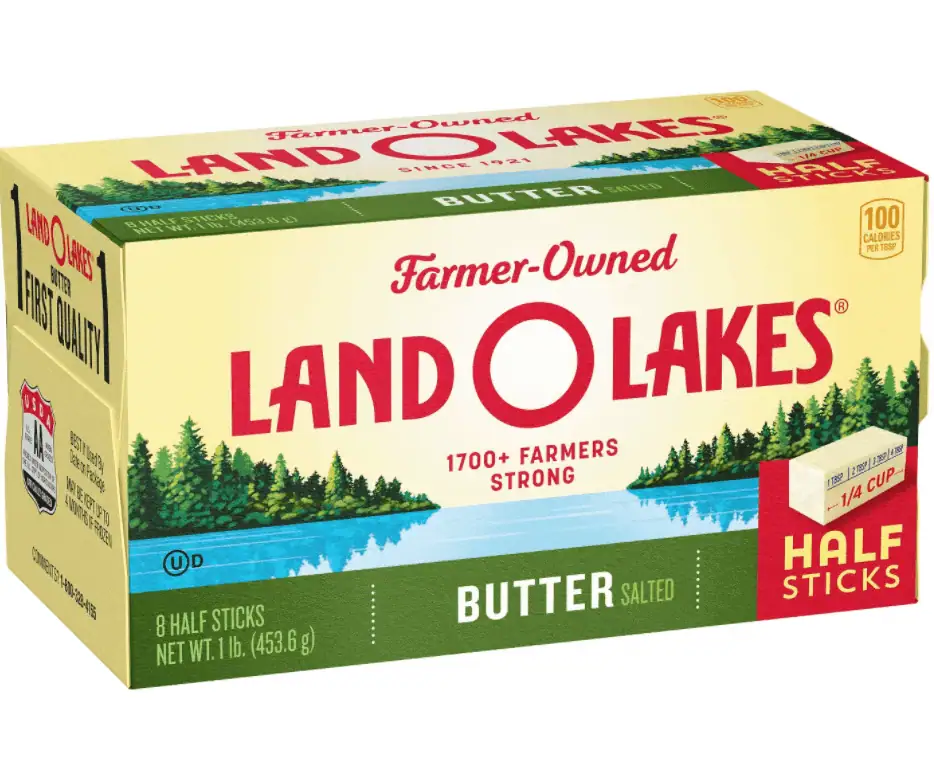
Some butter brands have trimmed stick lengths slightly while keeping the packaging the same size. The change is subtle but affects recipes and portioning. Bakers have voiced frustration over measurements not matching traditional stick sizes. Despite the shrinkage, prices remain stable or even slightly higher than in previous years.
Peanut Butter Jars
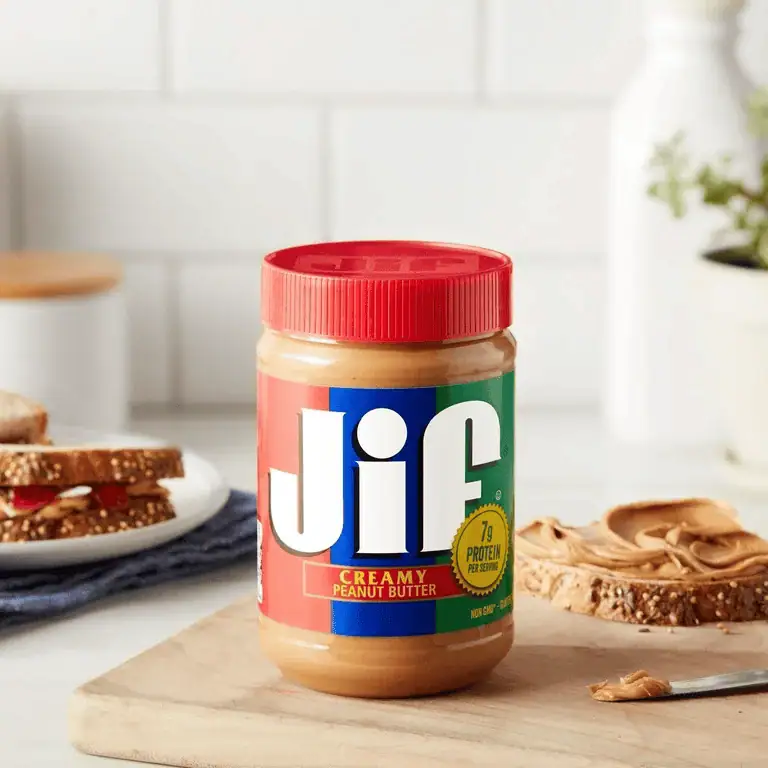
Peanut butter jars often retain their familiar shape, but slight indentations or deeper plastic curvature reduce overall volume. Many shoppers don’t notice until the jar empties sooner than expected. Companies argue that packaging updates improve stability, but the reduced product feels like a hidden trade-off. Peanut butter is one of the most frequently cited shrinkflation examples.
Pasta Boxes
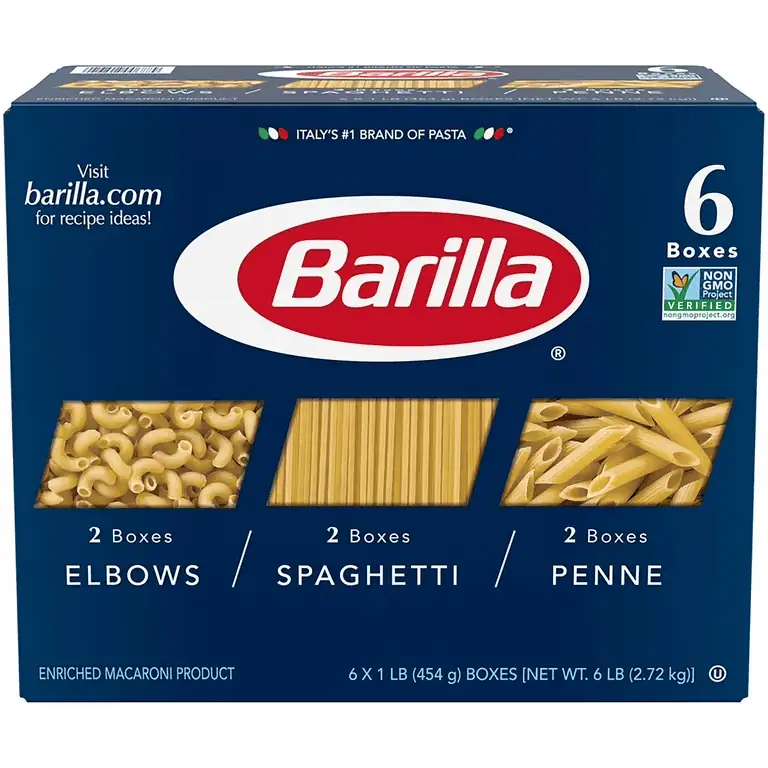
Several major pasta brands have decreased their box contents from 16 ounces to 14 ounces or less. The boxes appear identical, making the change nearly invisible unless someone checks the fine print. Families who rely on pasta as an affordable staple feel the impact quickly. The reduction is small but noticeable when feeding a crowd.
Frozen Pizza
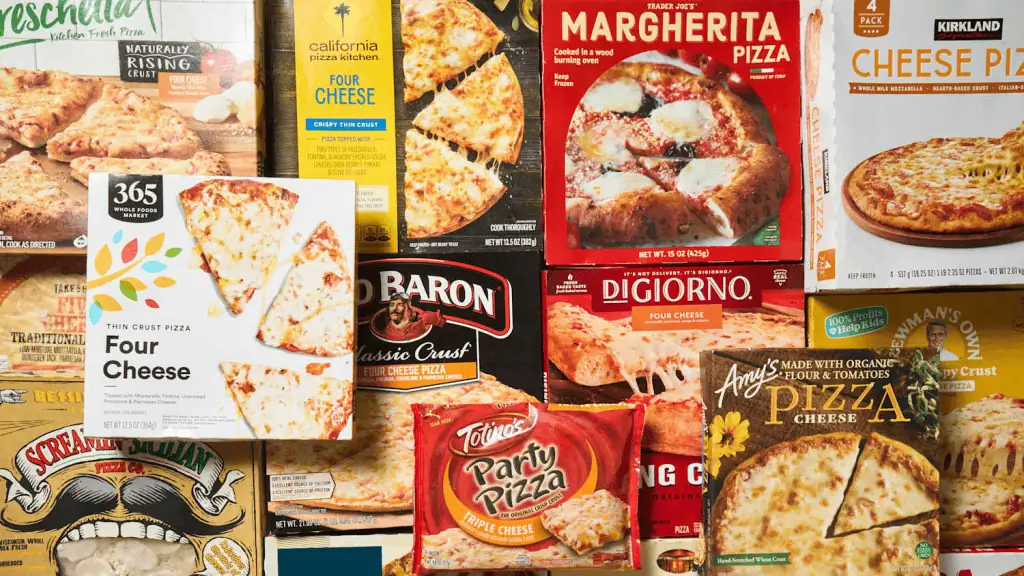
Frozen pizzas have quietly slimmed down, with thinner crusts or reduced toppings that make them feel less filling than before. The packaging size remains the same, but the overall weight has dropped. Even slight reductions affect serving sizes, especially for families. Despite the changes, prices have continued to rise in many stores.
Granola Bars
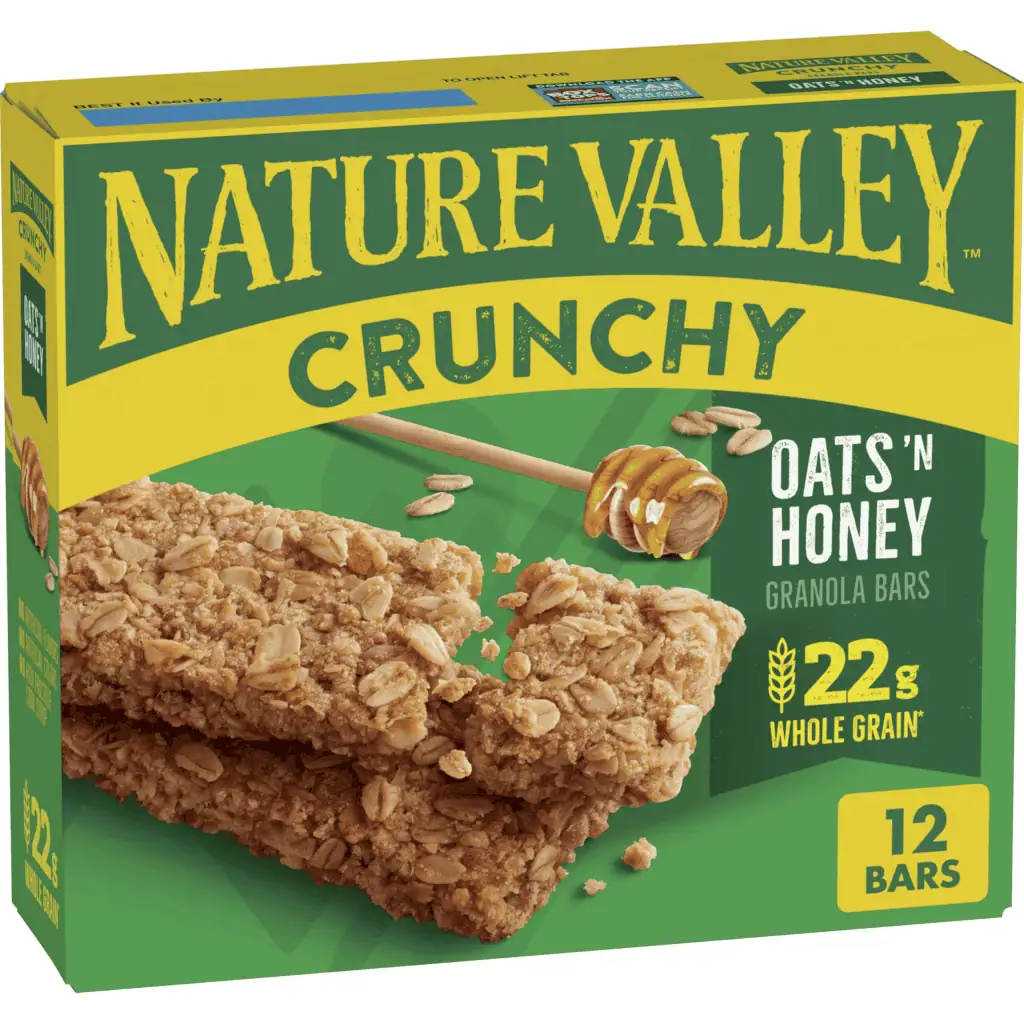
Individually wrapped granola bars have become shorter and thinner across multiple brands. The outer boxes still contain the same number of bars, but each one delivers noticeably fewer bites. Manufacturers say ingredient costs have increased, but consumers feel the bars no longer satisfy hunger the way they used to. It’s one of the most widespread shrinkflation complaints.
Tortilla Packages
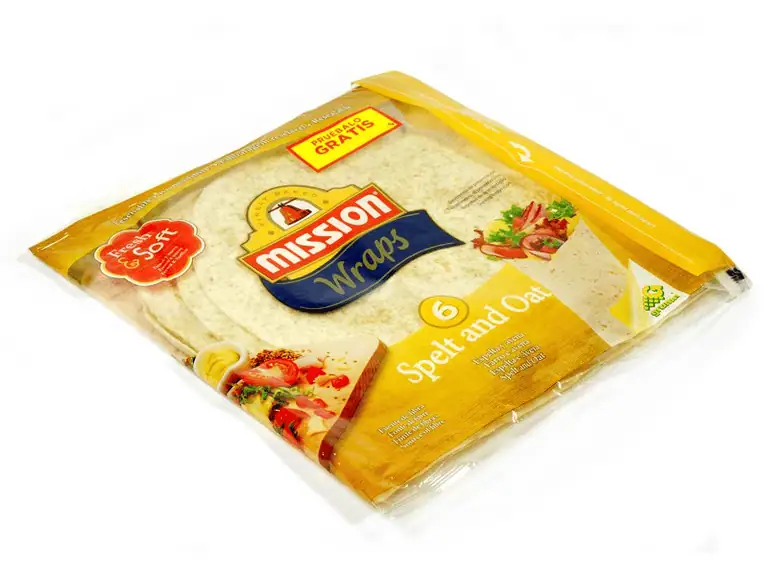
Many brands have quietly reduced the number of tortillas per pack while keeping the bag size identical, making the change easy to miss. Some varieties now contain 8 instead of the traditional 10, while others have shrunk in diameter. Shoppers often notice only when their usual pack seems to run out faster than expected. Despite the downsizing, prices remain the same, turning tortillas into yet another subtle victim of shrinkflation.
Cheese Blocks
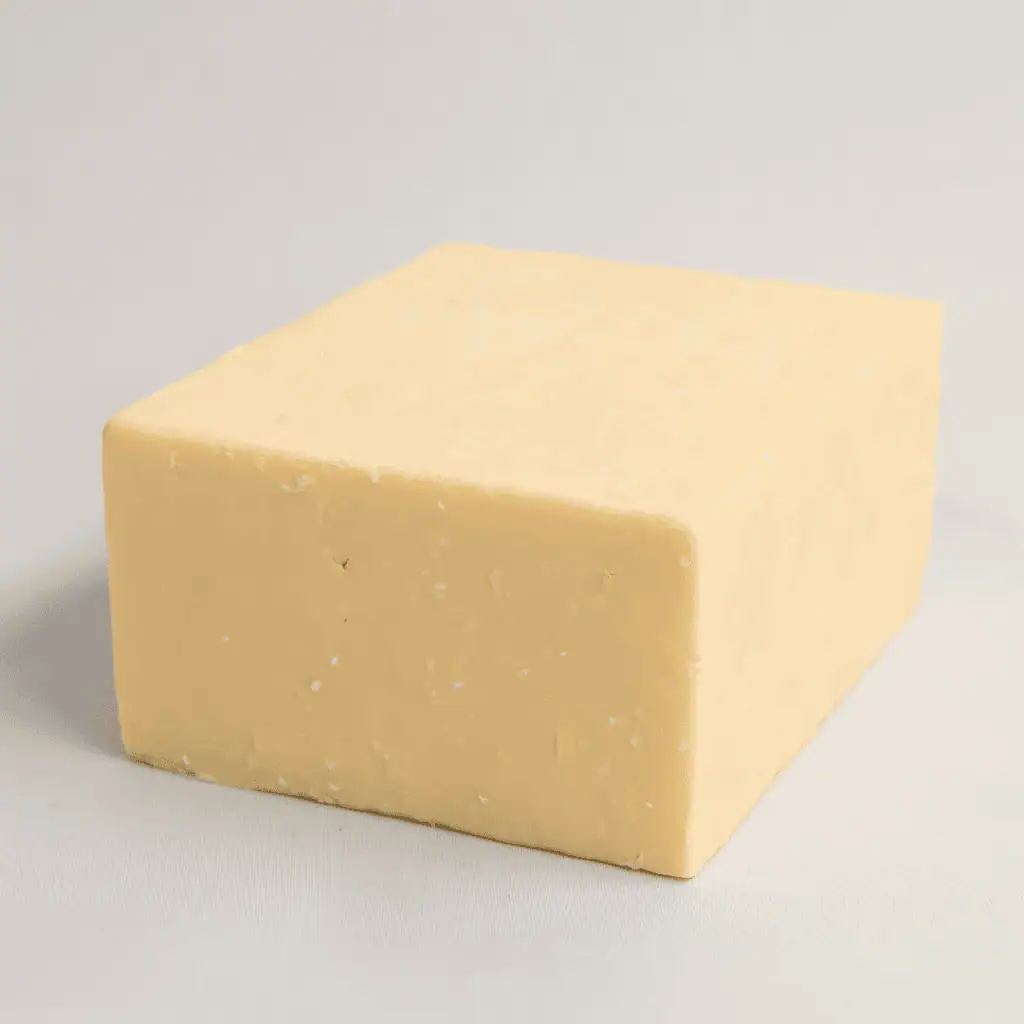
Standard cheese blocks have dipped from 8 ounces to 7 or even 6 ounces in some brands. The packaging remains nearly identical, making the change hard to catch. This reduction affects meal planning for households that cook frequently. Cheese lovers especially notice the faster turnover in their fridges.
Breakfast Sausage Packs
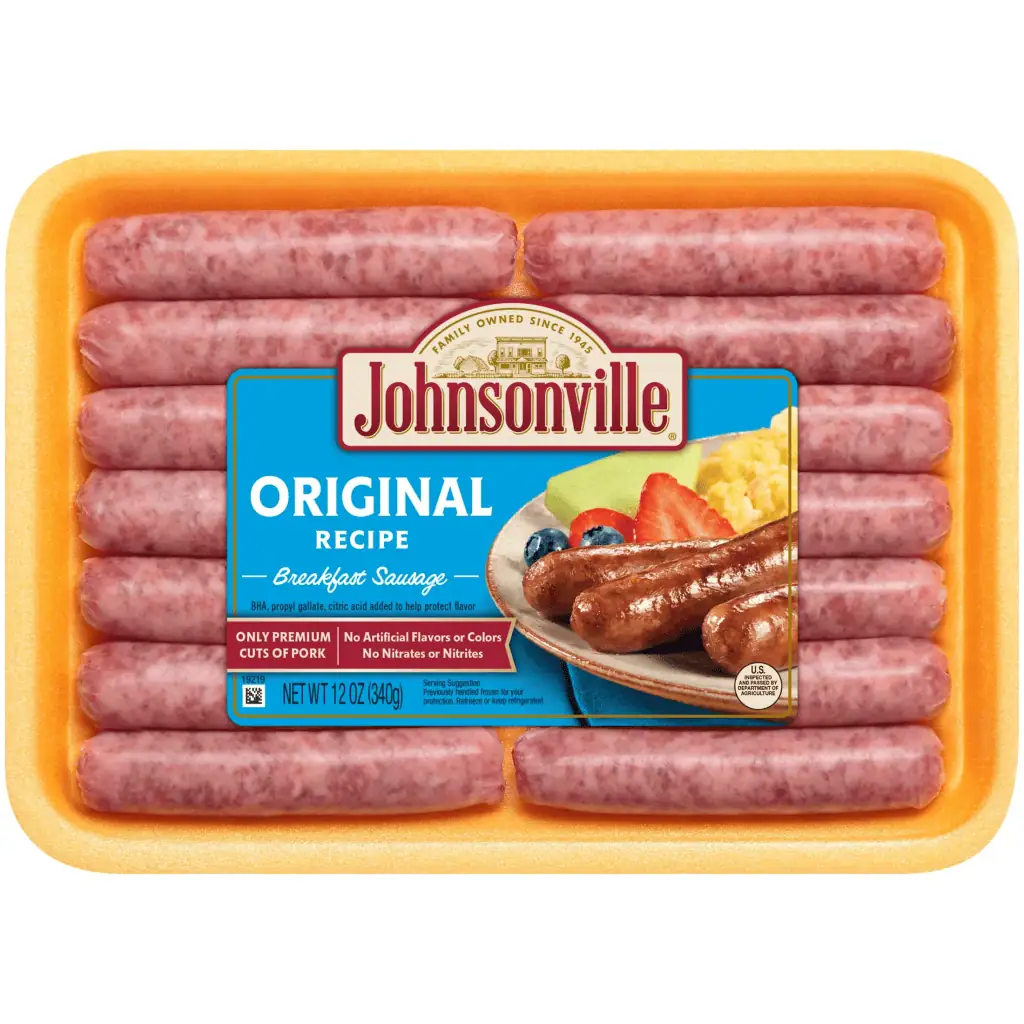
Sausage links and patties have quietly reduced pack sizes, trimming a few ounces while keeping pricing steady. The difference is small but significant for families who buy these items regularly. The shrinkage often goes unnoticed until someone compares weight labels side-by-side. It’s becoming increasingly common across frozen and refrigerated brands.
Crackers and Snack Packs
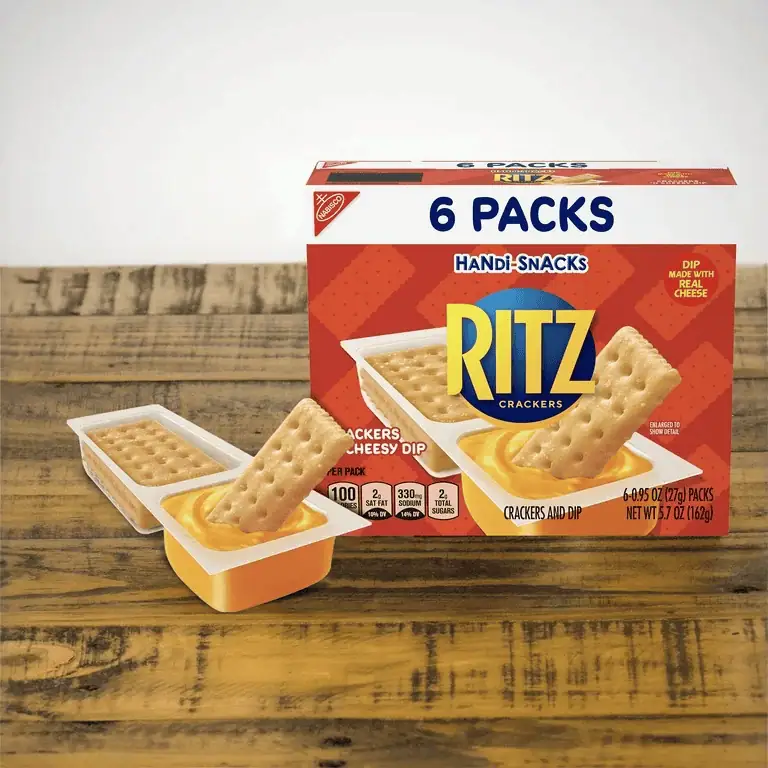
Cracker sleeves and snack packs now contain fewer pieces per serving, even though the boxes look the same. Some brands have thinned the cracker shapes, while others have reduced the count entirely. The subtle changes make packages feel familiar while delivering less value. Shoppers often notice the difference only when the box empties too quickly.
