
14 Buffet Foods Professional Chefs Avoid at All Costs
Buffets offer a tantalizing array of dishes, but not all selections are equally wise. Professional chefs often steer clear of certain buffet staples for critical reasons tied to food quality and safety. Understanding the pitfalls of these offerings can help diners make informed choices and enhance the dining experience. Here, we explore buffet foods that culinary experts often avoid, delving into the specifics of why they are best left untouched.
Sushi Rolls: Freshness Concerns

Sushi at buffets can be concerning due to its reliance on the utmost freshness. The rice may become dry and hard over time, and fish, when exposed to ambient temperatures, loses its pristine quality. For optimal safety and taste, sushi should be prepared just before consumption. Buffets often lack the rapid turnover needed to maintain this standard, leading to potentially compromised texture and flavor. Vigilance about how long the sushi has been out is crucial; if in doubt, it's wise to skip it.
Scrambled Eggs: Texture Troubles

Scrambled eggs are a deceptively simple dish that can quickly lose their appeal when left sitting on a buffet line. As they cool, they become rubbery and dry, losing the creamy consistency that characterizes well-made scrambled eggs. At a buffet, they often rest in chafing dishes, which continue to cook the eggs slightly as they stay warm, exacerbating the issue. Home cooks should aim for freshly scrambled eggs, cooked to a soft curd texture and served immediately to preserve quality.
Shrimp Cocktail: Temperature Woes

Shrimp cocktail is a classic, yet at a buffet, it often falls victim to inadequate temperature control. Shrimp should be kept on ice to ensure they remain cool and safe, as lukewarm shrimp can harbor bacteria. The risk of improper chilling makes it a less desirable choice unless you can ensure the shellfish has been kept at the correct temperature. Key to maintaining the shrimp's succulent quality is its crisp bite, which diminishes rapidly if not kept adequately cold.
Mixed Green Salad: Not Always Crisp
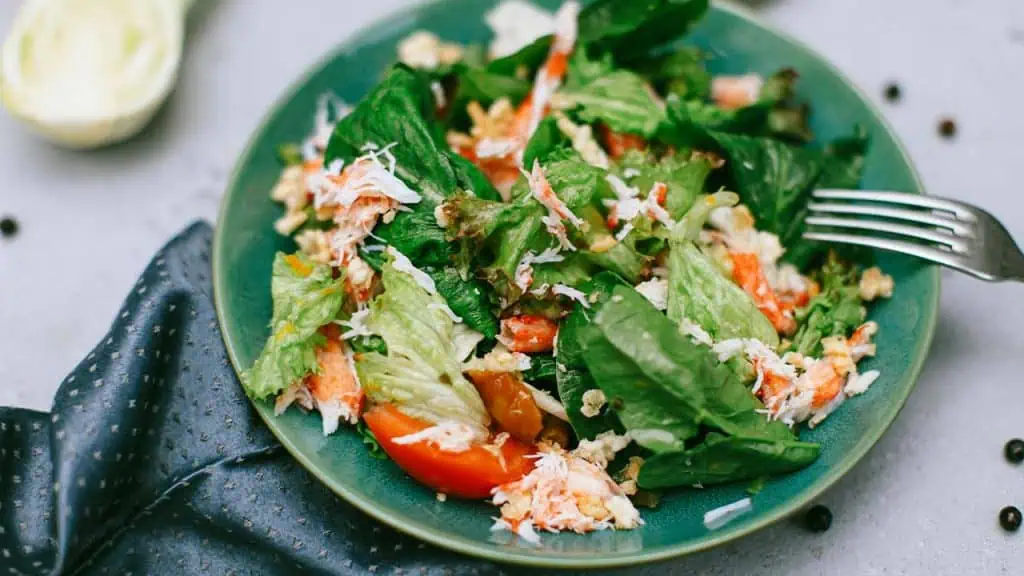
Mixed green salads at buffets can be enticing but often disappoint due to wilting and sogginess. The exposure to air and dressing applied prematurely can result in limp greens, detracting from the crisp, refreshing experience a good salad should provide. Choosing undressed greens or those that appear freshly tossed can offer a better textural experience. For those making salads at home, dressing just before serving is critical to maintaining the vibrancy and crunch of the greens.
Chicken Wings: Soggy Dilemmas

Chicken wings can quickly lose their appeal when they turn soggy. This often happens when they linger too long in steam table trays, which traps moisture. For superior texture, wings should be initially baked or fried to crisp perfection and presented on demand rather than pre-cooked. Coatings or glazes must be applied just before serving to maintain crunch. When preparing at home, ensure wings are thoroughly patted dry before cooking to achieve that golden, crackling exterior that so many crave.
Fresh Fruit Display: Ripeness Varies
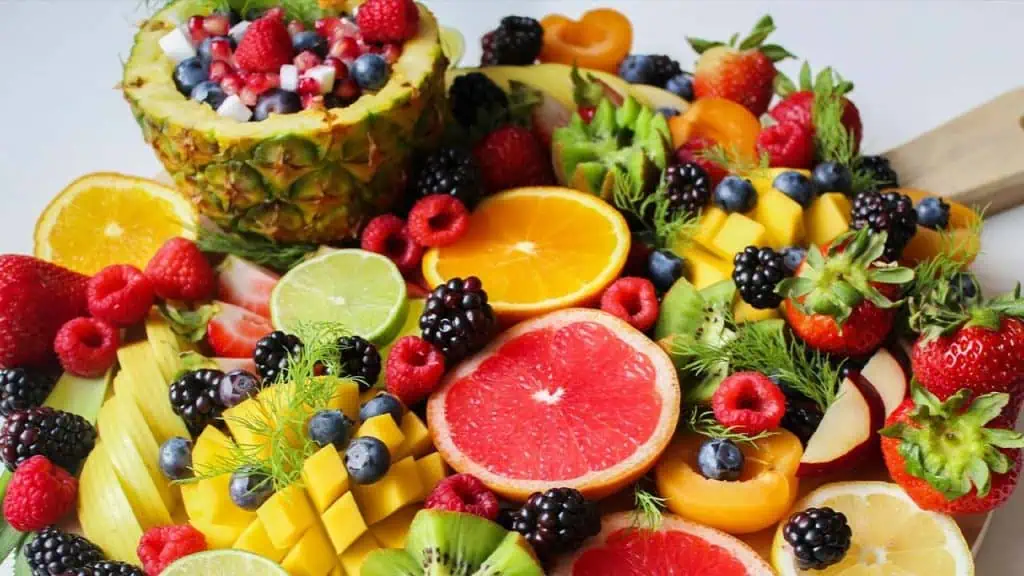
Fresh fruit displays often suffer from inconsistent ripeness, which can affect both taste and texture. Overripe fruits may become mushy, while underripe options lack flavor. For a balanced presentation, choose fruits that are in season and inspect for even ripeness. Use a sharp knife to cleanly segment and slice fruits, arranging them colorfully on the platter to enhance visual appeal. Offer a variety of fruits to accommodate different palates, ensuring each selection is at its peak.
Mussels and Clams: Spoilage Risks
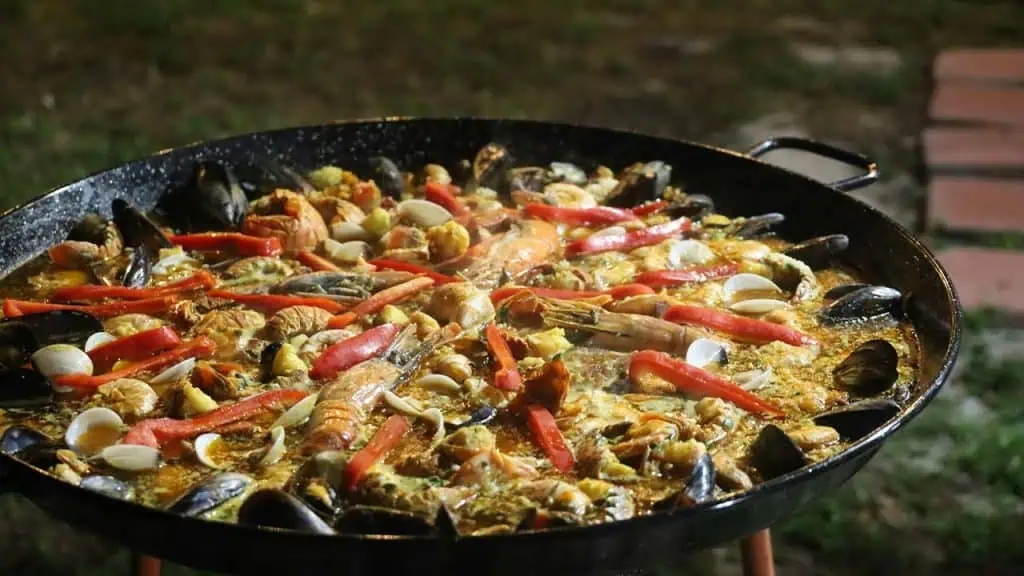
Mussels and clams present spoilage risks if not stored or handled correctly. These shellfish need to be truly fresh, with tightly closed shells before cooking. They should be stored on ice or in a cool environment and consumed promptly. Cooking mussels and clams until their shells just open ensures tenderness; overcooking leads to rubbery textures. Avoid any shells that remain closed after cooking, as this indicates they were not alive beforehand—ensuring thorough inspections safeguards both flavor and safety.
Cream Based Soups: Separation Issues
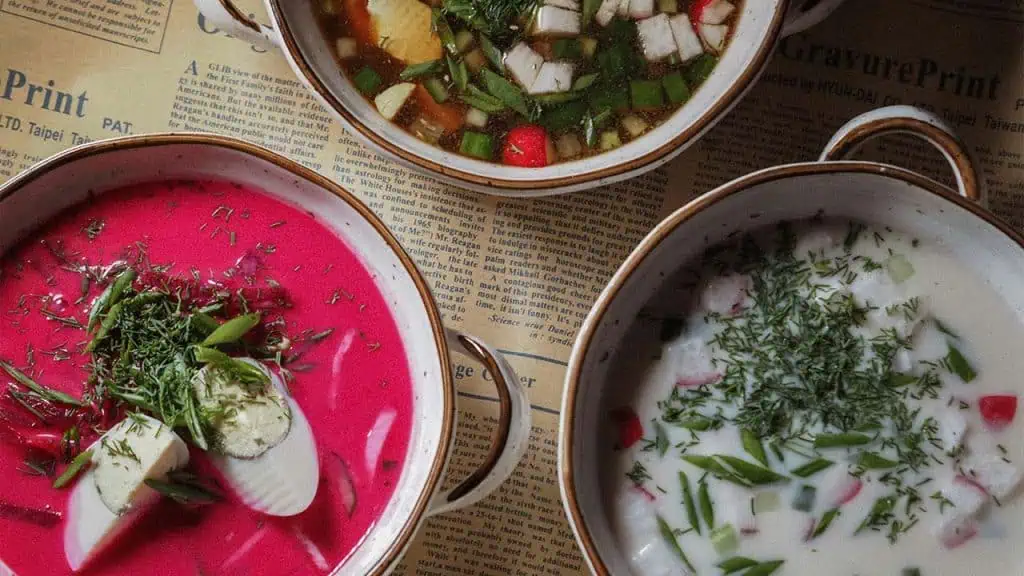
Cream-based soups are prone to separation when they’re kept warm for extended periods. The fats can break from the liquid, leading to an unappetizing texture. To combat this, soups should be simmered gently and thickened to a stable consistency. When reheating, do so slowly, stirring frequently, to meld the fats back into the liquid. Incorporating a roux or cornstarch slurry during preparation can prevent this issue, preserving the soup’s creamy integrity for richer, velvety bowls.
Mashed Potatoes: Lumpy Potential

Mashed potatoes can become lumpy if not executed with care. Start by selecting starchy potatoes like Russets for a smoother result. Peel and cut them into even pieces to ensure uniform cooking. After boiling until fork-tender, use a ricer or food mill instead of a masher for the fluffiest texture. Gradually mix in warm butter and cream, which helps emulsify the fats. Avoid overmixing, as this can make potatoes gluey. Season thoroughly for a perfect, silky finish.
Carving Station: Quality Fluctuates
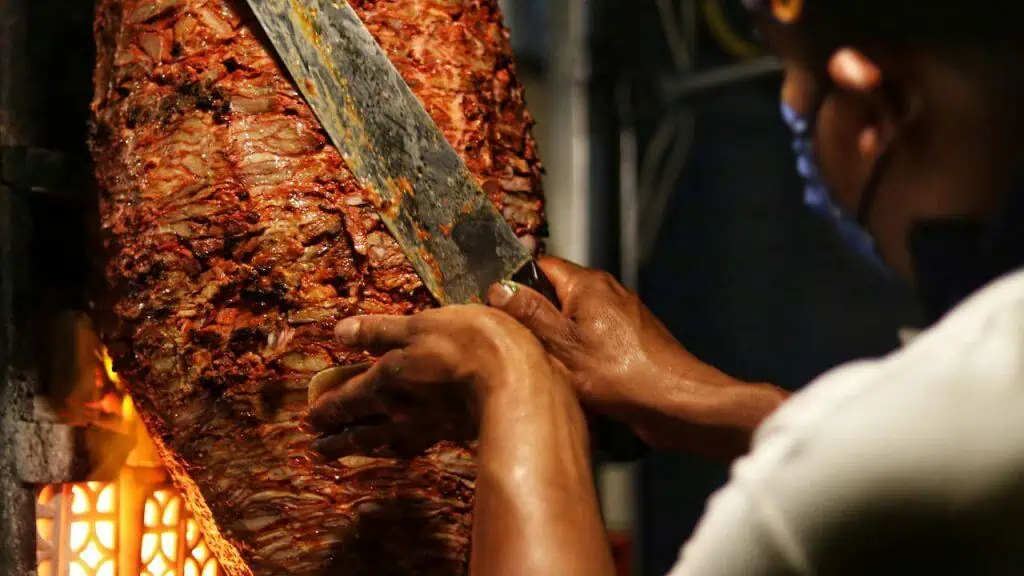
At a carving station, the quality of meat can be unpredictable, largely due to prolonged exposure to heat lamps. This can result in roast beef or ham turning dry and overcooked. For a consistently tender result, professional chefs ensure meats are rested adequately and sliced to order, reducing exposure to elements. When tackling such stations at a buffet, observe how the meat is handled and avoid sections that appear dry or overly charred.
Mac and Cheese: Overcooked Hazard

Macaroni and cheese at buffets often fall victim to overcooking, resulting in a grainy texture and clumpy sauce. The pasta continues to cook in the steam trays, robbing it of its creamy allure. Chefs recommend using a textural contrast, like a breadcrumb topping that can hold up over time. If preparing at home, ensure the pasta is slightly undercooked and monitor the sauce's consistency, opting for a recipe that includes a blend of cheeses that maintain their smoothness.
Bread Pudding: Often Underwhelming

Bread pudding can suffer from a lackluster texture at buffets, turning either too soggy or dry. This is due to inadequate soaking time and incorrect custard-to-bread ratios. For an optimal dish, ensure the bread is stale enough to absorb the custard and allocate time for it to rest before baking. Professionals often recommend a middle ground where the dish is moist yet holds structue, highlighting the flavors of vanilla and cinnamon without overwhelming sweetness.
Crab Legs: Difficult to Keep Fresh
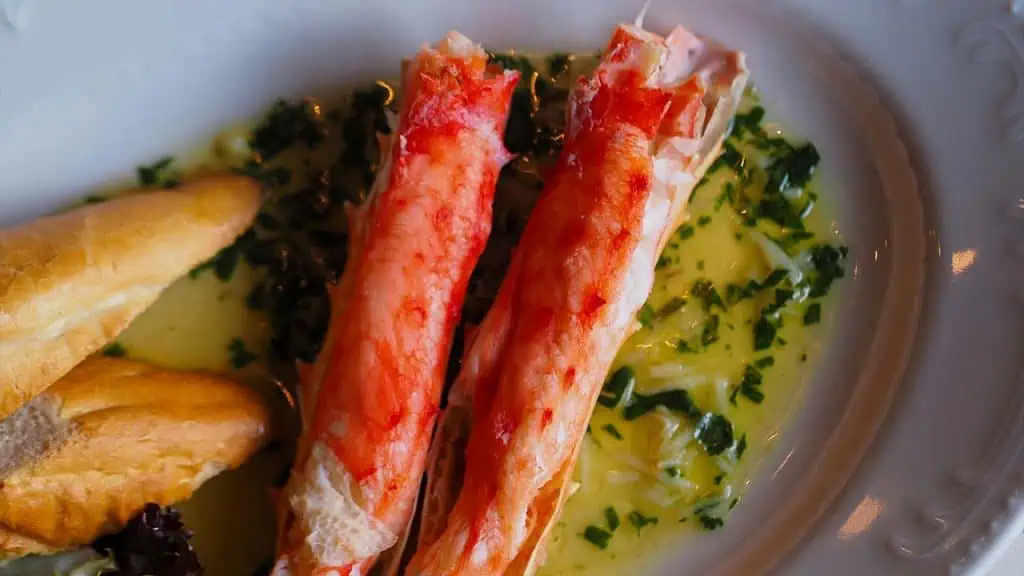
Crab legs are a delicate item prone to drying out or over-steaming. At buffets, they are often held at inadequate temperatures, leading to a decline in quality and flavor. To ensure freshness, serve them on a bed of ice or consistently rotate them in smaller batches. Chefs prefer to savor crab when its natural sweetness is preserved, paired simply with drawn butter or a squeeze of lemon, avoiding overly complex presentations that might mask its taste.
Ice Cream Bar: Meltdown Mayhem
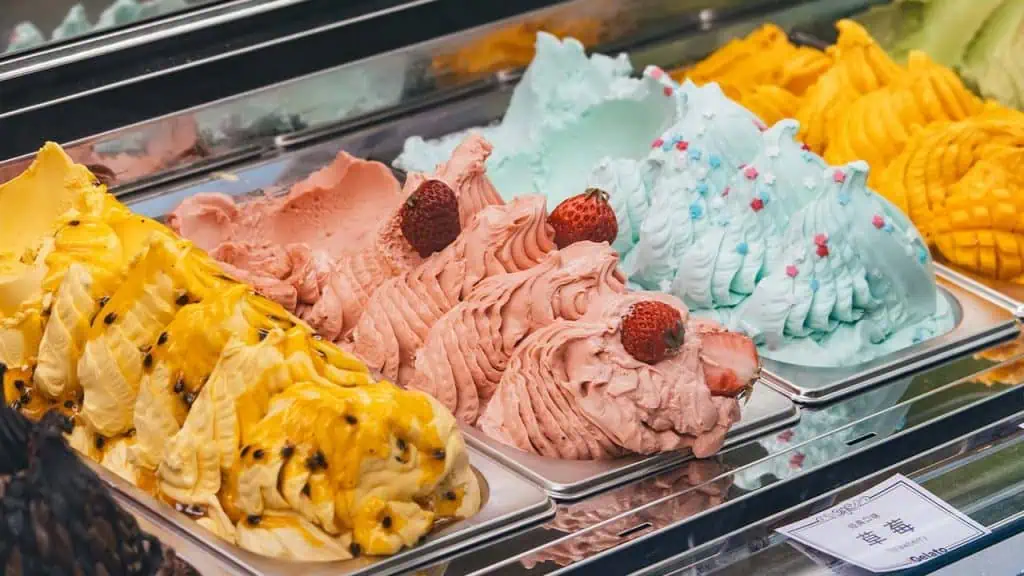
Ice cream presents a unique challenge at buffets due to temperature control issues, leading to a less-than-ideal consistency. Professional chefs know that a well-maintained ice cream bar requires attentive service to prevent melting and the unpleasant formation of ice crystals. Selection should focus on quality ice creams stored at optimal temperatures, rotating toppings that complement rather than congeal. At home, serve immediately after scooping and keep serving tools chilled to maintain texture integrity.
