
I Switched to Eating Like My Grandparents Did for 30 Days (Here’s What Nobody Tells You)
Stepping back into the culinary world of my grandparents for a month meant abandoning the high-tech, ultra-processed convenience of 2026. This experiment required a complete overhaul of my pantry, replacing “protein-enriched” bars and lab-grown snacks with lard, whole milk, and garden vegetables. The goal was to see if the “old ways” of eating could survive the fast-paced demands of modern life.
What I discovered was a fundamental shift in my relationship with food that no one warned me about. Eating like it was 1956 isn’t just about the recipes; it’s about the rhythm of preparation and the density of the nutrients. While the first week was a struggle against “convenience withdrawal,” the subsequent three weeks revealed a level of sustained energy I hadn’t felt in years. This wasn’t a diet of deprivation, but one of deep, ancestral satisfaction that modern “health foods” often fail to provide.
The Power of “Real” Fats and Satiety
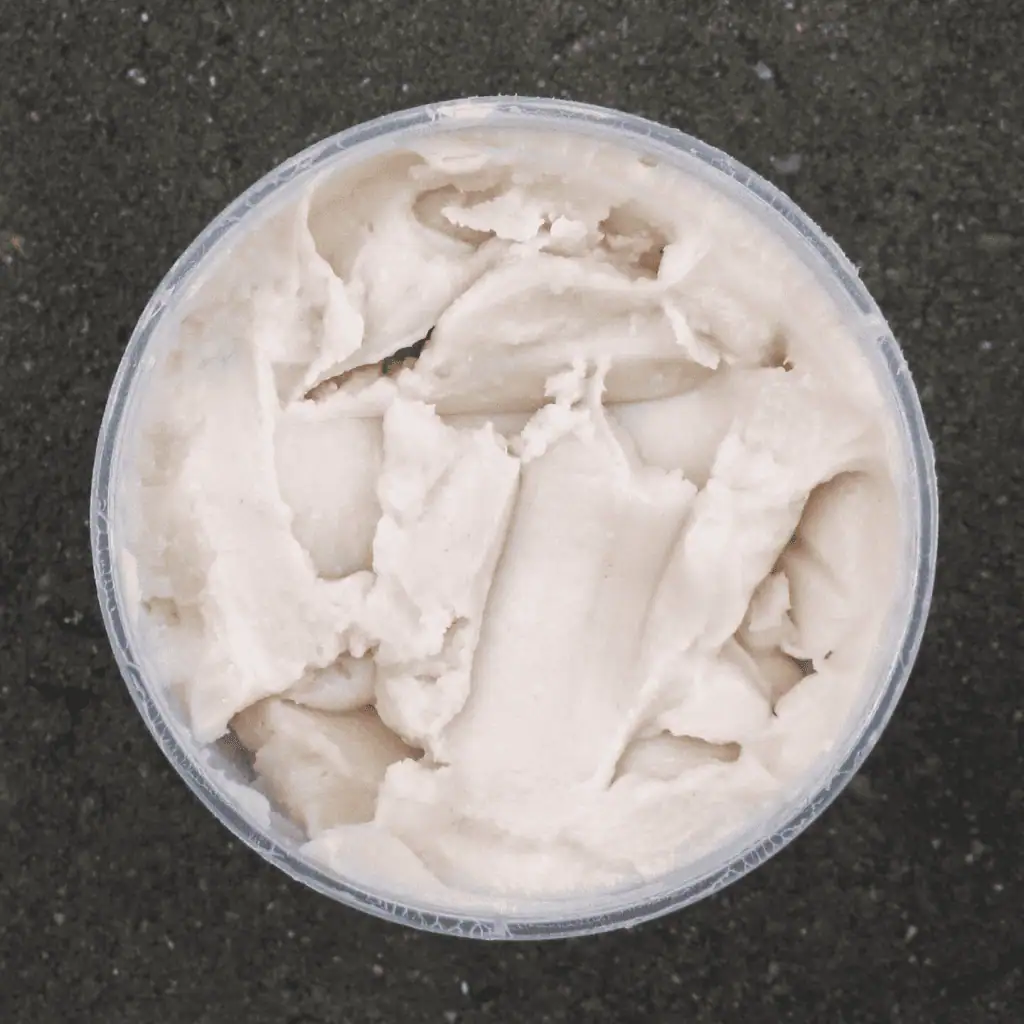
The biggest shock was the sheer amount of animal fats and butter I consumed, which directly contradicted modern low-fat “diet” advice. My grandparents didn’t fear saturated fats; they used them as the primary fuel source for their physical labor. In 2026, where we often rely on highly processed seed oils, switching back to tallow and butter felt revolutionary for my digestion.
I found that I was significantly more satiated after meals, which naturally ended my habit of midnight snacking. Because these fats are so nutrient-dense, I didn’t experience the “sugar crashes” common with modern processed carbohydrates. What nobody tells you is that when you eat high-quality fats, your brain’s “hunger switch” actually turns off. I stopped obsessing over my next meal and started focusing on the quality of the ingredients I was currently enjoying.
The “Slow Food” Mental Health Boost
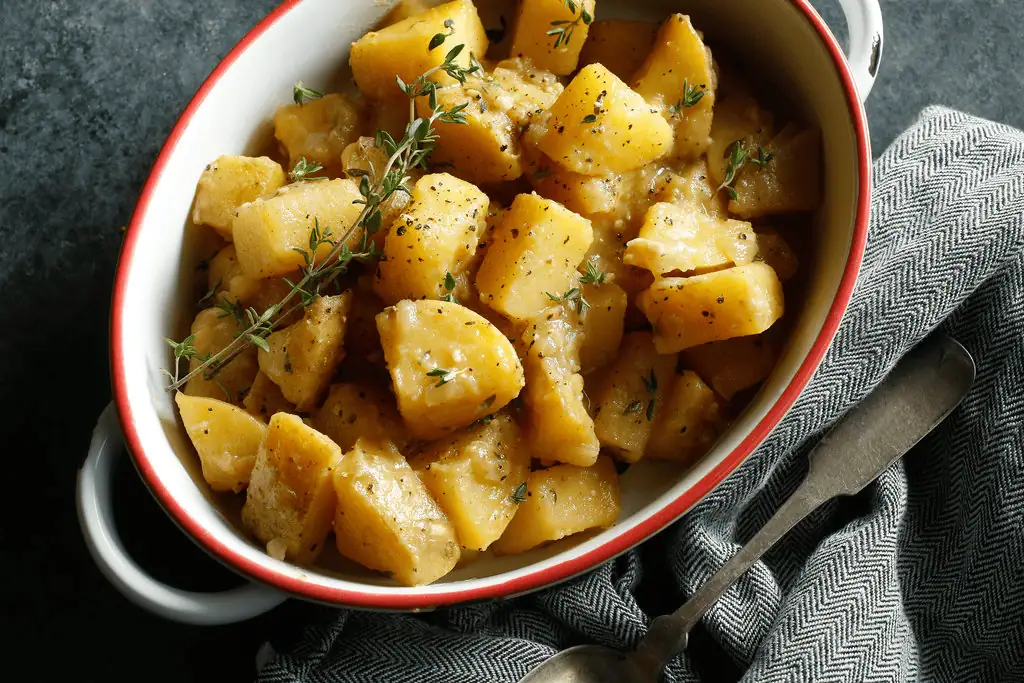
Modern life in 2026 is built on the “instant,” but my 30-day experiment forced me into a “slow food” lifestyle. Preparing meals from scratch, peeling potatoes, slow-braising meats, and baking bread took an average of two hours per day. Initially, this felt like a chore, but it quickly became a meditative practice that lowered my daily cortisol levels.
There is a profound mental health benefit to the manual labor of cooking that is lost in our “microwave-and-go” culture. By the second week, the kitchen became a sanctuary rather than a transit station. I realized that the “convenience” of 2026 actually robs us of the grounding ritual of food preparation. This slow-paced approach fostered a sense of accomplishment and a deeper appreciation for the effort required to nourish the human body.
The Unexpected Grocery Bill Savings

I entered this experiment expecting my grocery bill to skyrocket due to the “whole food” requirement, but the opposite happened. By avoiding the “branded” health foods and pre-packaged kits of 2026, I saved nearly 30% on my monthly food expenses. Buying bulk flour, seasonal produce, and “cheaper” cuts of bone-in meat proved to be incredibly economical.
My grandparents knew how to stretch a dollar by using every part of the animal and preserving seasonal gluts. I learned to make stocks from scraps and use leftovers as “base” ingredients for the next day’s stew. In a 2026 economy defined by food inflation, this “vintage” thriftiness is a survival skill that is more relevant than ever. You don’t need expensive “superfoods” when you have the foundational wisdom of a 1950s kitchen.
The Lasting Legacy of the Vintage Plate

As the 30 days concluded, I realized that I couldn’t simply go back to the way I ate before. The “Grandparent Diet” proved that our modern food system often prioritizes shelf-life and speed over human vitality and flavor. My sleep quality improved, my “brain fog” vanished, and I felt a renewed connection to my family’s heritage through the recipes I prepared.
While I might not churn my own butter every week, the core principles of whole-food eating will remain a permanent part of my 2026 lifestyle. This experiment wasn’t just about weight or health metrics; it was about reclaiming a lost art of living well. If you are feeling burnt out by the “high-tech” diet trends of today, the answer might just be sitting in your grandmother’s old handwritten recipe box. Sometimes, to move forward, we truly have to look back.
