
15 Food Trends Everyone’s Talking About Before 2025 Ends
The culinary world is constantly evolving, with trends emerging that shape how we approach cooking and dining. As 2025 approaches, a few key movements are poised to redefine our culinary experiences. From inventive plant-based alternatives to AI-generated recipes advancing into home kitchens, these trends offer both flavor and innovation. Delve into these exciting concepts and discover how they can enhance your culinary repertoire.
Plant-Based Seafood Makes Waves

Plant-based seafood is gaining significant attention, offering sustainable alternatives that mimic the taste and texture of fish and shellfish. These products often use ingredients like algae and konjac to create realistic replicas. Key techniques involve marinating to infuse depth and using crisping methods in air fryers or skillets to achieve the desired mouthfeel. Whether preparing a ‘salmon’ fillet or konjac-based ‘scallops,’ mastering the balance of flavor and texture is crucial. Experiment with seaweed for umami notes or light smoking for a richer profile.
AI-Created Recipes Hit Home Kitchens

AI-generated recipes are transforming home cooking, providing guidance that is both innovative and precise. These recipes utilize algorithms to optimize flavor combinations and suggest substitutions based on dietary needs or ingredient availability. To integrate AI into your cooking, start with apps that can tailor recipes to your pantry. Embrace AI’s suggestions for unique pairings you might hesitate to try. The result can be surprisingly harmonious and encourage culinary exploration, offering a new perspective on familiar ingredients.
Functional Drinks for Mood and Focus

Functional drinks are becoming a staple for those looking to improve mood and mental clarity through nutrition. These beverages often include adaptogens, nootropics, and botanicals designed to enhance cognitive function. Preparing these at home involves understanding the effects of ingredients like ashwagandha, lion’s mane, and ginseng. Try blending these with matcha or turmeric for an invigorating latte, or experiment with sparkling teas infused with calming herbs. Pay attention to balance, ensuring flavors are complementary rather than overpowering.
Global Spice Blends Take Center Stage

Global spice blends are revolutionizing kitchens, bringing diverse flavors from around the world into everyday meals. Blends such as ras el hanout, za’atar, and berbere transform basic dishes with layered taste profiles. To utilize these effectively, toast the spices briefly to unlock their full aroma before grinding. Incorporate them into marinades, rubs, or sprinkle as a finishing touch. This approach can elevate anything from roasted vegetables to grilled meats. Understanding the cultural history of each blend enhances appreciation and culinary accuracy.
Gourmet Tinned Fish: A Pantry Must-Have

Bringing simplicity and elegance to the table, gourmet tinned fish is capturing hearts across culinary circles. Selections like smoked mackerel or brisling sardines elevate pantries with rich, bold flavors. These options, often preserved in high-quality olive oils or piquant sauces, offer a sophisticated and convenient meal component. Pair with crusty bread and a citrus-forward salad for a complete experience. Focus on brands emphasizing sustainable fishing practices to ensure quality and environmental responsibility, making these pantry staples both delicious and conscientious.
Nostalgic Comfort Foods Reimagined

As nostalgia meets innovation, comfort foods transform with contemporary twists. Think classic grilled cheese enhanced with aged cheddar and a touch of truffle, or mashed potatoes with miso butter, adding umami depth. These familiar yet reinvented dishes satisfy cravings while offering new sensory experiences. Play with textures by adding crisp elements or infusing herbs for aromatic layers. This approach allows home cooks to explore nostalgia while indulging in culinary creativity, making comfort foods more dynamic and exciting than ever.
Sustainable Snacking with Upcycled Ingredients

Transform your snacking habits with sustainable options crafted from upcycled ingredients. Brands are turning byproducts like fruit pulp or nut meal into delightful, eco-friendly snacks. These innovations reduce waste while offering nutrient-rich alternatives to traditional snacks. For home experimentation, try incorporating leftover vegetable peels into crisps or using spent grain to boost fiber in baked goods. This trend promotes mindful consumption, encouraging cooks to think creatively about resource use and enjoy the delicious rewards.
Fermented Everything: Gut Health Boom
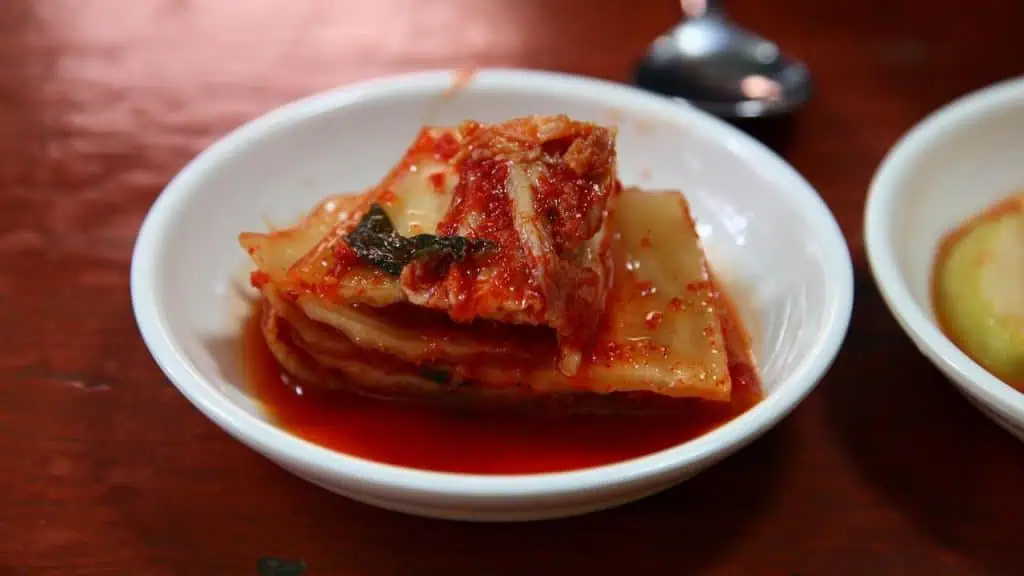
Fermentation has gained traction, driven by the gut health craze. Foods like kimchi, sauerkraut, and kefir are heralded for their probiotic benefits and complex flavors. Incorporate these into meals for added zest and digestive aids. Homemade ferments can elevate dishes from salads to sandwiches, offering a tangy punch. Precision is key; keep temperatures consistent during fermentation to ensure safety and taste. This resurgence in age-old techniques highlights the balance between health and flavor, inviting exploration in both traditional and modern kitchens.
Mushroom Coffee & Adaptogenic Elixirs

Mushroom coffee and adaptogenic elixirs are redefining hydration and energy patterns. Chaga, reishi, and lion’s mane enhance coffee with earthy undertones and potential cognitive benefits. Replace your regular brew with these blends for sustained energy without the usual jitters. Adaptogens like ashwagandha and ginseng are also popular in teas and smoothies, promoting stress reduction. For optimal results, experiment with different combinations to match personal preferences and health goals, making these beverages a personalized ritual in wellness-focused routines.
Protein-Rich Pasta Alternatives Rise

In recent years, pasta made from high-protein sources like chickpeas, lentils, and edamame has gained popularity for its nutritional benefits. These alternatives offer home cooks the chance to up their protein intake while enjoying the comfort of pasta dishes. When cooking, be mindful of the texture, these pastas often require slightly less boiling time than traditional wheat pasta to avoid mushiness. Pair with robust sauces rich in herbs and vegetables to complement their earthy undertones, creating balanced, healthful meals that satisfy.
The Return of Slow Cooking & One-Pot Meals
Slow cooking and one-pot meals are making a strong comeback, celebrated for their convenience and flavor depth. These methods encourage layering of flavors and the gentle melding of ingredients over time. Choose tougher cuts like chuck roast or bone-in chicken for their ability to break down into tender, succulent pieces. Enhance the dish with aromatics like garlic, onions, and fresh herbs added at the beginning, allowing them to infuse thoroughly. This approach simplifies meal prep and results in richly flavored weeknight dinners.
Fusion Desserts Take Over TikTok

Modern desserts are combining global flavors, creating innovative sweets that captivate social media. Think Japanese matcha paired with French macarons or Thai mango sticky rice transformed into churros. Precision in technique is essential for these cross-cultural sweets. Balance is key; ensure not to overpower delicate flavors with heavier ones. Experiment with textures, creamy fillings, crunchy toppings, and fluffy bases, to entice the eyes and palate, making each bite an exploration of complementary yet distinct tastes.
Lab-Grown Meat Hits the Market

With technological advancements, lab-grown meat has become a viable option, appealing to consumers seeking sustainable and ethical meat sources. Cooking lab-grown meat calls for respect to its unique structure and flavor. Searing at high temperatures develops a delicious crust while maintaining juiciness inside. Season with herbs and spices that enhance rather than mask its natural taste. Pair with vibrant sides and sauces that offer contrasting textures and freshness, presenting dishes that are familiar yet innovatively compassionate.
Zero-Waste Cooking Becomes a Lifestyle

Zero-waste cooking emphasizes using the entirety of ingredients, minimizing scraps and maximizing flavor. Home cooks can embrace this by creatively repurposing leftovers and parts typically discarded. Vegetable tops, peels, and bones can enrich stocks and broths, bringing complexity and depth of flavor. Infuse oils with herb stems and make chutneys from fruit rinds to extract maximum use. This approach fosters creativity and responsibility, turning what once was waste into delicious additions to meals, emphasizing sustainability and resourcefulness.
Spicy-Sweet Flavors Dominate Snacks
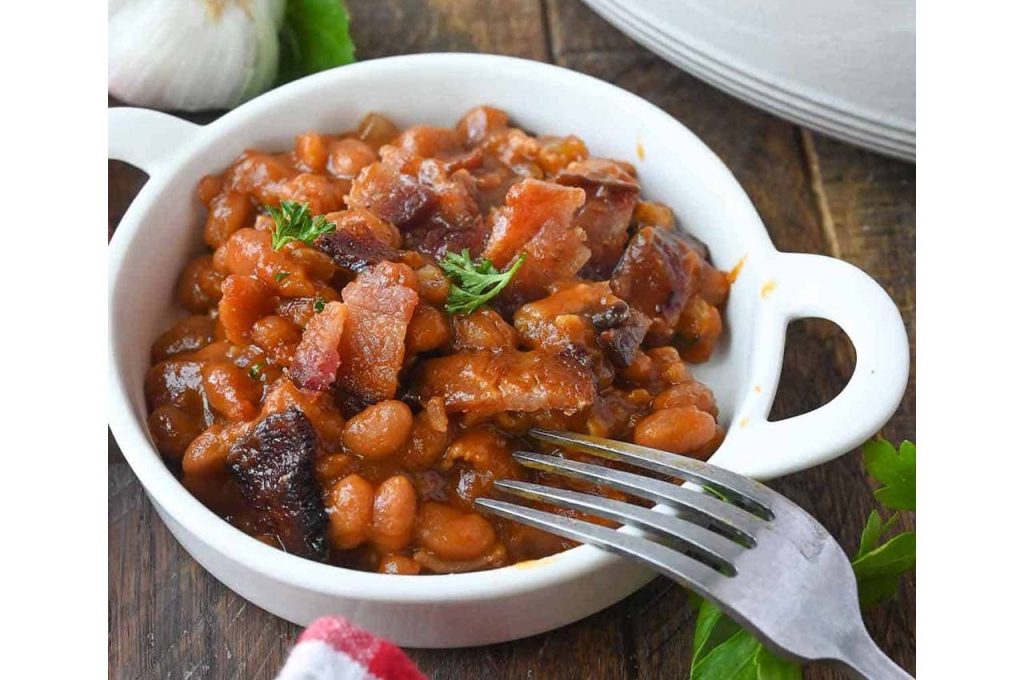
A harmonious blend of heat and sweetness is transforming the snack landscape, delivering bold bites. In this trend, choose red chili flakes or smoked paprika to add layered spice, then balance with a touch of honey or maple syrup for sweetness. Incorporate these flavors into roasted nuts, popcorn, or even dried fruits. Ensure the spices are evenly distributed by tossing the snacks with a bit of olive oil before seasoning. The result is a snack that tempts with warmth, yet soothes with sweet undertones, creating an addictive experience that keeps you reaching for more.
Get the recipe: Sweet and Spicy Baked Beans
