
10 Foods That Were Once Legal to Eat (But Aren’t Anymore)
Food history is full of surprises, some delicious, others unsettling. Many dishes that were once perfectly acceptable to eat are now banned for reasons ranging from public safety to environmental protection. As awareness of toxins, endangered species, and ethical sourcing grew, entire menus had to adapt. These foods may have been considered normal once, but modern science and evolving values have moved them permanently off the plate.
Fresh Ackee

Jamaica’s national fruit, ackee, was once enjoyed freely across the Caribbean. However, when eaten before ripening, it produces toxins that can cause severe illness or even death. Because of this danger, the sale of fresh, unprocessed ackee is now banned in several countries. Only carefully canned or certified safe versions are allowed, turning this tropical treat into a regulated delicacy.
Raw Milk
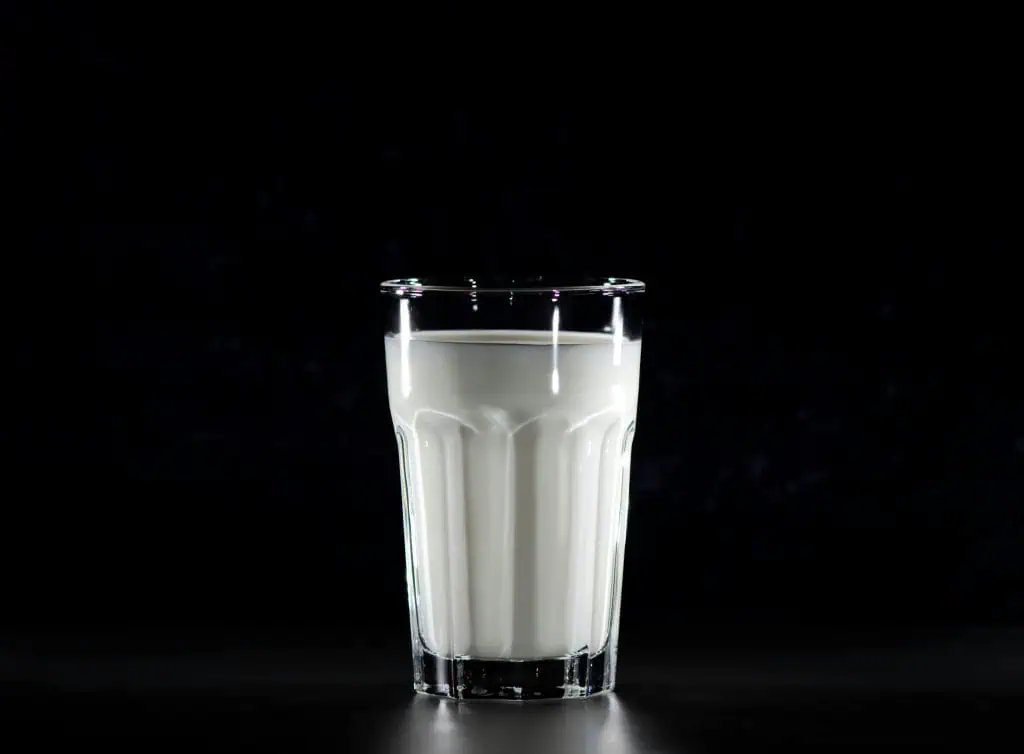
For decades, unpasteurized milk was sold openly as a natural farm product. But growing knowledge of bacteria like Salmonella and E. coli led to widespread bans. Today, many regions prohibit its sale or tightly control its distribution to prevent outbreaks. What was once a symbol of rustic purity is now a public health concern proof that not all “raw” is safe.
Foie Gras

Long prized in fine dining, foie gras is made by force-feeding ducks or geese to enlarge their livers. Once considered a luxury, it’s now banned in multiple areas due to animal cruelty concerns. While some countries still permit its production, others have outlawed it entirely. The debate over foie gras highlights how ethical awareness can reshape culinary traditions.
Haggis

Scotland’s beloved haggis a savory pudding made from sheep’s organs, was once exported worldwide. But when food safety rules tightened, the traditional version containing sheep lung was banned in places like the U.S. due to contamination risks. Modern alternatives exist, but they lack the authenticity purists crave. The original haggis remains a casualty of modern regulation.
Casu Marzu

This infamous Sardinian cheese once symbolized artisanal daring. Made by allowing flies to lay eggs inside the cheese, it contained live maggots that helped ferment it. While locals considered it a delicacy, health authorities didn’t. Today, the traditional form is banned for sale, surviving only in secret production. Once legal, it’s now an underground legend of food folklore.
Fugu (Puffer Fish)
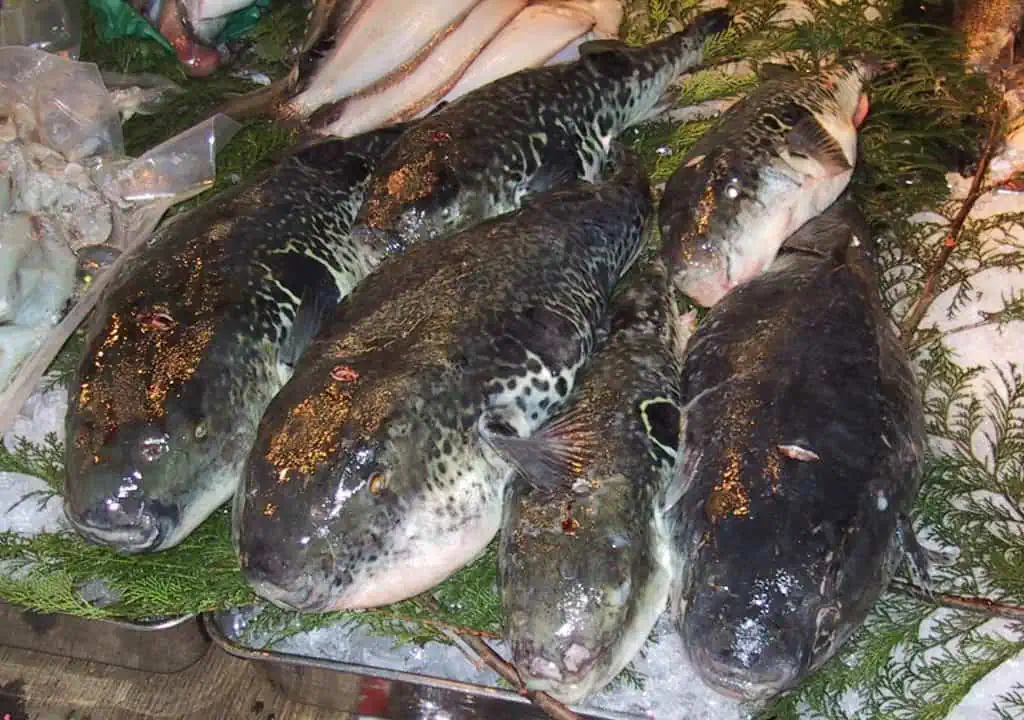
Japan’s fugu was once an exclusive delicacy, served by chefs trained to remove its deadly toxins. A single mistake could be fatal, and that danger led many nations to outlaw it completely. Even in Japan, chefs need strict licenses to serve it. Once legal and thrillingly dangerous, fugu now represents the razor’s edge between risk and refinement.
Shark Fin Soup
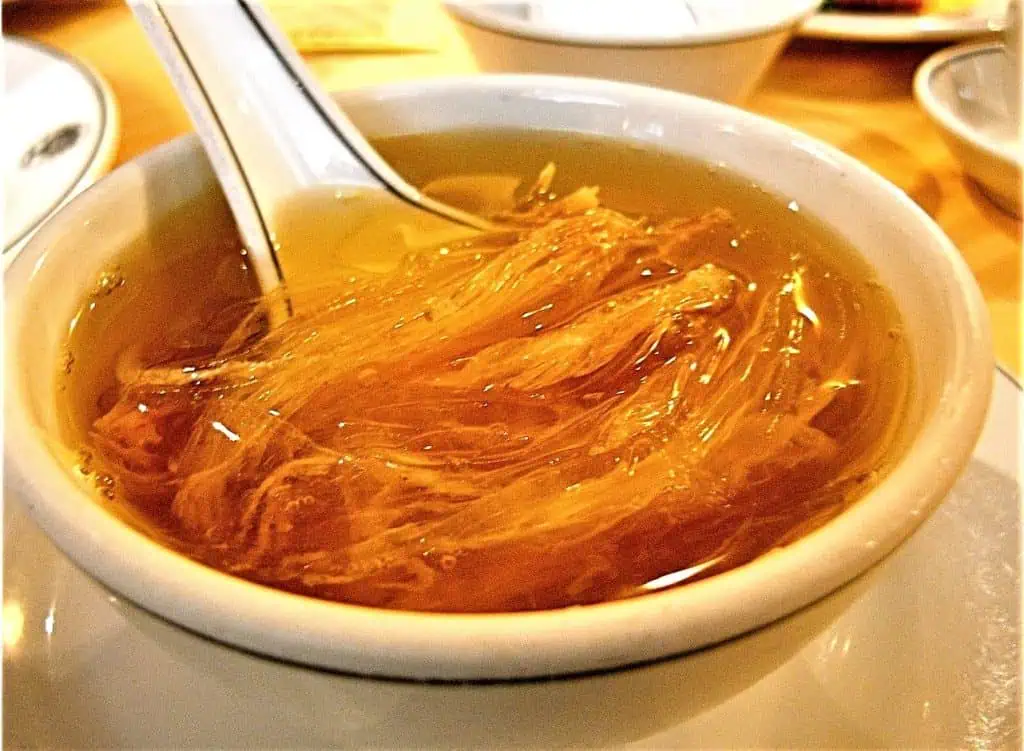
Once a banquet centerpiece in Asian cuisine, shark fin soup symbolized luxury and status. But as shark populations declined, global outrage grew over the cruelty of finning practices. Today, many regions ban the sale or possession of shark fins to protect marine ecosystems. Once a celebration dish, it’s now a reminder of the cost of indulgence.
Ortolan Bunting

The tiny songbird known as the ortolan was once eaten whole as a secret delicacy in France. Hunters captured the birds and fattened them before drowning them in brandy. Conservation laws and moral pressure have since banned the practice. The dish, once considered a sensual ritual, now stands as a stark example of culinary excess gone too far.
Horse Meat

For centuries, horse meat appeared on dinner tables across Europe and North America. But over time, cultural attitudes and animal welfare laws changed. In the U.S., horse slaughter for human consumption is now effectively banned, and demand elsewhere continues to decline. What was once seen as resourceful eating is now socially and legally unacceptable.
Kinder Surprise Eggs

Chocolate eggs with toys inside were once harmless treats for children, but safety concerns changed that. Laws banning non-edible items encased in food made the original Kinder Surprise illegal in several countries. Though redesigned versions exist, the original remains off-limits. Once an innocent joy, it’s now a small but famous casualty of stricter safety standards.
