
Things You’re Probably Doing Wrong with Hard-Boiled Eggs
Perfectly cooked hard-boiled eggs should have firm whites and creamy yolks without a hint of green. Many home cooks find achieving this balance tricky, often resulting in overcooked, rubbery textures. Understanding key steps in preparation can transform your approach and yield consistently excellent results every time.
Are You Overcooking Them?

Overcooking is a common mistake that leads to rubbery whites and a gray-green ring around the yolk. This occurs when eggs are left too long in boiling water, allowing the heat to penetrate excessively. Aim for gentle simmering instead of a rolling boil, which ensures even cooking. Once the cooking time ends, promptly transfer the eggs to an ice bath to halt further cooking effectively.
How to Perfect the Timing

The timing for hard-boiled eggs should be precise. For medium-sized eggs, a cooking time of about 9 minutes will generally yield tender whites and fully cooked yolks. Large eggs may require closer to 10 minutes. Begin timing once the water reaches a gentle boil. Adjust the time slightly for smaller eggs. This attention to timing helps achieve the ideal texture and flavor balance.
The Role of Egg Size

Egg size significantly impacts cooking time. Larger eggs tend to need a minute or two more than smaller ones. Always account for size variances by noting cooking differences between batches. Consistency in size ensures predictability and uniform results, making each batch reliably consistent. Use scale or comparison against standard egg cartons to judge appropriate timing adjustments.
Peeling Techniques for Success
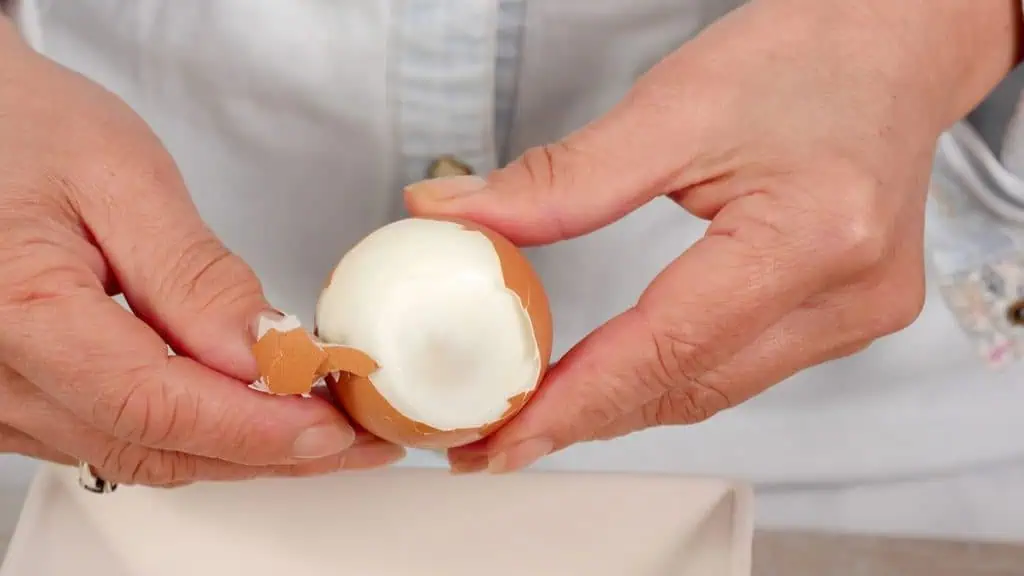
A smooth peel starts with proper preparation. Use older eggs when possible; they have a higher pH level, which reduces shell adherence. After cooking, a quick ice bath not only stops the cooking process but also aids in peeling later. Tap the wider end of the egg to crack first, then gently roll on a hard surface before peeling under running water, focusing on removing the shell without tearing the whites.
The Importance of Cooling
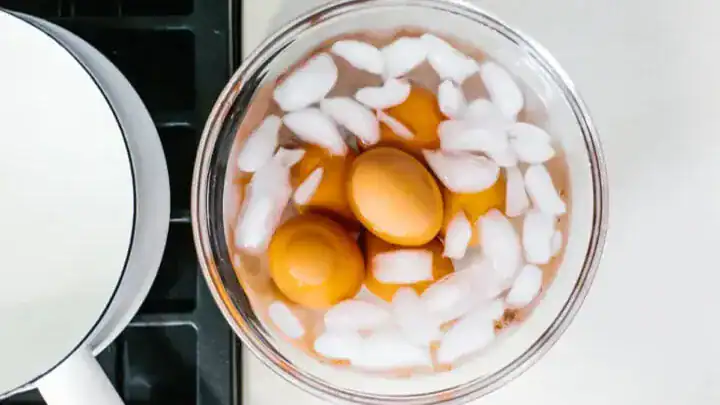
Proper cooling of hard-boiled eggs is crucial to achieving that perfect texture. Once your eggs are done, immediately transfer them to an ice bath. This halts the cooking process, preventing overcooked, rubbery whites and green-tinged yolks. Let them cool for at least 10 minutes. This chilling also makes peeling easier, as it contracts the egg slightly from the shell. Skipping this step can lead to uneven texture and a less appealing appearance.
Storage Tips You Need
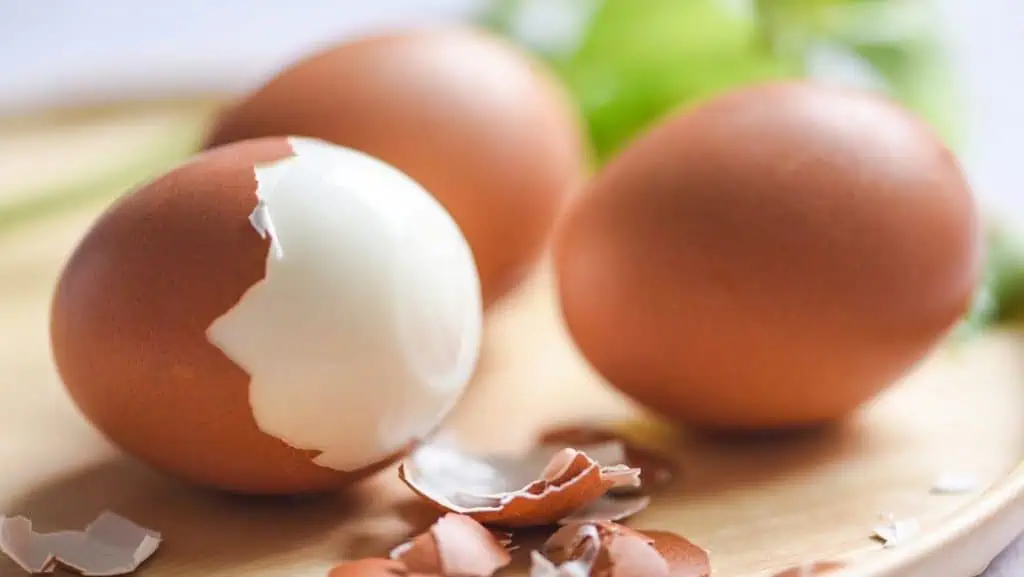
Hard-boiled eggs should be stored in their shells for optimal freshness. Place peeled or unpeeled eggs in an airtight container and refrigerate. They last up to a week and should be kept at a consistent, cool temperature to prevent spoilage. Avoid storing eggs in the refrigerator door, where temperature fluctuations are common. Always label with the boiling date to ensure freshness and safety.
Choosing the Right Eggs

For the best hard-boiled eggs, start with older eggs rather than fresh ones. As eggs age, the pH of the white increases, which aids peeling. Aim for eggs that are one to two weeks old. Always check their condition before boiling; they should be free from cracks and imperfections. Using consistent-sized eggs helps ensure uniform cooking, which is key to a consistent batch.
