
Why Ancient Grains Are Making a Big Comeback
Ancient grains are steadily regaining popularity in modern kitchens. These grains, including quinoa, farro, and spelt, offer more than just nostalgia, they bring nutritional depth and culinary variety. Renowned for their robust flavors and textures, ancient grains are a welcome addition to any diet. Their resurgence is fueled not only by health-conscious consumers but also by environmentally-aware individuals looking to make sustainable food choices. Explore the growing appeal of these ancient staples and discover how they can enhance your culinary repertoire.
Rediscovering Nutritional Powerhouses

Ancient grains boast impressive nutritional profiles that outshine many contemporary staples. Rich in essential vitamins, minerals, and fiber, grains like amaranth and millet provide far more than just carbohydrates. These grains are complete proteins, making them particularly valuable for vegetarians and those seeking plant-based nutrition. Their lower glycemic index and nutrient-dense nature contribute to sustained energy levels and overall well-being. Embrace these time-tested ingredients for their ability to nourish and fuel the body with wholesome, natural goodness.
Sustainability: Better for the Planet
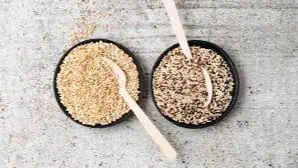
Harness the sustainability of ancient grains to support a healthier planet. Unlike modern monoculture crops, many ancient grains require fewer inputs such as water and fertilizers, reducing their environmental footprint. Their natural resilience enables them to grow in diverse climates and poor soil conditions, adding to their appeal as eco-friendly choices. By integrating these grains into your diet, you’re also supporting biodiversity, as many varieties have remained unchanged for thousands of years. Choose ancient grains as a practical step towards sustainable eating and environmental stewardship.
Culinary Versatility and Flavor
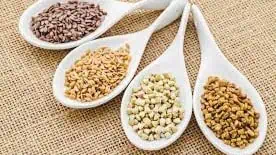
Incorporate ancient grains into your cooking to experience their diverse flavors and textures. Teff offers a mild, nutty taste, while the chewy nature of farro pairs well with rich sauces and broths. Amaranth adds a peppery note to salads and soups, creating depth and interest. Use them in place of rice or pasta, or explore unique baking applications with spelt flour. Their adaptability enhances anything from savory mains to sweet desserts, making these grains a valuable addition to your culinary toolkit. Experiment with ancient grains to transform everyday meals into exciting culinary adventures.
Health Benefits Galore

Enjoy the myriad health benefits that accompany the use of ancient grains. Packed with antioxidants, these grains help combat inflammation and protect against chronic diseases. Their high fiber content aids digestion and supports heart health, while their protein-rich nature provides sustained energy. Ancient grains can also help in managing weight by promoting satiety and reducing cravings. Include these grains in your diet to harness their full potential, offering not only flavor and variety but also a step towards a healthier lifestyle. They provide a functional choice for conscientious eaters seeking both taste and wellness.
Popularity in Modern Diets

Ancient grains such as quinoa, farro, and spelt are making a strong return in contemporary kitchens, praised for their rich nutritional profiles. Home cooks appreciate these grains for their high fiber, protein content, and essential minerals like magnesium and iron. When preparing these grains, rinse them thoroughly to remove any natural bitterness and cook with a gentle simmer to preserve their chewy texture. Their versatility shines in salads, soups, and as appealing sides, making them a valuable addition to a balanced diet.
