
15 of the World’s Most Expensive Gourmet Ingredients
Exploring the world of gourmet ingredients unveils a realm where rarity meets exquisite flavor. These exceptional elements often command high prices due to their unique qualities and labor-intensive harvest methods. Understanding their origins and applications elevates cooking to an art form, inviting food enthusiasts to enhance their culinary creations with unparalleled tastes and textures. Let’s delve into the allure and culinary potential of some of the most sought-after ingredients globally.
Italian White Truffles: Earth’s Hidden Treasure

Italian white truffles, known as “tartufo bianco,” are prized for their earthy, aromatic profile. Found primarily in the forests of Alba during a short autumn season, they require skilled dogs or pigs for hunting. The secret to maximizing their flavor is minimal cooking; a simple shaving over hot pasta, risotto, or eggs allows their distinctive scent and taste to shine. Storing them properly in rice can help retain their aroma, while pairing with fats like butter or olive oil enhances their luxurious texture.
Saffron: The Golden Threads

Saffron, derived from the stigmas of crocus flowers, boasts a vivid color and a distinct, slightly metallic taste with floral undertones. Each crimson thread is hand-picked, contributing to its status as the world’s most expensive spice. To extract its full flavor, infuse saffron in warm water or stock before incorporating it into dishes. Perfect for enriching paella, risotto, or desserts, saffron’s potency ensures a small quantity transforms the visual and taste profile, bestowing a radiant hue and complex aroma.
Tokyo’s Bluefin Tuna Auctions

Tokyo’s Tsukiji and Toyosu fish markets host the famed bluefin tuna auctions, where hefty price tags reflect the fish’s buttery flesh and deep red hue. The finest “otoro” cut, taken from the tuna’s belly, is prized for its marbling and melt-in-the-mouth texture. Freshness is paramount; hence, sashimi and sushi are ideal preparations. Highlight the fish’s clean taste with minimal seasoning, soy sauce and wasabi enhance without overwhelming. Utilizing skilled knife techniques ensures each piece is perfectly sliced, enhancing both presentation and flavor.
Kobe Beef: Marbling Masterpiece
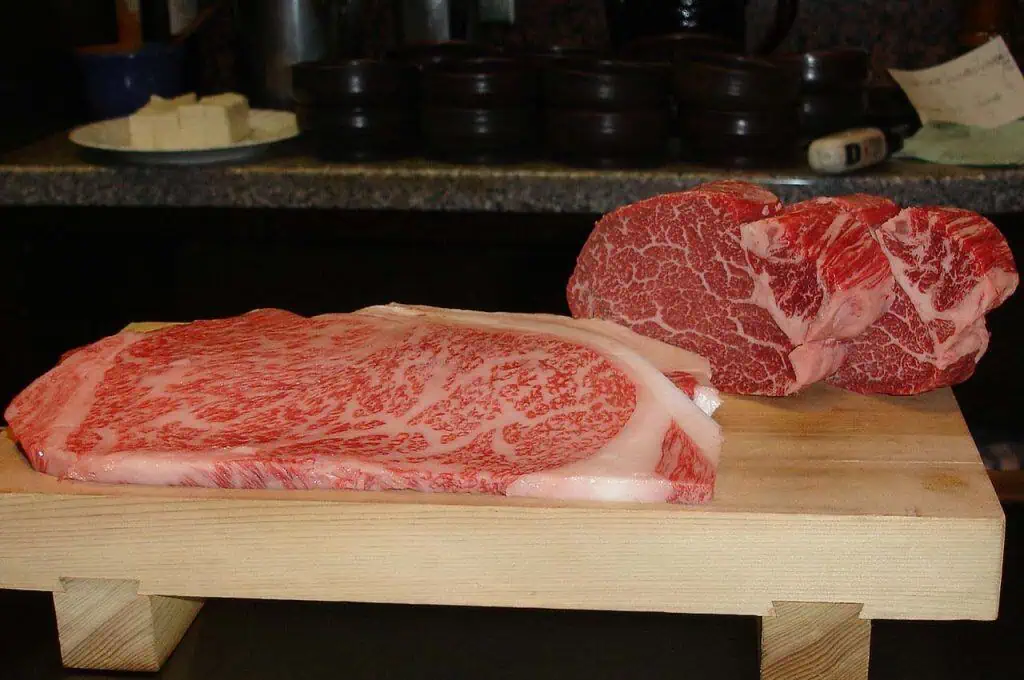
Kobe beef, with its legendary marbling, hails from Wagyu cattle raised in Japan’s Hyogo Prefecture. Renowned for its tenderness and rich, buttery flavor, this beef requires thoughtful preparation. Cooking Kobe beef at low temperatures preserves its succulence, whether using gentle grilling or brief searing on a hot surface. Season sparingly with salt to let the natural flavors dominate. Pair with subtle accompaniments like steamed vegetables or a light salad to balance the richness, ensuring the beef remains the focal point.
Madagascar Vanilla: Orchid’s Finest
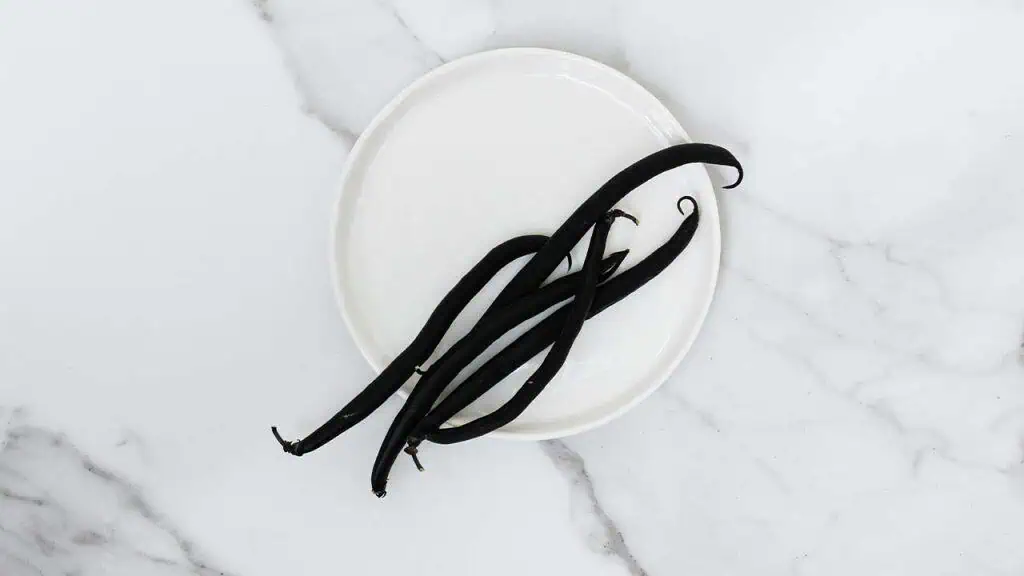
Madagascar vanilla, derived from the orchid Vanilla planifolia, is renowned for its deep, creamy notes and nuanced floral aroma. When using this ingredient, split the pod lengthwise, scraping out the tiny black seeds to infuse their fragrance into custards, creams, or batters. The empty pod can simmer in liquids, enhancing syrups or poaching liquids. Opt for authentic Madagascar pods, identifiable by their plump, oily texture and rich aroma, ensuring you harness the full spectrum of its flavor profile.
Matsutake Mushrooms: Forest Gems

Matsutake mushrooms are prized for their firm texture and distinctive spicy, cinnamon-like aroma. Preserve their delicate flavor by cleaning them gently without water, using a soft brush to remove dirt. Slice them thinly to retain texture and highlight their unique taste when sautéed with minimal seasoning. White rice pairs well, allowing the mushroom’s natural essence to shine. Store matsutake carefully, wrapped in a paper towel to maintain freshness and aroma.
Aged Balsamic: Modena’s Liquid Gold
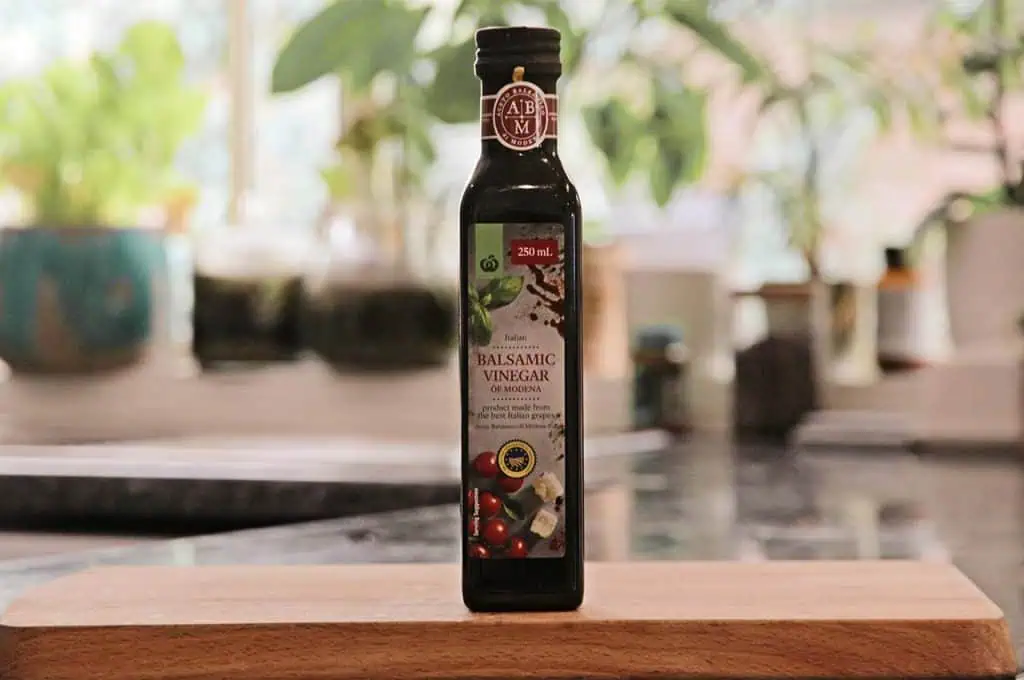
True aged balsamic vinegar from Modena offers complex notes of fig, molasses, and cherry. Its syrupy consistency and rich flavor make it ideal for drizzling over ripe strawberries or enriching the finish of roasted meats. A few drops suffice to elevate a dish, sparingly used due to its concentrated depth. Ensure authenticity by looking for the DOP label, indicating it’s been aged for at least 12 years, capturing the essence of Modena’s culinary tradition.
Beluga Caviar: Caspian’s Rare Pearls

Beluga caviar is celebrated for its large, pearly grains and buttery, nuanced flavor. Serve it cold, on chilled blinis or toast points with crème fraîche, to preserve its delicate texture. A mother-of-pearl spoon prevents metallic reactions that could alter the caviar’s taste. Pair with a chilled champagne or a crisp vodka to complement its richness. Store it in the coldest part of your refrigerator, ensuring maximum freshness and taste.
Iberico Ham: Acorn-Fed Luxury

Iberico ham, from acorn-grazed pigs, is known for its rich marbling and nutty flavor. Thin slices melt in the mouth, releasing layers of sophisticated taste best savored on its own or paired with crusty bread. Serve at room temperature to appreciate its complex aroma and rich texture. Look for the black label, indicating the highest quality, and store at cool temperatures, wrapped in a cotton cloth to allow the ham to breathe and maintain its pristine condition.
Manuka Honey: New Zealand’s Sweet Secret
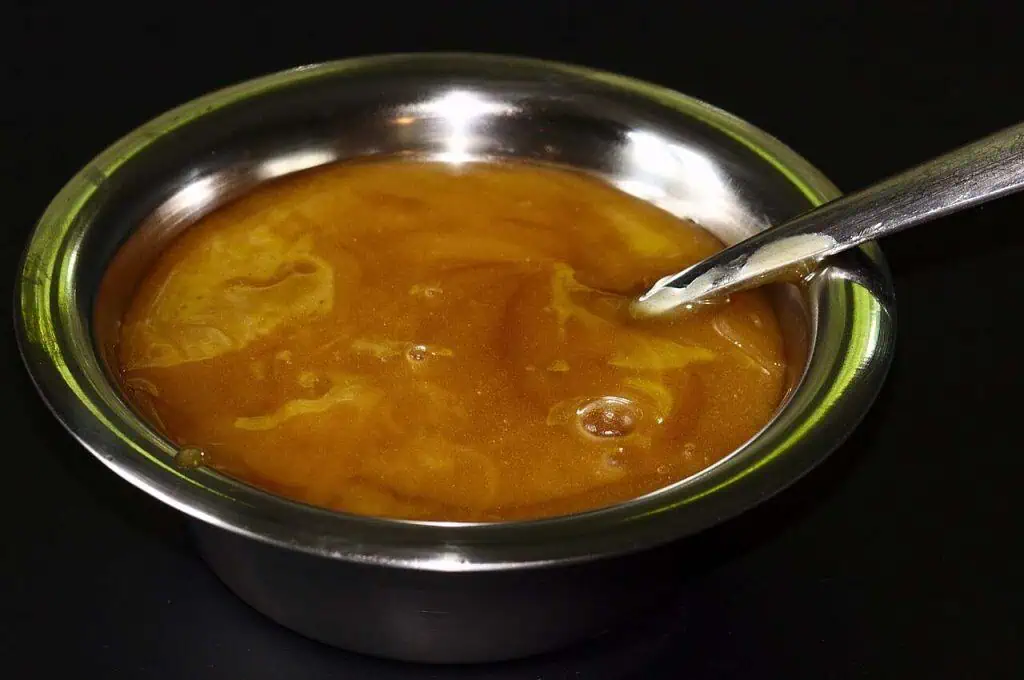
Manuka honey, derived from the nectar of the Manuka bush, is prized for its distinctively complex flavor and rich nutritional profile. To appreciate its full flavor, consider drizzling it over warm oatmeal or incorporating it into homemade salad dressings. Its thick, creamy consistency can enhance marinades for roasted meats, complementing savory notes with its natural sweetness. When selecting Manuka honey, look for a high Unique Manuka Factor (UMF) rating to ensure authenticity and benefit from its antibacterial properties.
Fugu: The Art of Danger
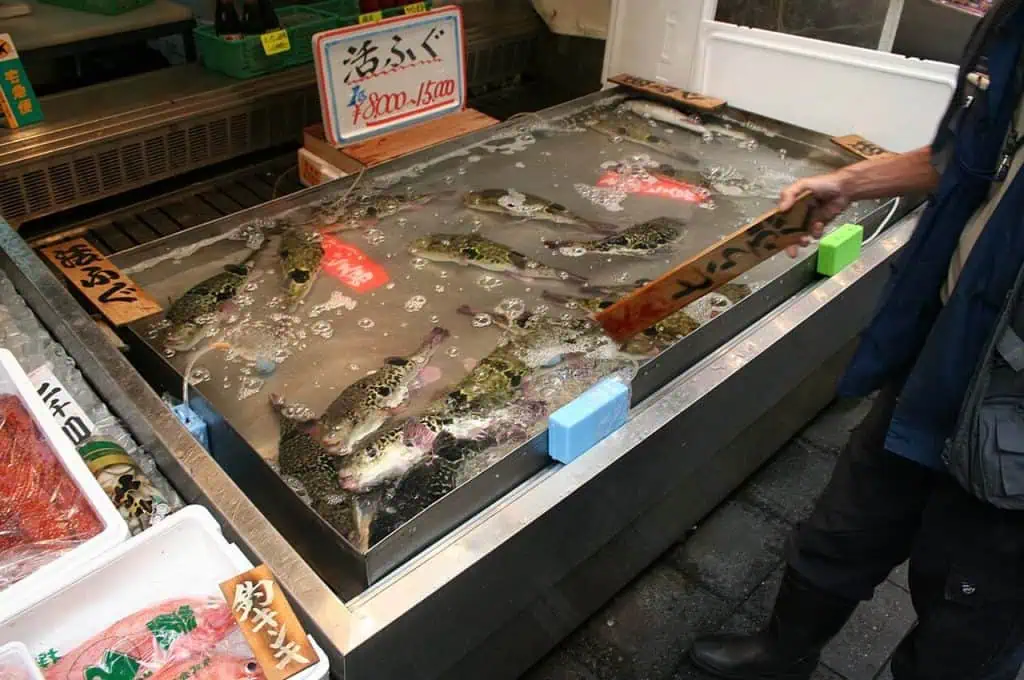
Fugu, or pufferfish, is a Japanese delicacy treasured for its delicate taste and the skill required to prepare it safely. Only licensed chefs can legally serve fugu, as improper preparation can be lethal. When prepared correctly, the fish offers a subtle, clean flavor and a slightly chewy texture, often highlighted in sashimi or hot pots. The thrill lies in its rarity and the precision of its preparation, making it a dish that commands respect and underscores the craft of culinary expertise.
Authentic Wagyu: Japan’s Prime Delight
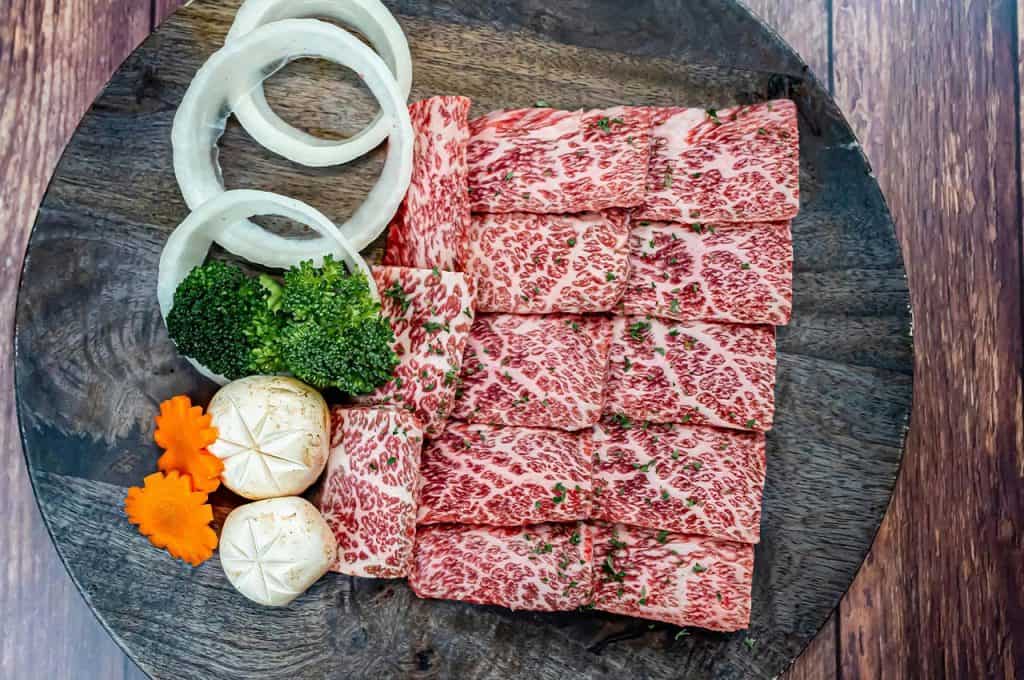
Wagyu beef is renowned for its remarkable marbling, tenderness, and rich flavor. When preparing Wagyu, simplicity is key; a quick sear on a hot pan or grill is often ideal to preserve its unique qualities. The fat melts at low temperatures, creating a buttery consistency that distinguishes it from other cuts. Season sparingly with coarse salt to enhance its natural taste, and allow the meat to rest post-cooking to juice the flavors. Pair with a light, acidic salad or simple steamed vegetables to balance its richness.
Bird’s Nest: A Delicate Dessert

Bird’s nest, harvested from the saliva of swiftlets, is a luxury ingredient primarily used in Chinese cuisine. It is celebrated for its texture and supposed health benefits. To prepare, soak the nest in water to soften it before gently simmering with rock sugar for a traditional dessert soup. The resulting dish is subtly sweet and gelatinous, often enjoyed warm. Enhancing it with tender pieces of pear or chrysanthemum petals can add delightful contrast. Precision in soaking and simmering is crucial to maintain its unique texture.
Blue Lobster: Ocean’s Rare Jewel

Blue lobster is a rare find, prized not just for its vibrant color but for its sweet, tender meat. Simple preparation best highlights its natural flavors. Boiling or steaming is recommended, with careful attention to timing to avoid overcooking. Serve with melted butter or a light lemon beurre blanc to enhance its sweetness. Maintain the integrity of its vivid hue by exhibiting the shell in presentation. This culinary treasure’s rarity and taste make it a centerpiece worthy of special occasions.
Black Garlic: Aged to Perfection

Black garlic, with its distinctive deep hue and complex flavor profile, is a culinary jewel that transforms the ordinary into the extraordinary. Created by fermenting raw garlic at a controlled temperature and humidity for several weeks, it develops a sweet, tangy taste reminiscent of balsamic vinegar and tamarind. This soft, velvety ingredient is perfect for infusing depth into sauces, dressings, and even desserts. Its unique umami flavor pairs beautifully with dishes like roasted meats or creamy risottos, offering a sophisticated touch. When using black garlic, finely chop or mash it to harness its rich flavor, ensuring it blends seamlessly into your creation.
