
10 Processed Foods That Are Less Healthy Than You Think
When reaching for what seem like healthier options in stores, it’s easy to overlook the hidden nutritional pitfalls lurking in processed foods. Despite their polished marketing and seemingly wholesome ingredients, many products might not be as beneficial as they appear. This guide unpacks ten such items, shedding light on their nutritional secrets and guiding you toward more informed choices.
Sneaky Sugars in Granola Bars

Granola bars often position themselves as a healthy snack, yet many brands mask significant amounts of added sugars within their wholesome image. When choosing a bar, inspect the ingredient list for names like cane sugar, corn syrup, and brown rice syrup. For a healthier version, consider making your own by combining oats, nuts, and natural sweeteners like honey or dates. This way, you control the sugar content and enjoy a more satisfying snack.
Breakfast Cereals: Hidden Sugar Bombs
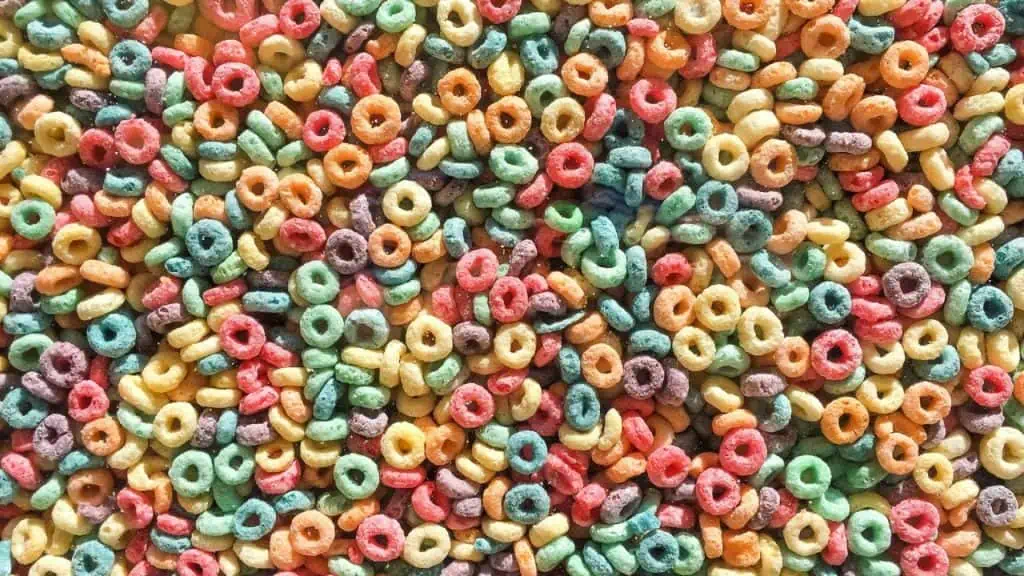
Breakfast cereals, marketed as the perfect start to your day, often hide a startling sugar content beneath their crunchy surface. Look beyond claims of ‘whole grain’ and check the sugar content per serving. Opt for cereals with fewer than 5 grams of sugar and add your own fruits for sweetness. This approach maintains the convenience but enhances nutritional value, ensuring a more balanced morning meal.
Flavored Yogurt: A Sweet Trap

Flavored yogurts might seem like a healthy treat, yet they often contain as much sugar as a dessert. Brands can add up to 20 grams of sugar per serving, turning a potentially healthy snack into something less optimal. Choose plain yogurt and mix in fresh fruits or a drizzle of honey. This method allows you to enjoy the probiotic benefits of yogurt with a personalized, controlled sweetness.
Multigrain Bread: Not as Whole as It Seems

Multigrain bread can appear nutritious, but not all varieties are created with whole grains. Marketing can mislead consumers into equating multigrain with whole grain, which isn’t always accurate. Always check labels for whole grain or whole wheat as the first ingredient. Alternatively, try baking your own bread with whole grain flours, ensuring a truly nutritious foundation for your meals.
Veggie Chips: A Crispy Illusion

Veggie chips often appear as a nutritious alternative to regular potato chips, but they may not offer the health benefits you expect. While they boast ingredients like spinach or beetroot, these veggie powders are typically outweighed by the primary component: starch. Often deep-fried and heavily salted, their nutrient density plummets to levels comparable to traditional chips. For a healthier crunch, consider baking your own veggie slices. Opt for using minimal oil and seasoning with natural herbs, preserving both nutritional value and flavor.
Frozen Dinners: Salt Overload

Although convenient, frozen dinners are usually laden with sodium, often comprising over 1,000 mg per serving. This excessive sodium content can mask the lack of fresh ingredients and flavor depth. The texture often suffers due to preservatives aimed at extending shelf life. To improve your meal, try assembling your own freezer-friendly dinners. Include lean proteins, whole grains, and a variety of vegetables. Season them lightly, adding herbs or spices, to maintain taste without drowning dishes in salt.
Reduced-Fat Peanut Butter: More Sugar

Reduced-fat peanut butter might seem appealing, but the reduction in fat often results in an increase in sugar and other additives. This altered composition can diminish the heart-healthy benefits typically found in natural peanut butter. The second ingredient is often sugar, impacting its nutritional profile negatively. For an unadulterated choice, opt for natural peanut butter, which consists solely of peanuts and possibly a pinch of salt. This option preserves the creamy texture and pure nut flavor, without unnecessary extras.
Bottled Smoothies: Drinking Calories

Bottled smoothies are marketed as a healthy meal substitute, yet they often contain high fructose content derived from concentrated fruit juices. This results in excessive calories without the fiber or nutrients from whole fruits. This blend can lead to a sugar spike akin to that found in sugary sodas. For a more nourishing beverage, blend whole fruits with vegetables at home, adjusting the consistency with water or unsweetened yogurt. This ensures a fiber-rich drink, providing sustained energy and a natural sweetness.
Protein Bars: Candy in Disguise

Protein bars often pose as a nutritious snack, while many are indistinguishable from candy bars in terms of sugar content and calorie count. They often rely on artificial flavors and low-quality protein sources, diminishing their wholesomeness. Some brands pack in additives and preservatives, impacting not only taste but also health benefits. To enjoy a genuinely nutritious snack, choose bars with minimal ingredients and recognizable sources of protein. Homemade options using nuts, seeds, and whole grains provide a healthier, balanced option.
Canned Soups: Sodium Shockers

Canned soups often appear convenient and comforting, but they can harbor an unexpected amount of sodium. This hidden salt can overshadow fresh flavors and affect health over time. For a healthier soup, consider making your own using low-sodium broths and fresh ingredients. Sauté onions, garlic, and herbs to build a foundation of flavor, then add a variety of vegetables and lean proteins like chicken or beans. This approach not only reduces sodium but allows you to control texture and brightness, highlighting the natural sweetness of carrots or the earthiness of kale.
