
The Price of Convenience: How America Fell in Love With Processed Food (and Why It’s Hard to Let Go)
Convenience has always driven America’s food culture. From frozen dinners in the 1950s to today’s ready-to-eat snacks, processed foods promised speed, affordability, and comfort. Yet that convenience came with trade-offs in nutrition and connection to real cooking. Understanding how processed food took over the American table reveals both a cultural triumph and a health challenge that’s proven hard to shake.
The Birth of Convenience Culture
After World War II, packaged and canned goods symbolized progress. Factory automation allowed households to eat faster and cheaper than ever before. Advertisers framed this new efficiency as liberation especially for women balancing work and home. “Modern eating” soon meant less time cooking and more time consuming, turning convenience into a proud emblem of American progress.
Frozen Dinners and the Domestic Revolution

When frozen TV dinners arrived in the 1950s, mealtime merged with media. Families gathered around televisions instead of dining tables, trading conversation for entertainment. What began as a novelty became a norm, reshaping how Americans defined family time. These aluminum trays promised warmth, ease, and modernity values that still shape packaged-meal culture today.
Additives and the Illusion of Freshness

To keep food stable and flavorful, manufacturers relied on preservatives, colorants, and flavor enhancers. These ingredients made mass-produced meals look “fresh” even after weeks on shelves. Consumers embraced the reliability, unaware that uniform flavor often came at the cost of nutrition and authenticity, a quiet trade many still accept for convenience.
Snacking Becomes a Lifestyle

By the 1980s, America had turned eating into a nonstop habit. Portable chips, granola bars, and sodas replaced sit-down meals. Clever marketing painted constant snacking as fun, fast, and even responsible. When “mini-meals” became the norm, processed foods didn’t just fill gaps between meals they became the meals themselves.
Health Halos and “Low-Fat” Traps

As wellness trends grew, companies repackaged convenience under healthier labels. “Low-fat” and “sugar-free” products promised balance but often hid additives and excess carbs. Consumers felt virtuous while eating engineered foods that undercut their goals. It proved that processed food could easily reinvent itself without ever changing its essence.
Can America Ever Let Go?
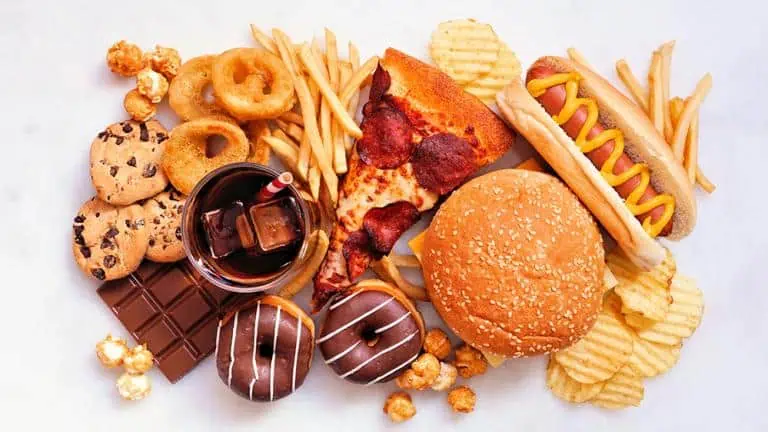
Processed food isn’t disappearing it’s evolving. With cleaner ingredients and recyclable packaging, companies are chasing trust without sacrificing speed. But real change depends on valuing time, flavor, and authenticity over quick fixes. Until then, convenience will remain America’s most irresistible and most enduring craving.
