
When Food Was Money: The Edible Currencies That Shaped History
Think money grows on trees? Well, for the ancient Maya and Aztecs, it literally did! Throughout history, some of the world’s most valuable currencies weren’t coins or paper bills—they were foods we still enjoy today. From cacao beans that bought goods in Mesoamerican markets to salt that paid Roman soldiers (and gave us the word “salary”), edible commodities have played a fascinating role in shaping trade, culture, and even language. These foods weren’t just sustenance; they held genuine financial worth due to their rarity, utility, or cultural significance, and understanding their history gives us a whole new appreciation for what’s sitting in our pantry!
Ready to discover the surprising stories behind the foods we take for granted? We’re talking about Parmesan cheese used as collateral in Italian banks (yes, still today!), rum that built an Australian hospital, and even beer that paid the workers who constructed the Egyptian pyramids. From government cheese becoming a bartering tool in modern America to pepper so valuable it was called “black gold,” these edible currencies reveal what different civilizations treasured most. So next time you sprinkle salt on your dinner or unwrap a chocolate bar, remember—you’re holding ingredients that once bought empires, paid wages, and changed the course of history, one delicious bite at a time!
Salt: The White Gold
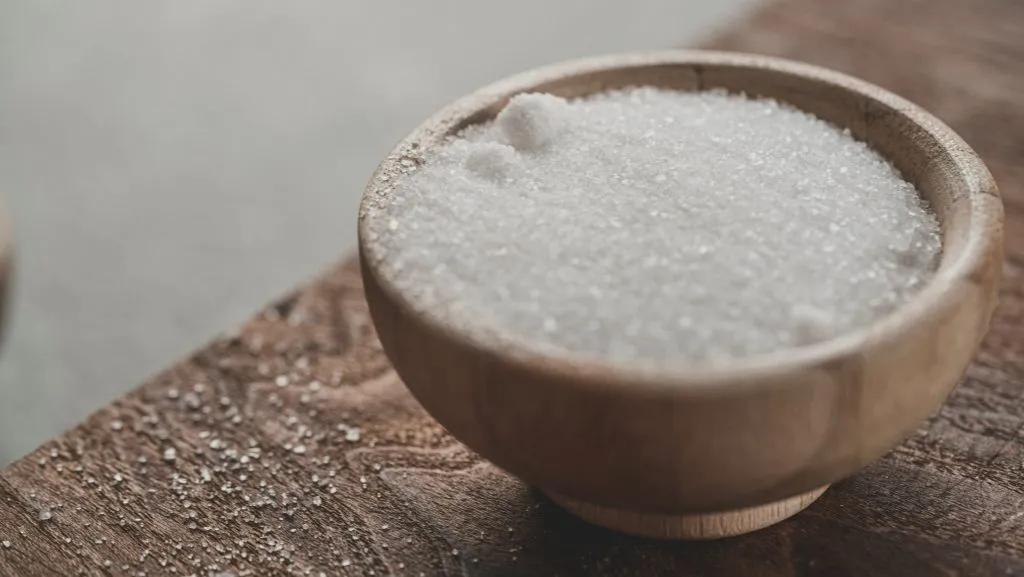
Salt’s value transcended its culinary use, once considered as precious as gold. Its ability to preserve food made it indispensable across civilizations, from ancient Rome to China. Salt was often traded weight for weight with gold, reflecting its pivotal role in sustaining societies. To grasp its essence in cooking, focus on how it enhances flavors and preserves texture, appreciating its historical worth in every pinch.
Cacao Beans: Mayan Treasure
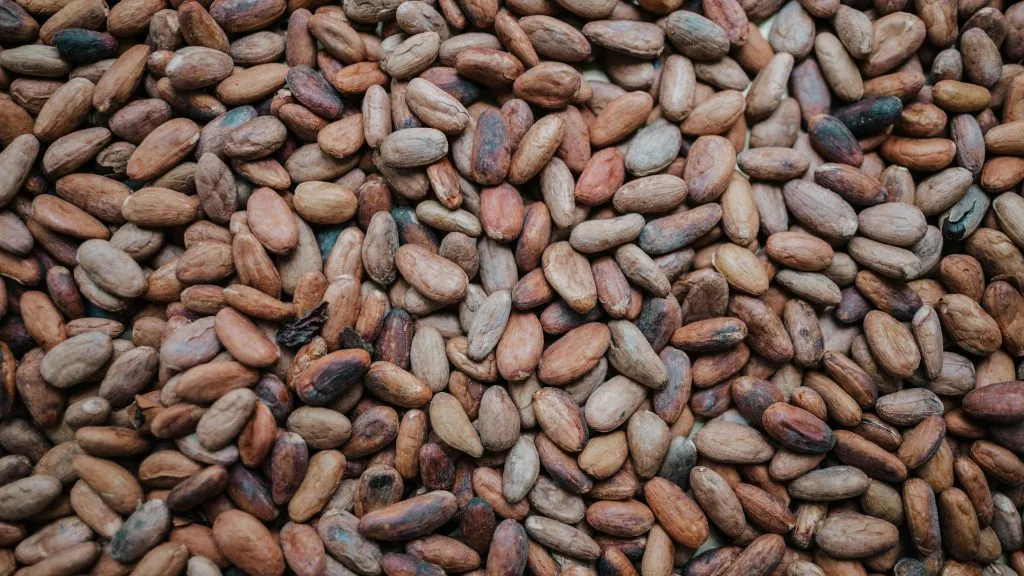
In the Mayan and Aztec worlds, cacao beans were prized as currency, symbolizing wealth and traded for goods. The beans’ transformation into chocolate reveals layers of complex flavors, from bitter to nuanced earthy notes. For the home cook, incorporating high-quality unsweetened cacao into recipes highlights its historic richness while exploring the depth of what was once a monetary staple.
Tea Bricks: The Drinkable Coin
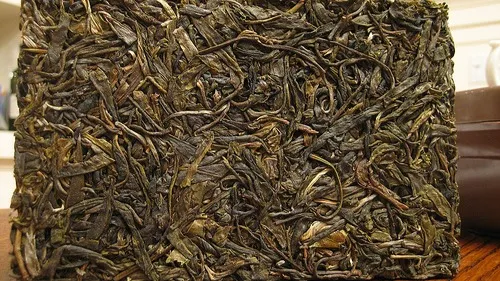
Tea, compacted into bricks, once served as currency in Asia, reflecting its cultural and economic significance. These bricks made trade efficient, combining portability with an extended shelf life. In modern kitchens, using loose leaf tea can honor this tradition. Steep to precise timing to unlock its layers, aiming for the perfect infusion that evokes tea’s storied journey from commodity to currency.
Rice: Asia’s Staple Wealth
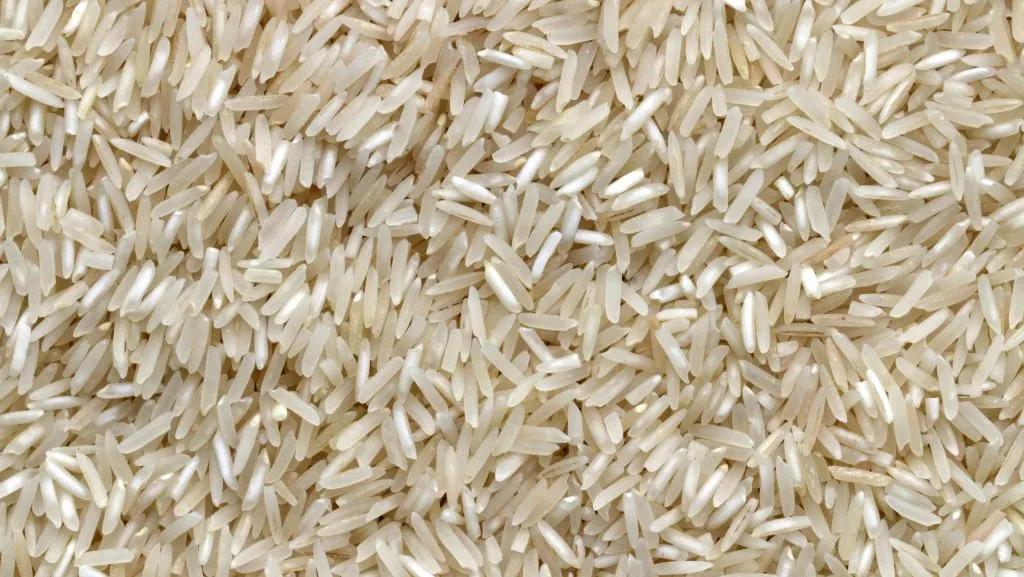
As a staple food, rice also represented a form of wealth and currency in various Asian communities. Its significance extended beyond the dinner table, often symbolizing prosperity and success. In cooking, exploring different varieties like jasmine or basmati enhances appreciation for its versatility. Mastering rice cooking techniques—ideally striving for fluffy, separate grains—pays homage to its economic and cultural legacy.
Cheese: Wheels of Exchange
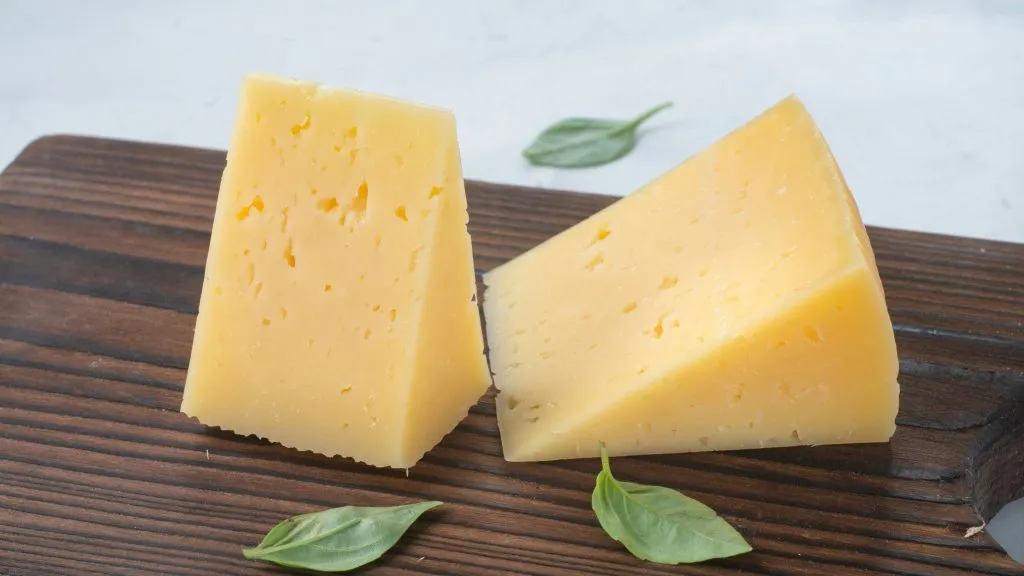
Cheese has long been more than just a culinary delight; it served as a form of currency in various cultures. Its versatility and longevity made it particularly valuable. Maturation processes like those used for Parmesan or Grana Padano contribute to both flavor and shelf stability—key attributes when cheese functioned as payment. Focus on how aging develops unique textures: grainy, crumbly, or creamy interiors await those who explore aged varieties. Try your hand at crafting a simple cheese like ricotta at home, appreciating the transformation from milk to curds. Properly made, cheese becomes not only a source of flavor but a piece of history.
Spices: Aromatic Valuables
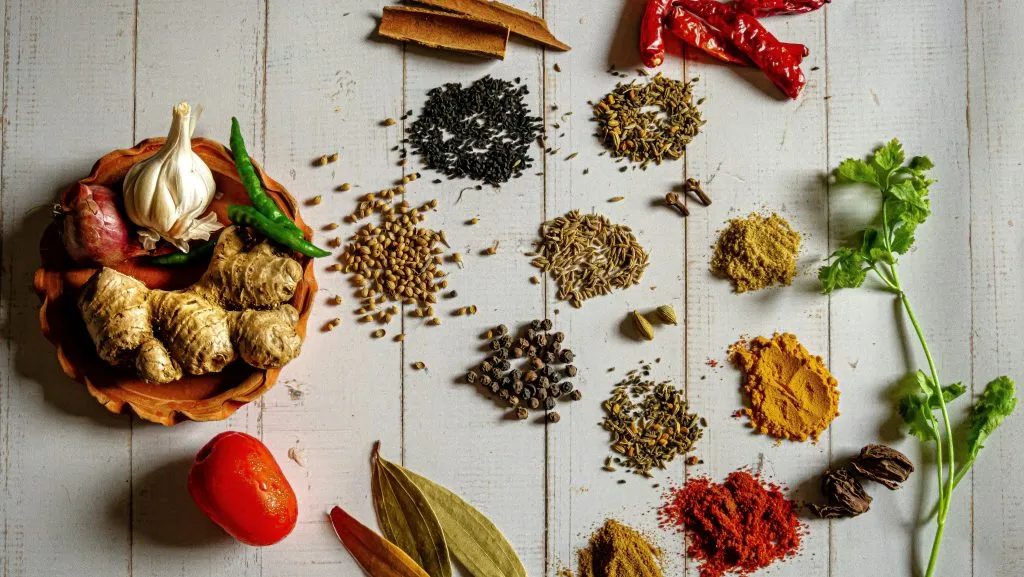
Spices held incredible value and were once traded like gold. Their alluring aromas and flavors transformed food and commerce alike. Cinnamon, cloves, and pepper dominated trade routes, with entire empires built on their exchange. When using spices, toast them first to enhance their fragrance—a simple technique that unlocks depth and complexity in your dishes. Grind whole spices just before use, maximizing their potency. Every spice has a story, and by understanding their historical worth, you can better appreciate their role in modern kitchens: as much about elevating flavors as linking us to a rich past.
Corn: The Native Trade
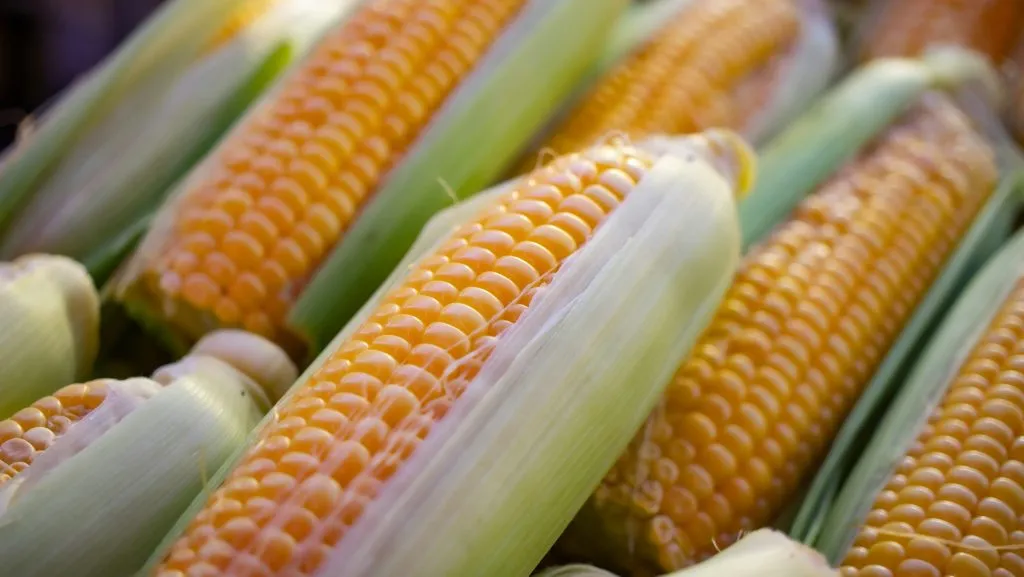
Corn, a staple in Mesoamerican cultures, was integral not just as food, but as currency. Its adaptability in different climates made it widespread and essential. Respect corn’s versatility by exploring its various forms: from humble tortilla to sumptuous polenta, showcasing its texture and ability to absorb flavors. When preparing corn-based dishes, use fresh kernels when possible, pulling out the natural sweetness. If using masa harina, pay attention to moisture control for perfect tamales or tortillas. Embrace corn’s historical role by elevating its simple charm into dishes that echo its importance.
Coffee: Brewed Riches

Coffee was not only a beverage of choice but also an economic powerhouse in trade. Its deep, complex flavors and energizing properties made it a highly coveted commodity. To unlock the full potential of coffee beans, always grind them right before brewing to preserve volatile oils that contribute to their rich taste. Experiment with different brewing methods—French press, espresso, or pour-over—to appreciate how each technique affects mouthfeel and aroma. Understanding roasting profiles—from light to dark—helps tailor your coffee experiences, reminding us of its broad historical significance and impact.
Fish: Oceanic Currency

Fish has been a crucial element of trade, particularly in ancient coastal communities. Its supply depended on sustainable practices and preservation methods like drying, salting, or smoking, ensuring longevity and stability. Learn to select fresh fish by observing clear eyes and firm flesh. Mastering filleting can enhance your kitchen skills, providing higher quality control over your dishes. Experiment with curing or gravlax, allowing salt and a few spices to transform the fish. Embrace both modern and ancient techniques as you expand your culinary repertoire, acknowledging the historic weight these oceanic treasures carried.
Olive Oil: Liquid Gold
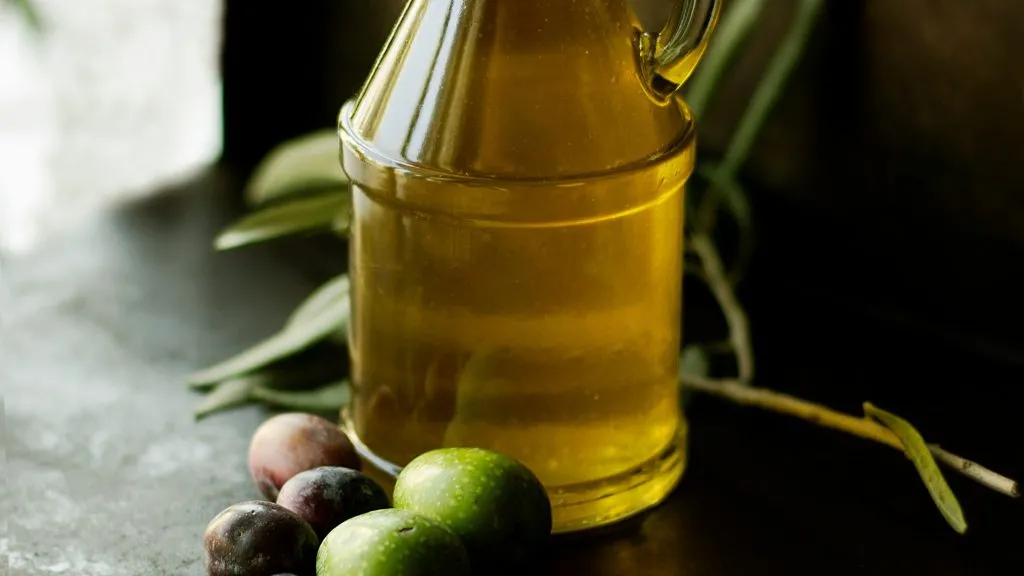
Olive oil, known for its rich flavor and health benefits, once served as a vital trade commodity in ancient Mediterranean cultures. With varying grades from extra virgin to refined, its quality depends on the extraction method and olive varietal. To maximize its attributes, choose a peppery, grassy extra virgin type for dressings and finishing. Emphasize low-temperature cooking to preserve its polyphenols. Not only does this enhance the taste, but it also maintains its integrity, allowing it to function both as an ingredient and a natural preservative, extending its legacy as ‘liquid gold.’
