
12 pantry staples that cost double compared to last winter
Grocery budgets have tightened as many common pantry staples experience unusually steep price increases. Factors like supply chain disruptions, ingredient shortages, extreme weather, and rising production costs have contributed to higher retail prices across the country. Items once seen as reliable, affordable basics now require careful comparison shopping. These increases highlight how quickly food costs can shift, especially for products households rely on regularly during winter months for cooking, baking, and daily meals.
Olive Oil

Olive oil prices have surged due to poor harvests across major-producing regions, where extreme weather reduced yields significantly. As a result, even standard bottles now cost far more than they did last winter. With limited supply and increased global demand, shoppers face higher prices whether they purchase premium brands or basic cooking-grade options, making this one of the most noticeable pantry increases.
Sugar

Sugar has seen sharp price jumps tied to weather-related crop issues and increased production costs in several key countries. These pressures have tightened global supply, and retail prices reflect that scarcity. Households relying on sugar for baking and daily use are feeling the impact, particularly as holiday seasons drive demand. Last winter’s lower prices now feel distant as costs continue to climb.
Canned Vegetables
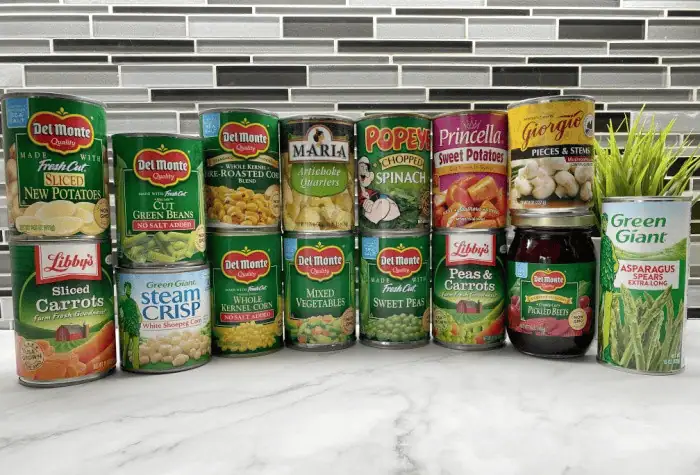
Canned vegetables, once a dependable budget-friendly staple, have become more expensive due to rising processing, packaging, and transportation costs. Many brands have increased prices across their entire assortment, making items like corn, peas, and green beans noticeably pricier. Although still convenient and long-lasting, their higher cost has surprised shoppers accustomed to steady pantry pricing.
Flour

Flour prices have risen significantly due to higher wheat costs and ongoing supply challenges from major growing regions. The increase affects both standard all-purpose flour and specialty varieties, impacting home bakers and everyday cooks alike. Since flour is a foundation for countless recipes, these jumps can influence weekly meal planning and winter baking traditions.
Pasta

Pasta has nearly doubled in price in some stores as durum wheat costs remain elevated. This staple, once known for its affordability and long shelf life, has become a more noticeable expense for households buying multiple boxes each week. Although supply remains stable, ingredient costs continue to push retail prices upward, making pasta one of the more surprising increases of the season.
Instant Coffee

Instant coffee has climbed sharply in price due to increased production and import costs on coffee beans. Weather volatility in key growing regions has tightened supply, pushing prices higher for both budget-friendly and premium brands. As winter increases at-home consumption, shoppers have become more aware of just how much more they’re paying compared to last year.
Peanut Butter

Peanut butter, a long-standing pantry essential, has experienced notable price increases tied to higher processing and packaging costs. Crop fluctuations have also contributed to rising prices across major brands. Since peanut butter is a staple for many households, especially during school months, the cost jump has become increasingly visible on weekly grocery receipts.
Rice

Rice prices have surged due to export restrictions in certain producing countries and weather-related impacts on harvests. These shifts have tightened global supply, causing retail prices in the U.S. to rise steadily. Because rice is a versatile, everyday ingredient, shoppers are quickly noticing how much more expensive it has become compared to last winter’s more stable pricing.
Butter

Butter continues to see elevated prices driven by fluctuating dairy production costs and seasonal demand increases. Higher feed, labor, and transportation expenses have contributed to the jump. As a key ingredient in winter baking and cooking, its rising price has been especially impactful, prompting many shoppers to rethink brand choices or buy smaller quantities.
Cereal

Ready-to-eat cereals have nearly doubled in price in some regions due to increased grain costs and higher packaging expenses. As brands adjust to ongoing supply-chain challenges, shoppers are seeing noticeable price spikes across both name-brand and store-brand options. These increases affect families who rely on cereal as an everyday breakfast staple.
Canned Soups

Canned soups, widely used in winter for quick meals, have become significantly more expensive thanks to rising ingredient, metal-can, and transportation costs. Both condensed and ready-to-eat varieties have seen broad price adjustments. The change is particularly evident during winter months when demand traditionally rises, making the jump more noticeable than in previous years.
Cooking Oil (Vegetable & Canola)

General cooking oils have doubled in price in some markets due to global supply issues and higher production costs. Even basic vegetable or canola oil now carries a cost that feels out of step with past winters. As oil remains essential for frying, sautéing, and baking, its price increase has become one of the most widely felt changes in household groceries.
