
28 So-Called Food Facts That Are Actually Total Myths
We've all heard some weird food “facts” over the years. Don't wash your mushrooms. Searing meat locks in the juices. The spice in chili peppers is in the seeds. And whatever you do, don't cook tomatoes in a cast-iron pan. But here's the thing: a lot of these so-called rules are totally wrong. Like, scientifically-proven, chef-debunked, grandma-was-mistaken wrong. Some myths are harmless. Others might actually be making your cooking worse. And a few? They're just plain silly (looking at you, “swallowed gum stays in your stomach for seven years”). The good news? Once you know the truth, you can cook with more confidence, waste less food, and stop stressing over rules that don't matter.
So grab a cup of coffee (or tea, or water—no, you don't need exactly eight glasses a day) and get ready to have your mind blown. In this article, we're busting 25 common food myths—from whether turkey really makes you sleepy to if raw vegetables are always healthier than cooked ones. You'll learn why you shouldn't wash raw chicken, why sharp knives are actually safer than dull ones, and why that avocado pit isn't saving your guacamole. We'll also tackle MSG, cast-iron tomatoes, marinating myths, and even the truth about KFC's chickens (spoiler: no mutants). It's time to separate kitchen fact from fiction. Let's get cooking—for real this time.
Broccoli vs. Steak: Protein Myth

Broccoli is frequently touted as a protein powerhouse, often compared to steak. While it's true that broccoli contains protein, it pales in comparison to the content and quality found in steak. Animal proteins, like those in steak, offer complete amino acids essential for human health. For balance, consider broccoli as a fiber-rich side that complements protein sources rather than substitutes them.
Avocado Pit: Browning Buster?
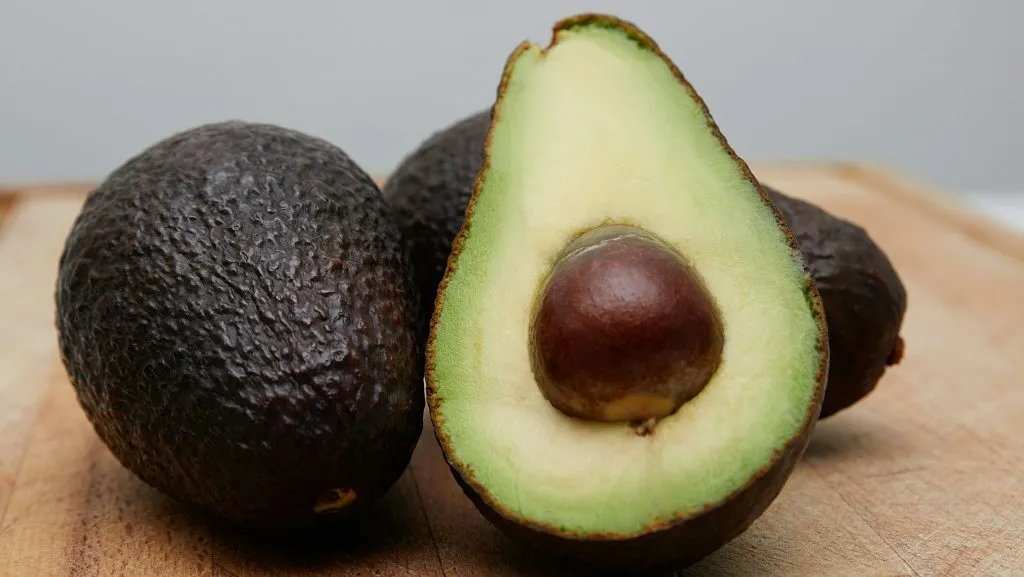
It's a common belief that leaving the pit in guacamole keeps it green. In truth, the pit only prevents browning directly beneath it. To maintain vibrant avocado, cover it with plastic wrap pressed tightly against the surface or add citrus juice for its antioxidants. A neat trick is to refrigerate the guacamole with sliced onion on top to deter oxidation.
Salty Soup Fix: Potato Power?
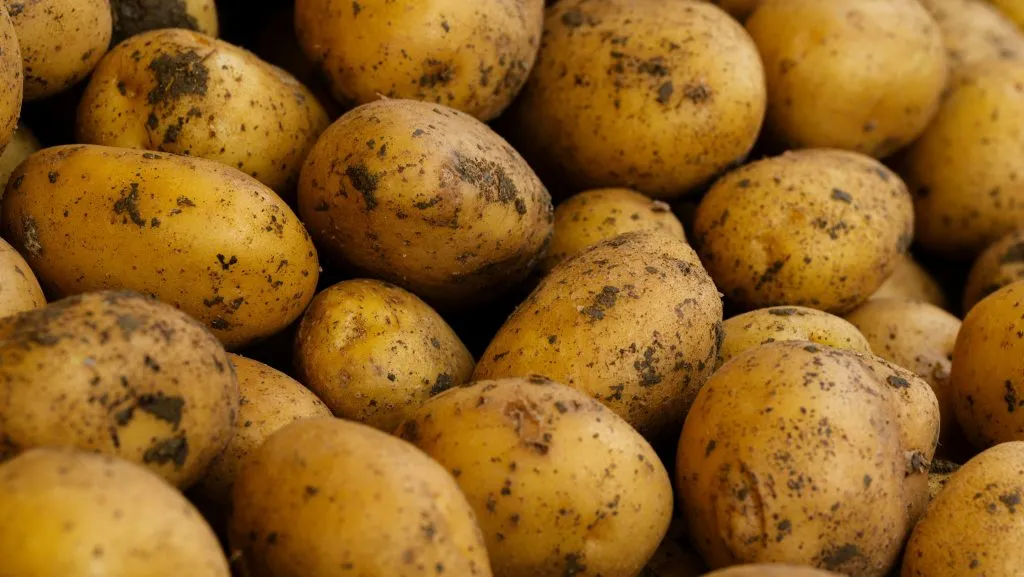
The idea that adding a potato will absorb excess salt is more legend than fact. While a potato may soak up some liquid, it won't selectively reduce saltiness. A better remedy is diluting the soup with a low-sodium base or incorporating acidic elements like vinegar or lemon juice, which can balance flavors without altering the dish's integrity.
Vanilla from Beaver Butt?

Castoreum, a substance derived from beaver glands, is often cited as a vanilla flavoring source. Thankfully for squeamish eaters, it's rarely, if ever, used in modern vanilla products due to cost and availability. Today, most vanilla comes from real vanilla beans or synthetic vanillin, ensuring pure vanilla flavor in your dishes without unnecessary worry.
Marinate Meat: Is Longer Better?

Longer marination doesn't always equate to better flavor or tenderness. While an overnight soak might be beneficial for robust cuts like flank steak, delicate proteins such as fish or chicken breast can become mushy if left too long. Acids like vinegar or citrus can denature proteins, leading to an undesirable texture. Aim for a few hours to ensure flavors penetrate without compromising the meat's quality. Consider using a balance of oils, herbs, and spices, which can enhance flavor without the risk of over-marination.
American Cheese: A Global Origin

Despite its name, American cheese owes its existence to innovations outside the U.S. The process of creating a smooth, meltable cheese slice was significantly advanced by Swiss cheese-makers. This processed cheese blend often combines cheddar, Colby, and other cheeses, emulsifiers, and flavorings to achieve its unique texture. It's renowned for its uniform melting properties, making it a staple in American cuisine. Embrace its versatility by using it in classic grilled cheeses or as a gooey topping for burgers.
Tomatoes in Cast-Iron: A No-Go?
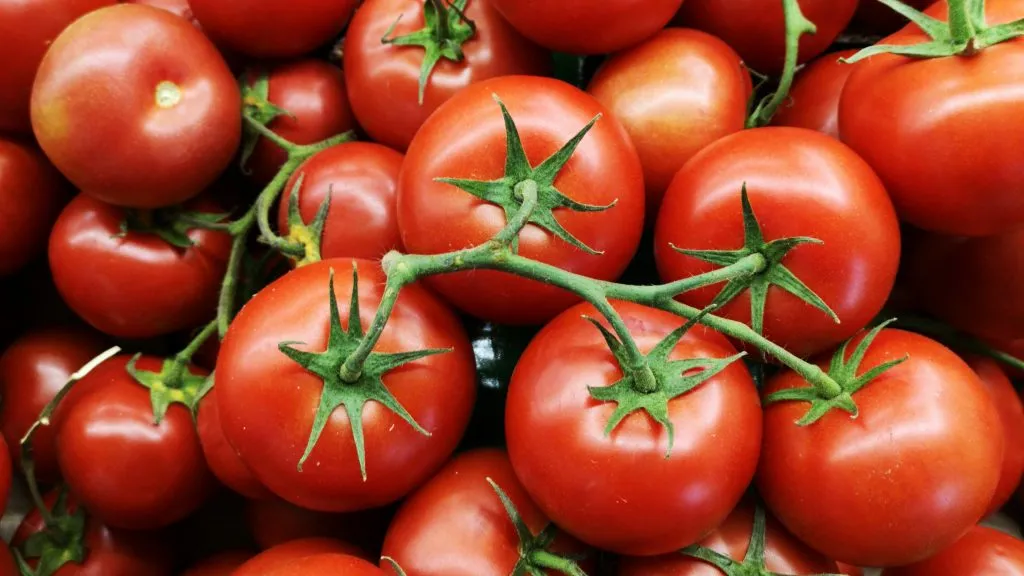
Cooking tomatoes in cast-iron pans has gained a reputation as a culinary misstep, but it's largely unfounded. While acidic ingredients like tomatoes can strip some seasoning from uncoated cast-iron cookware, modern, well-seasoned pans can handle occasional tomato-based dishes without harm. To maintain your pan, ensure it's properly seasoned by applying a thin layer of oil and heating it before and after use. This not only protects the surface but also enhances the pan's natural nonstick qualities over time.
Sleepy Turkey: True or False?

The belief that turkey induces sleepiness stems from its tryptophan content, an amino acid linked to melatonin production. However, turkey contains no more tryptophan than other common meats, making it no more sedative. The post-meal sluggishness often associated with festive turkey dinners is likely due to the large portions, rich sides, and alcohol consumption typical of the holidays. Balance your plate with lighter sides and moderate consumption to enjoy your meal without succumbing to the myth of the sleepy turkey.
Milk and Bone Health: Debunked

Milk is often touted as essential for strong bones, but a balanced approach is more nuanced. While milk provides calcium, bone health depends on other factors like vitamin D and exercise. Focus on diverse sources of calcium such as leafy greens, nuts, and fortified foods. Ensure adequate vitamin D through sunlight exposure or supplements as needed. Incorporating weight-bearing exercise enhances bone density, making these combined efforts more effective than relying solely on milk.
Cooking with Extra-Virgin Olive Oil

Extra-virgin olive oil is often misunderstood regarding high-heat cooking. While smoking points differ, extra-virgin can safely be used for most sautéing and frying due to its stability and flavor complexity. Choose high-quality oil and monitor heat to avoid smoking. Its rich taste elevates dishes like roasted vegetables or grilled proteins. Store it in a cool, dark place to prolong freshness and capture its full culinary potential.
Crowding Mushrooms in a Pan

Crowding mushrooms in a pan is often cautioned against due to moisture release. However, utilizing a large pan or cooking in batches ensures even browning. Mushrooms contain significant water; give them space to achieve caramelization. Use medium-high heat and iron or stainless-steel cookware. Stir occasionally to promote uniform cooking. Finished properly, they develop a deep, umami-rich flavor, enhancing a variety of dishes.
Should You Wash Mushrooms?

Washing mushrooms is often debated, yet a quick rinse is effective without compromising texture. Avoid extended soaking, which can lead to waterlogged mushrooms. Gently rub them under running water to remove dirt. For stubborn debris, a soft brush is ideal. Pat dry immediately afterward with a clean towel. Properly rinsed mushrooms can be cooked evenly, maintaining their earthy flavor and desired firm texture.
Does Alcohol Cook Off Completely?

It's a common myth that alcohol entirely evaporates during cooking. In reality, some alcohol remains, even after prolonged heat. Reduction varies by cooking time and method; for instance, simmering retains more alcohol than flambéing. To minimize content, allow extended cooking or consider alcohol-free alternatives when necessary. Understanding these dynamics ensures desired flavor profiles without unintended effects.
Raw vs. Cooked Vegetables

It is commonly believed that raw vegetables are always healthier than cooked ones, but this is not entirely accurate. Cooking can break down tough cellular walls, making certain nutrients more bioavailable, such as lycopene in tomatoes and beta-carotene in carrots. However, some water-soluble vitamins like vitamin C can be diminished through heat. Steaming or microwaving with minimal water can help retain nutrients better than boiling. Incorporating a mix of raw and cooked vegetables into your diet can provide a broader spectrum of nutrients and flavors.
KFC's Genetically Engineered Chickens
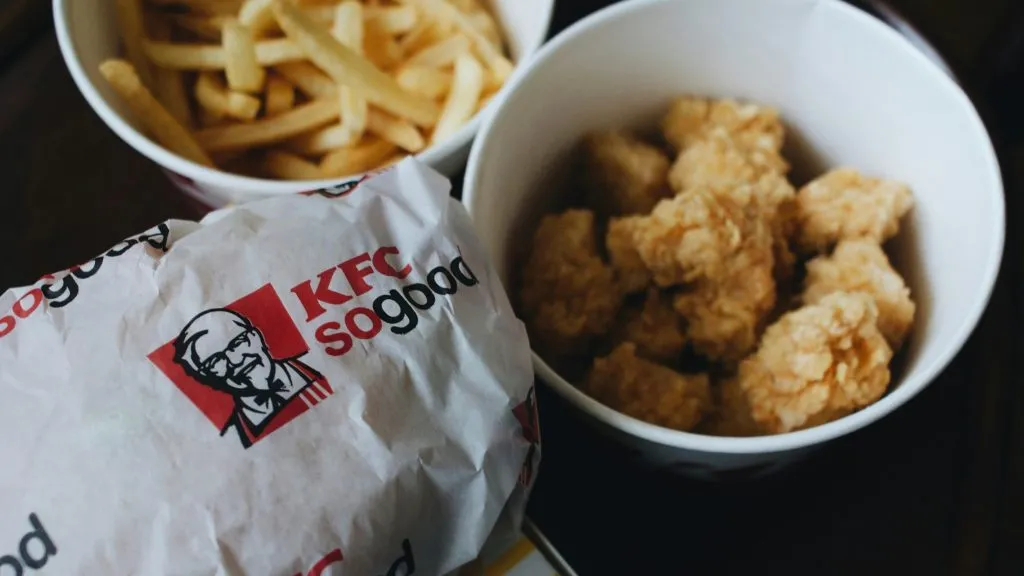
The myth that KFC uses genetically engineered, bizarre-looking chickens lacks any factual basis. KFC sources their chickens from reputable suppliers following strict agricultural and ethical standards. These suppliers raise chickens using conventional farming methods, adhering to guidelines that prioritize animal welfare. Understanding the source of your food is crucial, and reputable chains are often transparent about their sourcing practices. Investigating such claims before accepting or spreading them can foster a more informed approach to food consumption.
Spice in Chili Peppers: Seeds or Not?
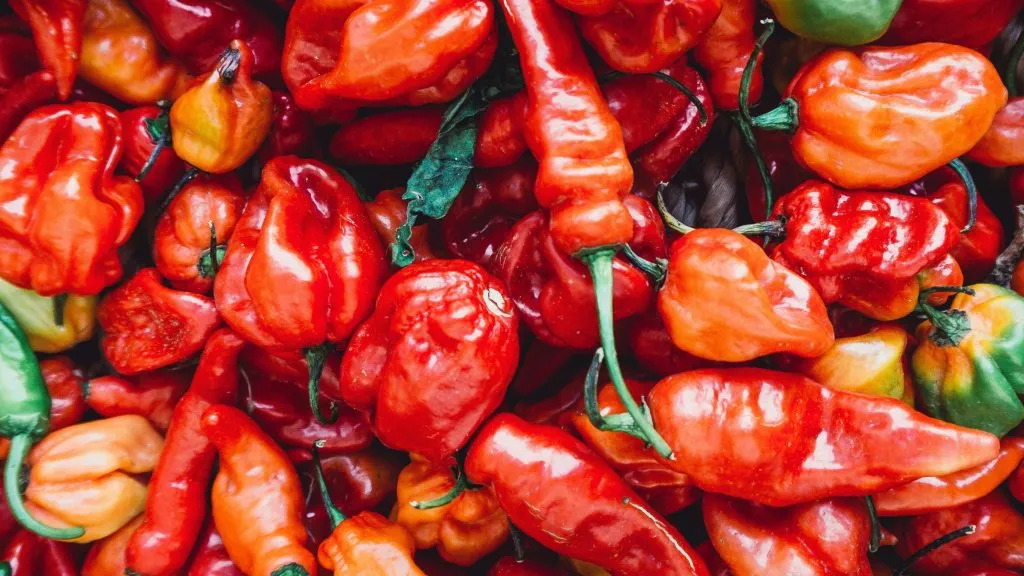
A common misconception is that the seeds of chili peppers contain the most heat. In reality, the spiciest component of the pepper is the pith, or the white membrane to which the seeds are attached. This pith contains capsaicin, the compound responsible for the heat. When preparing dishes that require precise heat levels, removing seeds but retaining some pith can balance spiciness to suit your taste. Understanding the structure of chili peppers allows for better control over the final flavor profile of spicy dishes.
Is All Wine Really Vegan?

Not all wines are vegan, a distinction often overlooked. During the clarification process, or “fining,” certain non-vegan agents such as egg whites, casein, or isinglass may be used to remove impurities. Today, there are vegan alternatives like bentonite clay or pea protein. To ensure a wine is vegan, labels or producer information should be checked for vegan certification.
Swim After Eating: Dangerous?

The belief that swimming after eating is dangerous is largely unfounded. The idea stems from a misinterpretation of the digestive process, where it was thought that blood flow to the stomach would limit muscular function, leading to cramps. However, moderate physical activity like swimming generally does not interfere with digestion or increase risk. It’s reasonable to avoid heavy meals immediately before intense exercise to prevent discomfort, but moderate eating is safe.
Swallowed Gum: Seven-Year Myth

Contrary to popular belief, swallowed gum does not linger in the digestive system for seven years. The body efficiently handles most elements of gum, breaking down sugars and flavorings while expelling the rest as waste. While it's true that the base of gum is not digestible, it generally passes through the intestines within a few days.
Should You Wash Chicken?
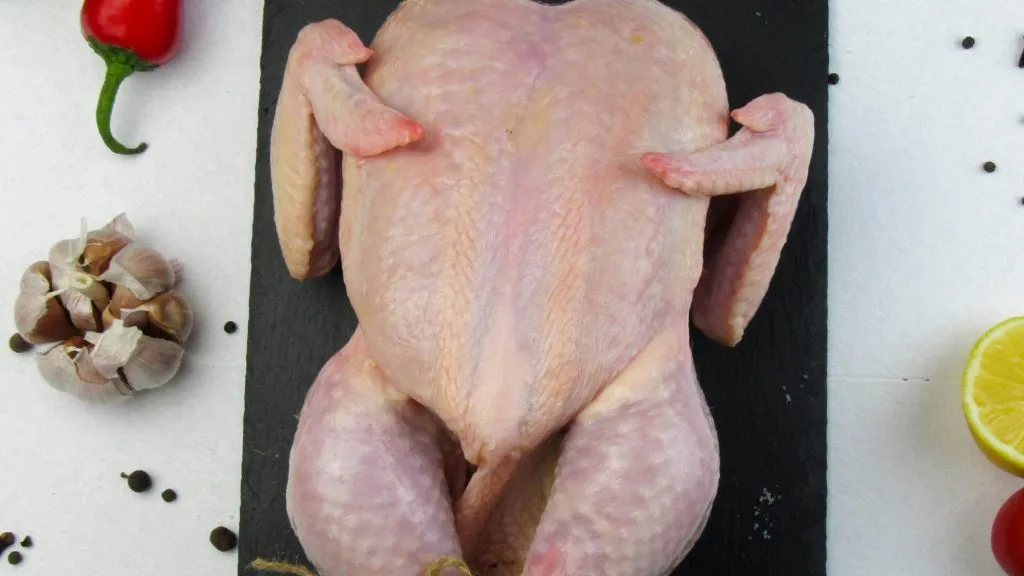
Washing chicken before cooking is a practice steeped in misconception. Rinsing poultry can spread harmful bacteria like salmonella across surfaces and utensils, increasing the risk of contamination. Instead, rely on thorough cooking to eliminate bacteria. Preheat the oven or pan to ensure even cooking, reaching an internal temperature of 165°F (74°C). This method preserves flavor and safety, enhancing your culinary confidence without unnecessary steps.
Searing Meat: Juices Locked In?

The notion that searing meat locks in its juices is a widely-survived myth. While searing does create a delicious crust, its primary benefit lies in flavor enhancement through the Maillard reaction, not in moisture preservation. For optimal results, start with dry meat to achieve a beautiful sear, then finish cooking using a gentler method. This approach strikes a balance between flavor-rich crust and tender, moist interior.
The MSG Controversy

Despite widespread claims, MSG, or monosodium glutamate, is not the culinary villain it's often made out to be. Scientific research shows that MSG is generally recognized as safe, offering an umami boost to dishes without significant adverse effects for most individuals. Use it sparingly, as you would salt, to enhance the natural flavors of savory foods. Proper usage amplifies a dish, offering an extra layer of taste without overwhelming the palate.
Carrots and Eyesight: A Clear View

The belief that carrots dramatically improve eyesight originates from wartime propaganda, not culinary truth. While rich in beta-carotene, which the body converts to vitamin A, they support eye health but are not a cure-all. Include carrots in your diet for their sweet flavor and nutritional benefits, incorporating them into salads, stews, or roasted for depth. Consuming a varied diet ensures broader nutrient coverage for overall well-being.
Sharp Knives: Safer or Riskier?
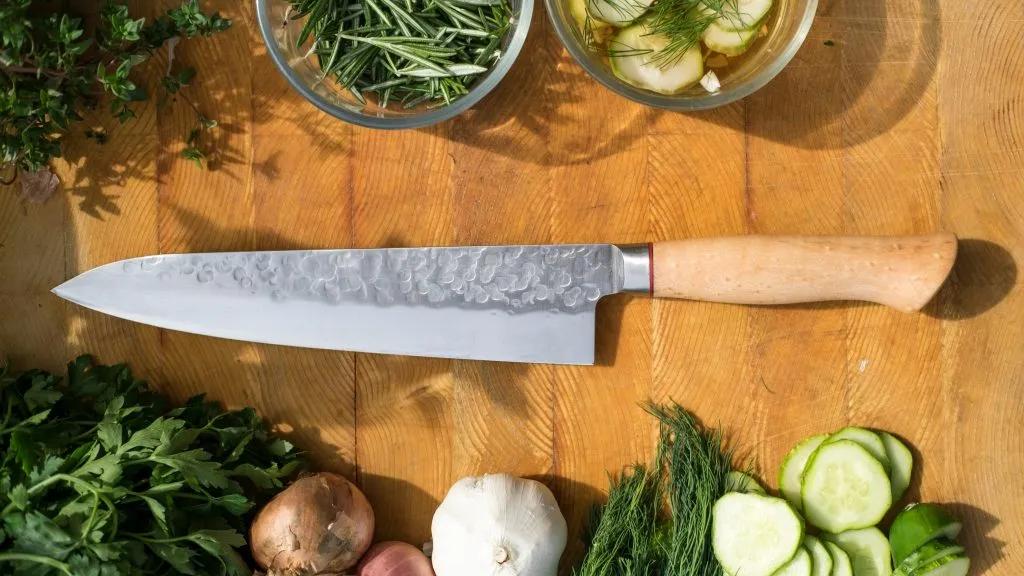
A sharp knife is often safer than a dull one. A well-honed blade requires less force, allowing for more precision and control as you slice through ingredients. This reduces the likelihood of slipping and accidental cuts. Regularly sharpen your knives using a whetstone or a professional service. Remember to hone the blade with a honing steel before each use to maintain the knife’s edge. A sharp knife also preserves the integrity of food textures, whether julienning vegetables or slicing meat, ensuring clean cuts for both efficiency and presentation.
Eight Glasses of Water a Day?

The recommendation to drink eight glasses of water daily is a generalized guideline and not a rule suited for everyone. Hydration needs vary based on individual activities, climate, diet, and personal health conditions. Instead, listen to your body's signals, like thirst, and consider sources of hydration from foods you consume, such as fruits and vegetables, which significantly contribute to daily water intake. Pay attention to urine color—a light straw hue typically indicates proper hydration. Adjust intake according to personal needs rather than a rigid standard.
Chocolate and Skin Breakouts

The connection between chocolate and acne is often overstated. Current research does not support a direct link between moderate chocolate consumption and skin breakouts. Instead, focus on overall balance within your diet. Ensuring a nutrient-rich intake and maintaining good skin care practices can better prevent breakouts. Opt for high-quality dark chocolate, which provides antioxidants and potential heart health benefits in moderation, and enjoy it as part of a varied diet without fear of affecting your skin.
Sugar Hyperactivity Myth
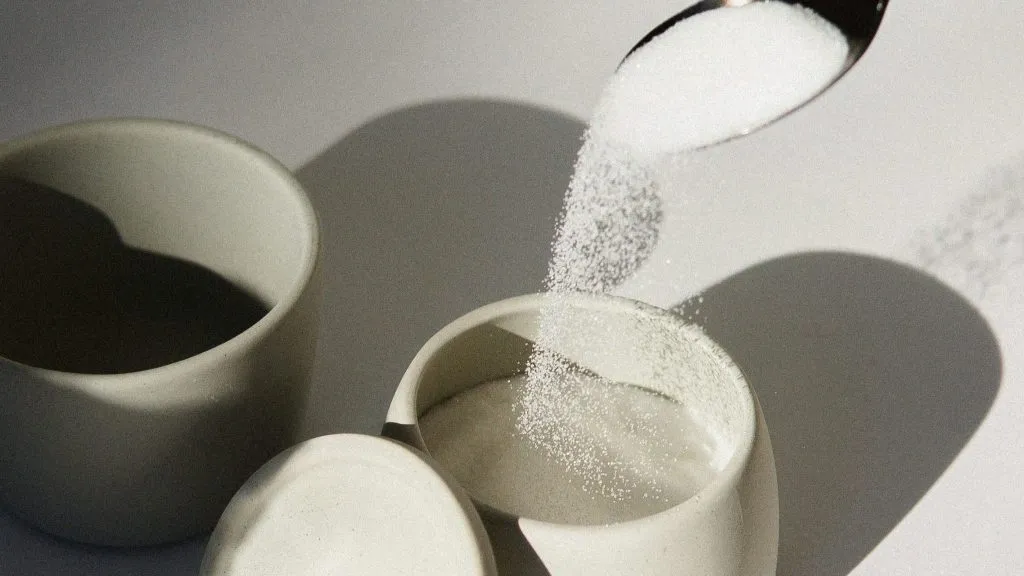
The belief that sugar intake causes hyperactivity in children is not backed by scientific evidence. Studies consistently show no significant impact of sugar on behavior or cognitive performance. The excitement often attributed to sugar may stem from the contexts in which it's consumed, such as parties or holidays, which naturally energize children. Instead of singling out sugar, focus on a balanced approach to diet and manage expectations around high-sugar occasions, setting realistic behavior standards.
Oil in Pasta Water: No More Sticking
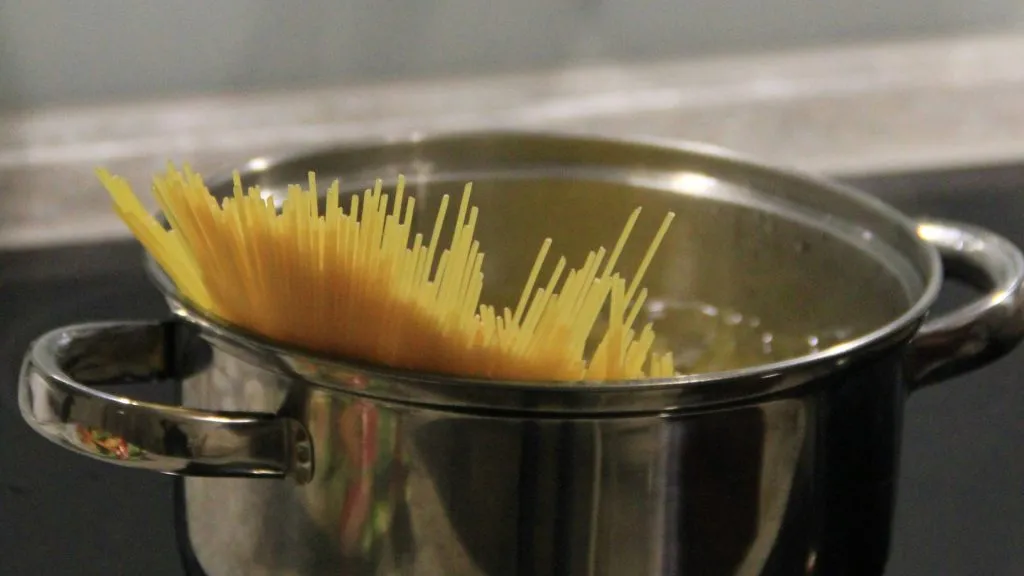
Adding oil to pasta water to prevent sticking is unnecessary and may even hinder sauce adherence. Instead, focus on other techniques: use a large pot with ample water, a high rolling boil, and stir the pasta occasionally during the first couple of minutes. These steps ensure the starches release and remain distributed in the water, reducing clumping. Once cooked, toss the pasta with your sauce immediately, coating it thoroughly. This not only helps prevent sticking but enhances flavor integration.
