
9 Foods Americans Think Are Healthy That Nutritionists Actually Cringe At
In the quest for healthier eating, many Americans reach for foods that seem nutritious but may not live up to their wholesome reputation. Often, popular “health” foods can be laden with hidden sugars, fats, and preservatives that make nutritionists cringe. By examining these common choices, we can better understand what truly constitutes a healthy diet.
Granola: The Sugar-Laden Trap
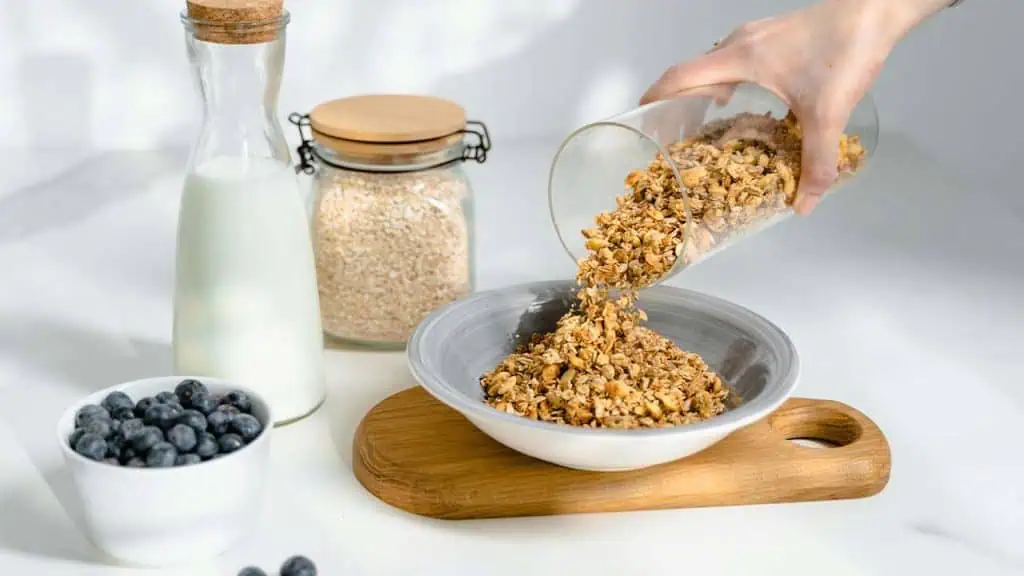
Granola is often marketed as a healthy, fiber-rich breakfast or snack option. However, many commercial versions are packed with added sugars and unhealthy fats. When selecting or preparing granola, focus on options that use natural sweeteners like honey or maple syrup. Opt for recipes with whole oats, nuts, and seeds, which provide sustained energy and nutritional benefits, steering clear of those with chocolate chips or excessive sweeteners.
Flavored Yogurt: Dessert in Disguise

Flavored yogurts often masquerade as a healthy choice but can contain as much sugar as a dessert. Reading labels is key; many yogurts are loaded with high-fructose corn syrup or artificial flavorings. Instead, choose plain yogurt and add fresh fruits or a drizzle of honey to control sugar intake. Greek yogurt offers a protein boost, and adding chia seeds or flaxseeds can enhance nutritional value.
Veggie Chips: Only Veggie in Name

Veggie chips are perceived as a healthy alternative to regular chips, but they often contain little real vegetables. Mostly composed of potato starch, flour, and oil, they lack the nutritional punch of fresh vegetables. A healthier approach is to bake your own chips using kale, sweet potatoes, or zucchini. Lightly season them with salt and herbs, and use olive oil to maximize health benefits while ensuring they remain crisp and delicious.
Get the recipe: Air Fryer Veggie Chips
Store-Bought Smoothies: Sugary Sips

Store-bought smoothies appear healthy, yet they can be sugar-laden beverages with few fresh ingredients. These pre-made drinks often contain fruit juices, sweeteners, and preservatives. For a healthier alternative, blend your own smoothies using whole fruits, spinach, or kale, and a natural protein source like almond butter. This allows better control over sugar content and ensures nutrient-rich, refreshing flavors.
Protein Bars: Candy Bars in Disguise
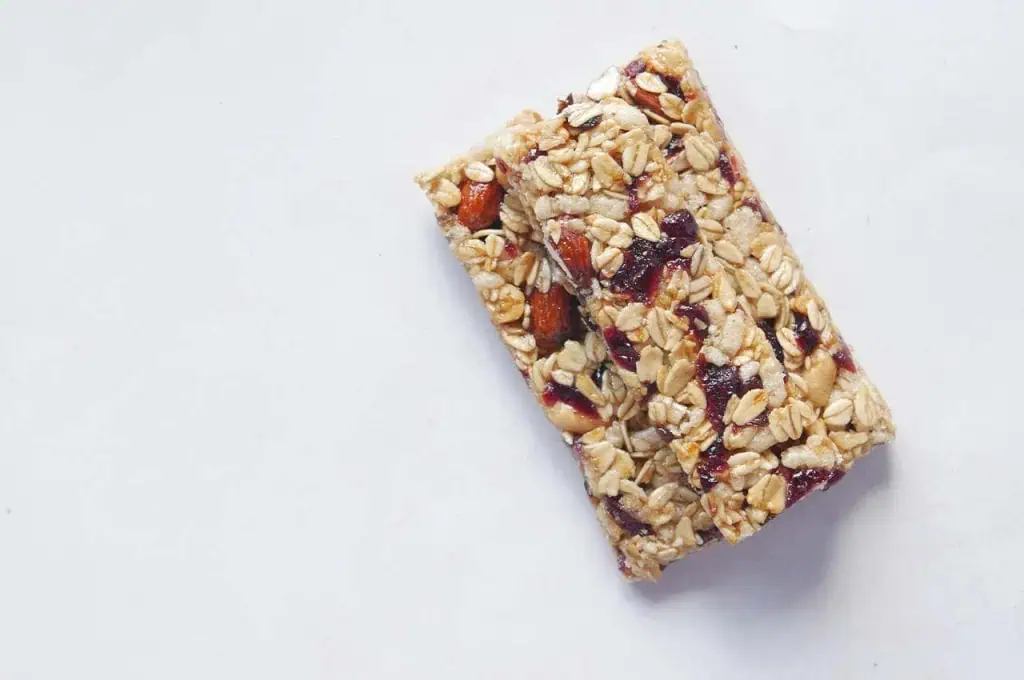
Protein bars often allure health-conscious consumers with promises of muscle recovery and sustained energy. However, many are loaded with sugars, sweeteners, and processed ingredients that can overshadow their nutritional value. Prioritize options with simple ingredient lists, focusing on real foods like nuts or seeds. Look for bars with a balanced protein-to-sugar ratio to avoid consuming a glorified candy bar. Homemade options, using rolled oats and natural nut butter, offer additional control over nutritional content.
Low-Fat Salad Dressing: The Fat-Free Fallacy

Low-fat salad dressings may seem like a guilt-free addition to your greens, but they often compensate for flavor loss with added sugars, salts, and artificial thickeners. These additives can derail your health goals. Instead, harness the richness of healthy fats using extra virgin olive oil or avocado in your dressings. These not only enhance flavor but also aid in the absorption of fat-soluble vitamins. A simple vinaigrette using lemon juice, olive oil, and herbs delivers taste and nutrition without the extra baggage.
Gluten-Free Packaged Snacks: Not Always Better
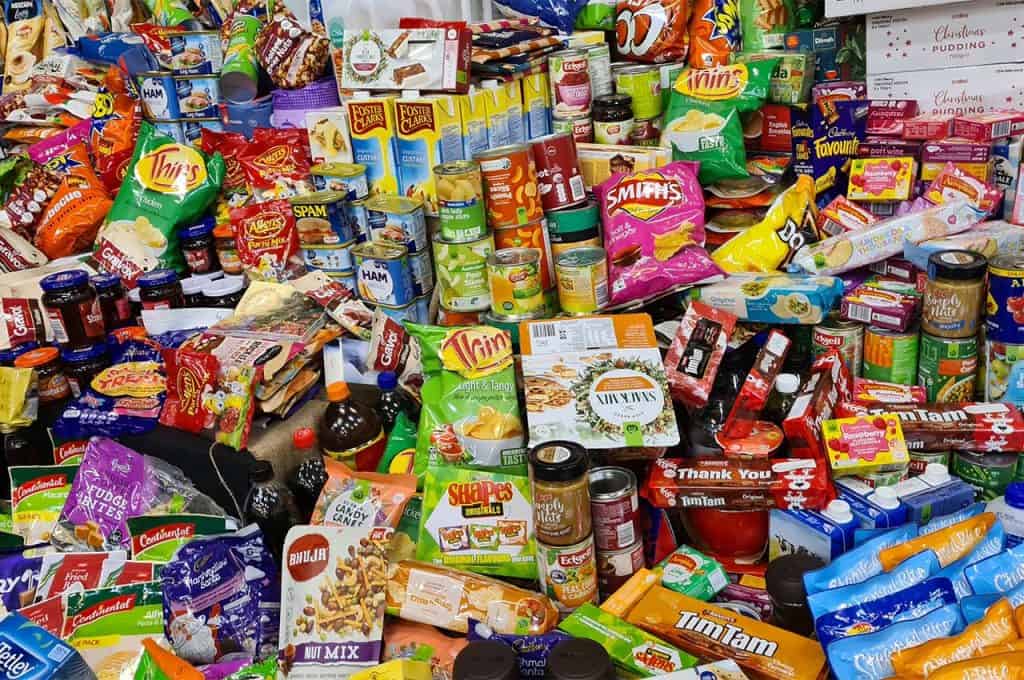
Gluten-free does not automatically equate to healthful. Many gluten-free snacks are heavily processed, containing refined flours and added sugars to improve texture and taste. To truly benefit from a gluten-free diet, emphasize whole foods like fresh fruits, vegetables, and nuts. When selecting packaged goods, scrutinize labels for nutritional balance, focusing on fiber and protein content. Homemade snacks, like roasted chickpeas or nut blends, can be both satisfying and nutrient-rich.
Dried Fruit: Concentrated Sugar Bombs

Dried fruit can be a convenient snack or ingredient, but it’s vital to manage portion sizes due to its concentrated sugar content. The drying process removes water but leaves sugars concentrated, often comparable to candy. Search for unsweetened varieties and combine them with proteins or healthy fats, like nuts or yogurt, to balance the glycemic impact. Experiment with dehydrating your fruit at home to maintain control over added sugars and preservatives, ensuring a healthier alternative.
Sports Drinks: Hydration or Sugar Rush?
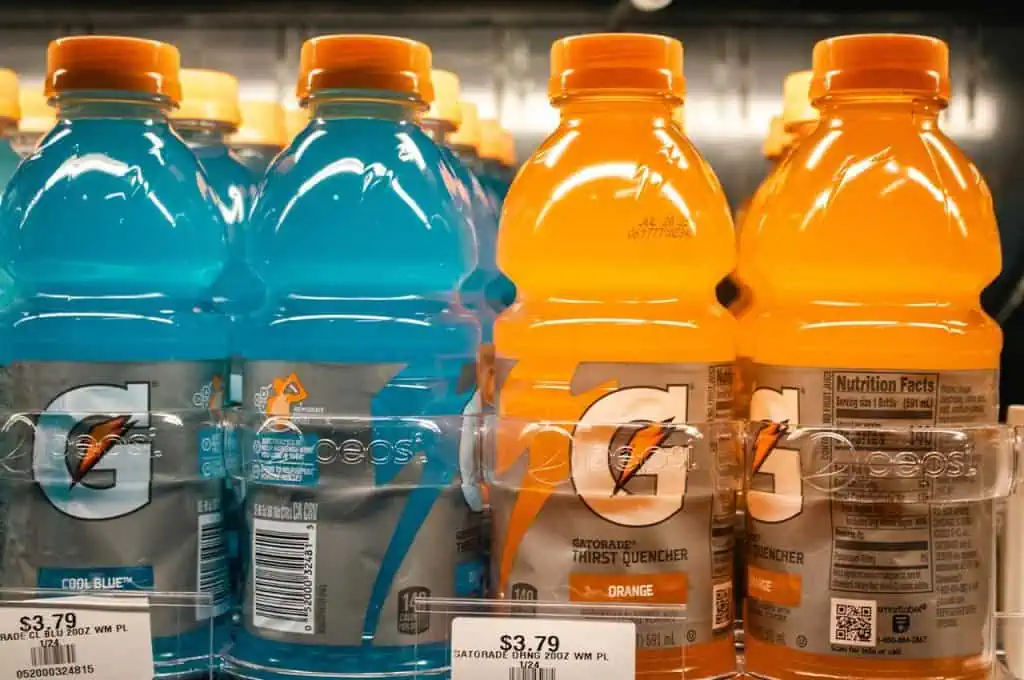
Sports drinks are often marketed as essential for hydration and electrolyte replenishment, but many are laden with sugars and artificial colors. They are generally unnecessary for most light to moderate activity levels. For genuine hydration, water remains the superior choice. In need of electrolytes after intense exertion, consider natural options like coconut water or a pinch of salt in a glass of water. Homemade sports drinks can be crafted using lemon juice, honey, and salt, providing electrolyte support without excess sugar.
