
8 ‘Healthy’ Veggies That Aren’t—and 8 That Truly Are
Navigating the health benefits of vegetables requires understanding their nutritional profiles. Certain veggies, often perceived as healthy, actually fall short in nutrient density, while others truly deliver on health promises. Knowing the difference can help in building a more nutritious diet.
Corn: Sweet but Starchy

Corn might be a summertime favorite, but it’s primarily a source of starchy carbohydrates. While it contains some fiber and vitamins, its high glycemic index can lead to blood sugar spikes. For a healthier option, consider replacing corn with non-starchy alternatives like broccoli or spinach, which offer more nutrients and less sugar.
Iceberg Lettuce: Lacking Nutrients

Iceberg lettuce is often chosen for its crisp texture, but it offers minimal nutritional benefits. Composed mostly of water, it lacks significant vitamins or minerals. For a more nutrient-dense salad base, opt for leafy greens like kale or arugula, which provide an array of vitamins, antioxidants, and a richer flavor profile.
Celery: Low-Cal, Low-Nutrient

Celery is popular in low-calorie diets, yet it offers little in terms of nutrition beyond water and fiber. While hydrating, it lacks the vitamins and minerals found in other vegetables. To enhance your diet, incorporate veggies like bell peppers or carrots, which deliver more flavor and a better array of nutrients.
Potatoes: Versatile but Starchy

Potatoes are beloved for their versatility, yet their high starch content ranks them lower on the health scale. Though they provide vitamin C and potassium, the glycemic load can be considerable. To maintain similar satisfaction with more nutrients, try sweet potatoes or cauliflower, which offer a lower glycemic index.
Canned Vegetables: Watch the Sodium

Canned vegetables can be a convenient choice, but they often contain high levels of sodium as a preservative. To reduce the sodium content, rinse canned vegetables thoroughly under cold water before using them. Opting for versions labeled “low sodium” or “no added salt” can significantly decrease your daily intake. Despite their convenience, fresh or frozen alternatives are generally healthier, as they retain more nutrients and allow for greater control over seasoning.
Vegetable Juice: Sugary Trap

Vegetable juice is frequently marketed as a healthy beverage, but many contain high levels of added sugars. This can diminish their nutritional value and add unnecessary calories. When choosing vegetable juices, check the label for ingredients and opt for varieties without added sugars or preservatives. Alternatively, making fresh juice at home allows you to control what goes into your drink, ensuring you receive all the nutrients without the extra sugar.
Pickled Vegetables: Hidden Sodium

Pickled vegetables can add a tangy crunch to meals, but they often come with a high sodium content. This can be problematic for those watching their salt intake. To enjoy pickled vegetables healthily, consider making them at home using a small amount of salt or experimenting with vinegar-based pickling methods. This approach can enhance flavor without overloading on sodium, letting the natural taste of the vegetables shine through.
Bell Peppers: Vitamin-Rich Powerhouse

Bell peppers are an excellent source of vitamins A and C, packed with antioxidants that support immune health. They add vibrant color and a crisp texture to any dish. Roasting bell peppers enhances their natural sweetness and can be done by placing them under a broiler until the skin chars. Once cooled, the skin can be peeled away easily, revealing a tender, flavorful flesh. Enjoy them raw in salads or cooked into stir-fries for a healthy boost.
8 Vegetables That Are Truly Healthy

Not all vegetables get the credit they deserve. While some fly under the radar, others quietly pack a powerful nutritional punch. These truly healthy veggies are loaded with fiber, antioxidants, and essential vitamins—without hidden drawbacks like excess starch or bloating potential. Whether you're building a salad or sautéing a side dish, these eight vegetables deserve a regular spot on your plate.
Kale: The Nutrient King
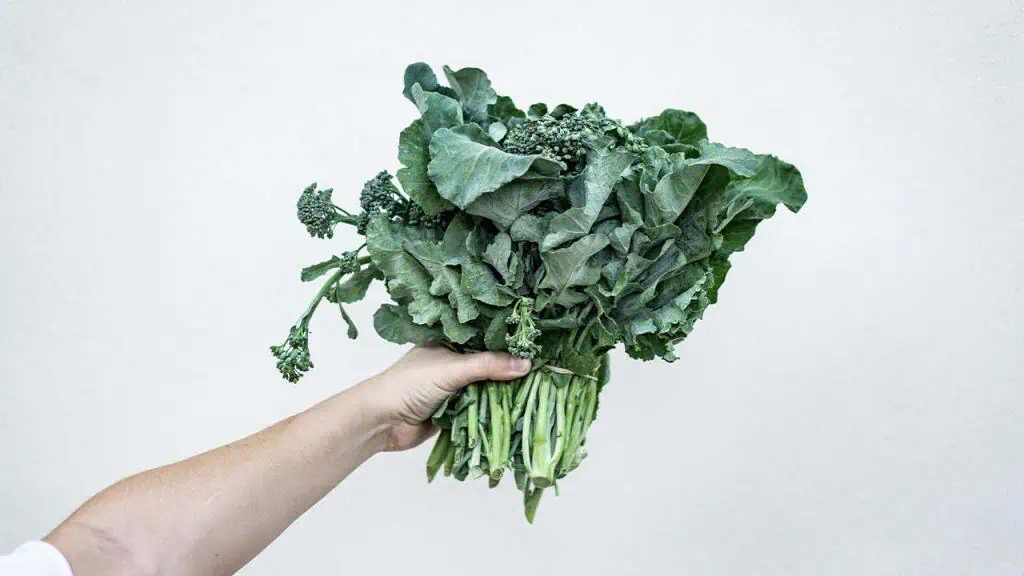
Kale is renowned for its nutrient density, offering ample amounts of vitamins A, K, and C, along with antioxidants and fiber. To soften its slightly bitter taste, massage kale leaves with a bit of olive oil and lemon juice before serving in salads. Sautéing kale with garlic and a splash of balsamic vinegar can create a delicious side dish. Its versatility in smoothies, soups, or as kale chips makes it an invaluable addition to a balanced diet.
Sweet Potatoes: More Than Just Carbs

Sweet potatoes are nutrient-dense powerhouses, rich in beta-carotene and vitamin C. Roasting them enhances their natural sweetness. For crispy edges, cut into even wedges, toss with olive oil, and spread them out on a single layer in the oven. Adding a sprinkle of cinnamon and a pinch of salt before baking can elevate their flavor profile. Avoid boiling as it can diminish nutrient retention. Incorporate sweet potatoes into salads or as a side to experience their full nutritional benefits alongside proteins and greens.
Broccoli: Bone-Strengthening Choice

Broccoli is a stellar source of vitamin K and calcium, crucial for bone health. To preserve its nutrients, steam broccoli until bright green and tender-crisp. Overcooking diminishes both flavor and nutritional value. Toss with lemon zest and olive oil to enhance freshness, or add raw florets to salads for crunch. Pair with garlic for an aromatic, heart-healthy addition. Broccoli puree makes a creamy soup base, offering a comforting yet nutritious meal.
Spinach: Green Leafy Nourisher
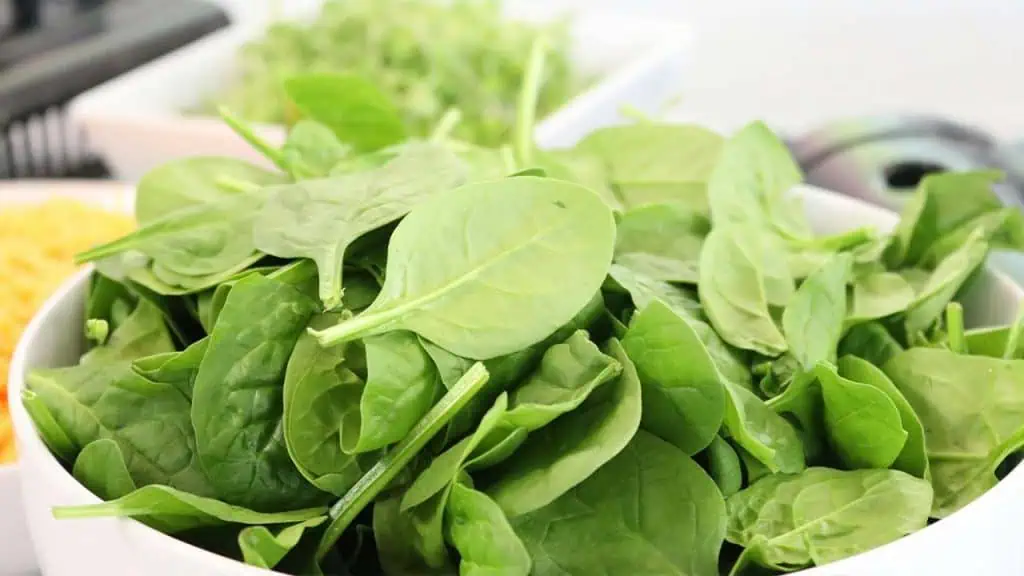
Spinach is packed with iron and folate, supporting energy and cellular health. To maximize nutrient absorption, cook spinach lightly; a quick sauté in olive oil with garlic helps break down oxalates that can inhibit iron absorption. Enhance its flavor by adding a splash of balsamic vinegar. Blending it into smoothies preserves its raw, nutrient-rich state, perfect for breakfast or snacks. Always wash thoroughly to remove any grit before cooking or eating raw.
Red Cabbage: Antioxidant Delight

Red cabbage boasts a high concentration of anthocyanins, powerful antioxidants that offer numerous health benefits. To maintain its vibrant color and crisp texture, serve it raw or lightly pickled. Combine it with citrus fruits or apples for a refreshing salad. When cooking, sauté gently with vinegar to neutralize odors and retain its appeal. Its natural sweetness and slight bitterness offer a delicious contrast to rich meats or hearty grain bowls.
Brussels Sprouts: Fiber and Flavor

Brussels sprouts are rich in fiber and contain compounds that support detoxification. Roasting them brings out a caramelized sweetness, especially when halved to allow even cooking. Ensure they are well-coated in olive oil for crispy outer leaves. Toss with balsamic glaze shortly before removing from the oven to enhance sweetness. Adding toasted nuts or seeds provides textural contrast while boosting nutritional value. Overcooking can lead to a bitter taste, so aim for a tender-crisp finish.
Garlic: Nature’s Antibiotic

Garlic is often praised for its potent health benefits, stemming from compounds like allicin. This sulfur-rich compound is most potent when garlic is crushed or chopped and allowed to sit for a few minutes before cooking. This delay allows the allicin to develop, enhancing both flavor and potential medicinal properties. Use garlic in moderation, as its strong aroma can overpower other ingredients. Roasting garlic softens its pungency, adding warmth and depth to dishes. Whether added to soups, sautés, or roasted vegetables, garlic's versatility makes it a staple with both culinary and health benefits.
Watercress: The Nutrient-Dense Leaf

Watercress is a powerhouse of nutrients, providing a high concentration of vitamins such as K, C, and A alongside vital minerals like calcium. Its peppery bite and crisp texture make it an excellent addition to salads and sandwiches. To prepare, rinse watercress thoroughly to remove any grit. Use both leaves and tender stems for maximum nutrition. Consider adding it raw to preserve its vitamin content, or lightly sauté it for a warm variation. Its vibrant color and fresh taste can enliven a simple dish, making watercress a truly versatile leafy green in health-focused cuisine.
