
Beginner’s Guide to Using an Air Fryer Safely
TL;DR: Air fryers are one of the most beginner-friendly appliances you can own, but a few basics make a real difference in your results and your safety. This guide walks you through how an air fryer actually works, where to safely place it, what to cook first, the most common beginner mistakes, and how to clean it without any stress. Whether you just unboxed yours or it’s been sitting on the counter for a month, you’ll feel ready to cook after reading this.
You finally got an air fryer. Maybe it was a birthday gift. Maybe it was a really good sale you couldn’t walk away from. Or maybe your friends kept raving about theirs until you gave in and ordered one at midnight. Whatever got you here, welcome to the club. You made a good call.
Here’s the thing about using an air fryer for the first time: it’s genuinely easy. But like any appliance, knowing a few basics upfront saves you from a lot of frustrating trial-and-error later. And since over 60% of U.S. households now own an air fryer, there’s a whole lot of collective experience to learn from.
This guide covers everything a new air fryer owner needs to know. How it works, where to put it, what to make first, what not to do, and how to keep it clean. It’s the guide I wish I’d had the first time I plugged one in. If you want to know what my favorite brand of air fryer is, it’s the Nuwave Brio! This is my second Nuwave air fryer. My first one last for over 10 years of constant daily use!
What Does an Air Fryer Actually Do?
An air fryer is a compact countertop appliance that cooks food using high-speed circulating hot air. It’s not really a fryer at all. It works more like a very powerful, very small convection oven.
Inside, there’s a heating element at the top and a fan that blows that heat around your food at speed. Because the cooking space is small and the airflow is intense, food cooks faster than it would in a full-size oven and gets that golden, crispy exterior we all love. You get the crunch without submerging anything in a pot of oil.
That’s why it’s called “frying” even though there’s very little oil involved. A light spray or a quick toss is usually all you need. For most foods, that’s it.
It can also bake, roast, reheat, and dehydrate, depending on your model. Once you get comfortable with the basics, you’ll find yourself reaching for it constantly.
Where Should You Put Your Air Fryer?
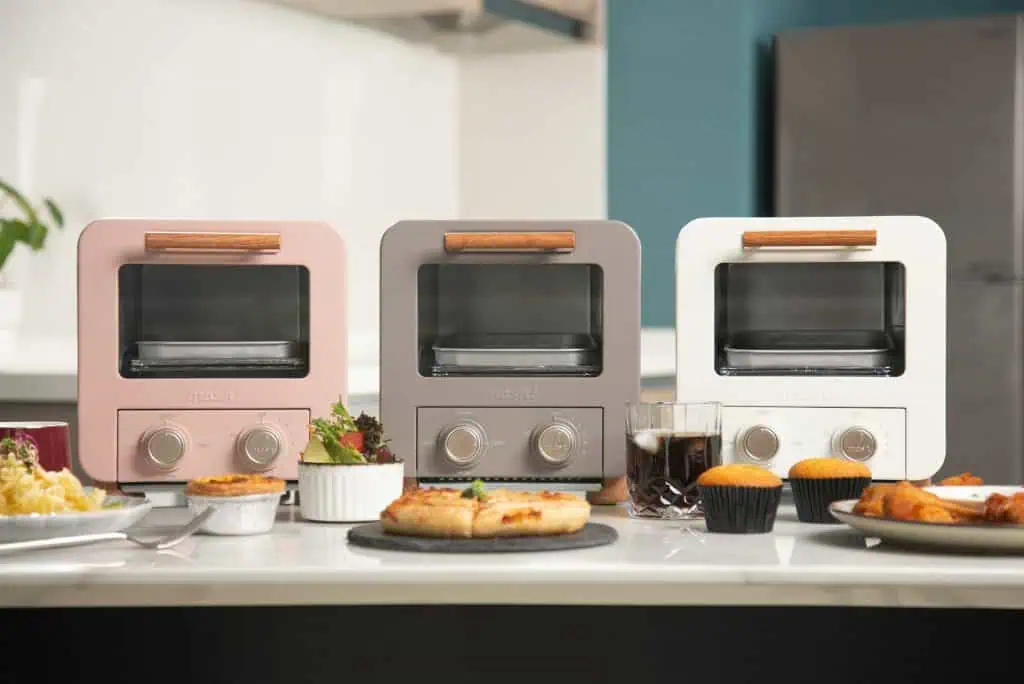
Place your air fryer on a flat, heat-resistant surface with at least five inches of clearance on all sides, including the back and top. Never put it directly under a cabinet, flush against a wall, or near flammable items like kitchen towels, cooking oils, or plastic bags.
This placement rule matters more than most people realize. Air fryers have vents, usually on the back or sides, that release hot air as they run. If those vents get blocked, the appliance can overheat. Nottinghamshire Fire and Rescue Service responded to nine air fryer-related incidents in just ten months, many of them caused by simple placement and usage mistakes.
A few other placement rules worth knowing:
Your air fryer draws a lot of power. Many manufacturers warn against plugging it into a power strip or extension cord that isn’t rated for high wattage. Stick to a wall outlet whenever you can.
Keep it away from water sources. The combination of heat, electrical current, and liquid is never a good one.
Don’t leave it unattended for long stretches, especially when you’re first learning how it behaves. A survey by Aviva found that nearly one in five UK adults encountered potential fire hazards from their air fryers, mostly from smoke and overheating. The good news: staying nearby and following basic placement rules takes care of most of those risks.
Setting It Up for the First Time
Before you cook anything, take a few minutes to get your air fryer properly set up. It’s quick, and it makes your first cook a lot smoother.
Start by removing all the packaging. Check inside the basket too, not just the outside box. Manufacturers sometimes tuck cardboard or foam inside the cooking chamber, and you don’t want to find out the hard way.
Wash the basket and any removable trays with warm, soapy water before the first use. Dry them thoroughly before putting them back in.
Then do a “first run” preheat with nothing inside. Set it to around 350-375°F for about three minutes. This burns off any factory residue or coating smell. You might notice a slight plastic-y smell the first time you run it. That’s normal and it goes away.
One accessory tip for beginners: skip the extras for now. Specialized racks, skewer sets, and silicone inserts are all great eventually. But your first goal is just to get comfortable with the basket and the basic settings. Keep it simple until cooking in it feels natural.

What Should You Cook First?
Start with something forgiving. These five foods are genuinely hard to mess up in an air fryer and they’ll give you a feel for how the appliance runs.
Air fryer potatoes are one of the best first cooks. Cut them into wedges, toss with a little olive oil and seasoning, and you’ll have crispy edges and fluffy insides in about 20 minutes.
Air fryer chicken is another great starting point. Bone-in thighs in particular are very forgiving. They come out juicy inside and get that gorgeous browned skin that’s hard to achieve in a regular oven.
Air fryer carrots and other roasted vegetables are quick, easy, and a nice low-stakes way to learn the temperatures. Toss with oil, add your seasonings, and you’re done.
Air fryer bacon is an easy crowd-pleaser. It cooks fast, gets perfectly crispy, and the grease drips away from the food as it cooks.
Frozen snacks (fries, nuggets, tater tots) are also great first runs. They’re designed to be cooked at high heat and they’re very hard to ruin. Great for figuring out your machine’s quirks without any pressure.
From a professional kitchen standpoint, the air fryer is the rare appliance that actually delivers restaurant-quality results at home. That crispy exterior you pay for at a restaurant? You can get it in your own kitchen in minutes.
What Are the Biggest Beginner Mistakes?
The most common beginner air fryer mistakes are overcrowding the basket, skipping preheating, using wet batter, and not shaking or flipping food halfway through cooking. Each one leads to uneven results or food that just doesn’t crisp up the way you expected.
Here’s a closer look at each one:
Overcrowding is the biggest culprit. The whole point of an air fryer is that hot air circulates around your food. If the basket is packed, the air can’t do its job. Cook in batches when you need to. It’s worth the extra few minutes.
Skipping the preheat. Some models don’t require it, but for most foods, a quick two-to-three minute preheat helps you get a better sear right from the start.
Wet batter doesn’t work in an air fryer. Beer batter, tempura batter, anything liquid-based will drip through the basket and make a mess. Use breadcrumbs or panko instead for a coated crunch.
Lining the basket with regular aluminum foil or baking paper is a real safety risk. Over 58,000 people search each month for whether you can put tin foil in an air fryer, and the answer is: be careful. Both materials can block airflow and, if they come into contact with the heating element, cause a fire. Use properly sized silicone liners if you want to line the basket.
Not shaking or flipping food. Air fryers cook fast and hot. Giving the basket a shake halfway through, or flipping larger pieces, means everything cooks evenly instead of getting dark on one side and pale on the other.

How to Clean Your Air Fryer (The Easy Way)
Cleaning your air fryer is genuinely simple when you do it regularly. The best habit is to clean it after every use, once it has cooled down.
Remove the basket and any removable trays. Wash them with warm, soapy water and a non-abrasive sponge. If food is stuck on, let them soak for a few minutes. Most baskets are coated with a non-stick surface, so you don’t need to scrub hard.
Wipe the inside of the cooking chamber with a damp cloth. A drop of dish soap is fine. Just make sure nothing drips onto the heating element at the top.
Over 35,000 people search each month for how to clean an air fryer, and one popular tip circulating on social media is to fill the basket with water and a dishwasher tablet and run it. Skip this one. Air fryers aren’t designed to heat liquid inside them. It can splash onto the heating element, cause a short circuit, and become a hazard.
Never submerge the main unit in water. Check your manual to see if the basket is dishwasher safe before you put it in there.
The habit in any professional kitchen is clean as you go. The air fryer rewards exactly that. A quick wipe-down after every cook keeps it working well and avoids any residue buildup that can cause smoke during future cooks.
For a full library of recipes to put your newly cleaned air fryer to work, browse the FoodnService air fryer recipe collection and the Ultimate Instant Pot Guide for even more appliance cooking ideas.
You’re Ready. Go Cook Something.
Here’s what to take away from this guide. First, placement matters more than most people think. Give your air fryer room to breathe, use a wall outlet, and don’t walk away from it while it’s getting familiar. Second, don’t overcrowd the basket. A little patience with batch cooking pays off in crispier, more evenly cooked food. Third, clean it after every use. A quick wash takes two minutes and keeps your air fryer in great shape for years.
That’s really it. The learning curve on an air fryer is about as steep as learning to use a toaster. Once you cook a few things in it, you’ll be adjusting temps and times without even thinking about it.
If you want recipes to get started, follow along on Pinterest, Facebook, and TikTok for weekly air fryer ideas, or subscribe to the FoodnService newsletter to get easy meals delivered straight to your inbox. Your air fryer is ready when you are.
Frequently Asked Questions
Do I need to preheat my air fryer every time? Not always, but it helps for most foods. A quick two-to-three minute preheat at your target temperature gives food a better sear right from the start and leads to crispier results. Some models preheat automatically, and some foods like frozen snacks don’t need it at all. When in doubt, a short preheat is never a bad idea.
Can I put aluminum foil in an air fryer? You can use a small piece of foil in the basket, but do it carefully. Never let foil block the airflow holes at the bottom of the basket, and make sure it’s weighed down by food so it doesn’t fly up and touch the heating element. A better option for lining the basket is a properly sized silicone liner designed for air fryers.
Why is my air fryer smoking? A little smoke is usually caused by grease or food residue left over from a previous cook. Clean the basket and the inside of the chamber after every use to prevent buildup. If you’re cooking something fatty like bacon, you can add a small amount of water to the bottom drawer (under the basket) to catch dripping grease and reduce smoke.
How do I know when my food is done cooking? The most reliable way is a meat thermometer for proteins. Chicken needs to reach an internal temperature of 165°F. For other foods, look for a golden-brown exterior and check the inside. Air fryers vary by model, so use the recommended cook times as a starting point and adjust from there. Pulling the basket to check food mid-cook is totally fine. Most air fryers pause automatically when you pull the basket out.
How often should I clean my air fryer? After every use, ideally. Let it cool completely first, then wash the basket and any removable parts with warm soapy water and wipe out the interior with a damp cloth. This keeps food residue from building up, prevents smoke during future cooks, and extends the life of your appliance.
