
The 5 freezer food mistake chefs say ruins flavor and wastes money
Freezers are supposed to save money, extend shelf life, and make cooking easier. In reality, many home freezers do the opposite. Chefs consistently point out that the most common freezer habits don’t just reduce food quality, they erase the value of the ingredients. Flavor loss, texture damage, and forgotten food all trace back to a few avoidable mistakes that feel harmless in the moment but compound over time. These are the freezer food mistakes chefs say quietly ruin meals and waste money.
Freezing Food Without Proper Air Protection
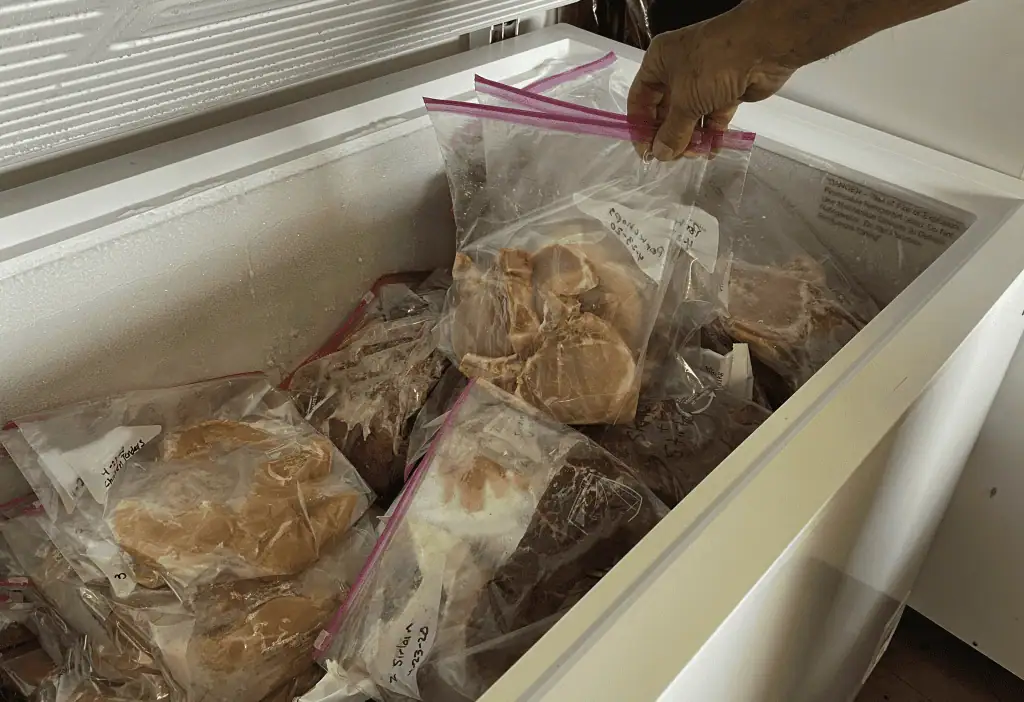
The most damaging freezer mistake is letting food come into contact with air. Freezer burn isn’t just a cosmetic issue; it’s dehydration combined with oxidation, and it permanently alters flavor and texture. Chefs note that meat exposed to air becomes dry and bland, vegetables lose structure, and cooked foods taste stale even after reheating. Thin plastic bags, loose lids, and poorly wrapped items allow moisture to escape slowly. The result is food that’s technically safe to eat but no longer enjoyable, leading people to throw it out and repurchase what they already owned.
Freezing Foods Past Their Prime
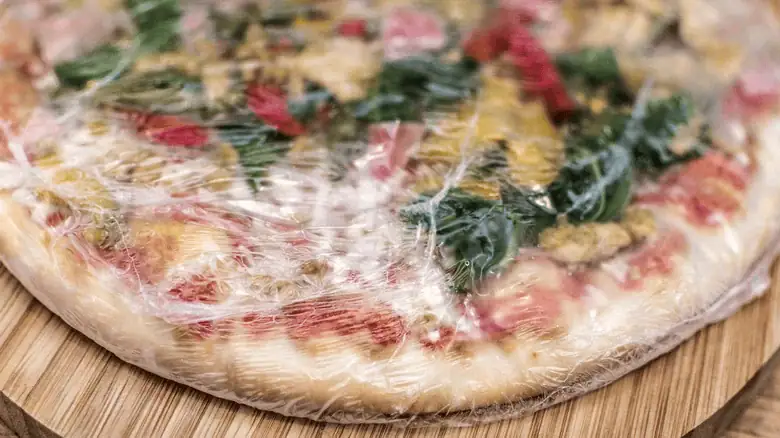
Freezers don’t reverse aging; they pause it. One of the biggest misconceptions is freezing food “before it goes bad” when it’s already declining. Chefs emphasize that flavor quality at freezing determines flavor quality at thawing. Wilted herbs, tired vegetables, and meat nearing its expiration date won’t improve once frozen. They’ll simply lock in mediocrity. Freezing food too late often creates disappointing results that feel like freezer failure, when the real issue was timing. This habit leads to wasted freezer space and food that never quite tastes worth eating.
Forgetting to Label and Date Everything
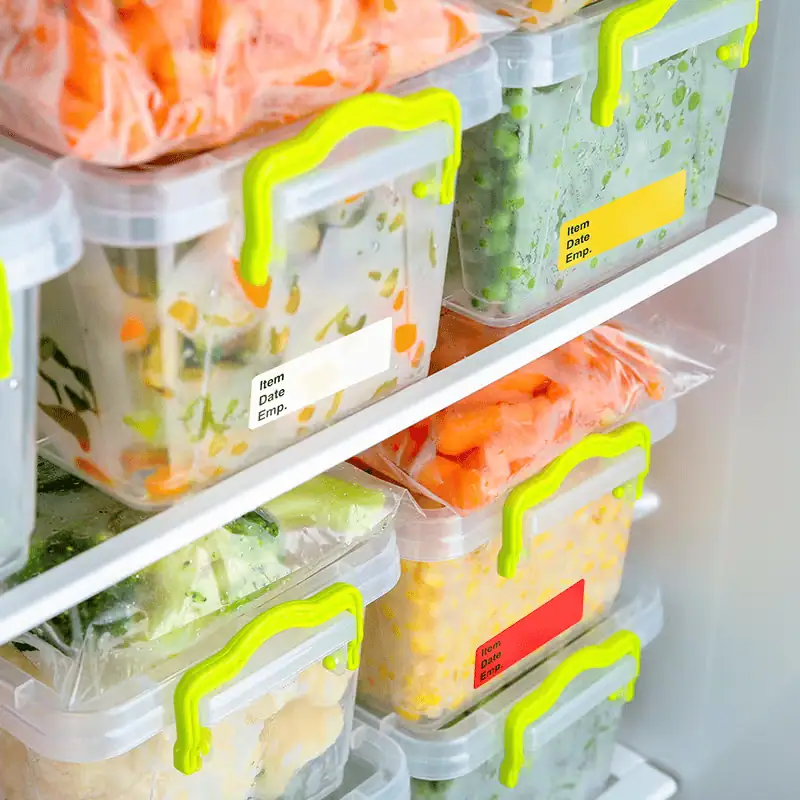
Professional kitchens label everything because memory is unreliable in cold storage. At home, unlabeled freezer items turn into mystery packages that no one wants to gamble on. Chefs say uncertainty kills motivation to use frozen food, even if it’s still perfectly good. Without dates, people overestimate how long items have been stored and default to throwing them away “just in case.” Labeling isn’t about perfection; it’s about confidence. When you know what something is and when it was frozen, you’re far more likely to cook it instead of replacing it.
Freezing Foods in Oversized Portions

Freezing large blocks of food feels efficient, but chefs warn it often backfires. Oversized portions take longer to freeze, increasing ice crystal formation that damages texture. They also limit flexibility later. Thawing more than needed encourages refreezing, which further degrades quality, or wasting leftovers that don’t get reused. Portioning food before freezing preserves texture, speeds freezing, and makes meals easier to plan. Chefs treat portion control as a freezer strategy, not a dieting one it protects both flavor and food budgets.
Treating the Freezer Like a Long-Term Storage Unit

Many people use their freezer as a place where food disappears indefinitely. Chefs argue this mindset is the most expensive mistake of all. Freezers work best as rotation systems, not archives. Items pushed to the back lose visibility, fall out of mental inventory, and eventually get tossed during cleanouts. Even properly frozen food has a quality window. Without regular use and rotation, the freezer becomes a graveyard of sunk costs. Chefs recommend thinking of frozen food as scheduled future meals, not emergency backups with no deadline.
