
10 Black Chefs Who Changed the Way America Eats Forever
The story of American food is inseparable from the contributions of Black chefs who, for centuries, have shaped our national identity from the shadows of enslaved kitchens to the heights of global fine dining. As of early 2026, the “Make America Healthy Again” movement and a renewed interest in food history have brought these trailblazers into sharper focus.
These ten figures didn’t just cook; they introduced the techniques, ingredients, and seasonal philosophies that define how we eat today. From the invention of the potato chip to the introduction of macaroni and cheese, their legacy is served on every American table.
James Hemings: The French Connection

Born into slavery and the half-brother of Thomas Jefferson’s wife, James Hemings was the first American to be formally trained as a chef in France. In the late 1700s, he revolutionized the American palate by introducing European staples like macaroni and cheese, French fries, and crème brûlée. Hemings was a master of the multi-burner stove a high-tech innovation at the time, and his “Virginian-French” fusion became the blueprint for refined American dining. His influence persists today, as the dishes he popularized remain the most iconic comfort foods in the United States.
Edna Lewis: The Farm-to-Table Pioneer
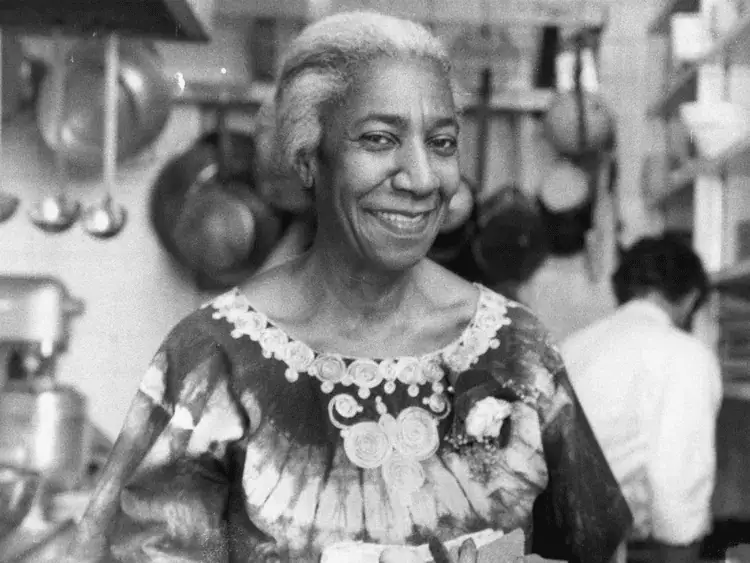
Known as the “Grand Dame of Southern Cooking,” Edna Lewis was an advocate for fresh, seasonal ingredients long before “farm-to-table” was a marketing buzzword. In the 1940s, she wowed New York City’s elite at Café Nicholson with simple, elegant Southern dishes that challenged the era’s stereotypes.
Her 1972 masterpiece, The Taste of Country Cooking, is still considered a culinary Bible. Lewis taught generations of chefs that true luxury lies in the quality of the soil and the timing of the harvest, making her the spiritual godmother of the 2026 organic food movement.
Leah Chase: The Queen of Creole Cuisine
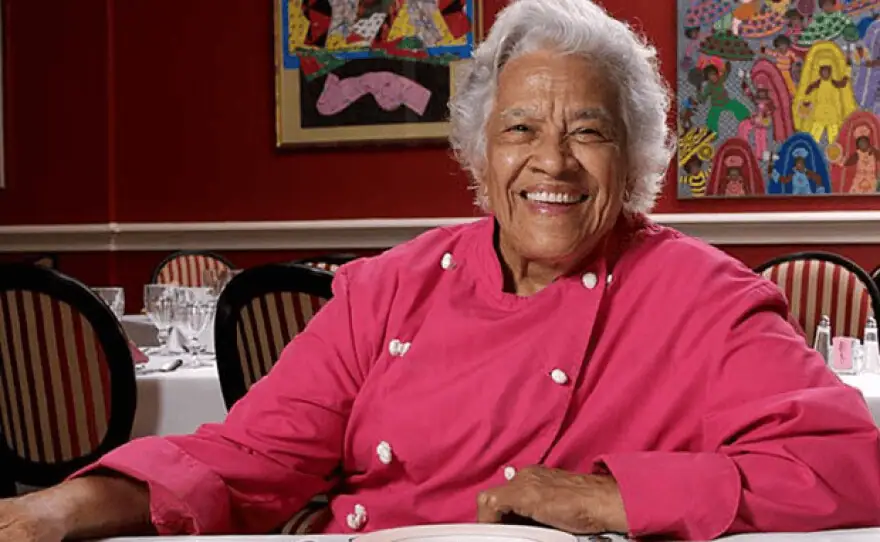
Leah Chase transformed New Orleans’ Dooky Chase’s Restaurant into a sanctuary for the Civil Rights Movement, feeding everyone from Freedom Riders to U.S. Presidents. As the “Queen of Creole Cuisine,” she elevated dishes like Gumbo Z’Herbes into symbols of community and resistance.
Chase’s legacy extends far beyond the kitchen; she was a tireless advocate for African American art and culture. In 2026, her restaurant remains a living monument to the power of a shared meal to bridge political divides and sustain the soul during times of struggle.
George Crum: Inventor of the Potato Chip
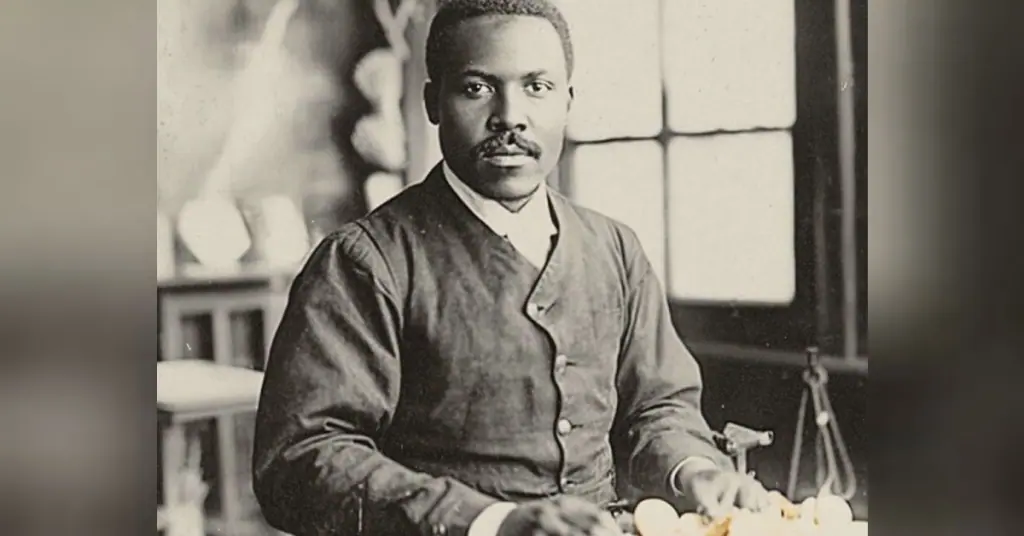
In 1853, George Crum (born George Speck) accidentally created America’s favorite snack while working as a chef at a luxury resort in Saratoga Springs. Legend has it that after a customer complained his fried potatoes were too thick, Crum sliced them paper-thin and fried them until they were brittle.
The “Saratoga Chips” were an instant hit and later became the multibillion-dollar potato chip industry. Beyond the chip, Crum was a pioneer of the “locally grown” movement, serving only produce from his own farm at his personal restaurant, Crum’s.
Zephyr Wright: The Chef of Civil Rights
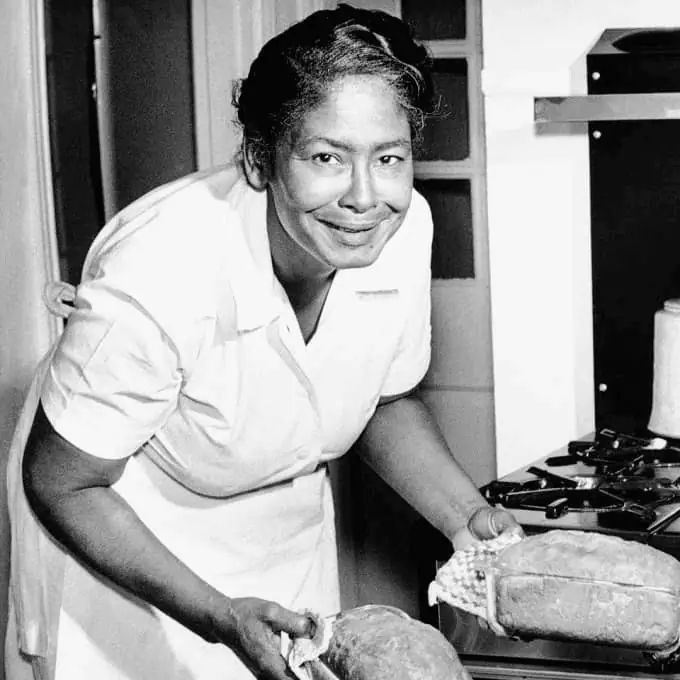
As the personal chef to President Lyndon B. Johnson, Zephyr Wright did more than just prepare legendary “monumental Sunday breakfasts.” Her experiences with Jim Crow laws while traveling with the Johnson family deeply influenced the President’s views on racial injustice.
It is often cited that her personal stories of discrimination helped push LBJ to sign the Civil Rights Act of 1964. Wright’s expertise in Southern staples like spoon bread and peach preserves fueled the White House during one of the most transformative eras in American history.
Hercules Posey: Washington’s Elite Chef
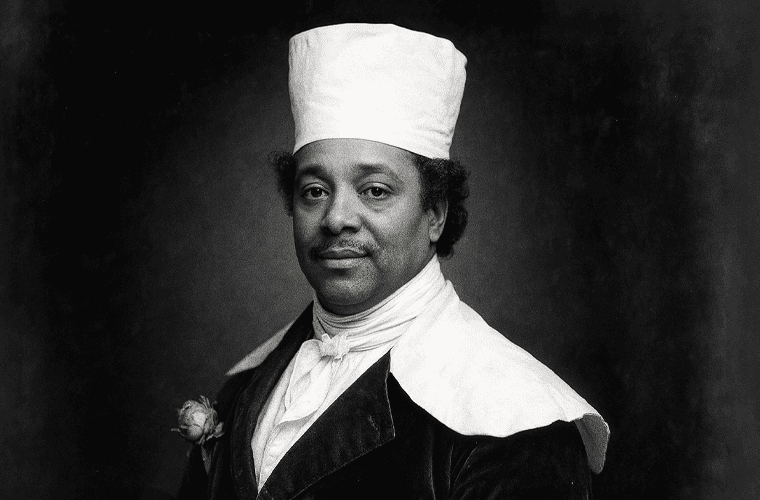
Hercules Posey was the enslaved head chef for George Washington and was considered one of the first “celebrity chefs” in the United States. Known for his impeccable style and extraordinary culinary talent, he managed the high-pressure kitchens of both Mount Vernon and the President’s House in Philadelphia.
His ability to execute complex, multi-course state dinners helped establish the dignity of the new American Republic. Hercules eventually escaped to freedom, but his sophisticated approach to “Federal-era” cuisine set the standard for American formal hospitality.
Abby Fisher: The First Southern Historian
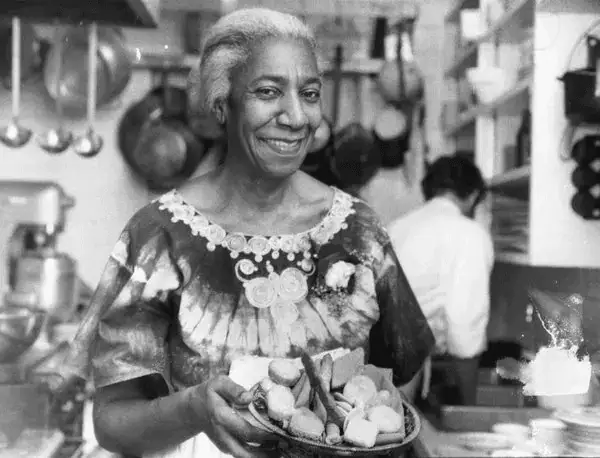
In 1881, Abby Fisher published What Mrs. Fisher Knows About Old Southern Cooking, the second known cookbook written by a Black woman in the U.S. Having moved from slavery in South Carolina to a successful business career in San Francisco, Fisher used the book to document the precise techniques of Southern preserves and pickles.
Her detailed recipes for gumbo and corn fritters provided the first written record of many oral traditions. Today, her work is revered by historians as a vital link to the authentic flavors of the 19th-century South.
Marcus Samuelsson: The Global Fusionist
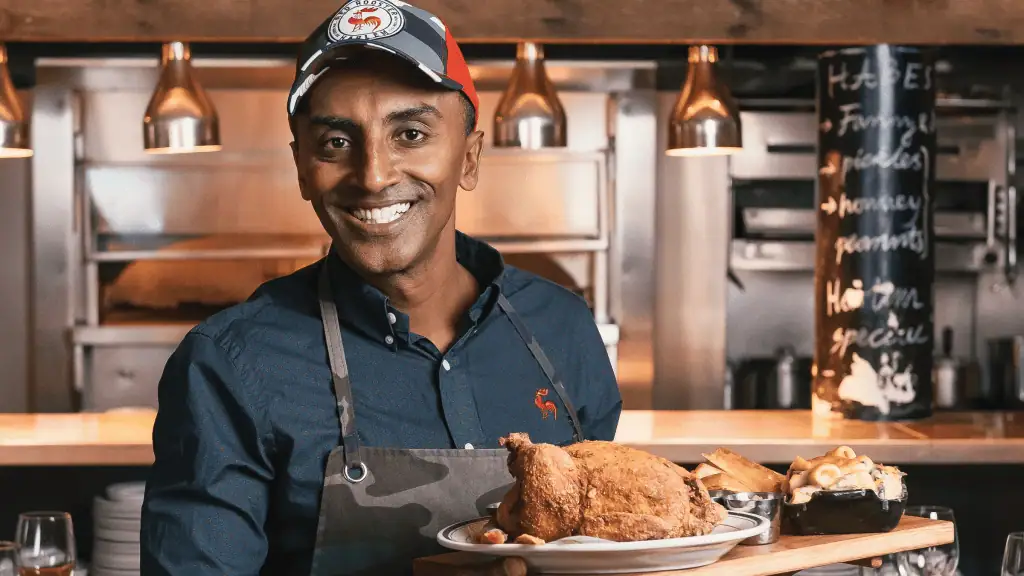
Marcus Samuelsson, the chef behind Harlem’s Red Rooster, has redefined what “American food” looks like in the 21st century. Born in Ethiopia and raised in Sweden, Samuelsson’s career is a testament to the melting pot of the Black diaspora.
He has used his platform to celebrate the history of Harlem while integrating global flavors from Africa and Scandinavia. As a multi-James Beard Award winner and best-selling author, he has become one of the most visible Black chefs in the world, championing diversity and mentorship within the 2026 professional kitchen.
Mashama Bailey: The New Voice of the South
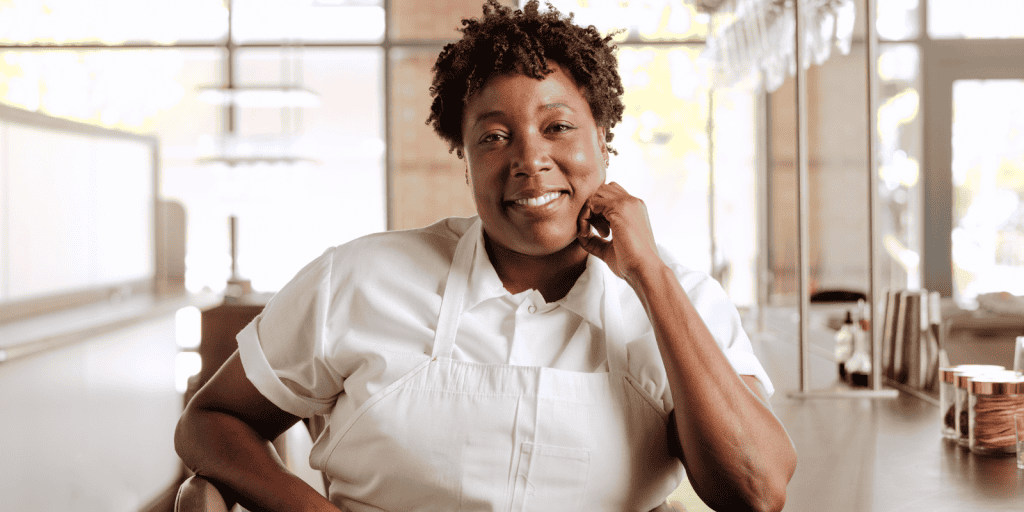
At her restaurant The Grey in Savannah, Georgia, Mashama Bailey is leading a “culinary reawakening” by tracing the roots of West African tradition in Southern food. Her work focuses on the history of the Gullah Geechee people and the specific agricultural knowledge brought to the U.S. by enslaved Africans.
By elevating “humble” ingredients like rice, peas, and seafood through a modern lens, Bailey has won international acclaim. In 2026, she is a central figure in the movement to reclaim Black culinary heritage as the foundation of high-end American dining.
Bryant Terry: The Vegan Visionary
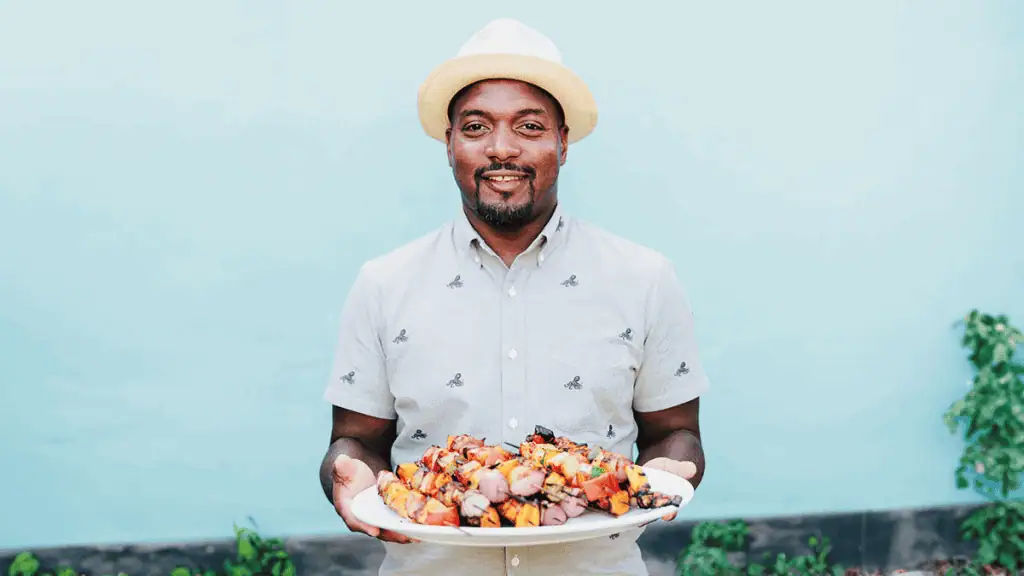
Bryant Terry is a chef, educator, and activist who has spent the last two decades merging food justice with plant-based cooking. His work, including the award-winning Vegetable Kingdom, focuses on making healthy, whole foods accessible to Black communities.
Terry’s approach isn’t just about dieting; it’s about “food sovereignty” and honoring the agricultural roots of the African diaspora. As the 2026 MAHA movement emphasizes low-processed, nutrient-dense diets, Terry’s vision of a sustainable and just food system has never been more relevant to the American conversation.
