
9 Restaurant Red Flags Diners Often Ignore Until It’s Too Late
Dining out should be enjoyable, but not every restaurant is what it seems. Many diners overlook subtle warning signs that can reveal a less-than-stellar experience—or worse, hidden health risks. From sticky menus to unusually fast food delivery, ignoring these red flags can turn a night out into a disappointment. Knowing what to watch for helps you enjoy your meal safely while avoiding spots that cut corners behind the scenes.
Sticky Tables and Greasy Menus

A sticky table surface or a menu with greasy smudges can signal underlying cleanliness issues. This is not just about aesthetics; it highlights a possible neglect in maintaining hygiene standards, crucial in a dining establishment. A well-managed restaurant will have a routine for cleaning tables and menus regularly. When these basics are overlooked, it might indicate that other crucial areas, like the kitchen, are similarly lacking attention to detail.
Oversized Menus with Everything

An excessively large menu often tries to cater to every possible taste but may compromise quality and freshness. Restaurants excelling in a few dishes typically use specialized, seasonal ingredients, highlighting their expertise. A sprawling menu can hint at reliance on frozen or pre-prepared items, resulting in less flavorful dishes. Choosing places that focus on a distilled selection usually guarantees better quality control and a more satisfying dining experience.
Dining Room Smells Like Old Oil

An unpleasant, lingering smell of old oil in the dining room suggests infrequent oil changes in the kitchen’s fryers. This practice can affect the taste and quality of fried items, giving them an acrid, greasy undertone. Frequent oil changes are essential to maintain the integrity of flavors. A restaurant that prioritizes this detail likely extends the same care to other aspects of food preparation, ensuring a higher standard of dining.
Servers Evade Ingredient Questions

When servers seem unsure or evasive about menu ingredients, it might indicate a lack of communication and training within the establishment. Knowledgeable staff should be able to provide detailed descriptions of dishes and accommodate dietary inquiries. This transparency addresses customer concerns and underscores the restaurant’s commitment to service. Evasive answers could be a red flag pointing to broader issues with food sourcing or preparation.
Dirty Bathrooms Signal Kitchen Woes

If a restaurant’s bathroom isn’t maintained, it can reflect the cleanliness standards throughout the establishment, including the kitchen. A frequently checked and cleaned restroom is usually indicative of a business that values hygiene across the board. Dirty, neglected facilities suggest a lack of oversight that could extend to food safety and sanitation, raising potential health concerns. Consistent cleanliness in all areas is a hallmark of a well-run dining operation.
Complex Dishes Arrive Too Fast

When a dish featuring numerous components or intricate techniques appears at your table almost immediately after ordering, it could indicate pre-cooked elements or a lack of freshness. Authentic preparation involves time-consuming steps, such as precise seasoning or careful plating. Consider whether the temperature, texture, and flavor profile aligns with freshly cooked food. If the dish lacks depth or the proteins seem dry, it may signal that quality is being compromised for speed.
Empty Restaurants at Peak Hours
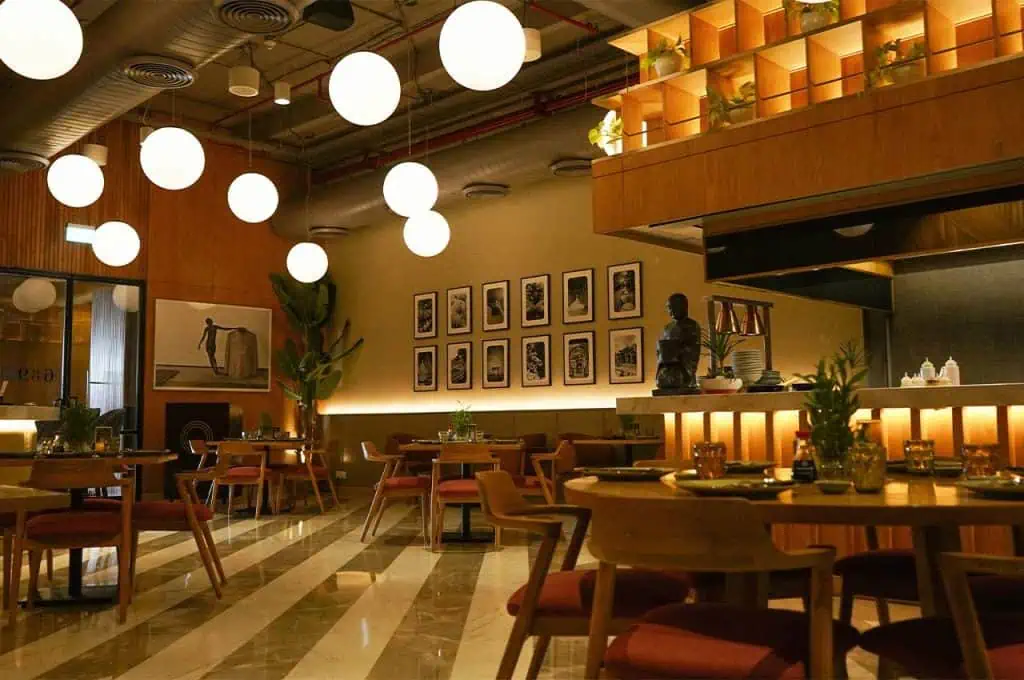
A vacant restaurant during peak dining hours can suggest several issues. Often, it reflects a disconnect between the menu’s appeal and its execution. An empty dining room might mean service is inconsistent or that previous patrons found the experience lacking. Observe factors like limited menu offerings or overtly complex dishes that discourage diners. An attentive staff, visible attention to cleanliness, and a welcoming ambiance should replace a hollow, uninviting space.
Employees Avoid the Food

When staff members decline to eat at their workplace or seem indifferent to the food, it could speak volumes about quality or consistency. Engaged employees often share genuine enthusiasm for their dishes. If they hesitate when asked about recommendations or confess they seldom eat there, consider if flavor profiles are unappealing or ingredients are subpar. Reliable establishments typically have staff eager to showcase their favorites, reflecting pride in their product.
Visible Health Inspection Warnings

Health inspection scores or warnings prominently displayed, especially if unfavorable, can hint at unsanitary practices. A restaurant committed to safety will actively address any past violations, ensuring spotless facilities and diligent food handling. Pay close attention to environments where hygiene seems neglected—such environments breed problems that can impact both safety and satisfaction. Critical violations, if unresolved, suggest a lack of accountability and compromise guests’ well-being.
