
15 Healthy Eating Rules the Rest of the World Follows—And We Should Too
We’ve all been there. Eating lunch in front of a screen, scarfing down dinner in five minutes flat, or grabbing something processed because it’s convenient. But here’s the thing: many cultures around the world have been eating the “right” way for centuries. Think slow, mindful meals in France. Plant-based diets in the Mediterranean. Fermented foods in Korea and Japan. And the practice of sharing meals with family and community in countless cultures. These aren’t restrictive diets or complicated rules. They’re simple, time-tested habits that emphasize balance, enjoyment, and nourishment. And the best part? You can adopt them without a complete lifestyle overhaul.
So if you’re ready to eat healthier without feeling deprived, you’re in the right place. In this article, we’re exploring 13 global eating habits that can transform your relationship with food—from savoring meals slowly and embracing plant-based dishes to incorporating fermented foods, using herbs and spices instead of salt, and practicing food gratitude. You’ll learn simple tips like how to set an intentional table, why portion control isn’t about deprivation, and how seasonal eating can make your meals taste better and support local farmers. No trendy diets. No gimmicks. Just real, sustainable habits from around the world that make eating healthier feel natural. Let’s eat like the world does.
Savor Meals Slowly

Take time to appreciate the flavors and textures of your food, allowing your body to recognize fullness naturally. Slow eating enhances digestion and promotes enjoyment. Use smaller utensils to encourage mindful bites. Engage in conversation or enjoy a calming environment to make meals more than just nourishment, but a cherished part of your day.
Embrace Plant-Based Diets

A diet rich in vegetables, grains, legumes, nuts, and seeds can provide essential nutrients while reducing saturated fat intake. Experiment with vibrant plant-based dishes like Mediterranean salads or Indian dal. Incorporating diverse spices and herbs can elevate flavors, making plant-focused meals satisfying and exciting.
Prioritize Portion Control
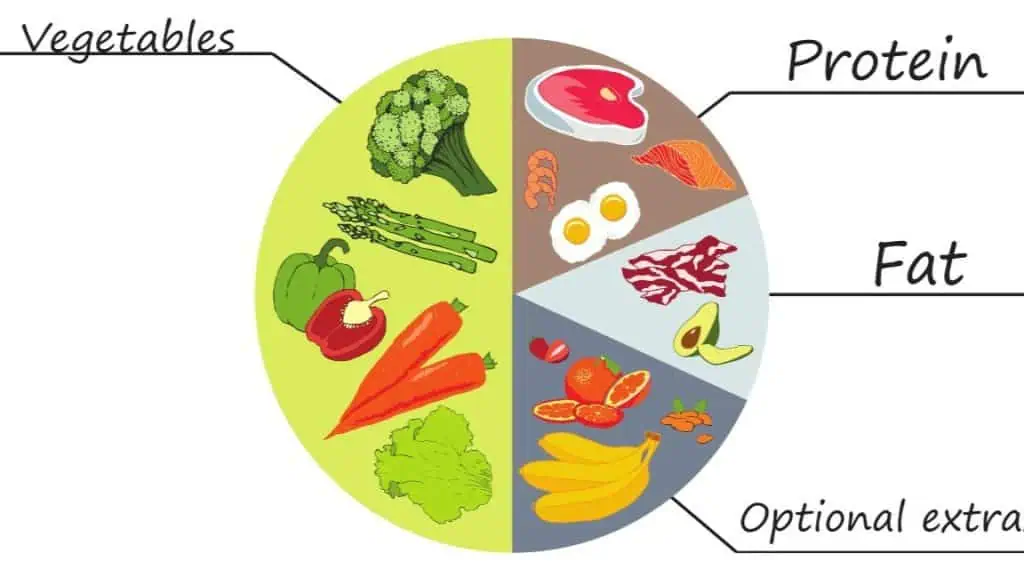
Balancing portion sizes helps manage calorie intake without feeling deprived. Employ smaller plates and bowls to naturally regulate servings. Mindful plating, like using halves of plates for vegetables and quarters for proteins and grains, promotes nutritional balance and prevents overconsumption.
Celebrate Family Mealtime

Shared meals strengthen bonds and encourage healthier eating habits. In many cultures, the tradition of gathering for meals fosters a supportive environment. Involve family members in meal prep to create anticipation and investment in the meal. Enjoying food together not only nurtures connections but encourages diverse tastes and preferences.
Incorporate Fermented Foods

Embrace the benefits of fermented foods, which are widely celebrated for their probiotic properties. Include kimchi, sauerkraut, or miso in your meals to introduce depth and complexity. Fermentation not only enhances flavor but also aids digestion. When making sauerkraut, massage shredded cabbage with salt until it releases juice, then let it ferment at room temperature for a couple of weeks. This process develops tangy flavors and beneficial bacteria. Aim to incorporate these foods regularly, not just for taste, but for a boost to your overall gut health.
Enjoy Seasonal Ingredients

Prioritizing seasonal ingredients can transform meals. They often boast superior taste and nutrients, harvested at their peak. Embrace local farmers’ markets to discover what’s in season. Try roasting winter squash in olive oil and herbs; their natural sweetness intensifies with just enough seasoning. Fresh peas in spring keep their vibrant texture when lightly steamed. Utilize seasonal produce to bring a variety of textures and flavors to your diet, ensuring nutrient density while supporting sustainable farming practices.
Balance with Natural Flavors

Balancing flavors using natural ingredients enhances the enjoyment and nutritional value of each dish. Opt for herbs, citrus, and spices over heavy sauces or dressings. Consider a bright vinaigrette made from lemon juice and zest, olive oil, and fresh thyme to dress salads or roasted vegetables. This approach reduces reliance on sugar and salt, letting the core ingredients shine through. Master the art of seasoning by tasting throughout cooking, adjusting as needed to achieve a harmonious blend of flavors.
Hydrate with Water, Not Sodas

Prioritizing water over sugary sodas is crucial for maintaining health and refreshing hydration. Experiment with infused water by adding slices of cucumber, fresh mint, or berries for a subtle yet invigorating flavor. This can be an appealing alternative to artificially sweetened beverages. Consistent water intake supports optimal bodily functions and cleanses the palate between meals. Make it a habit to carry a reusable water bottle to stay hydrated throughout the day, reinforcing this foundational approach to a balanced diet.
Snack on Nuts, Seeds, and Fruit

For snacking, nuts, seeds, and fruit offer a satisfying, nutrient-rich option. A handful of almonds or sunflower seeds can provide a quick energy boost while supporting heart health. Pairing nuts with fresh fruit, such as an apple or pear, combines fiber and protein, keeping you full longer. Explore making your own trail mix, balancing textures and flavors with dried fruits and a variety of nuts. This approach keeps snacking interesting and aligned with healthy eating practices, offering both convenience and nutrition.
Mindful Eating Practices

Mindful eating is a fundamental practice in various cultures, focusing on presence and appreciation during meals. Begin by formally setting the table, even for solo dining, creating an intentional dining space. Chewing food thoroughly rather than rushing enhances digestion and appreciation of flavors. Pay attention to how texture changes with each bite, transforming your meal into a sensory experience. Disconnect from screens to allow focus on the meal and its aromas. This practice encourages smaller portions and better digestion, fostering a respectful relationship with food.
Regular Fast or Detox Periods

Incorporating fasting or detox periods into regular eating habits can support physical and mental wellbeing. Cultures practicing these routines often report higher vitality levels and improved metabolic functions. Begin by introducing a weekly 12-hour fast, breaking it with hydrating fluids like herbal teas or lemon water to flush out toxins. Gradually increase fasting periods as comfort grows. For detox, focus on nutritionally rich, light foods like steamed vegetables or broths, ensuring the body rests from heavy digestion. Keep hydration central to detox periods for optimal results.
Utilize Herbs and Spices
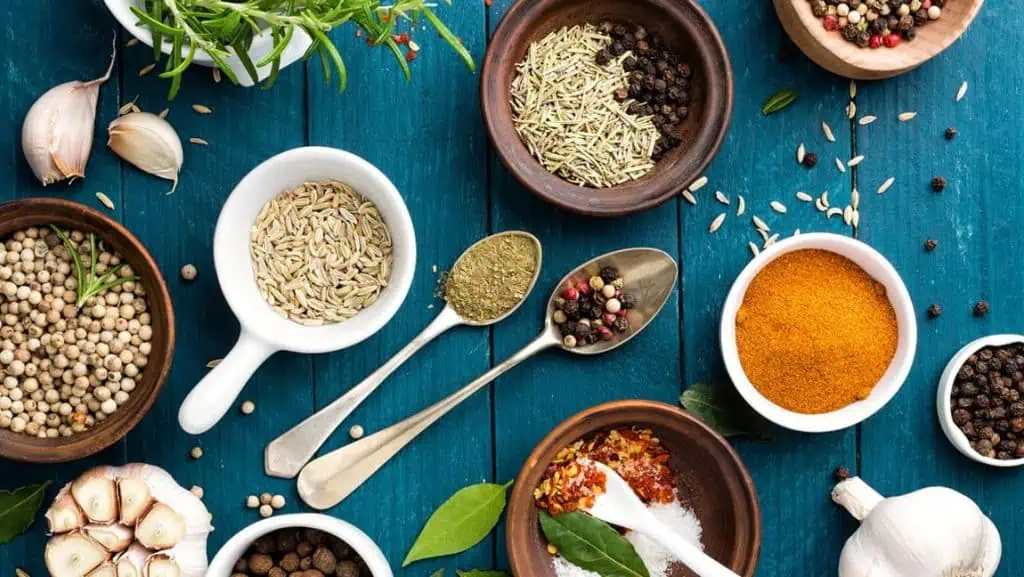
Herbs and spices are central to global cuisines, offering both flavor and health benefits without added calories or sodium. Incorporate fresh herbs like basil, cilantro, and parsley at the end of cooking to preserve their vibrant flavors. Spices such as cumin, turmeric, and ginger can be bloomed in hot oil to release their full aromatic potential. Diversifying your spice rack adds layers of complexity and can transform simple ingredients into extraordinary dishes. This practice also reduces the need for salt or sugar, enhancing nutrition.
Emphasize Local and Fresh Produce

Prioritizing local, fresh produce is a standard practice in many regions, offering peak flavor and nutritional value while supporting local economies. Visit farmers’ markets to explore seasonal offerings, often showcasing produce that’s been harvested at its ripest. Use these ingredients promptly to retain their nutrients and vibrancy. Simplify recipes to let the natural tastes shine, such as lightly sautéing vegetables with olive oil and a pinch of sea salt. This approach not only enhances dietary quality but also reduces environmental impact.
Limit Processed Foods

Limiting processed foods is a primary dietary guideline in many cultures, emphasizing whole foods for their higher nutritional content. Start by selecting whole grains, like brown rice or quinoa, over refined options. When purchasing packaged products, scrutinize labels for added sugars and unhealthy fats. Replace typical snacks with homemade versions using ingredients like nuts, oats, and dried fruits. By focusing on minimally processed foods, the diet naturally becomes richer in essential nutrients, supporting overall health and energy levels.
Practice Food Gratitude

Expressing gratitude for food is a central practice in many cultures. This simple yet profound act involves pausing before meals to appreciate the effort involved in growing, preparing, and serving your food. It encourages mindfulness and a deeper connection to what you consume. Try developing a brief mental ritual or even a shared moment of reflection before eating. This could enhance your enjoyment and lead to more conscious eating habits, fostering appreciation not just for the food but also for the culture and labor that sustain you.
