
10 Alcohol Brands You’ve Probably Never Heard Of That Are Huge in Other Countries
Alcohol brands don’t need global fame to be massively successful. In many countries, the most dominant brands thrive because they are deeply woven into daily life, tradition, and national identity. These drinks are consumed at family meals, festivals, and everyday gatherings, not as novelty imports but as cultural defaults. While Americans may rarely see these labels, they command enormous loyalty at home. Their stories reveal how regional taste, habit, and symbolism can matter more than international expansion.
Tsingtao
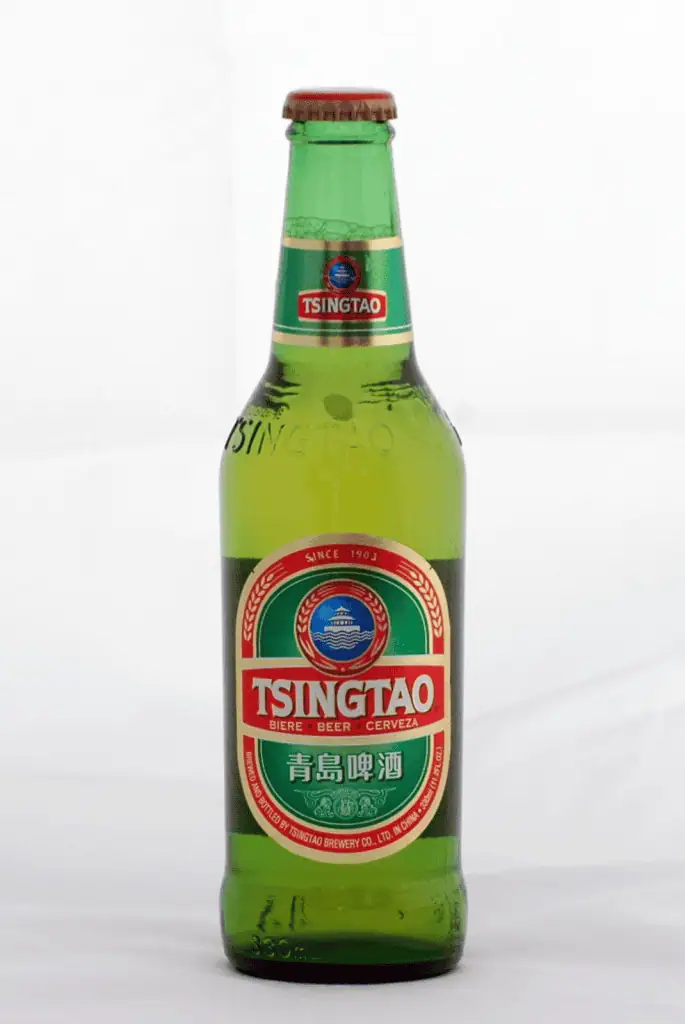
Tsingtao is one of China’s most widely consumed beers, present at everything from casual dinners to major celebrations. Its flavor is intentionally approachable, making it suitable for frequent drinking rather than special occasions. In China, it’s treated as a reliable everyday beer rather than an export novelty. Its dominance comes from scale, familiarity, and national recognition, showing how a brand can thrive by serving its home market exceptionally well.
Soju Chamisul

Chamisul dominates South Korea’s alcohol market because it fits seamlessly into social life. Soju is consumed communally, often alongside meals, and Chamisul’s clean taste makes it easy to drink repeatedly. Unlike Western spirits, it’s affordable and normalized for regular use. Its success reflects how alcohol culture shapes consumption patterns, where frequency and social ritual matter more than premium branding.
Sagres
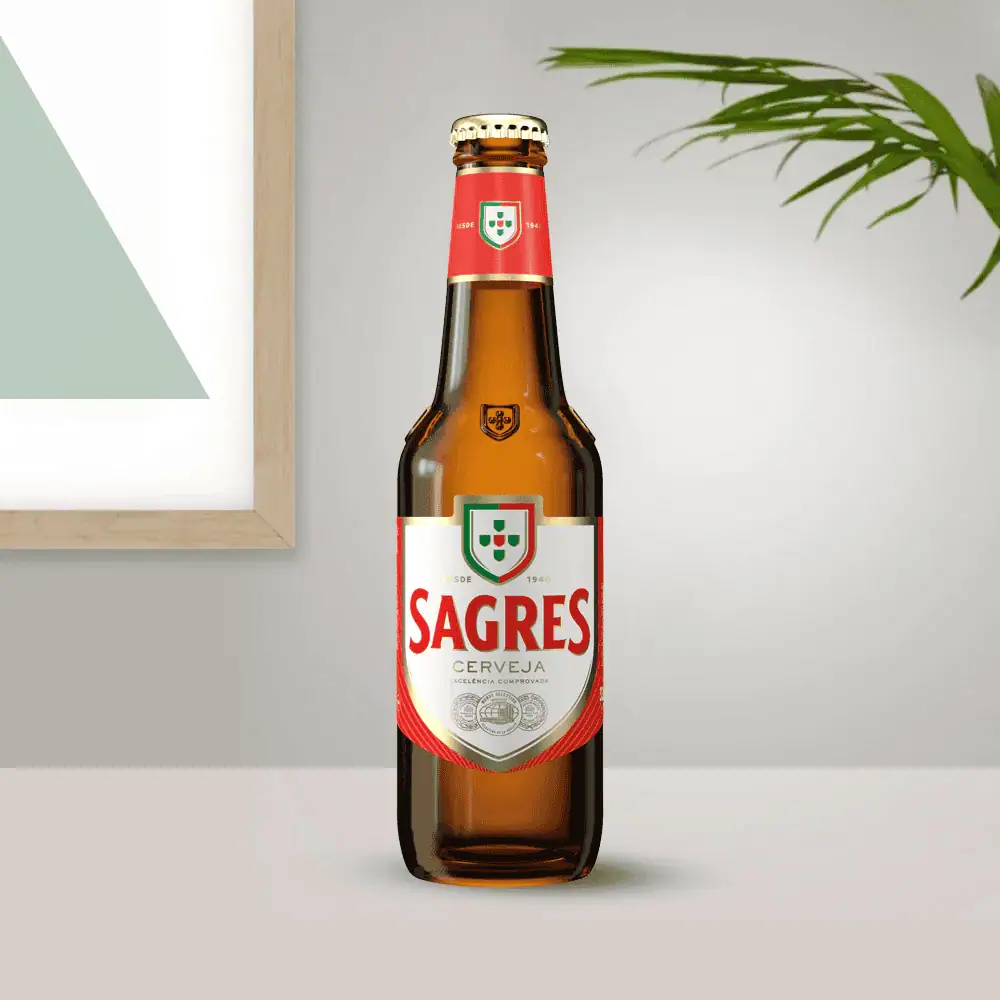
Sagres holds a powerful position in Portugal as an everyday beer tied to meals, football, and social gatherings. Its light profile suits long conversations and warm weather. While rarely exported, it doesn’t need international visibility to remain dominant. Sagres thrives because it mirrors Portuguese lifestyle, proving that cultural fit can outweigh global ambition in alcohol branding.
Kozel
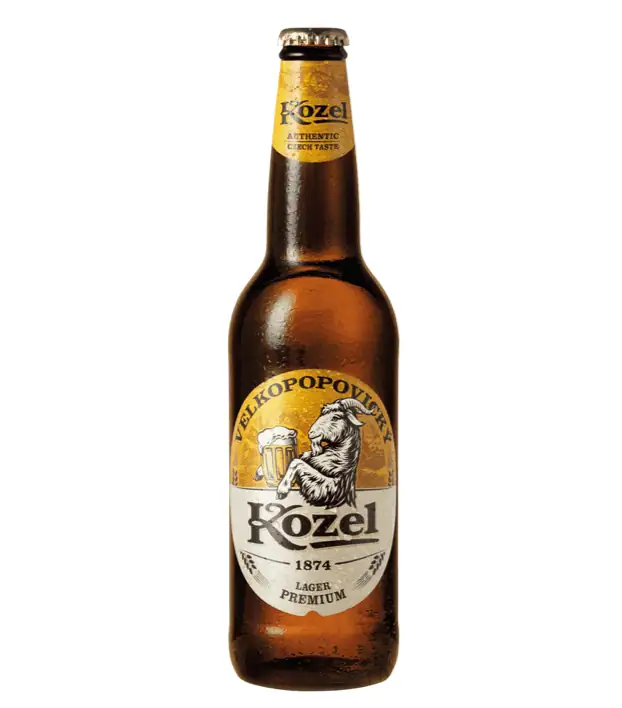
Kozel is deeply rooted in Czech beer culture, where beer is part of daily life rather than a special indulgence. Known for affordability and consistency, it’s trusted rather than hyped. In a country with one of the world’s strongest beer traditions, Kozel succeeds by being dependable. Its popularity highlights how tradition-driven markets reward reliability over innovation.
Amarula

Amarula is iconic in South Africa, often associated with celebrations and hospitality. Made with marula fruit, it reflects regional identity and storytelling. While internationally available, its strongest loyalty remains local. Amarula’s success shows how emotional connection and local ingredients can anchor a brand deeply within national culture without needing mass global penetration.
Moutai

Moutai is one of China’s most prestigious spirits, often used in formal events and high-status gifting. Its value is tied more to symbolism than accessibility. While its flavor may challenge Western palates, its cultural importance drives demand. Moutai demonstrates how tradition, history, and status can elevate a brand far beyond international familiarity.
Victoria Bitter

Victoria Bitter is synonymous with Australian working-class identity. It’s not positioned as refined or trendy, but as honest and familiar. Its strength lies in authenticity rather than export appeal. VB’s dominance proves that brands reflecting national character can maintain loyalty for generations without chasing international recognition.
Cachaça 51
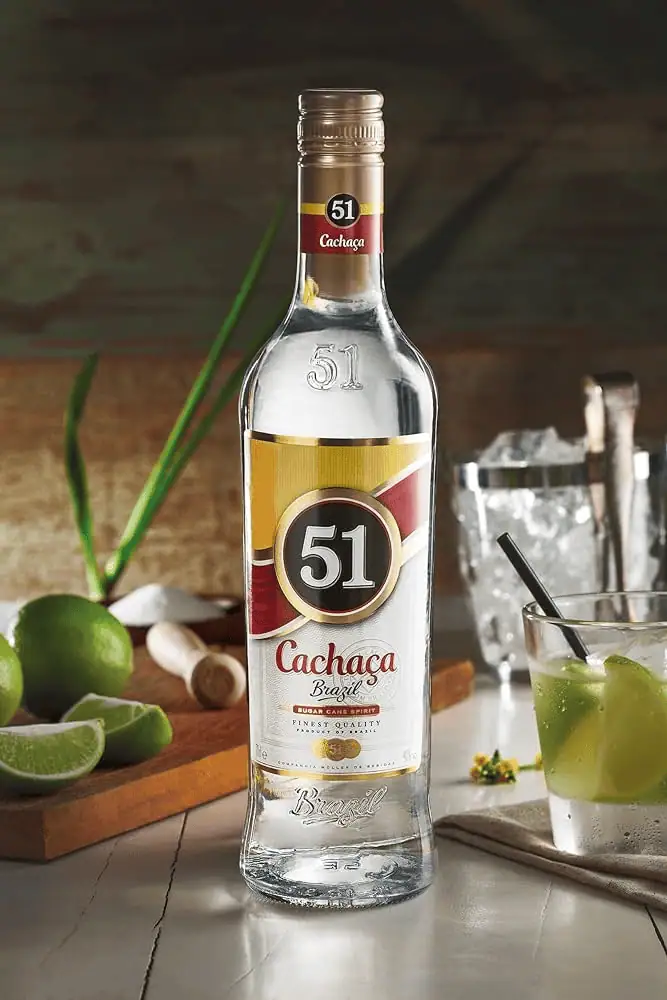
Cachaça 51 is one of Brazil’s most consumed spirits, especially tied to caipirinhas and casual social drinking. It’s affordable and widely available, making it a household staple. Outside Brazil, it remains niche, but domestically it defines the category. Its success highlights how national cocktails can sustain massive brands independently of global trends.
Star Lager

Star Lager plays a major role in Nigeria’s social culture, linking beer with music, sports, and celebration. It’s marketed as a symbol of national pride rather than just a beverage. Despite limited international presence, its influence at home is immense. Star Lager shows how deep cultural integration can create dominance without export dependence.
Sapporo Classic
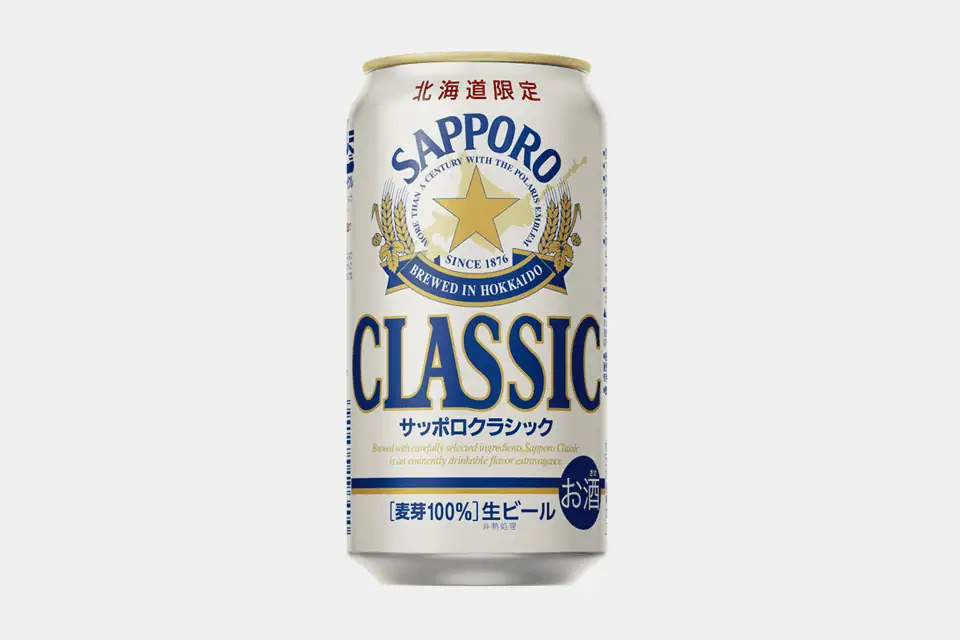
Sapporo Classic holds special significance in northern Japan, where regional loyalty remains strong. Unlike globally exported Sapporo beers, Classic stays largely domestic, reinforcing local identity. Its success shows how parallel brands can coexist, one global and one local. Regional pride, nostalgia, and taste memory sustain its popularity without outside recognition.
