
Your Liver Handles Your Morning Coffee Differently Than You Might Expect and Here Is Why
That morning cup of coffee does far more than wake you up. Behind the aroma and the ritual, coffee carries a complex mix of compounds that interact with your body in ways researchers are still uncovering. One of the most fascinating areas of study is the liver, an organ that works silently to filter toxins and process nutrients. It turns out that regular coffee consumption may offer real protection for this hardworking organ.
The science is compelling. Studies link moderate coffee intake to lower risks of cirrhosis, fatty liver disease, and even liver cancer. The bioactive compounds in coffee appear to reduce inflammation and slow the scarring that damages liver tissue over time. But not all coffee is equal, and not everyone should drink it the same way. Brewing method, caffeine sensitivity, and individual health conditions all play a role. Let’s explore what the research says and how to make your daily brew work in your favor.
Liver Benefits of Daily Coffee
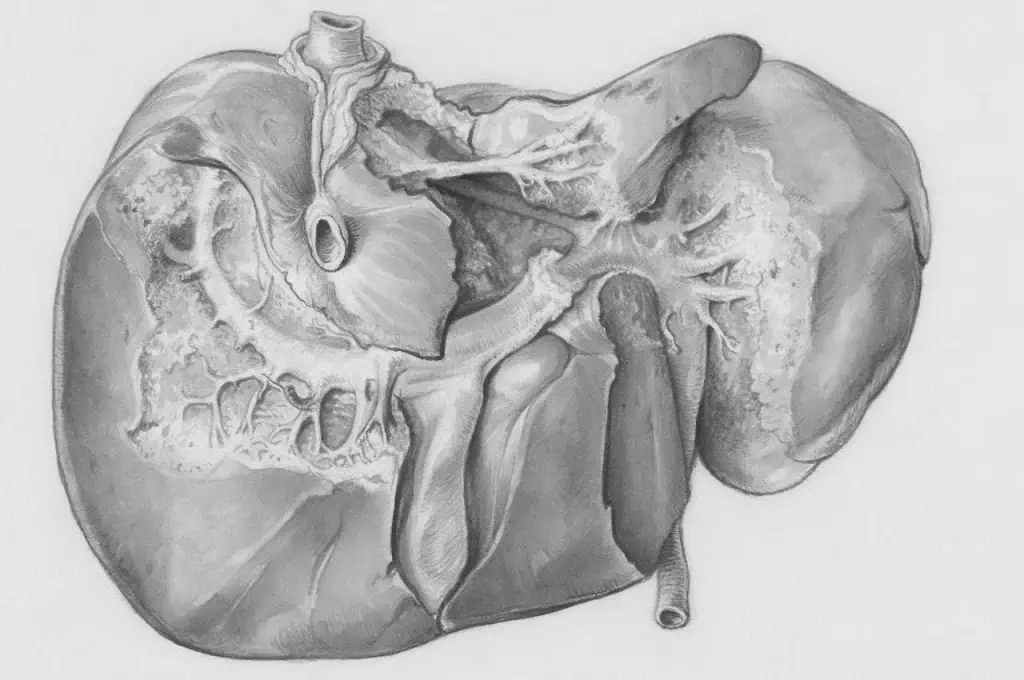
Research consistently shows that regular coffee drinkers enjoy notable liver health perks. A review in the Journal of Clinical Gastroenterology found that consuming two to three cups daily is linked to reduced risks of fibrosis, cirrhosis, and liver cancer. Coffee’s bioactive compounds, like chlorogenic acids and caffeine, help lower liver enzymes and curb inflammation. These effects suggest that daily coffee may act as a protective ally for long-term liver function.
Coffee and Fatty Liver Disease

Non-alcoholic fatty liver disease (NAFLD) is rising worldwide, but coffee may offer protection. Studies in Hepatology suggest that drinking three or more cups daily is linked to lower liver fat and reduced inflammation. The antioxidants and caffeine in coffee support liver enzyme regulation and protect cells from oxidative stress. While lifestyle changes remain key, coffee is emerging as a simple, science-backed habit to help manage or lower NAFLD risk.
Cirrhosis: Coffee’s Role

Coffee has been shown to protect against cirrhosis, especially in those at risk from alcohol use or fatty liver disease. A review in Alimentary Pharmacology & Therapeutics reported that drinking four cups daily cut the risk of cirrhosis by nearly 65%. The compounds in coffee may reduce liver scarring and inflammation, slowing disease progression. While not a substitute for medical care, regular coffee consumption can be a valuable ally in liver health.
Coffee and Liver Cancer Risk

Research strongly links coffee consumption with a lower risk of liver cancer. A meta-analysis in BMJ found that drinking two cups per day was associated with a 35% reduced risk of hepatocellular carcinoma, the most common type. The protective effect is thought to come from antioxidants and anti-inflammatory compounds that limit liver cell damage. While not a cure-all, moderate coffee intake may act as a simple, everyday shield for long-term liver health.
Choosing Your Perfect Coffee

Finding the right coffee for liver health depends on balance and personal needs. Studies show that 3–4 cups daily may reduce liver disease risk, but caffeine sensitivity, sleep issues, or anxiety can limit tolerance. Decaf still offers antioxidants without the stimulant load, making it a safer choice for some. Opting for organic beans reduces pesticide exposure, while lighter roasts preserve more antioxidants. The key is tailoring coffee habits to both taste and health.
How Brewing Affects Benefits

The way coffee is brewed can influence its impact on liver health. Research published in the European Journal of Preventive Cardiology found that filtered coffee lowers risks of cardiovascular and liver disease, while unfiltered methods like French press or espresso retain cafestol, a compound that raises cholesterol. Cold brew tends to be less acidic but has similar antioxidant levels. Choosing filtered methods may maximize liver benefits while reducing potential downsides.
Is Coffee Safe for Everyone?

Coffee is linked to liver protection, studies in BMC Public Health and the Journal of Hepatology show it lowers enzyme levels and reduces risks of cirrhosis and liver cancer. Still, it isn’t universally safe. Pregnant women are advised by the WHO to limit intake to under 200 mg of caffeine daily, and those with anxiety, heart rhythm problems, or reflux may experience worsened symptoms. While moderate coffee offers benefits, sensitivity and health conditions make caution essential.
