
10 Everyday Foods That Go Bad Faster Than You Think
We’ve all done it. Bought a beautiful bunch of avocados, waited for them to ripen, and then blinked, and they’re brown and mushy. Or opened the fridge to find berries covered in fuzzy mold and lettuce that’s turned into sad, wilted leaves. It’s frustrating, expensive, and honestly? A little wasteful. But here’s the thing: most food doesn’t spoil overnight. It’s just that we don’t always know how to store it properly. Avocados ripen fast, bananas release ethylene gas that speeds up ripening, tomatoes lose flavor in the fridge, and mushrooms get slimy when washed too soon. The good news is that a few simple storage tricks can extend the life of your groceries and save you money.
So if you’re tired of throwing away food (and money), you’re in the right place. In this article, we’re breaking down 10 common foods that spoil quickly—from avocados and bananas to lettuce, tomatoes, berries, mushrooms, bread, milk, eggs, and even cooked rice. You’ll learn simple tips like how to slow down avocado ripening, why you shouldn’t wash berries until you’re ready to eat them, and how to revive wilted lettuce with an ice bath. No complicated systems. Just practical advice to help you get the most out of your fresh purchases. Let’s stop wasting food—and start eating smarter.
Avocados: From Firm to Spoiled
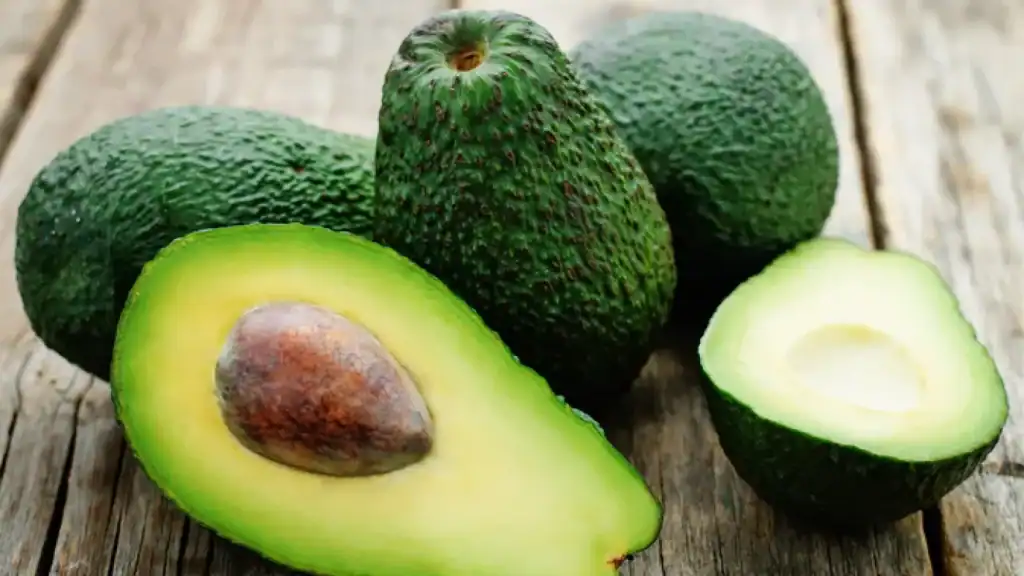
Avocados ripen rapidly once they leave the store, transitioning from hard to overripe in just days. To slow their progression, store them at room temperature until they begin to soften. Once ripening starts, consider refrigerating to halt further softening. Examine daily for a gentle give when pressed—for most recipes, this indicates readiness. If cut, drizzle with lemon juice to prevent browning while storing in the refrigerator, tightly wrapped to limit oxygen exposure.
Bananas: Ripening Race
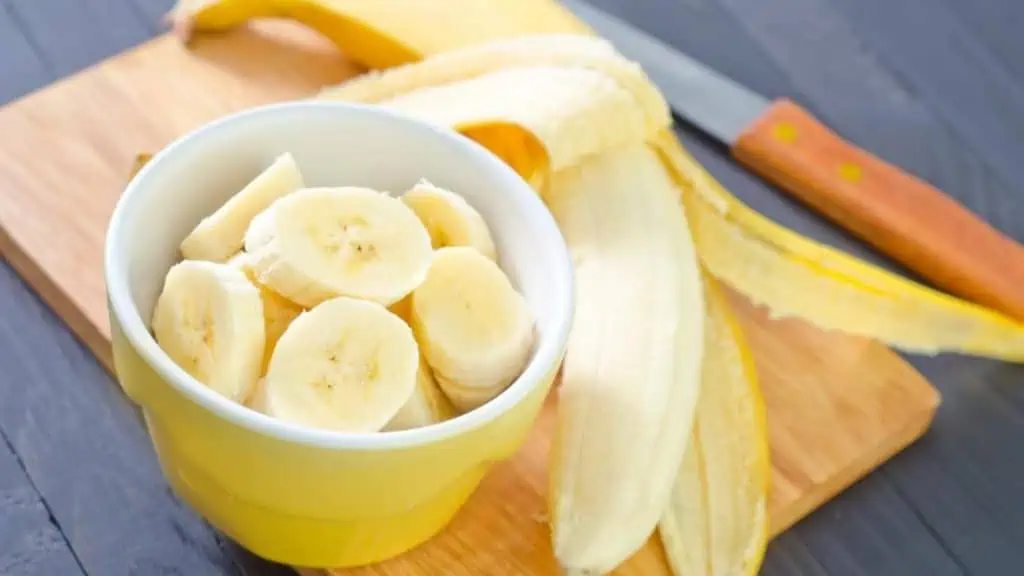
Bananas pass from firm green to overripe brown quicker than anticipated. Ripening emits ethylene gas, a natural process that accelerates spoilage. To extend their usability, keep bananas away from other fruits. Hang them to allow air circulation and slow ripening. Once spotted, refrigerate to prolong life, though expect the peel to darken. Use overripe bananas in baking, where their sweetness and soft texture enhance recipes like banana bread.
Lettuce: Leafy Greens Gone Bad
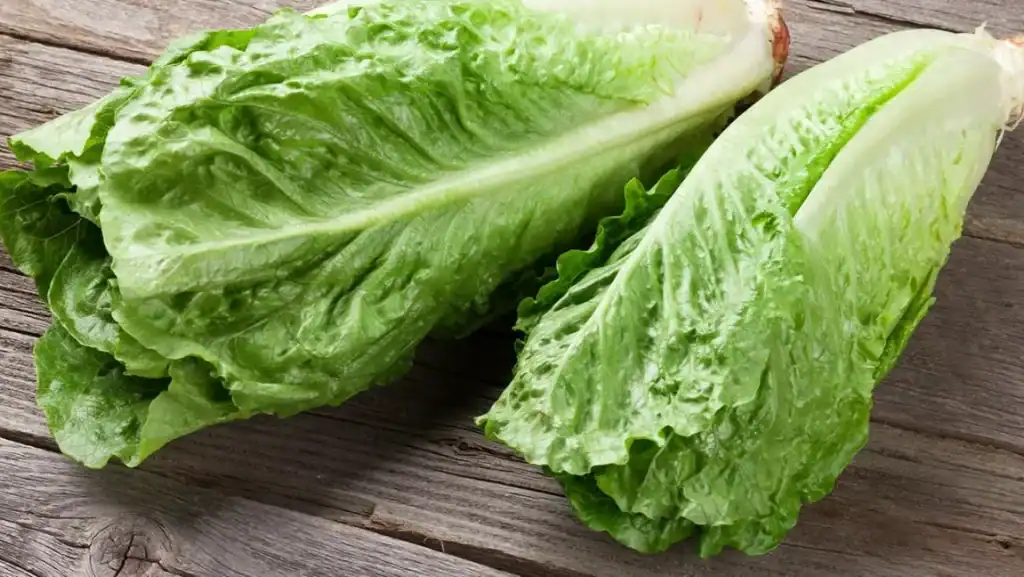
Lettuce, particularly delicate varieties like romaine and butter, wilts swiftly if not stored properly. To maintain crispness, wrap in a dry paper towel to absorb moisture and store in a breathable plastic bag in the crisper drawer. Avoid washing until use, as excess moisture encourages decay. For best use, consume within a week and consider refreshing wilting leaves in an ice bath briefly before serving to revive some crisp texture.
Tomatoes: Juicy Yet Perishable
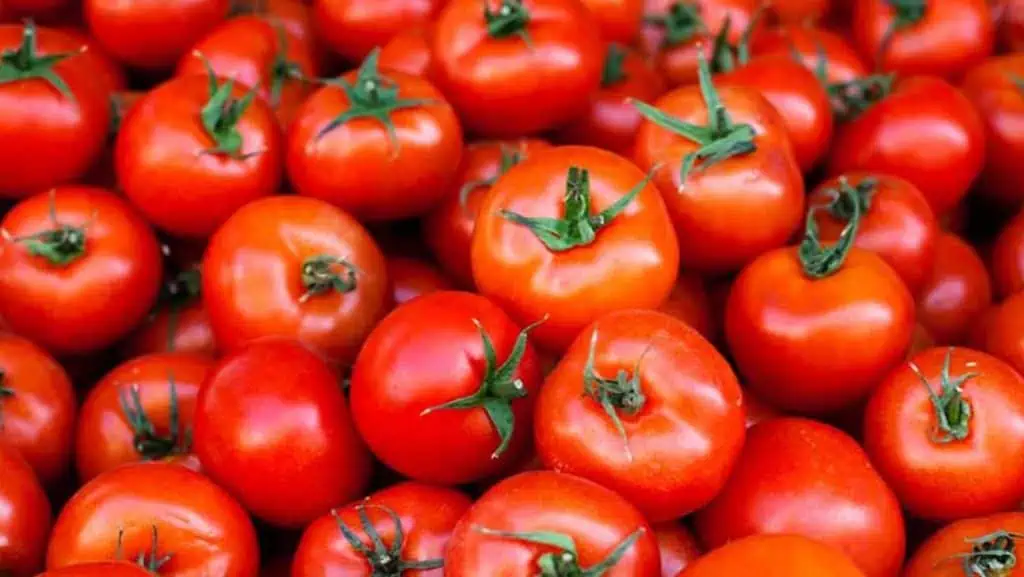
Tomatoes, when left at room temperature, often spoil rapidly, especially once fully ripened. For best results, store on the countertop away from direct sunlight, checking regularly for ripeness. Once ripe, transfer to the fridge to extend shelf life, though expect some textural change. If chilled, allow them to return to room temperature before use to optimize their inherent flavors. Avoid refrigeration for unripe tomatoes, which diminishes ripening potential and flavor development.
Berries: Sweet Spoilage Surprises

Berries are a delightful addition to any meal, but their high water content makes them prone to rapid spoilage. To extend their shelf life, store them unwashed in the refrigerator and rinse just before use. Consider spreading them out on a lined tray to avoid moisture build-up, which encourages mold. Keep them in a breathable container to ensure air circulation. Berries are best consumed within a few days of purchase for optimal taste and texture.
Mushrooms: Fungi Fragility

Mushrooms are sensitive to moisture and air exposure, making them quick to spoil. Store them in their original packaging or a paper bag to prevent them from becoming slimy. Avoid washing until just before use, as excess water can accelerate spoilage. When prepping, trim any darkened edges to maintain freshness. By keeping them dry and cool, you can enjoy mushrooms at their peak for up to a week.
Bread: Stale Before You Know It
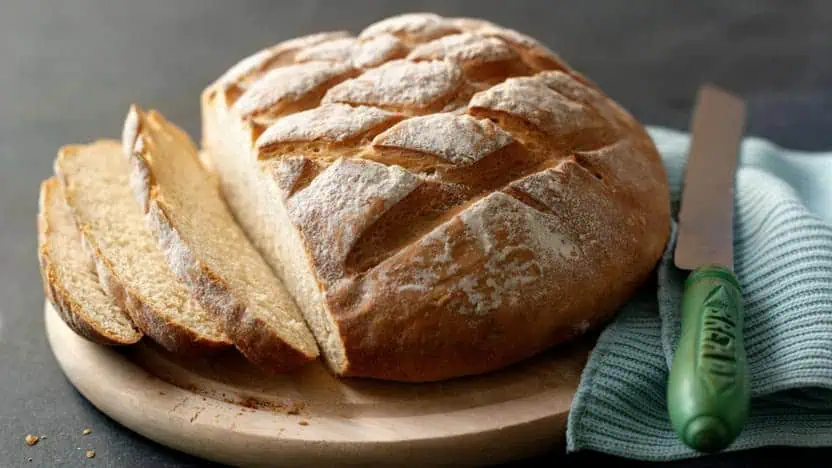
Bread’s freshness rapidly diminishes due to its exposure to air. To delay staleness, store it in a cool, dry place. If intending to keep it longer, freeze it in slices for convenient thawing. Avoid refrigeration, which speeds up staling due to the cold’s effect on starches. For reviving slightly stale bread, a brief bake or toast can enhance its texture. Enjoy freshly baked loaves within a few days for the best taste.
Milk: Sour on the Turn

Milk should be kept at consistent, cold temperatures to prevent souring. Store it at the back of the refrigerator where it’s coldest. Always seal the container tightly after use to minimize exposure to air and bacteria. Watch for subtle changes in smell and taste, as these are early indicators of spoilage. Consuming milk within its ‘best by’ date maximizes freshness and flavor.
Eggs: Cracking Freshness Issues

Eggs may seem long-lasting, yet they aren’t immune to spoilage. Store them in their carton at the back of the fridge to maintain a stable temperature. Check for freshness by placing an egg in water; it should sink and rest horizontally. A slight tilt indicates decreasing freshness, while floating means it’s time for disposal. Consuming eggs within three weeks of purchase ensures optimal quality for cooking.
Cooked Rice: A Quick Spoilage

Cooked rice is a staple in many kitchens but can spoil rapidly if not handled properly. Once cooked, rice should be cooled quickly and stored in the refrigerator within two hours to prevent bacterial growth. Use airtight containers to lock in moisture and keep out contaminants. Consume within three to four days for optimal safety and taste. Reheat thoroughly to steaming hot before serving, as this ensures any residual bacteria are killed. Explore different flavoring options like herbs or a splash of vinegar during reheating to enhance its appeal.
