
12 Former Favorite Foods People Gave Up When Health Trends Went Viral
Health trends don’t just introduce new foods; they often erase old ones. As wellness advice spread faster through social media, headlines, and influencer culture, certain foods were suddenly framed as outdated, irresponsible, or harmful. Many people didn’t stop eating these foods because they disliked them, but because they were told they should. Over time, familiar favorites faded from plates, lunchboxes, and grocery carts, replaced by trend-approved alternatives that promised better health even when the evidence was incomplete or oversimplified.
Margarine

For decades, margarine was promoted as the heart-healthy alternative to butter. Then viral nutrition discourse flipped the narrative. As conversations about trans fats and ultra-processing gained traction, margarine became a symbol of “fake food.” People who grew up spreading it on toast or melting it into vegetables suddenly felt uneasy buying it. Health trends reframed butter as natural and margarine as artificial, pushing many households to abandon it entirely. The shift wasn’t gradual it was reputational. Margarine didn’t just fall out of favor; it became something people felt embarrassed to admit they still used.
White Bread

White bread was once the backbone of sandwiches, toast, and school lunches. When whole-grain messaging went viral, it was rebranded as empty calories. Health trends framed white bread as nutritionally pointless, spiking blood sugar without offering benefits. Many people stopped buying it altogether, even if it was affordable and familiar. The change wasn’t driven by taste, it was driven by guilt. White bread became shorthand for “bad choices,” despite being a cultural staple for generations. Its disappearance from many kitchens reflects how quickly moral language can reshape eating habits.
Flavored Protein Water
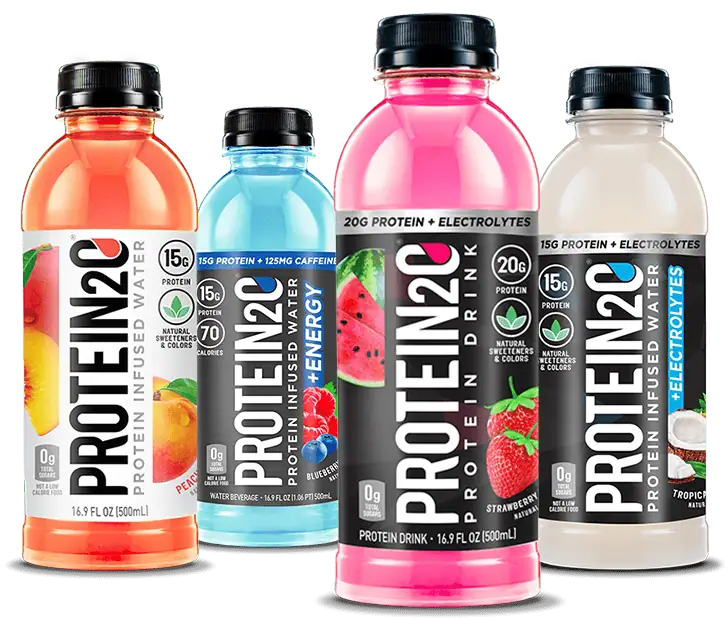
Flavored protein water once sounded like the ultimate efficiency hack: hydration and nutrition in one sip. But for many consumers, the novelty wore off quickly. The drinks often delivered minimal satiety, thin mouthfeel, and noticeable artificial aftertastes from sweeteners meant to keep calories low. By 2026, people have realized this product solves a problem they don’t actually experience. When protein feels disconnected from eating and drinking feels joyless, the habit doesn’t stick, no matter how convenient the label claims it is.
Fruit Juice
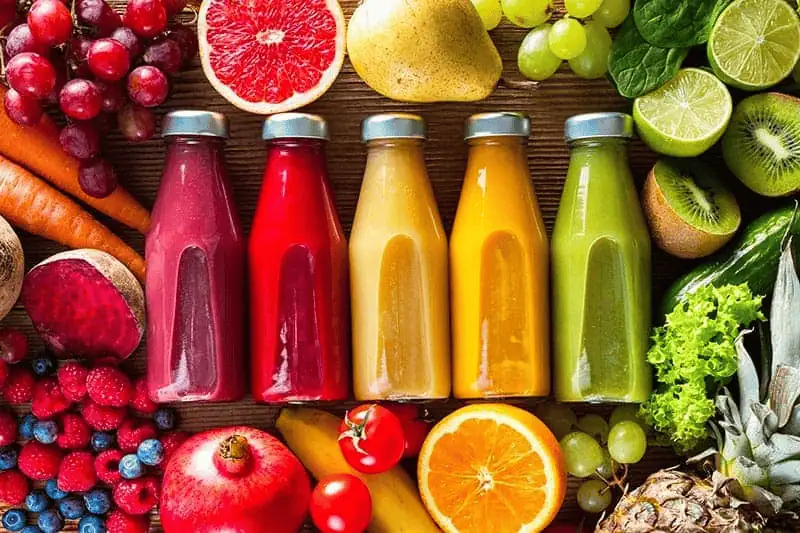
Fruit juice once held a near-halo status, especially for children. When sugar discourse went viral, juice was reframed as “liquid sugar,” lacking fiber. Health trends emphasized whole fruit instead, and juice consumption dropped sharply in many households. Parents who once felt good about pouring juice now hesitated or diluted it. The shift wasn’t subtle. Juice went from health food to occasional treat almost overnight. Even 100% juice struggled to recover its image once social media flattened nuance into simple warnings.
Low-Fat Yogurt
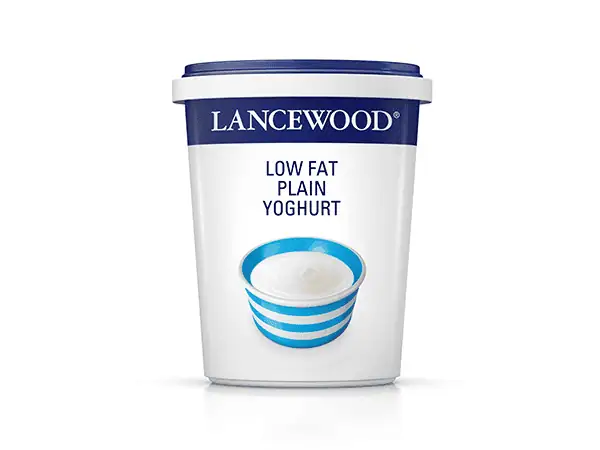
Low-fat yogurt thrived during the fat-phobic diet era. When fat was no longer the enemy, these products lost credibility. Viral nutrition content highlighted how removing fat often meant adding sugar or thickeners. Suddenly, full-fat yogurt was praised while low-fat versions were questioned. Many people stopped buying them not because of taste, but because the health story flipped. What was once considered disciplined eating became framed as outdated diet culture, pushing low-fat yogurt off shopping lists.
Prebiotic and Probiotic Candies

Gut-health candy initially felt playful and modern, offering wellness without sacrifice. Over time, skepticism set in. Consumers began questioning how much probiotic benefit could realistically survive heat, processing, and shelf life. By 2026, many see these products as sweets dressed up in science-forward language. They don’t taste indulgent enough to be candy, and they don’t feel effective enough to be supplements. Without trust or repeat benefit, the category struggles to justify its place in daily routines.
Processed Deli Meats
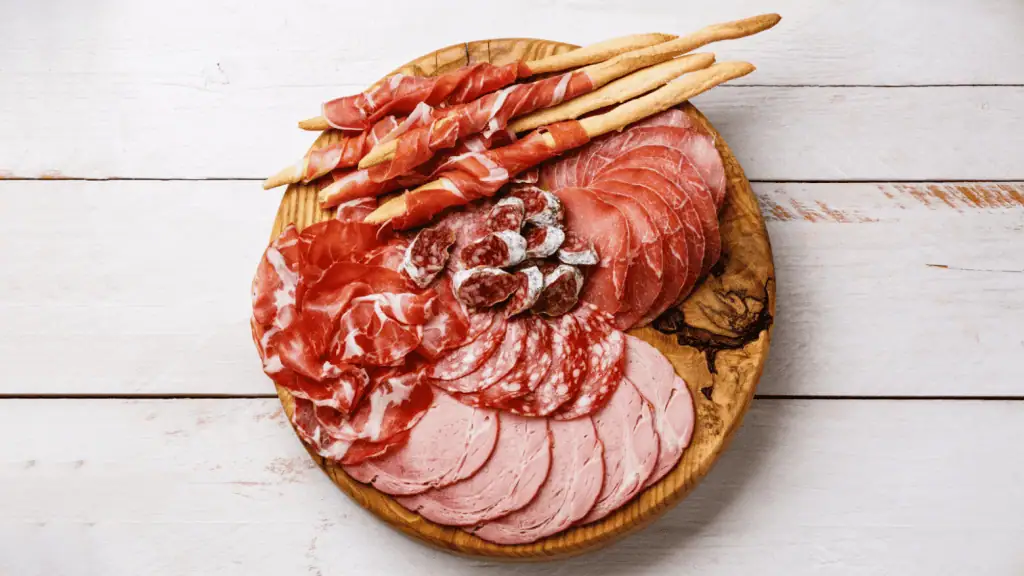
Deli meats were once a lunchbox default. As processed food warnings spread online, they became associated with cancer risk, sodium overload, and preservatives. Viral headlines and documentaries accelerated the shift. Many people stopped buying them altogether, even though they were affordable and practical. The decision often felt precautionary rather than personal. Delicatessens became something people avoided publicly, even if they still missed the convenience.
Superfood Snack Bars
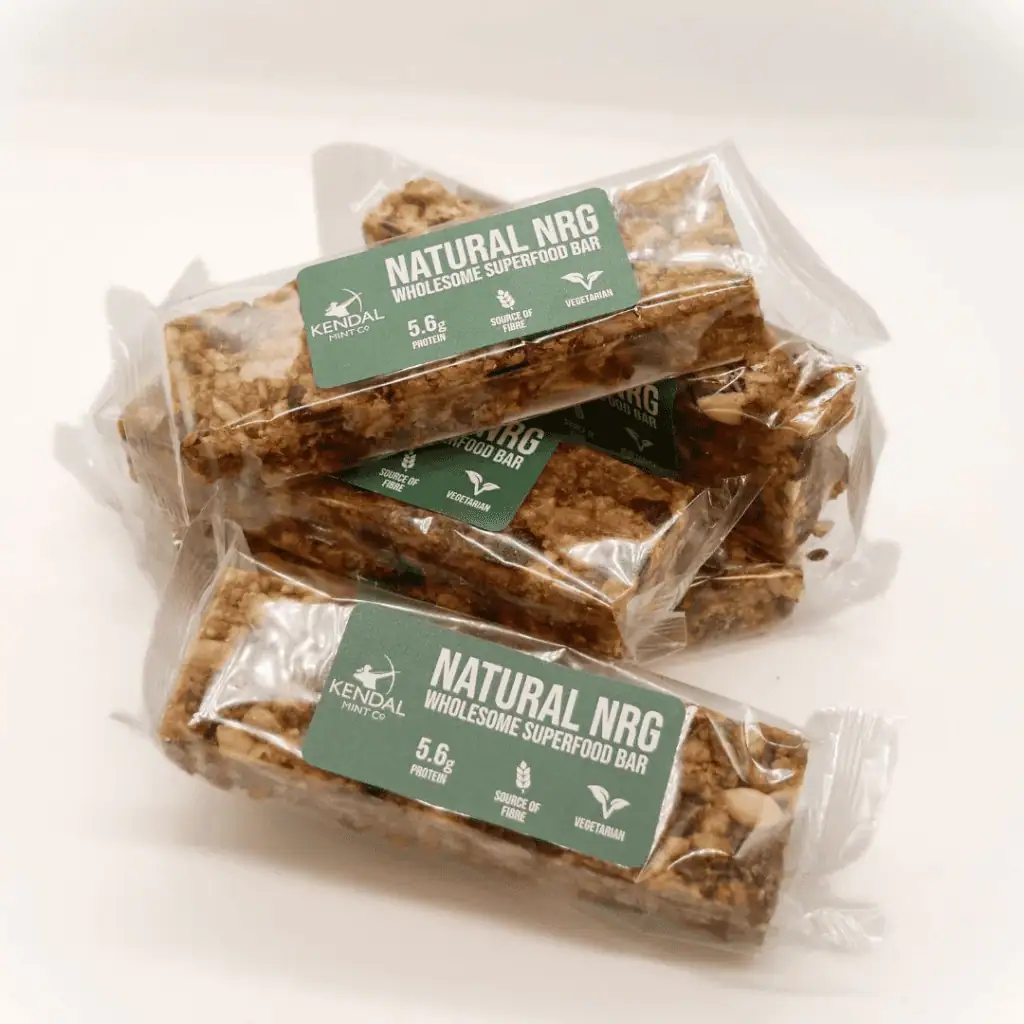
Snack bars overloaded with ingredients like acai, maca, flax, and chia used to signal elite wellness. Now they mostly signal exhaustion. Shoppers grew wary of long ingredient lists that promised health but delivered dense, forgettable flavor. The bars often felt more like obligations than snacks. In 2026, consumers are questioning whether complexity equals value. Many have concluded that simpler bars with fewer claims are more satisfying, while “superfood” branding feels like noise rather than nourishment.
Artificial Sweeteners

Artificial sweeteners rose quickly during low-calorie dieting and then fell just as fast when wellness culture shifted toward “natural” eating. Viral debates around gut health, chemicals, and long-term exposure created discomfort, even without definitive evidence. For many consumers, uncertainty was enough. Diet sodas, sugar-free gums, and light products lost favor as people opted for fewer sweeteners rather than engineered substitutes. The shift wasn’t driven by new science as much as by mood and narrative, prioritizing perceived purity over calorie reduction or moderation.
Cooking With Vegetable Oil

Vegetable oils were once a default cooking fat, used daily without thought. Then, viral nutrition conversations reframed seed oils as inflammatory, processed, or unnatural. Almost overnight, ingredients that had been kitchen staples for decades felt suspect. Many households switched to olive oil, butter, or avocado oil without fully understanding the science behind the claims. The rapid change highlights how fear-based narratives can reshape everyday habits quickly, turning long-standing norms into points of anxiety through repetition rather than clear consensus.
Flavored Instant Oatmeal
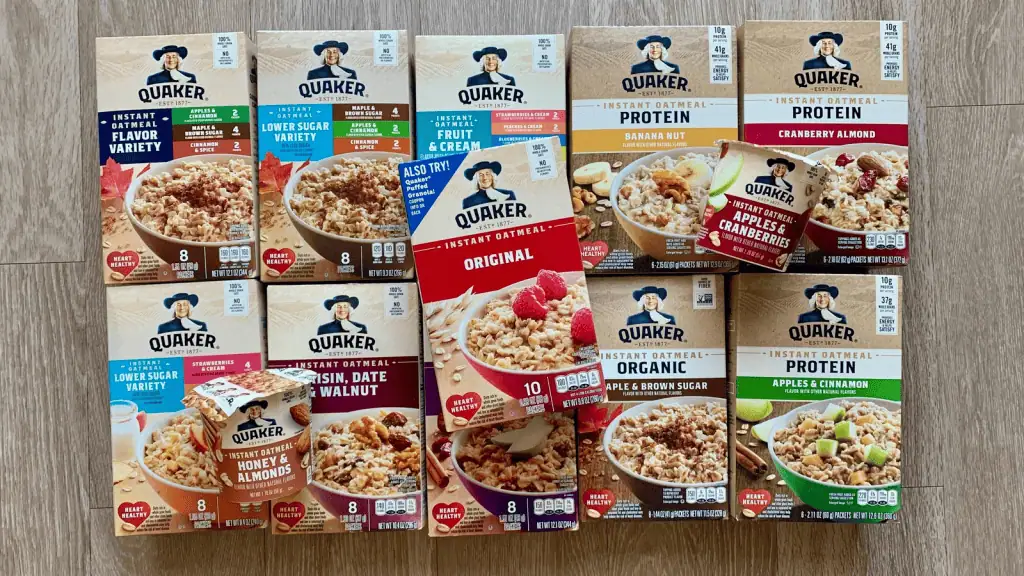
Flavored instant oatmeal was once widely accepted as a healthy shortcut, warm, filling, affordable, and easy to prepare. As awareness around added sugar increased, those same packets began to feel misleading. Viral label comparisons highlighted how much sugar hid behind flavors like maple, apple, or cinnamon, reframing them as closer to dessert than breakfast. Many shoppers responded by switching to plain oats, so they could control themselves. Even when flavored packets remained comforting and inexpensive, trust eroded. Convenience gradually lost out to ingredient scrutiny, and flavored versions were quietly left behind.
Snack Crackers
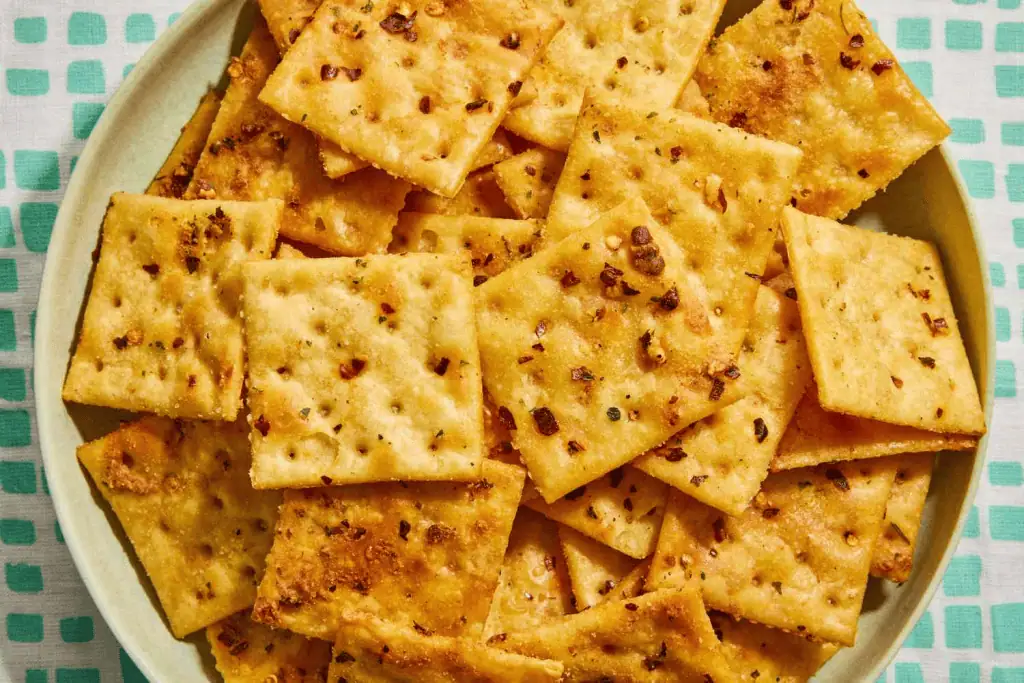
Snack crackers marketed as whole-grain, baked, or better-for-you once occupied a safe middle ground between indulgent chips and “real” food. As nutrition conversations evolved, that distinction blurred. Refined starch, sodium, and minimal fiber became harder to ignore, and crackers started to feel nutritionally empty despite their packaging. Many people didn’t replace them with another snack they simply stopped buying them regularly. The shift reflected a broader move away from packaged snack foods altogether, driven less by strict rules and more by fatigue with foods that promised virtue without delivering substance.
