
My “Skip It” List: 7 Food Trends That Aren’t Worth the Hype
The cycle of food trends has never moved faster than it does in 2026, with social media birthing and killing new “must-haves” every single week. While some innovations actually improve our health or palate, many are just clever marketing wrapped in an Instagram-worthy package.
As we navigate a year focused on “nutritional efficiency,” the gap between a genuine culinary breakthrough and a fleeting gimmick is becoming easier to spot. If you want to save your money and your digestive health, it is time to look critically at what’s currently cluttering your feed. Here are seven food trends that simply aren’t worth the hype right now.
The Overpriced Dubai Chocolate
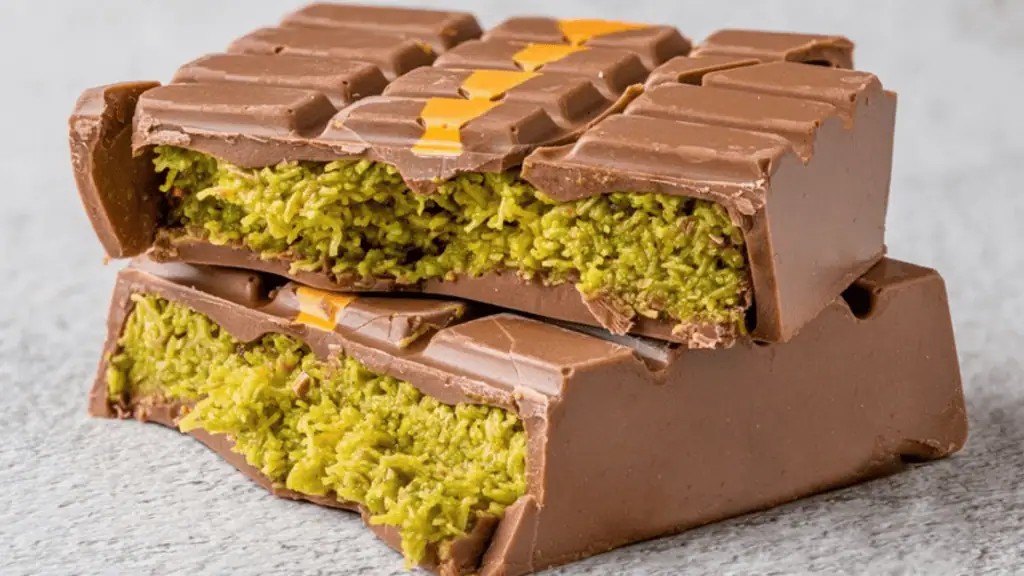
The “Dubai Chocolate” craze bars filled with pistachio cream and crunchy knafeh, is officially at the top of the skip list for 2026. While the texture is interesting for a single bite, the astronomical price tags and overwhelming sweetness make it a poor value for the average consumer.
Most commercial versions rely on heavy fats and artificial flavorings to replicate the “luxury” experience at a fraction of the quality. Many diners are finding that once the novelty of the “crunch” wears off, the flavor is surprisingly one-dimensional. It is a classic example of a trend driven by “aesthetic” rather than actual culinary depth.
Freeze-Dried Everything
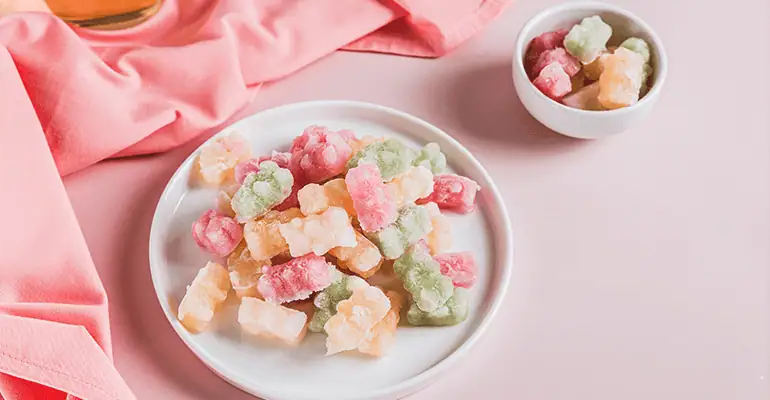
Freeze-dried candy and fruits had their moment in early 2025, but by 2026, the trend has become a saturated mess of airy, sugary void. While the process is great for space travel, it often ruins the soul of the food, turning juicy treats into chalky, styrofoam-like bites.
Reviewers are increasingly reporting that these snacks lose their signature crunch quickly once the bag is opened, leading to significant waste. The high cost per ounce makes it a “stunt snack” rather than a sustainable pantry addition. Unless you are literally heading to Mars, stick to the natural textures of fresh or traditionally dried options.
Synthetic Truffle Everything
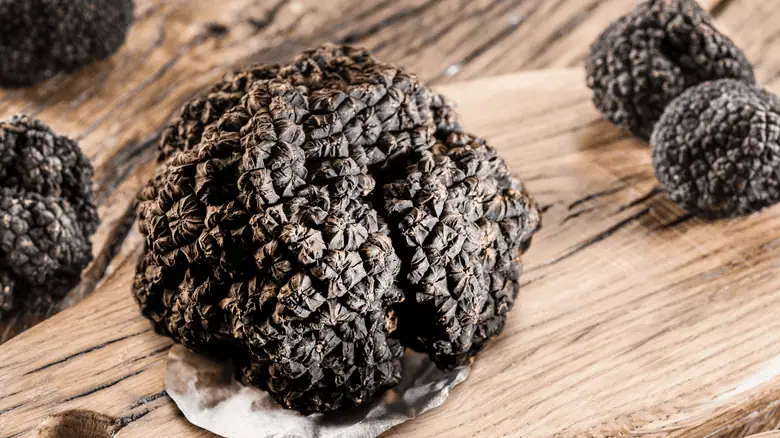
Truffle oil has been a restaurant “cheat code” for years, but in 2026, the deception is finally catching up with the menu. Most “truffle” flavored products contain zero actual truffles, instead relying on 2,4-dithiapentane, a laboratory-derived chemical that mimics the aroma but lacks any nuance.
This synthetic additive tends to mask the flavor of the actual food, making every dish from fries to pizza taste the same. Culinary experts are now urging diners to skip any “truffle” item that costs less than $50, as it is almost certainly a chemical imitation. Save your money for real ingredients that enhance, rather than hide, the meal.
Protein-Packed Everything
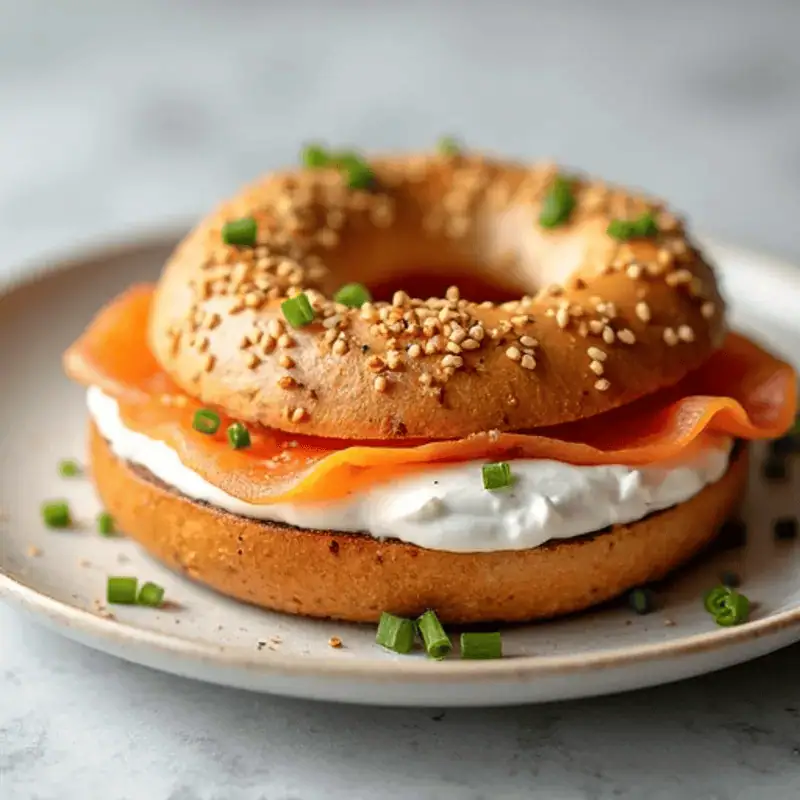
We have reached “protein fatigue” in 2026, with everything from water to cookies being fortified with industrial whey or soy isolates. While protein is essential, the obsession with adding it to snacks has led to products filled with chalky textures and bitter aftertastes.
Many of these “protein-maxxing” foods are ultra-processed and lack the fiber or vitamins found in whole-food protein sources. Consumers are beginning to realize that a standard chicken breast or a bowl of lentils is both cheaper and more satisfying than a “protein brownie.” If a snack needs a massive “30g PROTEIN” label to sell, it’s probably a skip.
The “Dirty Soda” Craze
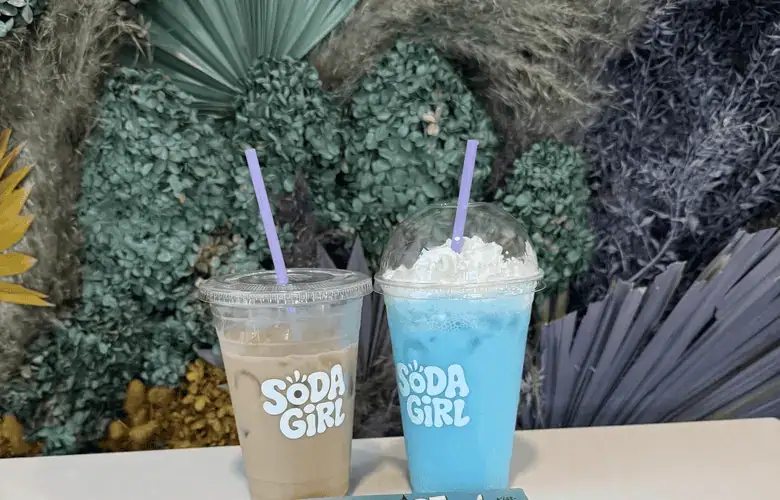
The trend of adding heavy cream, syrups, and coconut to fountain sodas is a sugary nightmare that is losing its appeal among health-conscious Gen Z. While these “mocktails” look great on camera, they are essentially liquid desserts with more sugar than a standard meal.
In 2026, the focus is shifting toward “natural hydration,” making these heavy, syrupy concoctions feel increasingly outdated and sluggish. The sheer amount of artificial coloring and flavoring involved can lead to a massive energy crash shortly after consumption. If you want a fun drink, a simple sparkling water with real fruit juice is a much more sophisticated and healthy choice.
“Functional” Mushroom Coffee
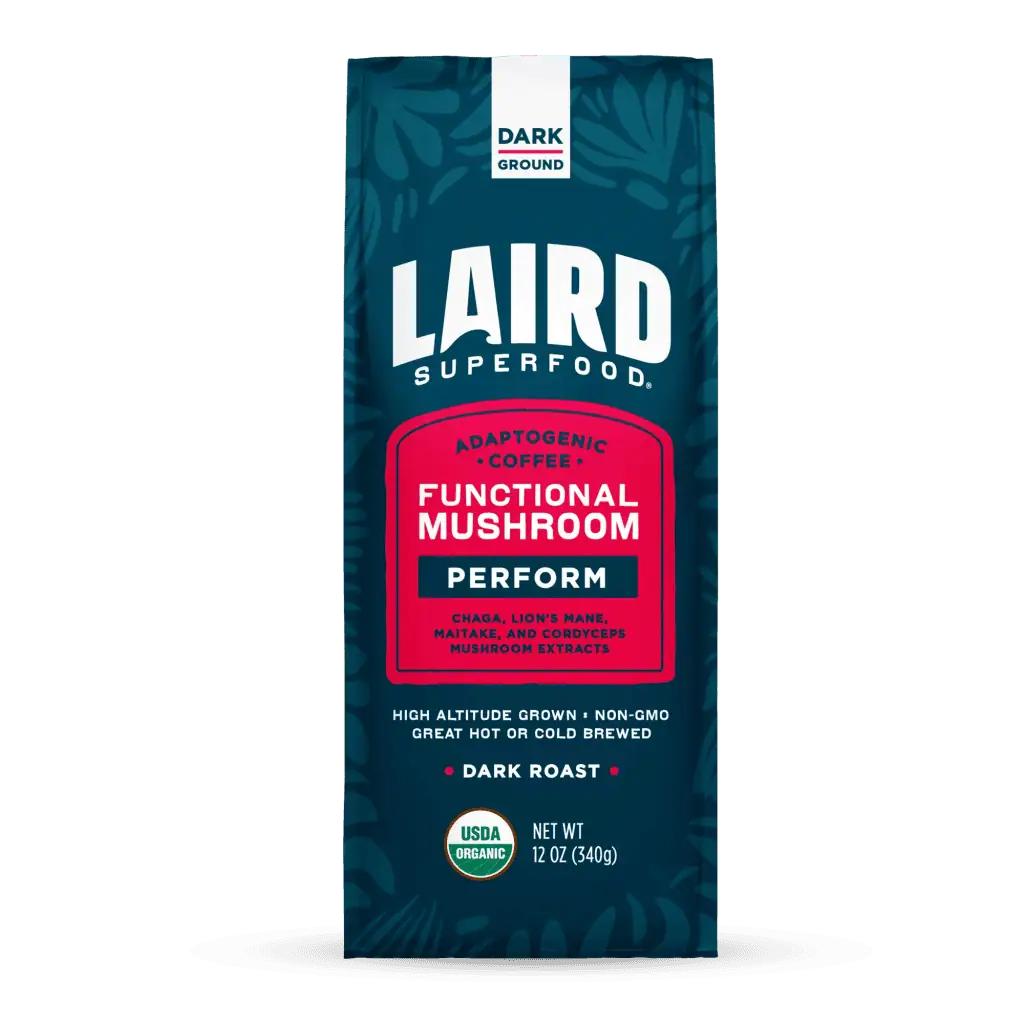
While the idea of adding adaptogens to your morning brew sounds healthy, the 2026 reality is that most “mushroom coffees” are overpriced and under-dosed. Many brands use the language of traditional medicine to sell cheap coffee blends with only trace amounts of actual fungi like Reishi or Lion’s Mane.
Without the correct dosage or extraction method, these additives provide little to no cognitive benefit for the average drinker. You are often paying a 300% premium for a “health” claim that hasn’t been clinically validated in that specific format. It is much better to enjoy your coffee for the beans and take high-quality supplements separately.
Viral “Pastry Hacks”
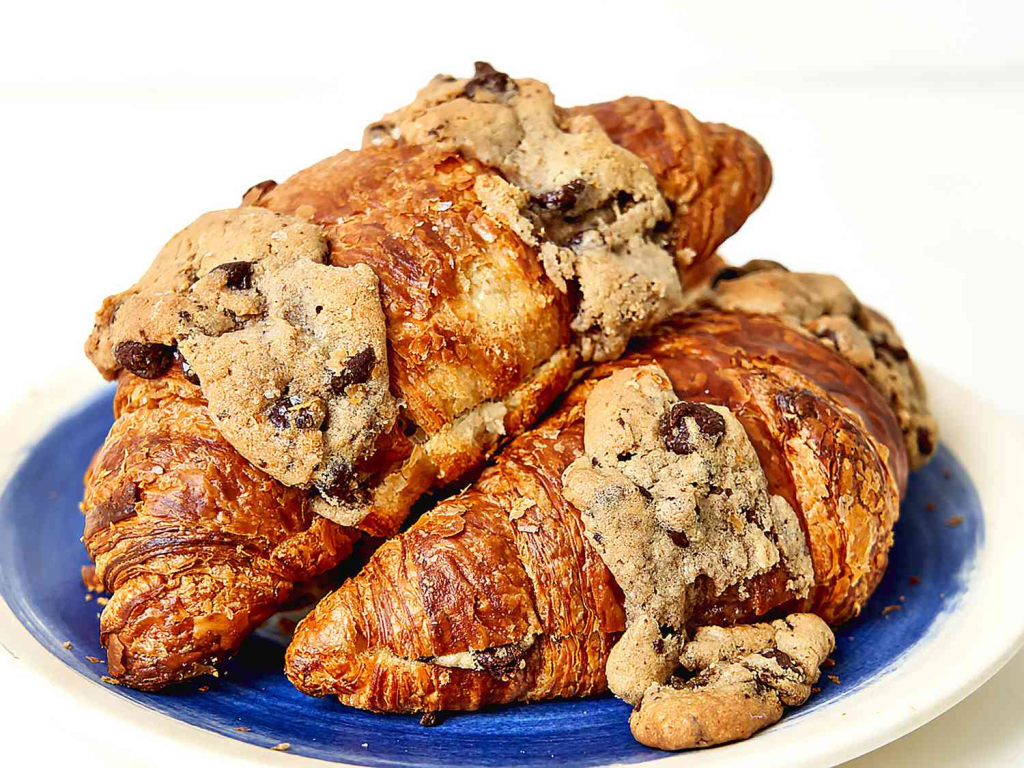
From the “Crookie” (croissant-cookie hybrid) to flat croissants, viral pastry hacks are the definition of “style over substance” in 2026. These creations often prioritize a “cross-section” photo over actual flaky texture or balanced flavor, resulting in heavy, greasy messes.
Bakers are increasingly speaking out against these trends, noting that they often ruin the delicate craftsmanship of a traditional French pastry. Once the “virality” of the hybrid dies down, consumers are usually left with an overpriced, overly sweet dough ball. For a truly satisfying treat, a classic, well-made butter croissant will beat a gimmicky hybrid every single time.
