
11 Iconic Movie Scenes That Changed the Way We Look at Food
Food has always been more than something to eat it’s a symbol of connection, culture, and emotion. In film, it often becomes a character in its own right. From scenes that make us laugh to ones that make us hungry, movies have long used food to reveal human nature, tension, and joy. These 11 iconic moments show how a simple meal can change a story’s mood, deepen relationships, or even define entire generations of moviegoers.
The Spaghetti Kiss : Lady and the Tramp (1955)
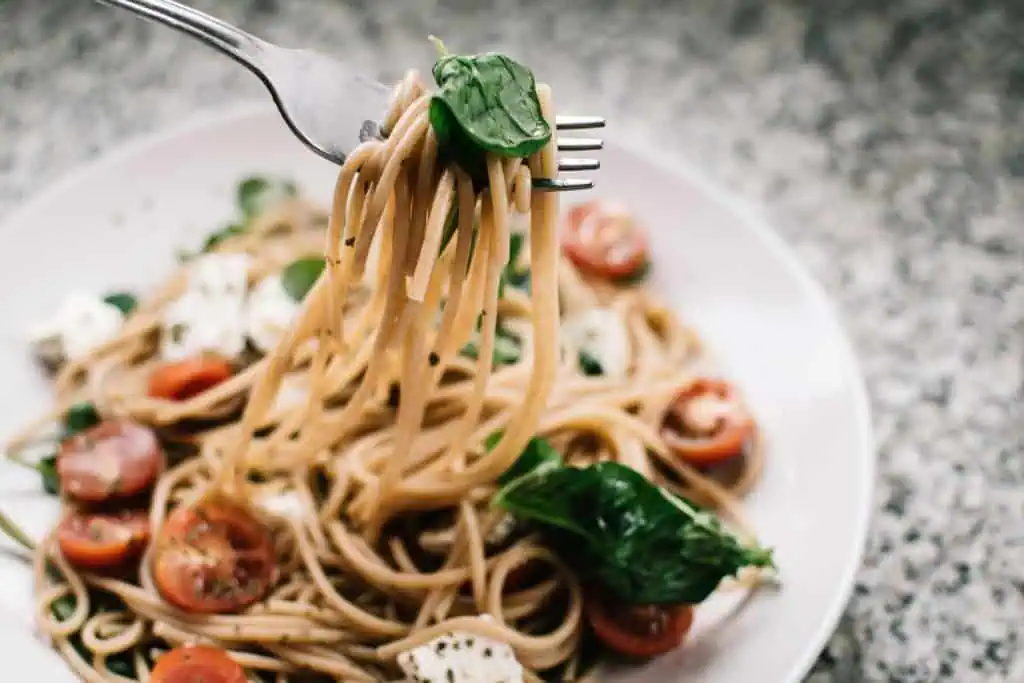
No food scene is more romantic than the spaghetti dinner shared by Lady and Tramp under the stars. As they unknowingly slurp the same noodle, Disney created one of the most enduring images of love on screen. The soft lighting, gentle music, and shared plate turned pasta into a symbol of connection, inspiring countless parodies and real-life recreations for decades.
The Royale with Cheese : Pulp Fiction (1994)

Quentin Tarantino’s cult classic made a simple fast-food burger scene unforgettable. When Vincent Vega explains to Jules that in Europe a Quarter Pounder is called a “Royale with Cheese,” it’s not about the burger it’s about cultural nuance. The witty, casual dialogue shows Tarantino’s genius for turning food into philosophy, making everyday conversation feel cinematic.
The Dinner Table Breakdown : American Beauty (1999)
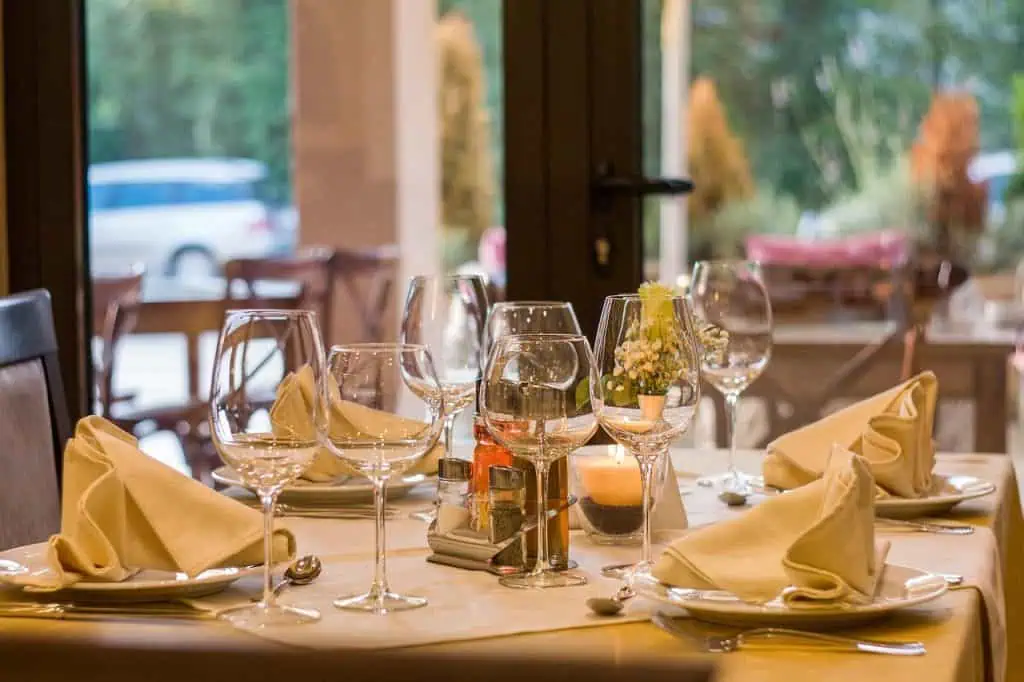
In American Beauty, a family dinner becomes the stage for emotional collapse. Perfectly plated food contrasts sharply with the tension between Lester, Carolyn, and Jane. The sterile, picture-perfect table setting symbolizes a life of appearances, highlighting how food can reveal everything wrong beneath the surface.
The “You Don’t Like Spaghetti?” Scene: Goodfellas (1990)

Few films capture the blend of family, loyalty, and danger like Goodfellas. In one memorable scene, gangsters make spaghetti and meatballs in prison complete with garlic sliced paper-thin. It’s a moment that humanizes mobsters while showing how food and ritual bind them together, even behind bars. It’s gritty, funny, and oddly comforting.
Ratatouille’s Culinary Awakening: Ratatouille (2007)

Pixar’s masterpiece turned cooking into art. When critic Anton Ego tastes Remy’s simple ratatouille, he’s instantly transported back to childhood. That single bite and his teary reaction remind viewers how food evokes memory and emotion. It’s a love letter to creativity, nostalgia, and the transformative power of good food.
The Boeuf Bourguignon: Julie & Julia (2009)
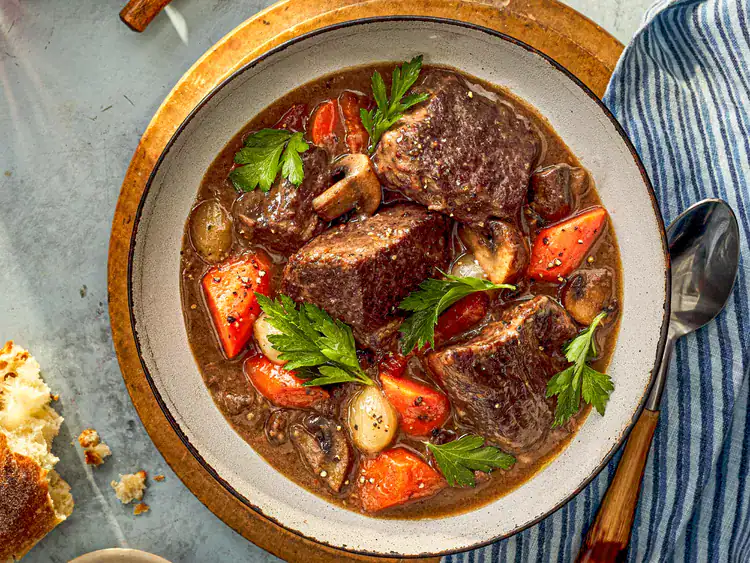
When Julie Powell finally perfects Julia Child’s iconic boeuf bourguignon, she bursts into tears of joy. It’s a scene that celebrates persistence, imperfection, and passion. Meryl Streep’s portrayal of Julia Child and Amy Adams’ performance as Julie remind us that cooking is more than following recipes, it’s an act of love, discovery, and self-expression.
The Prison Lunch: The Shawshank Redemption (1994)

Andy Dufresne’s gesture of sharing beer with his fellow inmates during rooftop work symbolizes freedom and dignity in confinement. Though not a traditional meal scene, it shows how food and drink can restore humanity. The moment glows with hope, proving that simple pleasures can mean everything, even behind bars.
The Pastry Scene: Marie Antoinette (2006)

Sofia Coppola’s pastel-hued world of opulence made desserts the star of the show. Towering cakes, éclairs, and macarons become visual metaphors for indulgence and excess. The film’s famous “Let them eat cake” aesthetic elevated food styling to art, influencing fashion photography and dessert trends long after its release.
The Soup Scene: Tampopo (1985)

This Japanese cult classic centers on the pursuit of the perfect bowl of ramen. In one unforgettable moment, a master instructs his student to “appreciate the pork, caress the noodles, and sip the broth.” The scene is both funny and profound a meditation on respect, patience, and the beauty of everyday rituals.
The Thanksgiving Dinner: Home for the Holidays (1995)
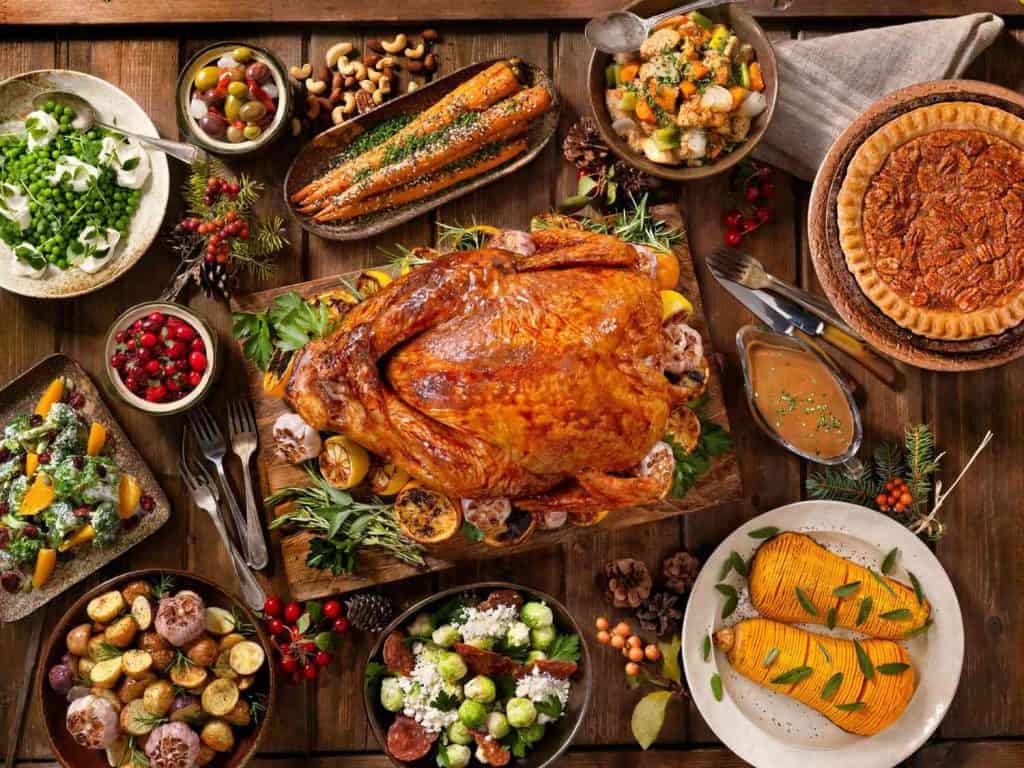
Jodie Foster’s family dramedy captures the chaos and comfort of shared meals. Between laughter, arguments, and spilled gravy, the Thanksgiving dinner table becomes a symbol of family life messy but full of love. It reminds viewers that food brings people together, even when everything else falls apart.
Chocolate Cake: Matilda (1996)
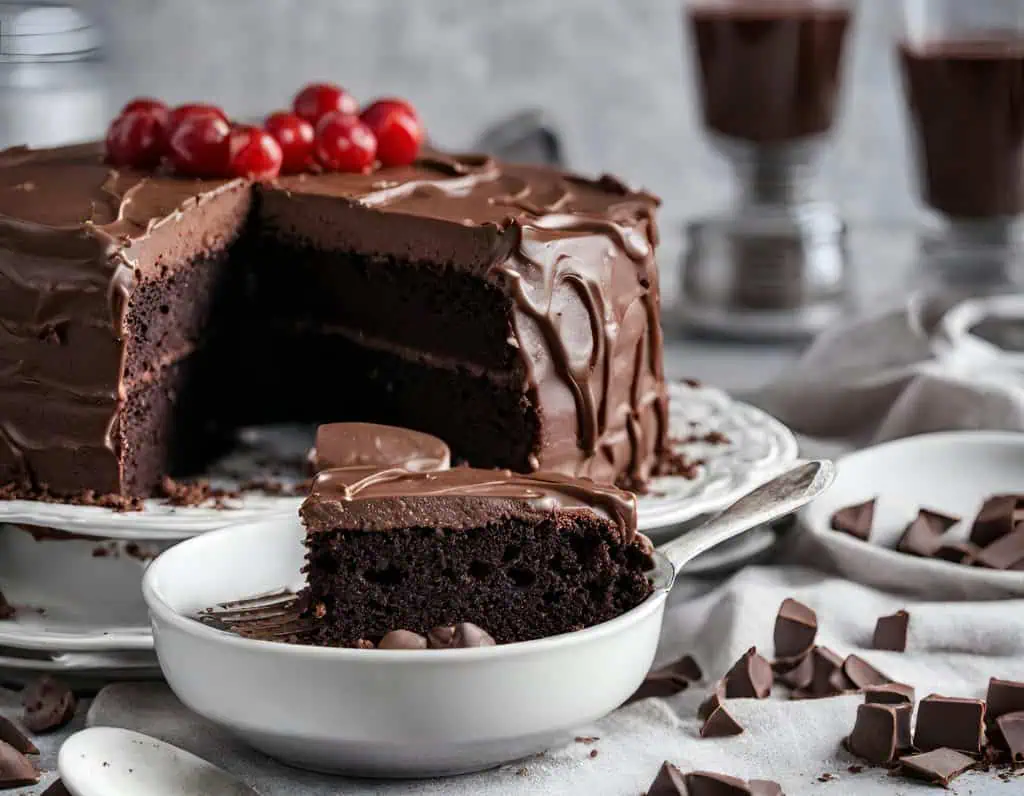
In one of Roald Dahl’s most famous adaptations, Bruce Bogtrotter is forced to eat an enormous chocolate cake as punishment. What begins as humiliation turns into triumph when he finishes it all, earning applause from his classmates. The scene perfectly balances disgust and empowerment, proving that food in film can be both grotesque and glorious.
