
10 Foods that are off the Limits for the Ultra Rich: Private Chefs Reveal
Eating habits among the ultra-wealthy are often less about trends and more about control, consistency, and long-term health. Private chefs who cook daily for high-net-worth clients say many foods commonly marketed as “healthy” never make it into elite kitchens. These clients aren’t chasing labels or shortcuts. Instead, they prioritize digestion, energy stability, and ingredient quality. The foods they avoid reveal a quiet but deliberate approach to eating that favors simplicity over hype and whole foods over convenience.
Plant-Based Meat Alternatives
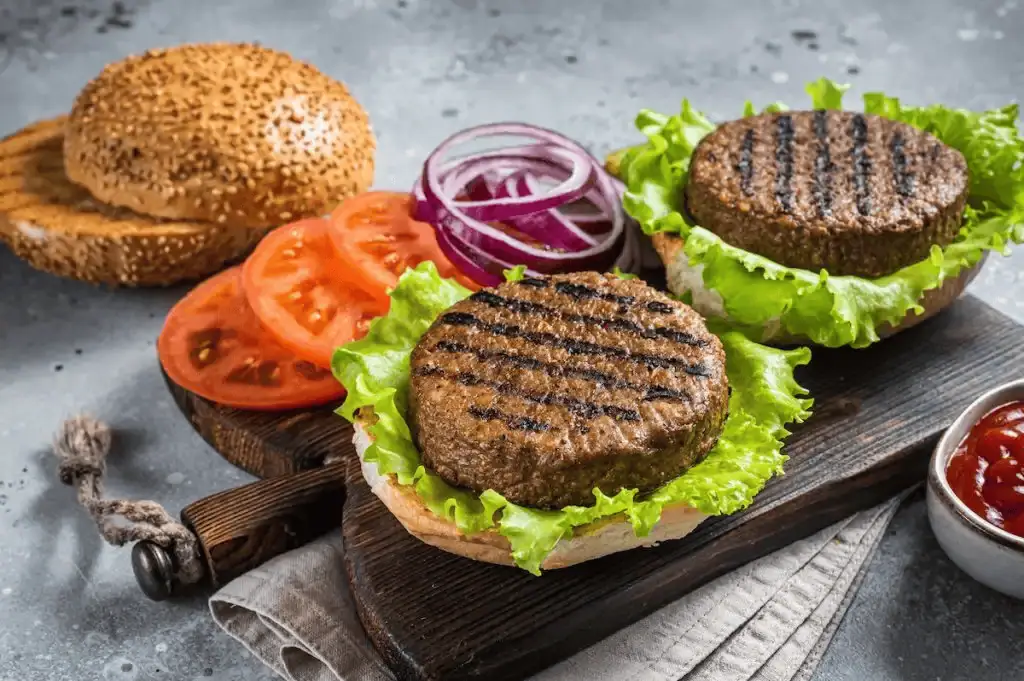
Despite their health-focused branding, plant-based meat substitutes are frequently avoided by wealthy clients. Private chefs say these products are highly processed and often contain long ingredient lists, stabilizers, and industrial oils. Ultra-rich clients prefer recognizable foods with clear sourcing, choosing fresh fish, eggs, or high-quality meats instead. Even clients who eat mostly plant-forward diets tend to skip engineered meat replacements, viewing them as nutritionally unpredictable and unnecessary when whole foods are available.
Protein Bars and Packaged High-Protein Foods
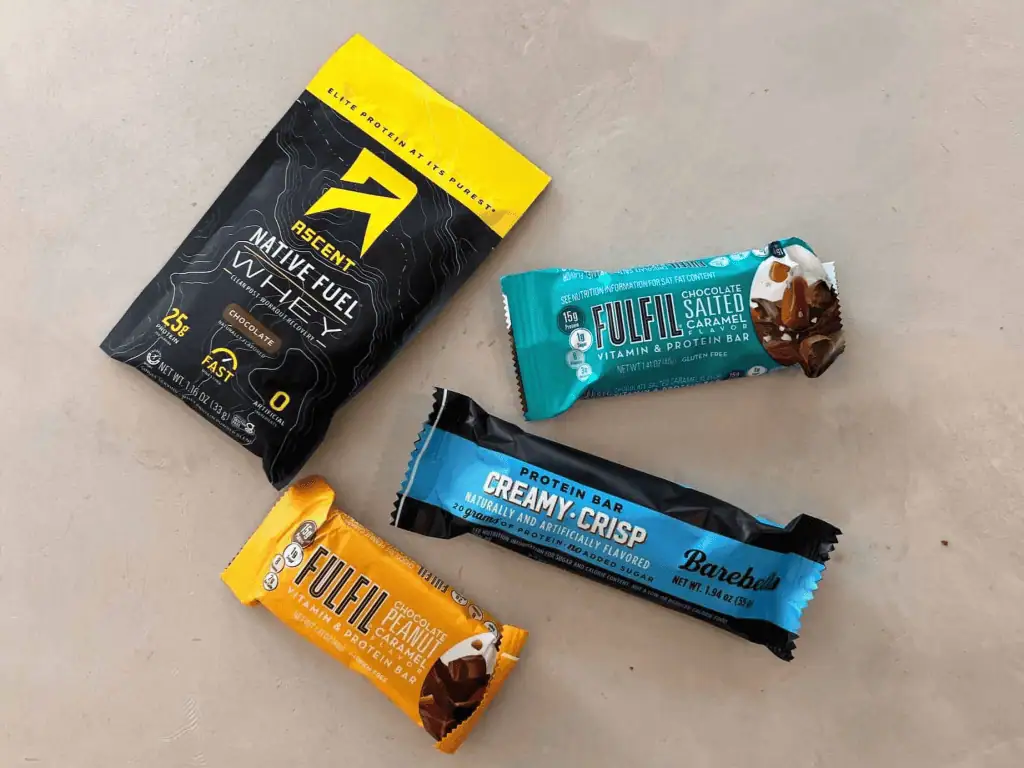
Protein bars and packaged “high-protein” snacks are rarely served in elite households. Chefs explain that while these products promise convenience, they often rely on processed protein isolates, sweeteners, and fillers. Wealthy clients favor natural protein sources such as eggs, yogurt, legumes, or freshly prepared meals that provide steadier energy. For them, protein is something eaten deliberately at meals, not consumed through packaged shortcuts designed for rushed lifestyles.
Low-Fat and Diet Foods
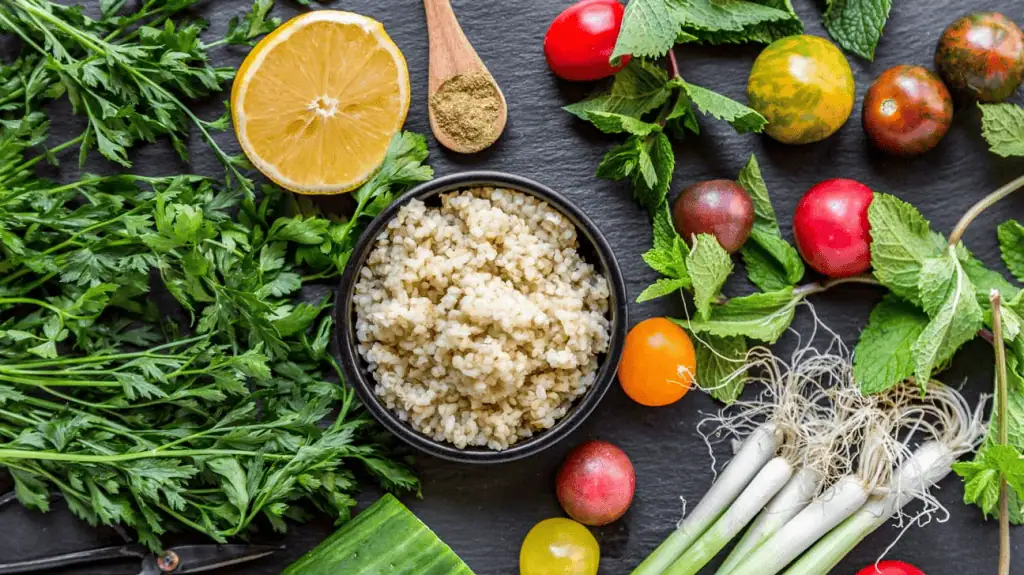
Low-fat and diet-labeled products are another category quietly avoided in wealthy households. Private chefs explain that when fat is removed, manufacturers often compensate with added sugars, starches, or artificial ingredients to preserve taste and texture. Ultra-rich clients instead choose full-fat dairy, natural oils, and whole foods that promote satiety and steadier blood sugar. Rather than fearing fat, they focus on ingredient quality and moderation. Foods designed to imitate health are viewed as less trustworthy than simple, balanced ingredients that naturally satisfy.
Store-Bought Granola and Breakfast Cereals

Even organic granolas and boxed cereals are often excluded from elite kitchens. Chefs point out that many store-bought versions contain hidden sweeteners, refined oils, and calorie-dense additives. Wealthy clients who enjoy granola usually eat versions prepared in-house using oats, nuts, seeds, and minimal natural sweeteners. Breakfasts are built around freshness and control, not packaged convenience that obscures ingredient quality behind health-focused branding.
Excessive Smoothies and Juice Cleanses

While smoothies and juice cleanses are popular in wellness culture, private chefs say wealthy clients tend to avoid relying on them. Liquid meals often lack fiber and can spike blood sugar, leading to energy crashes later in the day. Ultra-rich clients prefer solid meals that digest slowly and support consistent focus. Fresh juice may appear occasionally, but long cleanses and bottled smoothies are generally viewed as disruptive rather than restorative.
Margarine and Artificial Spreads

Margarine and so-called “heart-healthy” spreads rarely appear in ultra-wealthy kitchens. Private chefs explain that these products are heavily processed and engineered to imitate natural fats rather than exist as foods on their own. Wealthy clients overwhelmingly prefer real butter, olive oil, or other minimally processed fats because they offer better flavor, clearer sourcing, and fewer additives. For these households, using real ingredients in controlled amounts is seen as healthier and more intentional than relying on lab-designed substitutes meant to replicate natural foods.
Foods with Artificial Sweeteners

Artificial sweeteners are another category quietly avoided in elite diets. Sugar-free sodas, diet desserts, and artificially sweetened snacks are excluded due to concerns about digestion, altered taste perception, and long-term health effects. Private chefs say wealthy clients dislike how artificial sweeteners linger on the palate and distort natural sweetness. Instead, they favor fruit or small amounts of honey or maple syrup. Sweetness is treated as an occasional accent, not a constant engineered presence built into everyday foods.
Pre-Packaged Smoothies and Bottled Juices
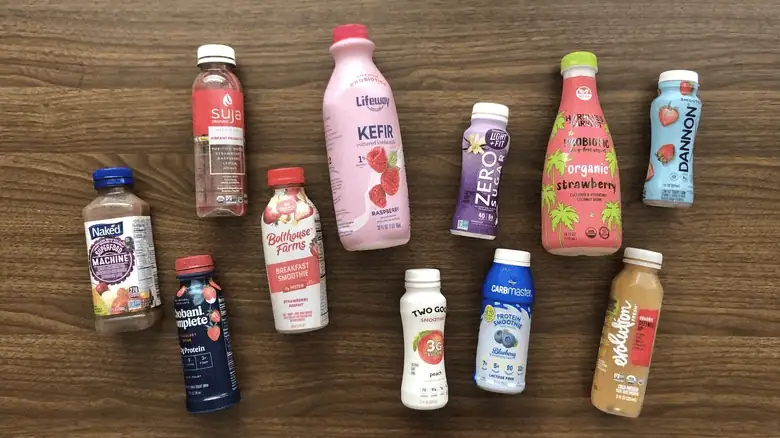
Pre-made smoothies and bottled juices are typically skipped, even when marketed as organic or cold-pressed. Chefs note these drinks often contain far more sugar than expected while lacking the fiber that slows absorption. Wealthy clients who consume juice usually drink it freshly prepared and in modest portions. The focus remains on whole fruits and vegetables rather than drinking calories that appear healthy on labels. For private kitchens, freshness and control matter more than convenience branding.
Highly Processed Snack Foods

Chips, flavored crackers, snack cakes, and other highly processed snacks are rarely stocked in elite kitchens. Private chefs say wealthy clients deliberately avoid foods designed for mindless eating, artificial flavor impact, and long shelf life. Instead, snacks are kept simple and intentional such as nuts, vegetables, yogurt, fruit, or house-made dips that offer satisfaction without overstimulation. These choices support steady energy and clearer hunger cues. Processed snacks are seen as convenience products built for impulse, not nourishment, and don’t align with how ultra-wealthy households structure eating around control and consistency.
Lab-Engineered and Ultra-Processed Foods

Ultra-rich clients generally avoid foods that are primarily manufactured rather than prepared. Items engineered for shelf stability, built from refined components, or designed in factories don’t fit their approach to eating. Private chefs explain that wealth removes the need for convenience shortcuts, allowing clients to rely on fresh ingredients cooked simply and deliberately. The resulting diet may look plain from the outside, but it’s tightly controlled, ingredient-driven, and purpose-focused, prioritizing predictability, digestion, and long-term health over novelty or packaging appeal.
