
12 Cool Facts About Ice Cream History
Understanding ice cream's history reveals a fascinating journey of innovation and cultural influence. Each evolution in its preparation and enjoyment reflects broader culinary trends and technological advancements. This dessert captivates for its creamy texture, delightful sweetness, and seemingly endless variety of flavors, making it both a personal pleasure and a cultural icon.
Ancient Roots of Ice Cream

Ice cream’s origins trace back to ancient China where a mix of rice and milk was frozen with the use of snow. This method introduced the idea of preserving ingredients for texture and taste. Ancient Rome followed, as Emperor Nero famously sent servants to collect mountain ice, combining it with flavored syrups. These early techniques highlight the ingenuity of creating cooling desserts long before modern refrigeration.
Ice Cream Arrives in America
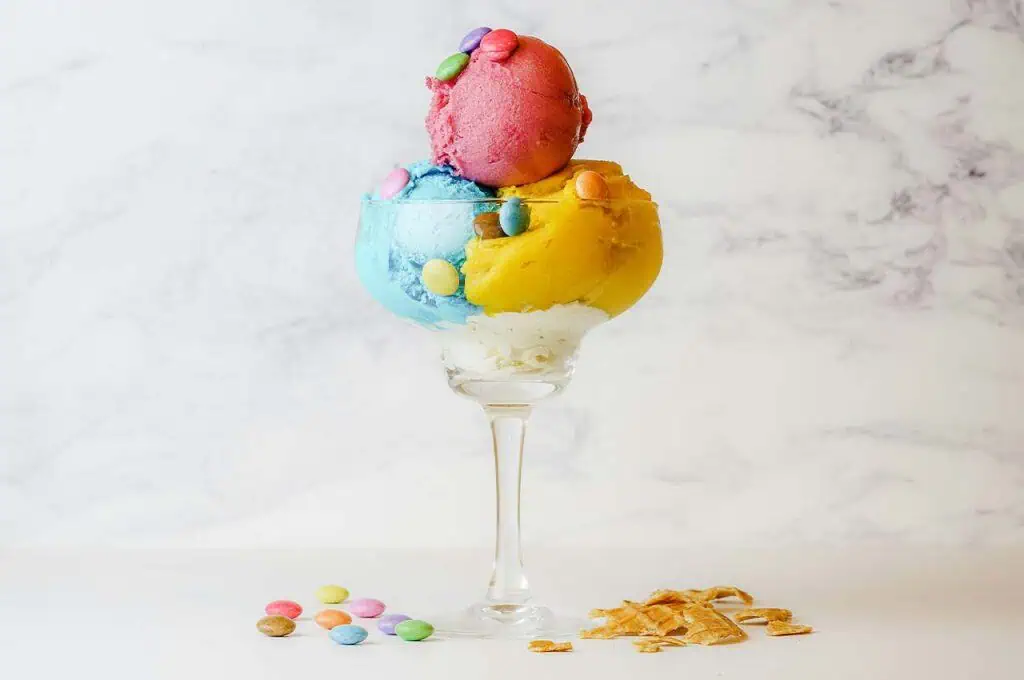
In the 18th century, ice cream crossed the Atlantic, gaining popularity among American colonists. Thomas Jefferson crafted a French vanilla recipe, illustrating early European influences. Ice cream parlors emerged in the 19th century, becoming community hubs; the advent of mechanical refrigeration soon revolutionized its accessibility. This transition from an elite delight to a mass-produced favorite marked a significant shift in dessert consumption.
New Zealand's Love for Ice Cream

New Zealand boasts one of the highest ice cream consumption rates globally, attributed to the country's rich dairy industry. Kiwis favor creamy textures and unique flavors like Hokey Pokey, which includes honeycomb toffee pieces. The local emphasis on high-quality ingredients ensures a superior taste experience. This devotion showcases the country's commitment to quality and innovation in ice cream production.
Surprising Benefits of Ice Cream
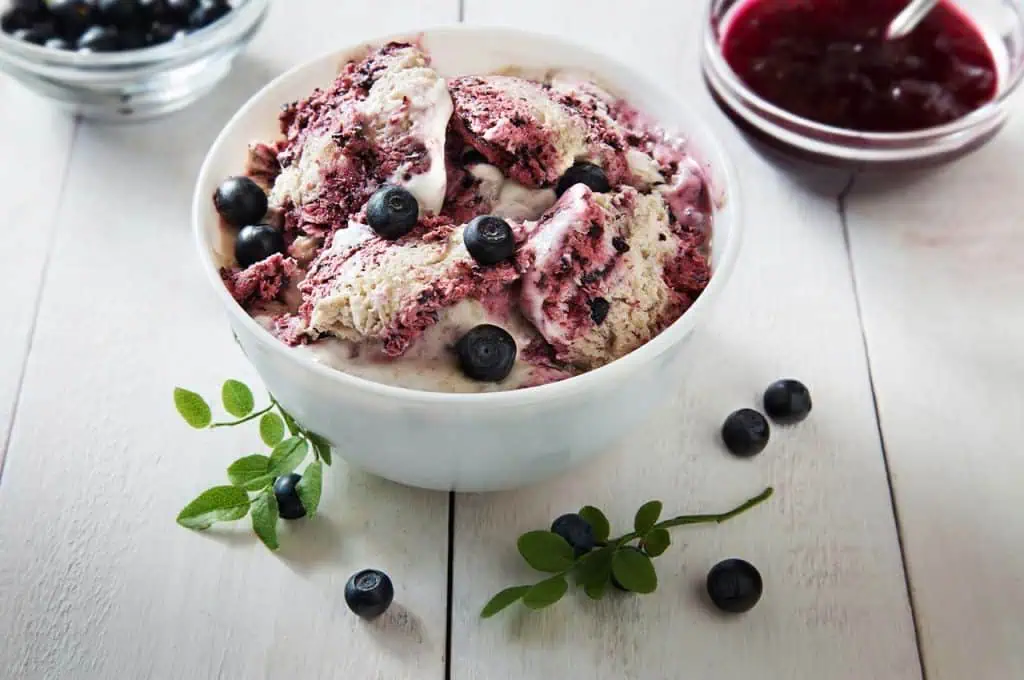
While perceived as a treat, ice cream offers unexpected nutritional benefits. It contains vitamins A, B, and D, alongside minerals like calcium and phosphorus essential for bone health. Despite its sugar content, moderate consumption can complement a balanced diet. This allows for a guilt-free enjoyment of its flavors while appreciating the practical benefits it contributes.
The Story of Ice Cream Sundaes

Ice cream sundaes originated in the late 19th century, providing a clever solution to Sunday laws prohibiting the sale of soda, leading to ice cream “sodas” being served without the soda. Instead, they were topped with syrup, evolving into the sundae we enjoy today. This dish highlights the symbiotic balance of smooth, creamy textures with the tang and sweetness of sauces like chocolate fudge or strawberry. Mastering the ratio of toppings to ice cream ensures that each spoonful delivers a harmonious blend of flavors.
Why Vanilla Rules the World

Vanilla's global prominence stems from its unparalleled versatility, acting as a base that complements an array of ingredients. Its flavor profile is subtle yet complex, with notes of sweet, floral, and smoky undertones. When crafting homemade vanilla ice cream, use high-quality vanilla beans or extract to emphasize these nuanced flavors. Balanced sweetness and a creamy, rich texture from full-fat cream allow vanilla's slow-melting elegance to shine, making it a perennial favorite that serves as the foundation for more adventurous creations.
The Downside of Neapolitan
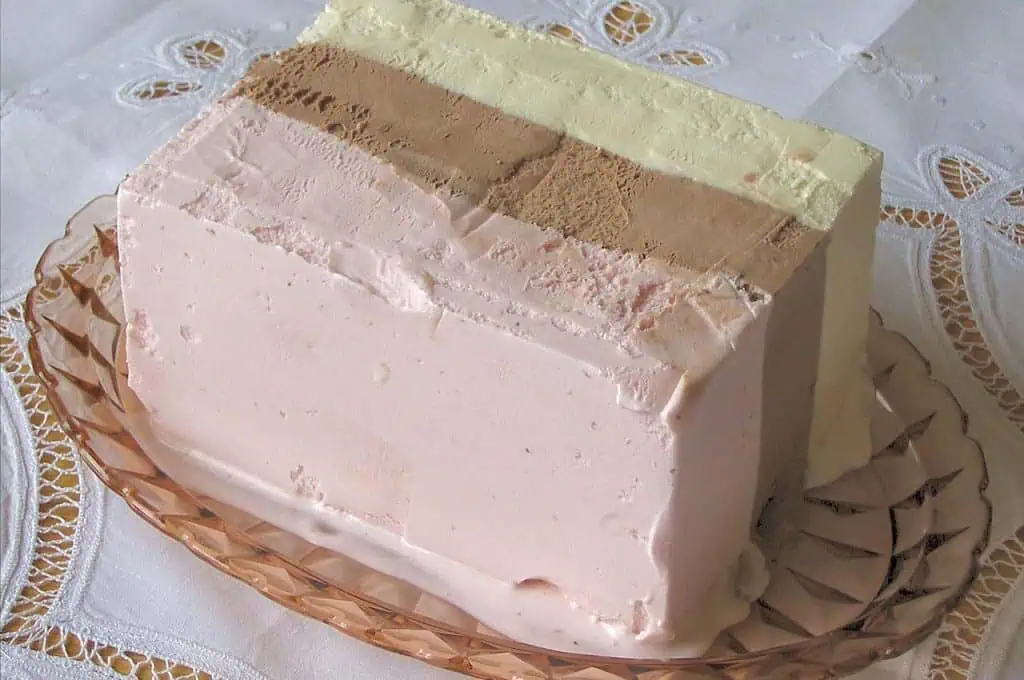
Neapolitan ice cream, while ingeniously offering three flavors in one, often suffers from a lack of distinction between its sections. The key is maintaining the integrity of each flavor, strawberry, vanilla, and chocolate. Homemade versions should ensure that each flavor is independently robust and prepared separately before layering. This prevents the common pitfall of bland blending, allowing you to experience the individual taste and experience of each classic flavor without compromise, celebrating diversity in each scoop.
Birth of the Ice Cream Cone

The ice cream cone, a staple today, was popularized in 1904 at the St. Louis World's Fair. Its genius comes from convenience, providing a portable way to enjoy ice cream with an added textural element. Homemade cones can elevate the experience further, offering crispness that contrasts the creamy filling. Consuming with a slow, rotational lick prolongs the enjoyment and prevents drips. Using a mix of flour, sugar, and butter, you can create variations such as waffle cones, amplifying the sweet, nutty aroma that perfectly frames your frozen treat.
When Ice Cream Was a Luxury

In the 18th century, ice cream was a symbol of luxury due to the scarcity of ice and the cost of ingredients. With advances in refrigeration and dairy production, it became more accessible to the masses. Understanding this history elevates appreciation for the creamy indulgence now readily available. Recreating historic recipes using traditional methods like hand-cranking can be an enriching exercise in patience and craft. It reminds us of ice cream's journey from sumptuous extravagance to everyday delight, deepening our enjoyment through its rich heritage.
The Science of Melting Ice Cream

Understanding the melting process of ice cream enhances both preparation and enjoyment. Ice cream begins to melt when ambient temperatures cause the ice crystals to dissolve. The sugar and fat content play a crucial role, as higher levels slow down melting by stabilizing the mix. Emulsifiers and stabilizers, such as lecithin and guar gum, provide body and smoothness, allowing the emulsified fat to trap air, which affects texture. For home cooks, maintaining consistent freezer temperatures ensures optimal firmness. Note the importance of serving temperature, slightly softened ice cream releases flavors and aromas more prominently, offering a fuller gustatory experience.
Founding Fathers' Sweet Tooth

Several American founding fathers favored ice cream, integrating it into early American culinary culture. Thomas Jefferson famously wrote down a vanilla ice cream recipe, blending heavy cream, egg yolks, and sugar, a template still relevant today. George Washington reportedly spent a fortune on this frozen delight, showcasing its allure and prestige. Hand-churned methods were employed, involving ice mixed with salt to lower the freezing point, a technique that dramatically improved texture. Embodying luxury and innovation, early American ice cream reflects simple yet rich custard bases, highlighting the palates of influential figures at the time.
Exploring 12 Ice Cream Types
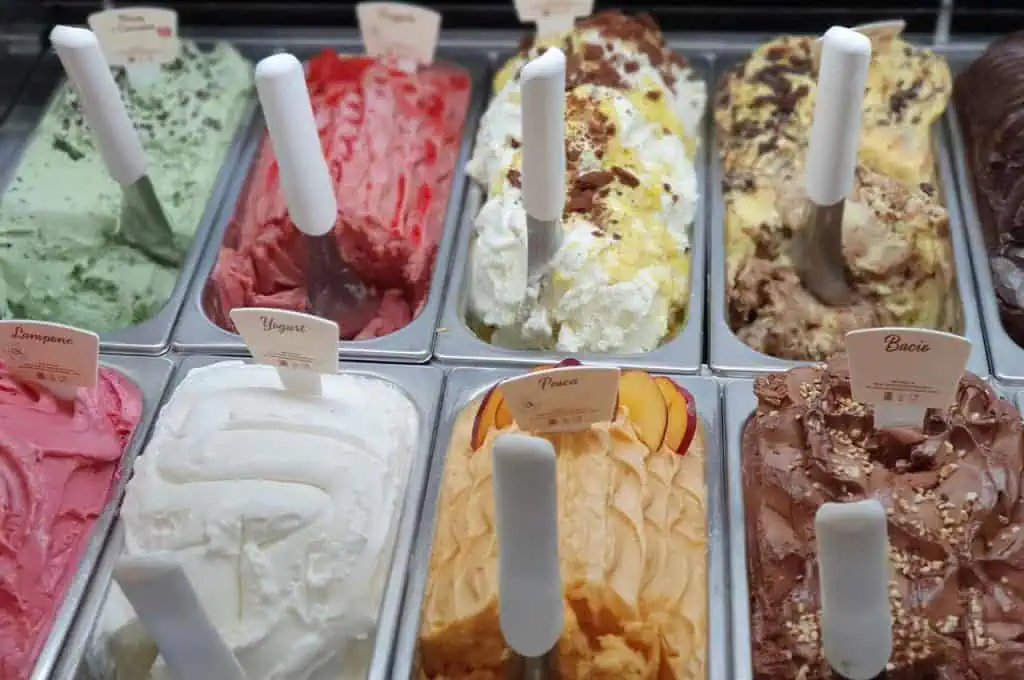
Ice cream varieties span cultures and traditions, each with distinct characteristics. Gelato offers a denser texture due to less air incorporation and higher milk content compared to cream. Sorbet, a dairy-free option, showcases fresh fruit purées with a crisp, refreshing taste. Kulfi, a traditional South Asian dessert, uses slow-cooked milk infused with cardamom and pistachios. French-style ice cream incorporates egg yolks for a custard-like finish, while Philadelphia-style skips the yolks for a lighter texture. Understanding these types encourages experimentation, allowing home cooks to explore flavors ranging from tropical sorbets to nutty, aromatic kulfis.
